
Choosing the right PCB surface finish depends on several key factors. Let’s break down the most important considerations to help you make the best decision for your project.

Application Details
The quality of the PCB is crucial for determining the correct surface finish. Different surface finishes are better suited to different component sizes, assembly methods, and operating environments. For example:
Surface Mount Technology (SMT): If you are assembling fine-pitch components, finishes such as immersion silver or immersion tin provide a flat surface, ideal for precision soldering.
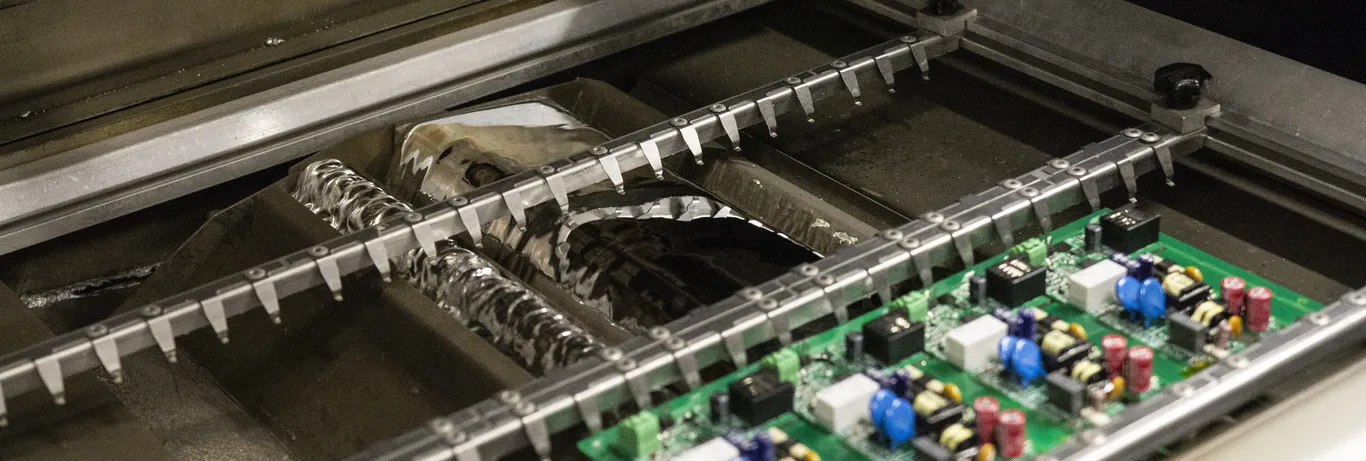
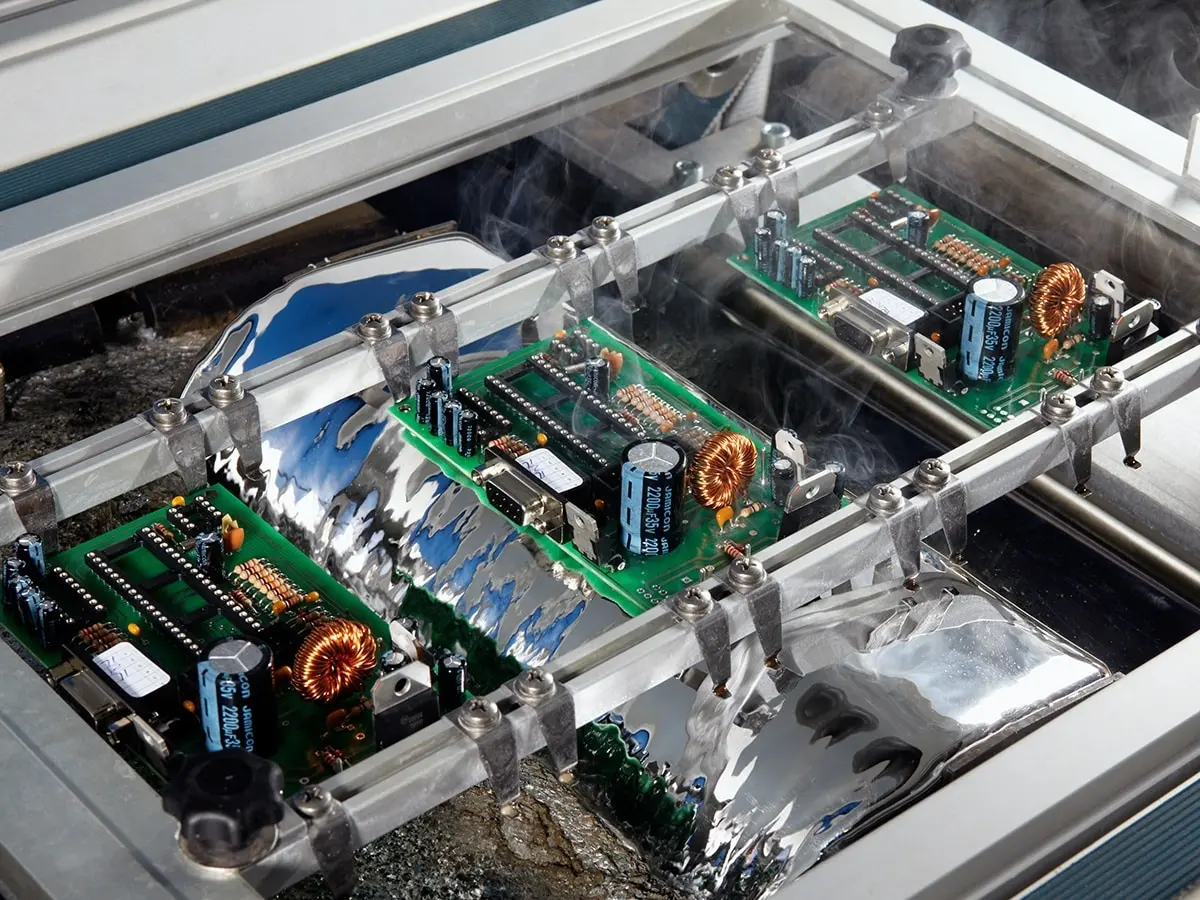
Through-Hole Components: HASL (Hot Air Solder Level) or lead-free HASL is a good choice because these finishes offer good durability and are suitable for thicker components.
Consider the type of components and assembly method you are using to choose the most suitable surface finish.
Budget Considerations
Budget is always an important factor when choosing a PCB surface finish. Some finishes, such as HASL, are more cost-effective and are often used in standard production, making them ideal for projects with tight budgets.
However, if your project requires high performance or durability, finishes like ENIG or ENEPIG may justify the higher cost due to their superior conductivity and long lifespan. It’s all about balancing cost and the performance you need.
Environmental and Compliance Factors
Meeting is Important. Industry Standards, such as the Restriction of Hazardous Substances Directive (RSD), are important. When choosing a PCB surface treatment, refer to the following standards: (Restriction of Hazardous Substances).
If you are producing for a market where environmental compliance is a priority, then finishes like lead-free HASL or OSP are good choices because they are lead-free and comply with green manufacturing practices.
Adhering to these regulations ensures your PCBs are both safe and legal when distributed globally.
Lifespan and Shelf Life
Consider how long your PCBs need to be stored before use. Some finishes, such as immersion silver, have a shorter shelf life and should be assembled as soon as possible after production to avoid issues like loss of shine.
On the other hand, finishes like ENIG or ENEPIG have a longer shelf life and are ideal for long-term storage or projects with less stringent time requirements.
By evaluating these factors (application requirements, budget, compliance, and lifespan), you can select the best PCB surface treatment to meet your technical and business requirements.
To choose the best PCB surface treatment, consider factors such as your application, budget, compliance requirements, and lifespan. Each finish has different advantages, so choose the one that best suits your project’s specific requirements for optimal performance and durability.