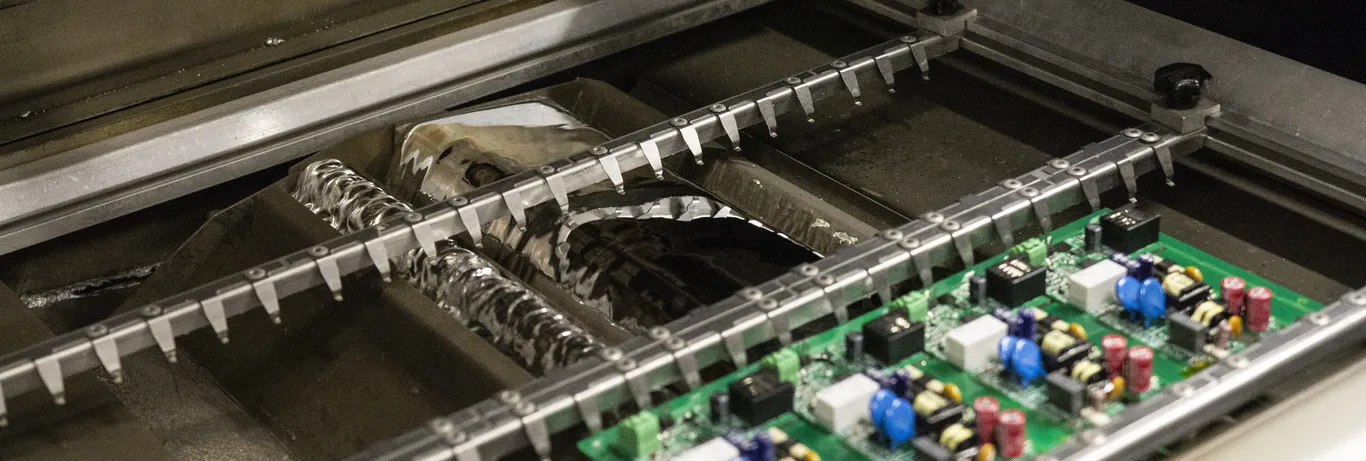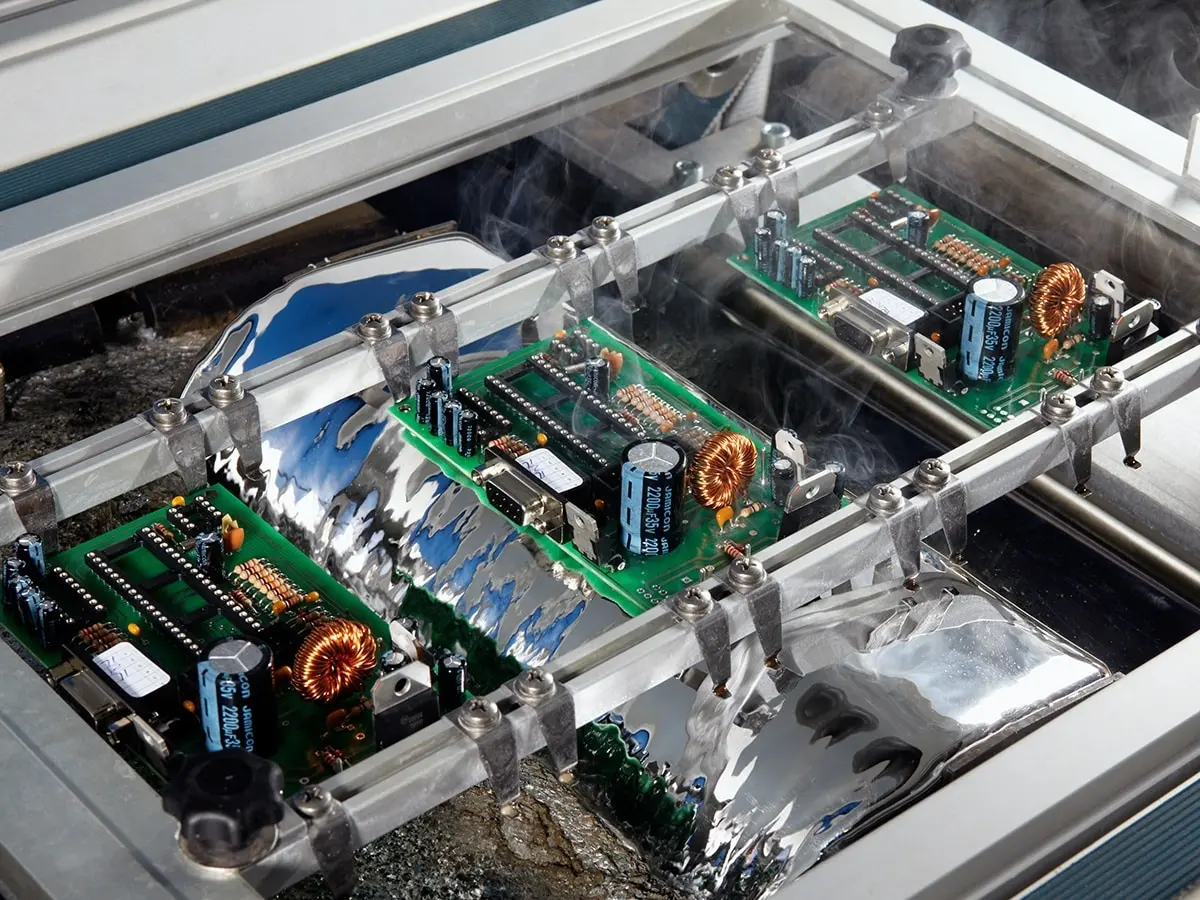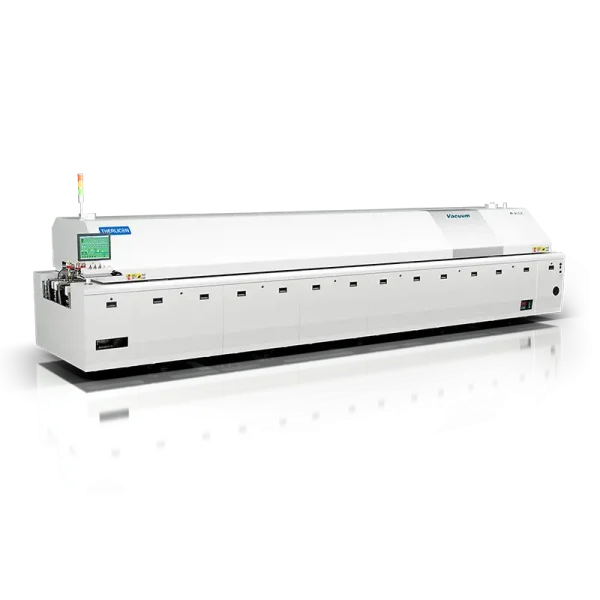

A PCB surface treatment is a thin coating applied to the copper portions of a printed circuit board (PCB). This coating is crucial because it protects the copper from elements such as air and moisture that can cause oxidation and corrosion. Without this treatment, the copper deteriorates quickly, leading to PCB failure.
Why is it essential?
The primary purpose of PCB surface treatment is to prevent oxidation and corrosion, both of which damage copper traces and make the PCB unreliable. Surface treatment ensures a longer lifespan, stable performance, and continued functionality for many years.
How does it enhance solderability?
Surface finish also plays a key role in solderability. During assembly, components are attached to the PCB through soldering. A smooth, flat surface makes the process easier, ensuring strong and reliable solder joints. This helps prevent problems such as tombstoning and misalignment, thus improving overall assembly quality.
In short, surface treatment not only protects your PCB but also makes assembly faster, more efficient, and more reliable.
Types of PCB Surface Treatments
Choosing the right PCB surface treatment is crucial for ensuring performance and lifespan. The following is a breakdown of the most common types and their main characteristics:
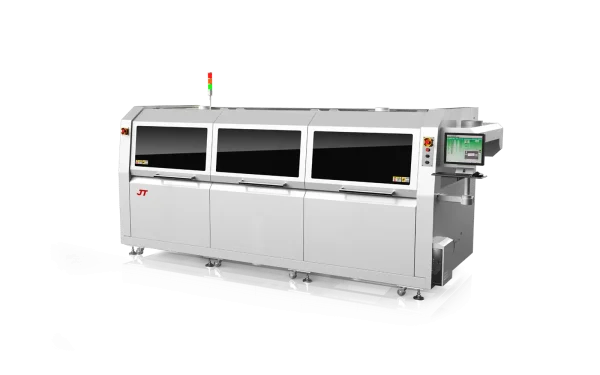
1. Hot Air Solder Leveling Machine (HASL)

Tin plating is a widely used PCB surface treatment method. The process involves applying a layer of solder to the circuit board and then using hot air to smooth it out, ensuring even coverage. It is primarily used for through-hole technology.
2. Lead-Free Tin Plating
Lead-free HASL uses a similar process to traditional HASL but employs environmentally friendly materials, making it compliant with global environmental standards.
3. Organic Solderability Protectant (OSP)

Open Source Software is a lead-free organic coating that protects solderable PCBs. It provides flatness and protects copper surfaces during storage before assembly.
4. Immersion Silver

Immersion silver involves applying silver to the PCB using an immersion process. It provides a flat, smooth surface, ideal for fine-pitch components and high-density assemblies.
5. Immersion Tin

Immersion tin provides a bright, flat surface suitable for surface mount assemblies, especially those using fine-pitch components or press-fit technology.
6. Immersion Gold

Chemical nickel-gold plating is one of the most popular finishes for high-end applications. It combines the strength of nickel with the excellent conductivity of gold. This process ensures a flat surface suitable for surface mount and through-hole components.
7. ENEPIG

ENEPIG is a multi-layer finish that incorporates palladium in the ENIG process, offering superior corrosion resistance and multi-cycle assembly capability.
8. Electrolytic Wirebonding Alloy
This gold plating process, achieved through electrolysis, is ideal for wire bonding applications. It ensures strong and reliable connections and is commonly used in high-reliability industries such as aerospace or medical devices.
9. Electrolytic Hard Gold
Electrolytic hard gold is a thicker, more durable gold plating ideal for sheets requiring reusability. It is typically used in industries where durability and long lifespan are critical.