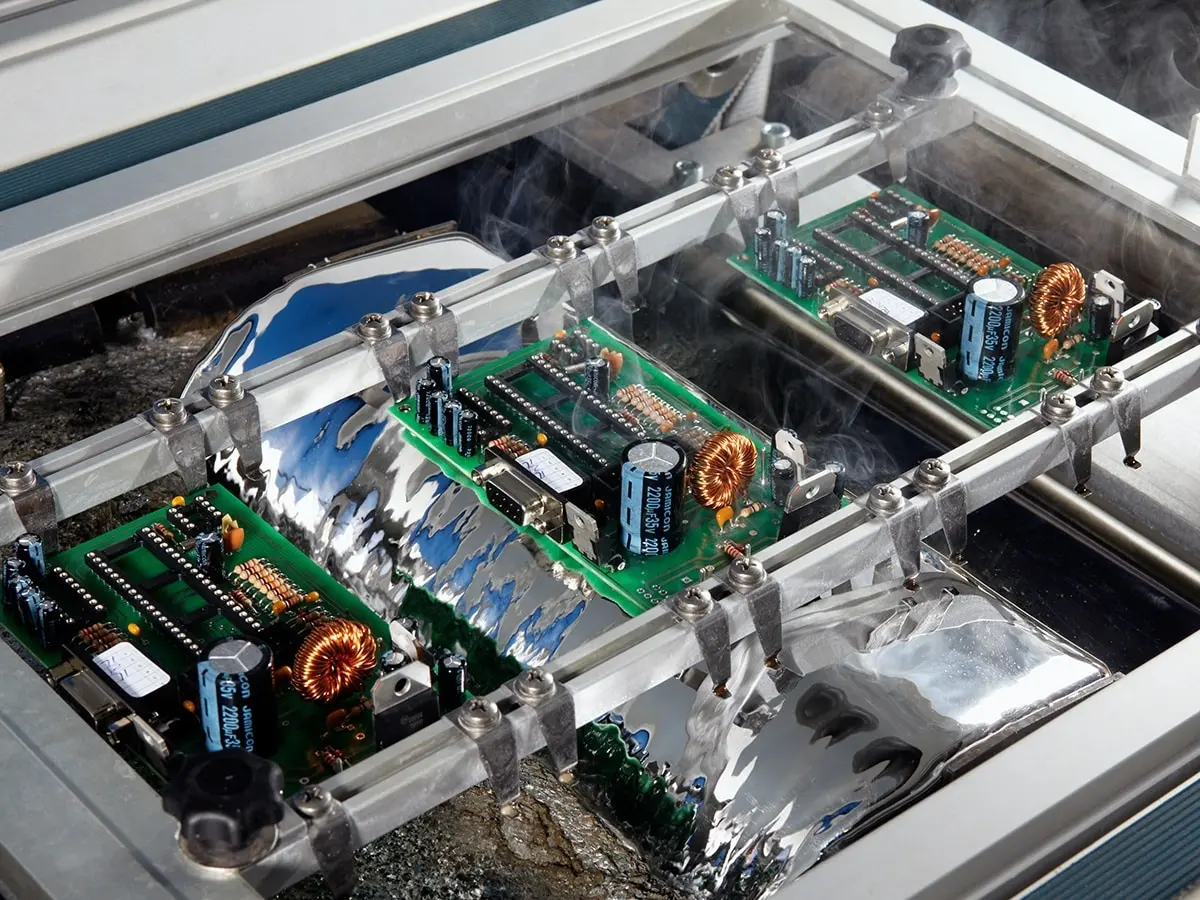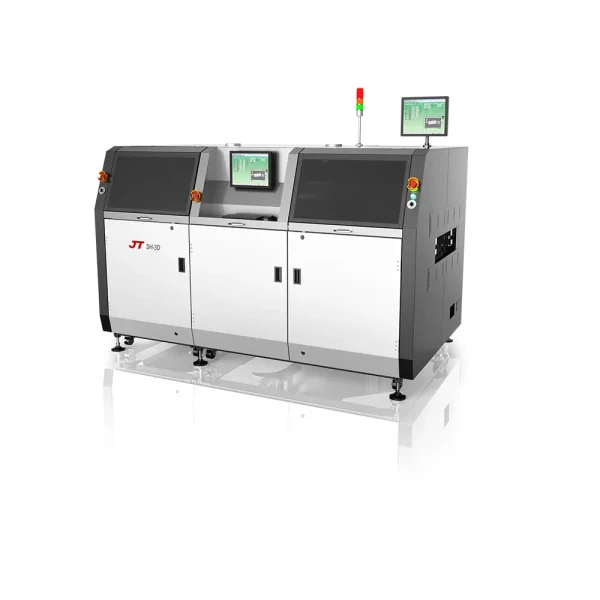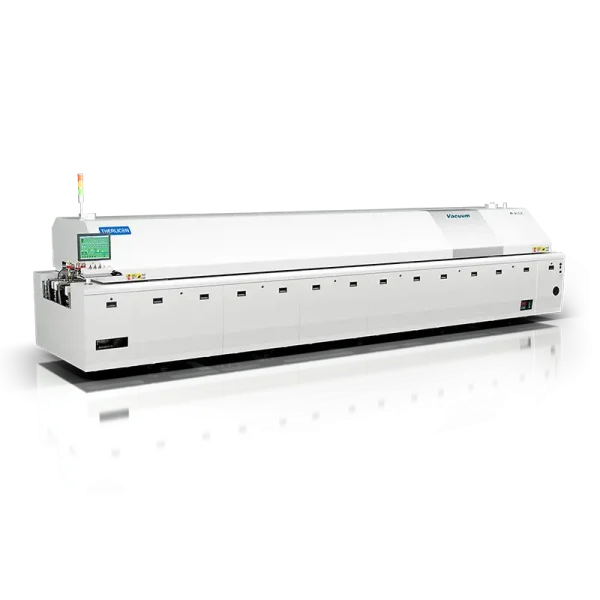

The components used in SMT are called surface mount devices (SMDs). They are compact with leads or contacts specifically for surface mounting. Key SMD types include:
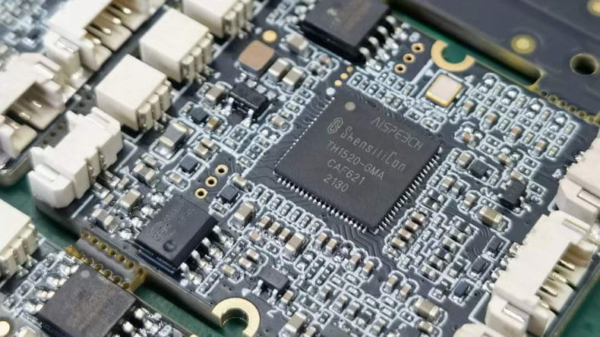
SMD resistors: These passive components limit electrical currents and dissipate heat. Common types include ordinary resistors, shunt resistors, wirewound resistors, and metal film resistors. They are usually small, rectangular chips with metallic end caps.
SMD capacitors: Also passive, SMD capacitors store electrical energy. They block direct current (DC) and allow alternating current (AC) to pass. Ceramic, tantalum, and aluminum electrolytic capacitors are widely used. They vary in size and capacitance.
SMD inductors: These components convert electrical energy into magnetic energy. They are used for filtering, energy storage, and impedance matching. Common types include inductor coils and choke coils.
SMD diodes: Diodes are semiconductor devices. They allow current to flow in one direction. They are often used for AC to DC conversion, signal rectification, and voltage regulation. Types include ordinary diodes, two-terminal diodes, and Light-Emitting Diodes (LEDs).
SMD transistors: These semiconductor devices amplify or switch electronic signals and power. Phototransistors are a specific type of SMD transistor that responds to light.
ICs (Integrated Circuits): ICs are miniature electronic circuits on a semiconductor material. They come in various surface-mount packages. Examples include SOP, QFP, SOJ, PLCC, BGA, and CSP. These packages differ in pin count, size, and thermal dissipation.
SMD crystal oscillators: Also known as quartz crystals, these provide a stable base frequency and clock signals. They are essential for digital circuits and microcontrollers.
Other SMDs include SMD resistor banks, SMD switches, SMD magnetic beads (for noise suppression), SMD heat sinks, and SMD transformers.
On a PCB assembly or PCBA, you will notice that each surface mount component takes a land pattern on the board. We call it an SMD footprint, which is the dimension of a copper pad where an SMD component is soldered. Each type and size of SMD has a specific footprint design.
Smaller footprints allow for greater component density and miniaturization.