
In electronics manufacturing, while surface mount technology (SMT) handles miniature logic circuits, through-hole soldering (THT) remains a mainstay for power electronics, heavy-duty connectors, and industrial control applications.
Through-Hole Technology Will Be Adopted in 2026
Why are we still discussing through-hole soldering in 2026? The answer lies in mechanical integrity.
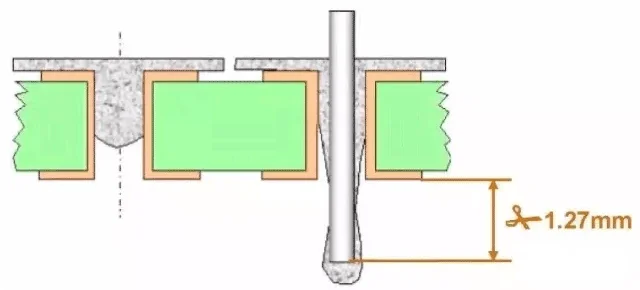
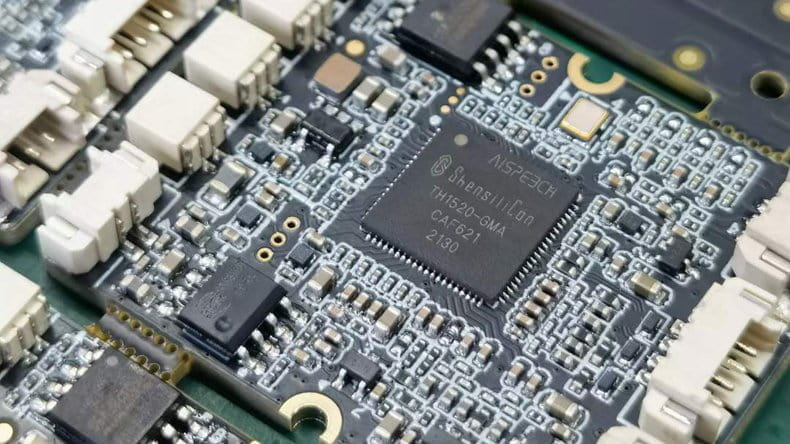
SMT components are bonded to the PCB surface, while THT components have leads that pass through PCB holes and are secured by solder joints on the top and bottom layers.
THT soldering creates joints that can withstand significant mechanical stress, thermal cycling, and vibration.
With the increasing prevalence of electric vehicles, industrial robots, and renewable energy storage systems, there has been a significant resurgence in demand for the robust “anchoring” provided by through-hole soldering.
Currently, there are three through-hole soldering methods: hand soldering, wave soldering, and selective soldering.
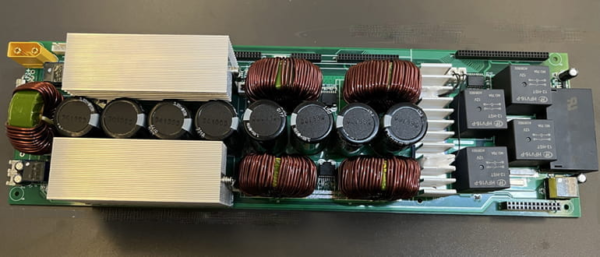
Our PCBs, supplied using through-hole soldering or hybrid processes (SMT+THT), typically include the following through-hole components:
Connectors: Industrial cables are often heavy and require frequent plugging and unplugging. THT pins provide mechanical “leverage” to prevent the pads from detaching from the PCB.
Electrolytic Capacitors: These are often the “heaviest” components. In inverters, they need to withstand significant ripple current. Through-hole mounting helps them remain stable under vibration.
Heaters: These are heavy blocks of metal. Through-hole mounting allows them to be directly secured to the board with bolts or solder, creating a robust heat dissipation path.
Coils/Inductors: Large copper coils in inverters carry high currents. THT pins are better able to withstand the heat and weight of ferrite cores compared to SMT pads.
Power Transistors (TO-220/TO-247 Packages): Inverters rely on MOSFETs or IGBTs. These transistors are almost always through-hole (THT) packages because they need to be bolted to vertical heatsinks to dissipate the significant heat generated during power conversion. Fuse and Varistor: Industrial control systems require surge protection. Large varistors and replaceable fuse holders are standard equipment at THT, offering both safety and ease of maintenance.
Transformer: For electrical isolation in control circuits, THT pulse transformers are the gold standard for high-voltage gaps.
Relay: Inverters and controllers frequently need to switch physical loads. The mechanical “click” and high current of relays require secure mounting via through-hole pins.
Hand Soldering: Hand soldering is the most basic form of through-hole soldering, where technicians use a soldering iron to heat and solder individual joints.
Advantages:
Low upfront costs: No expensive machinery required.
Flexibility: Ideal for rapid prototyping or unique, one-off builds.
Ease of use: Ideal for simple repairs or field modifications.
Disadvantages:
Inconsistency: Connector quality depends entirely on the technician’s skill.
Slow speed: Not suitable for mass production.
Thermal risk: Prolonged contact with a soldering iron can damage sensitive components or cause PCB pads to lift.
To ensure consistent quality, hand soldering is never used in R&D prototyping. Hand soldering is only used sparingly in special rework cases.
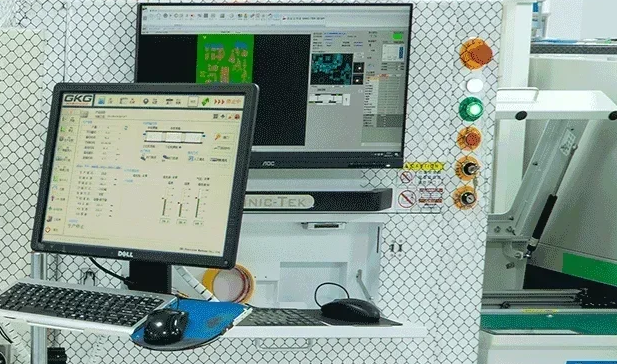
Whether for PCB prototyping or mass production, we consistently use automated production lines to ensure 99.9% yield, consistent quality, and reliability.
Wave Soldering
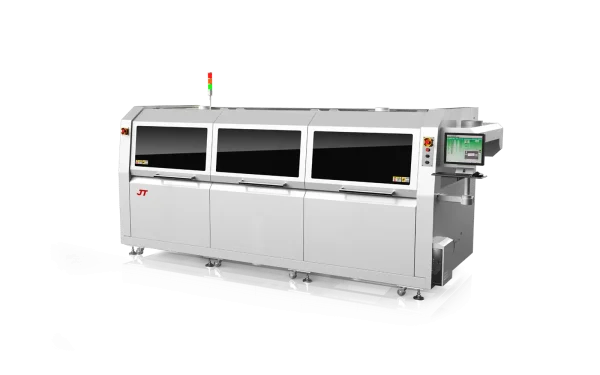
Wave soldering is a large-scale soldering process that immerses the entire back of the PCB in a wave of molten solder.
How Wave Soldering Works:
Fluoride Application: Clean the metal surface using foam or spray flux.
Preheating: Heat the PCB to activate the flux and prevent thermal shock.
Soldering: The PCB is passed through a pumped wave of liquid solder, which seeps into the vias vias through capillary action.
Selective Soldering
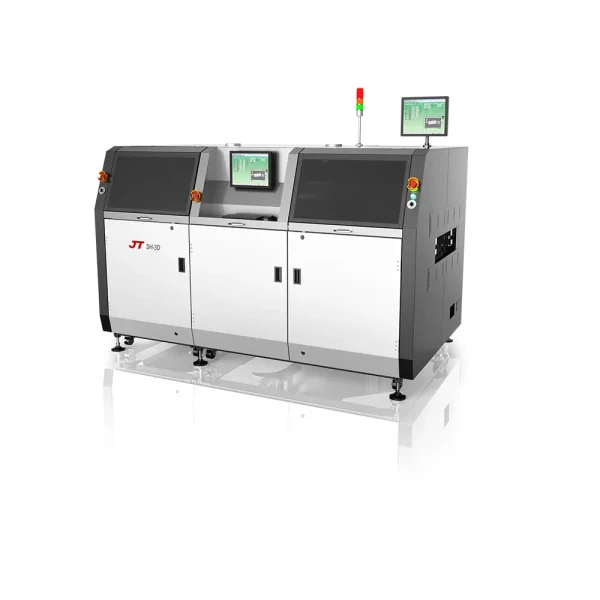
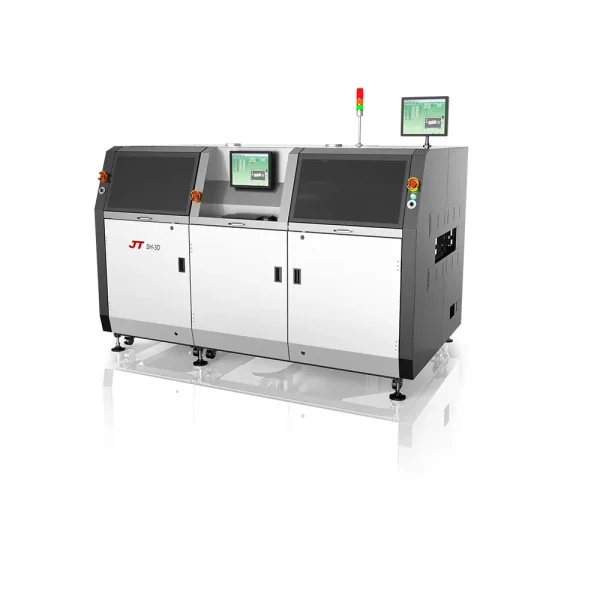
Our selective soldering production line is specifically designed for complex PCBA boards, as wave soldering is “too aggressive” for these types of boards.
It uses a miniature solder fountain (nozzle) that moves along a pre-set path to solder specific joints.
Why Choose Selective Soldering for Through-Hole Soldering?
No Fixtures Required: Unlike wave soldering, which requires complex shielding to protect SMT components, selective soldering only contacts the pins designated for contact.
Reduced Thermal Stress: Only specific solder joints are heated, protecting the rest of the PCB.
Higher Quality, Higher Cost: While slower than wave soldering, it results in a significantly lower defect rate for high-density double-sided PCBs.
Design for Manufacturability (DFM) for Through-Hole Soldering: Successful through-hole soldering begins in the design phase. Based on over 20 years of experience, here are the key DFM factors for through-hole soldering in 2026.
Hole-to-Lead Ratio: The gap between component leads and plated through-holes (PTHs) is crucial. Too small a gap prevents solder flow; too large a gap affects mechanical strength.
We typically recommend a hole diameter 0.25 mm to 0.40 mm larger than the lead diameter.
Thermal Pads: When through-holes connect to large copper planes (such as ground planes), the copper plane acts as a heat sink. This makes it difficult to achieve the appropriate soldering temperature.
Using a thermal pad ensures heat remains at the solder joints, rather than dissipating onto the PCB.
Component Orientation: For wave soldering, component placement should avoid the “shadowing effect,” where taller components block solder waves from reaching smaller solder joints behind them.
We don’t just solder PCBs; we solve engineering challenges. Whether it’s preventing component floating with custom fixtures or optimizing the bill of materials for selective soldering, our 20 years of expertise are here to serve you.
Conclusion: The choice between hand soldering, wave soldering, and selective soldering depends on which method best suits your specific application. For cost-effective, high-speed production standard designs, choose wave soldering. For high-reliability, high-density, and extremely precise circuit boards, choose selective soldering. For hobbyist circuit boards, choose hand soldering.