


Environmental Considerations and Safety in Wave Soldering
Wave soldering impacts various environmental and safety aspects within electronics manufacturing. Transitioning from leaded to lead-free soldering...
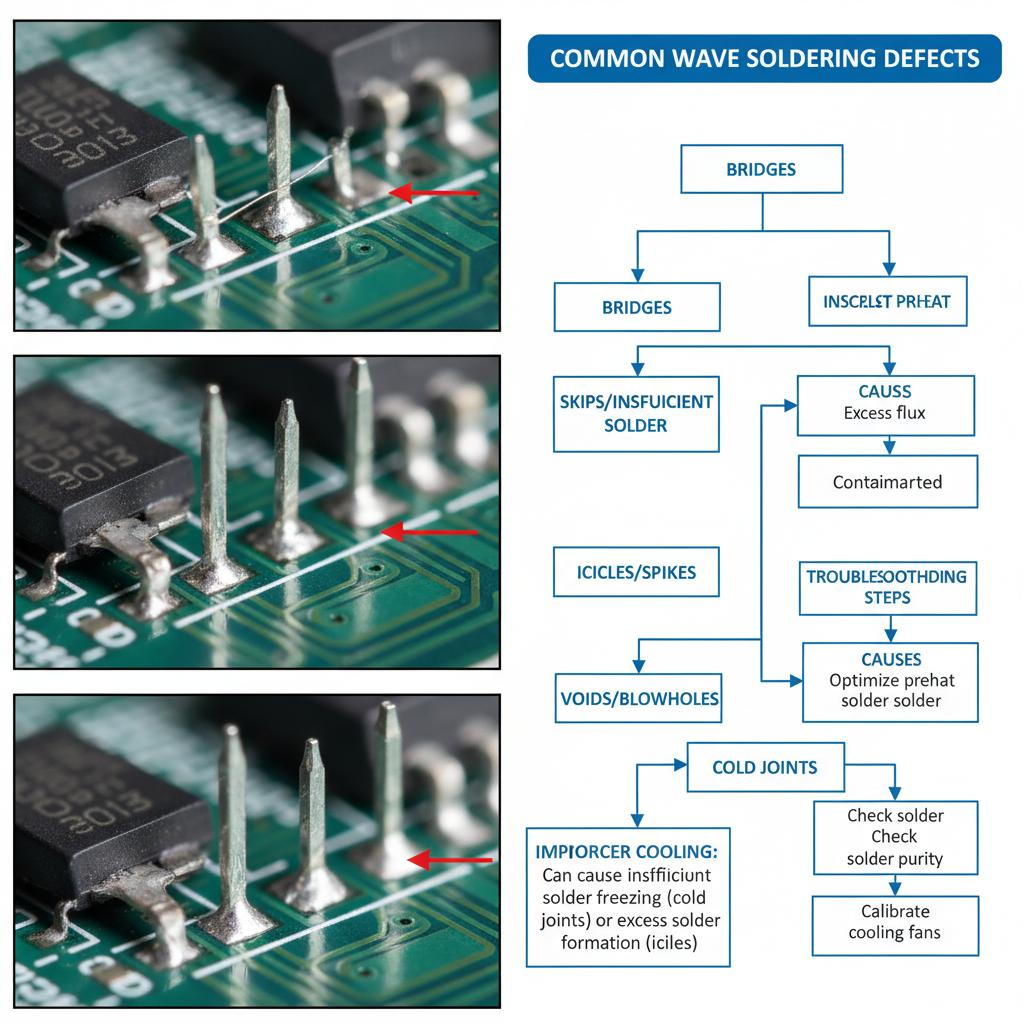
Wave soldering, while efficient for large-scale production, often presents a set of challenges primarily embodied in soldering defects. Understanding these defects, their origins, and remediation techniques...
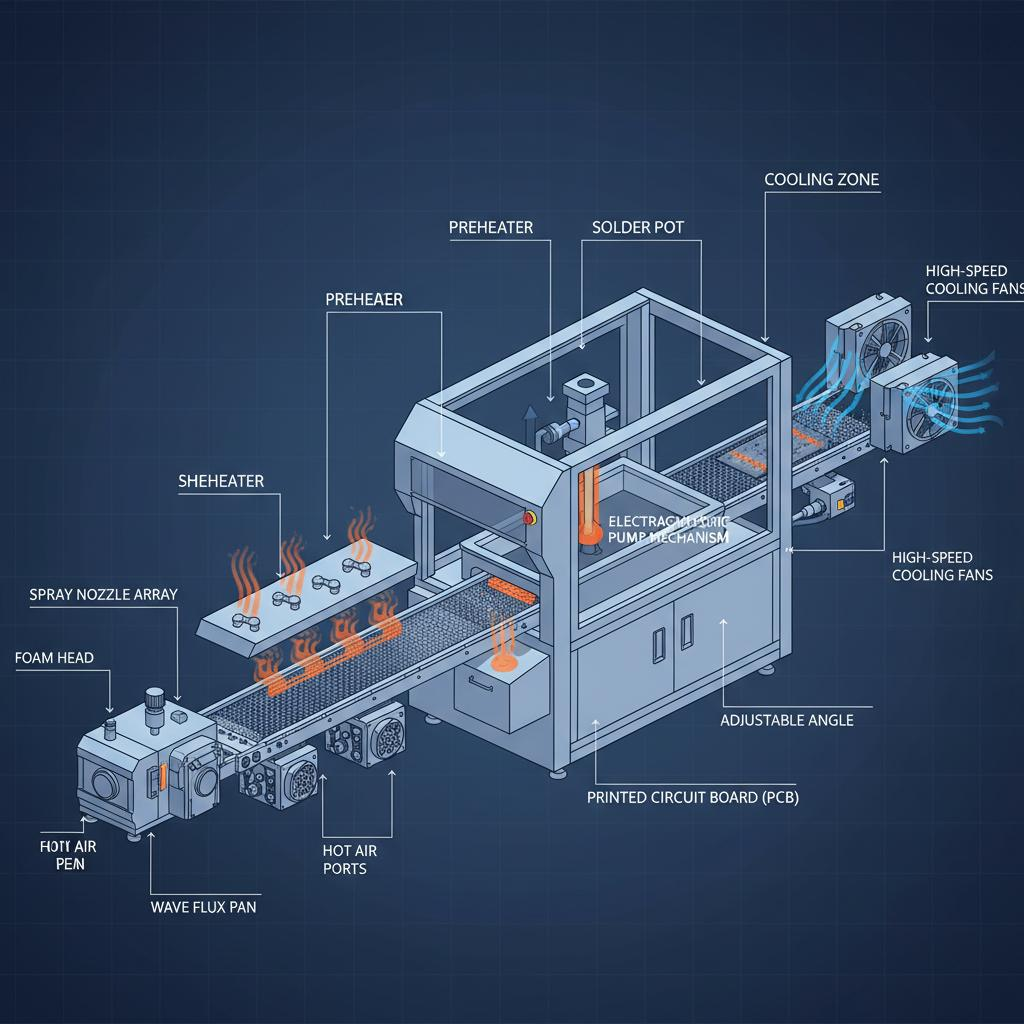
Wave soldering machines are intricate assemblies designed to efficiently solder electronic components onto PCBs using waves of molten solder. Understanding the anatomy and function of these machines’ key...
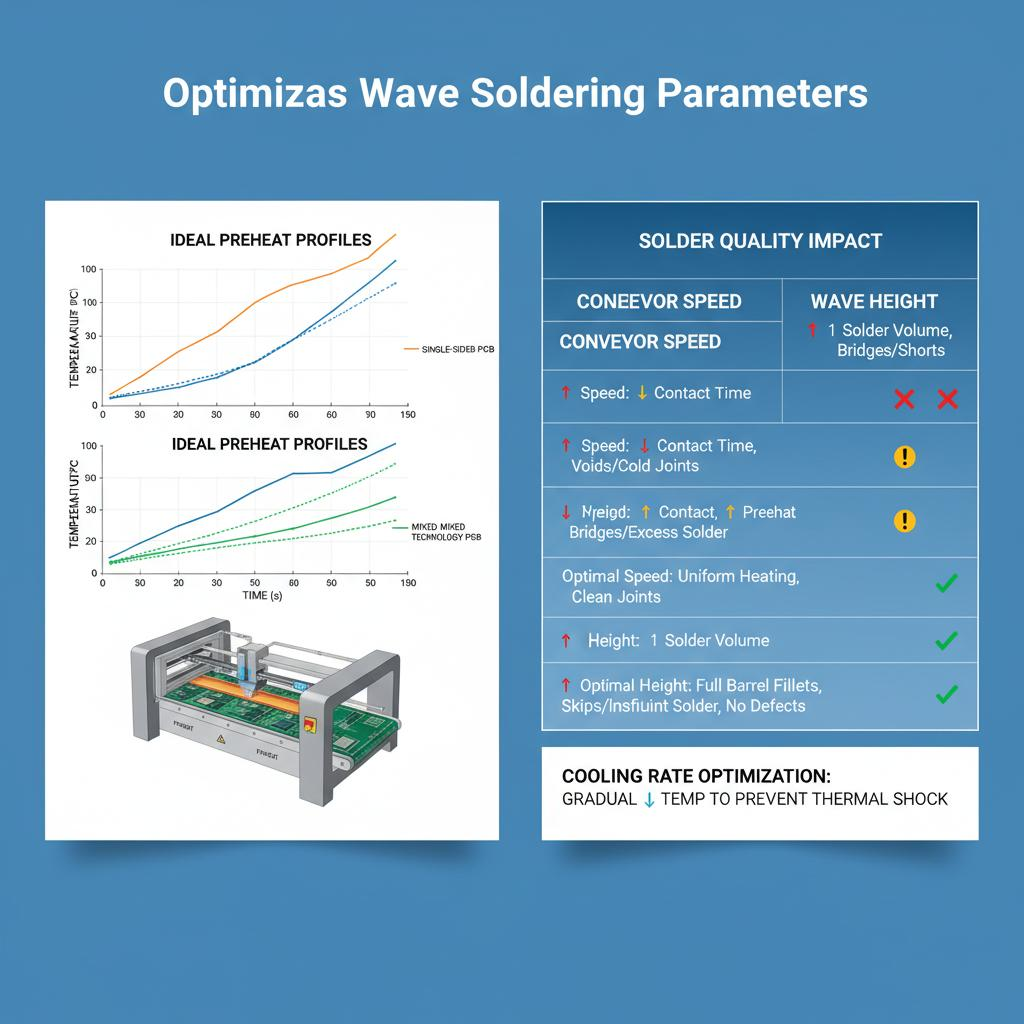
Wave soldering is a critical process in the assembly of printed circuit boards (PCBs), demanding precision and attention to detail to ensure quality and functionality. Understanding the step-by-step sequence...
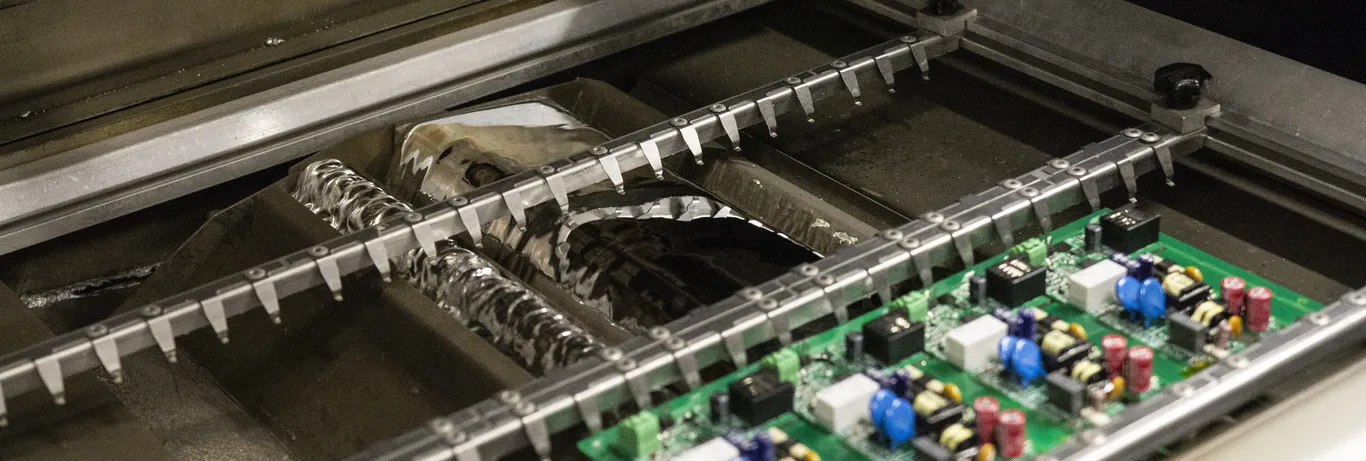
If you’re new to SMT wave soldering, using the right methods can save time and reduce errors. Here are some practical tips to help beginners master this technique:
Start with Proper PCB Design
When...
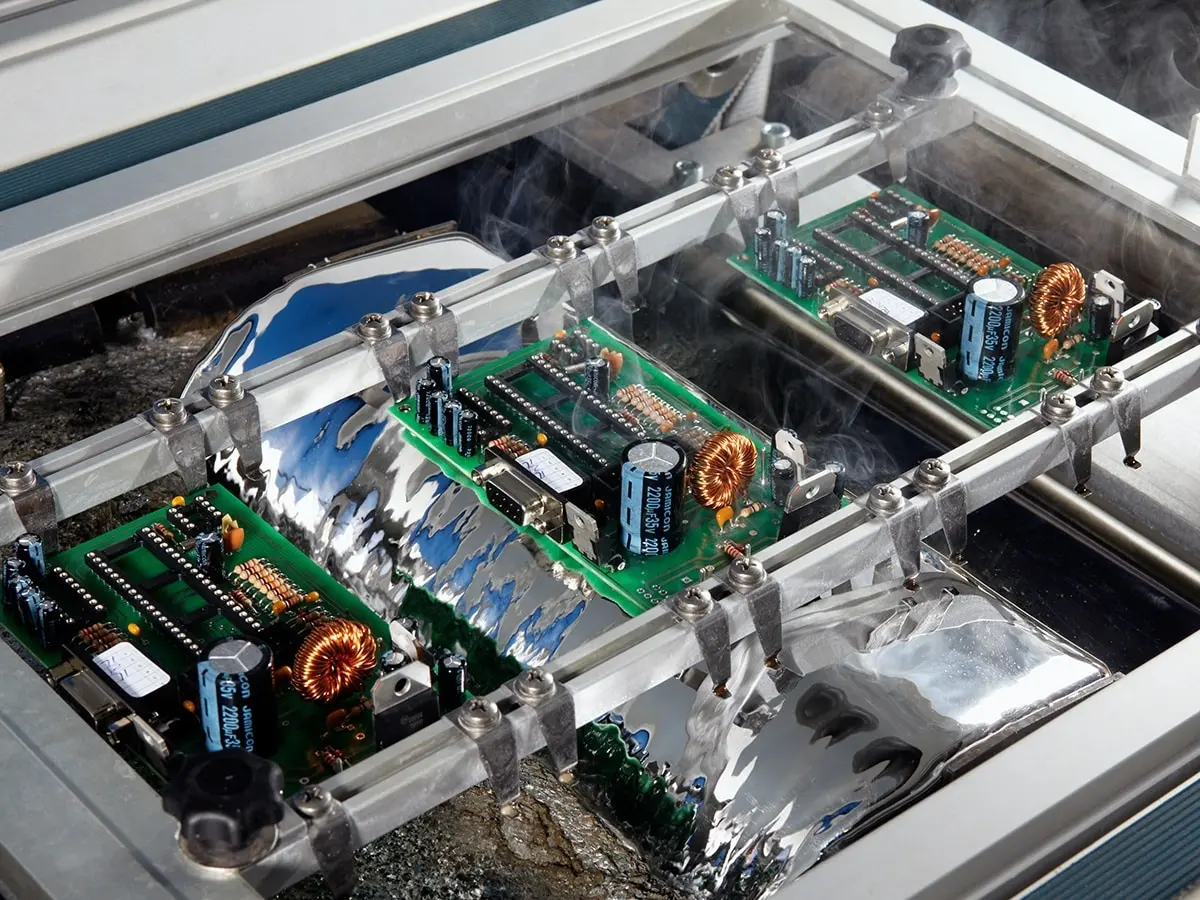
Wave soldering is a widely used method in electronics manufacturing for soldering components onto printed circuit boards (PCBs). While originally designed for through-hole components, it has become suitable...
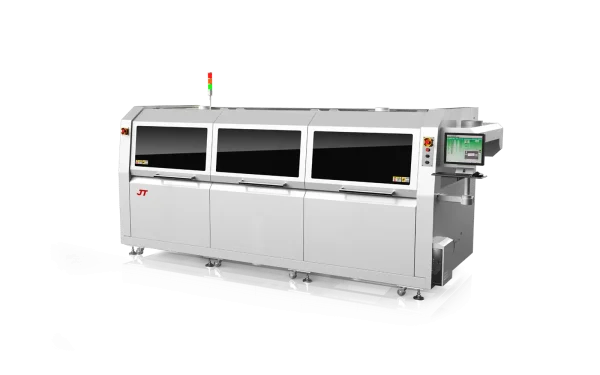
When circuit boards first appeared, they used traditional through-hole components (OSB) designs. Almost all boards at that time required wave soldering, and initially, boards were only single-sided.
Later,...
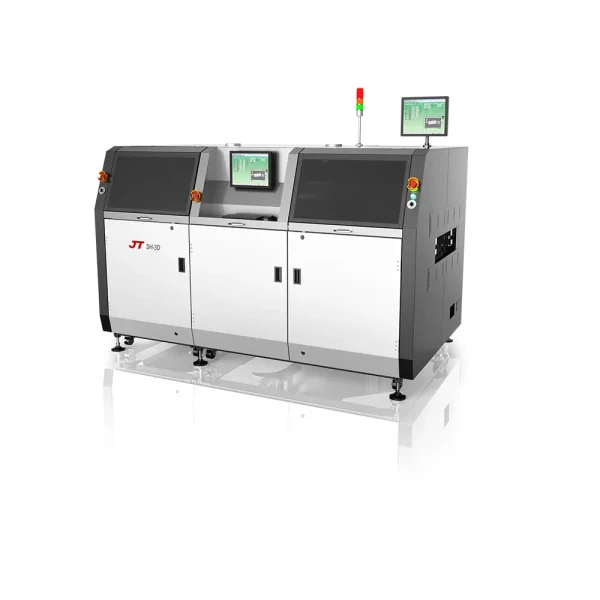
In the wave soldering process of PCB assembly, solder beads remaining on the PCB, while not the most serious defect, are a major source of instability and potential quality issues. Solder beads are formed...
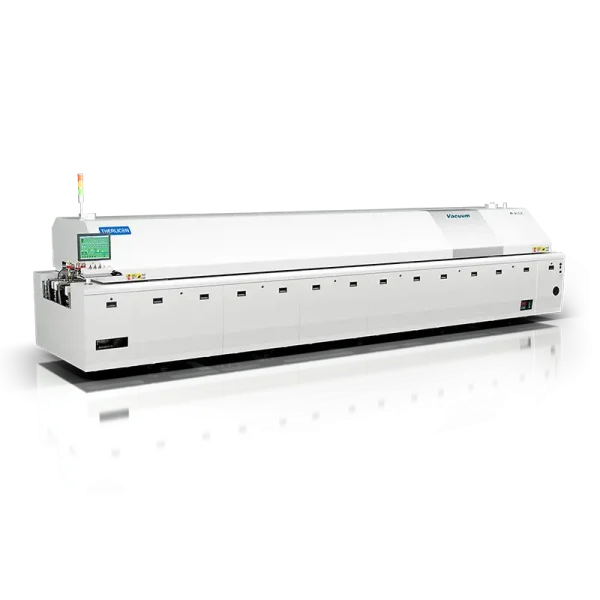
Traditionally, reflow soldering is regarded as the core process for surface mount devices (SMDs), while through-hole components rely on wave soldering or manual welding. However, with the upgrading of...