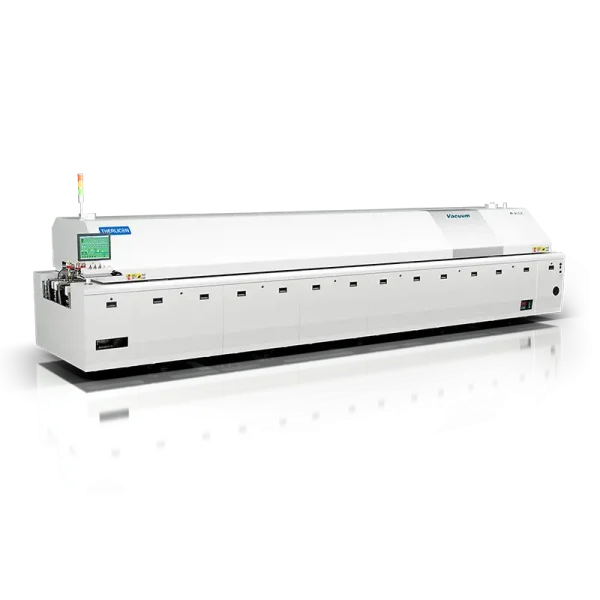

In the fields of new material processing and precision device manufacturing, the curing process is a core step in controlling product performance and stability. Vertical curing ovens, with their advantages of space efficiency, precise temperature control, and strong automation adaptability, have become standard equipment in many industries, including electronics, photovoltaics, and automotive, driving the improvement of quality and efficiency in high-end manufacturing.

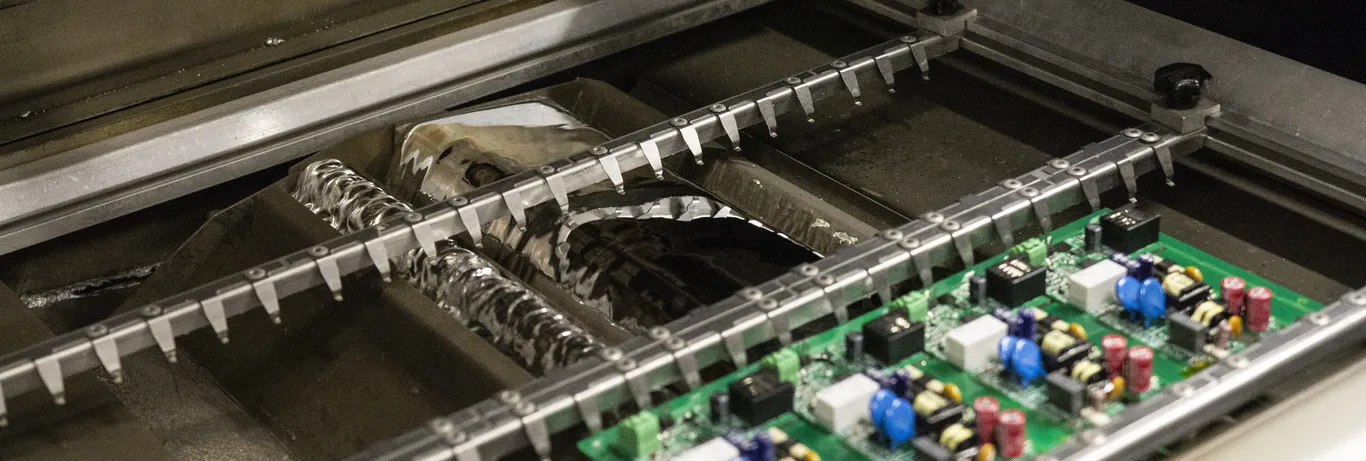
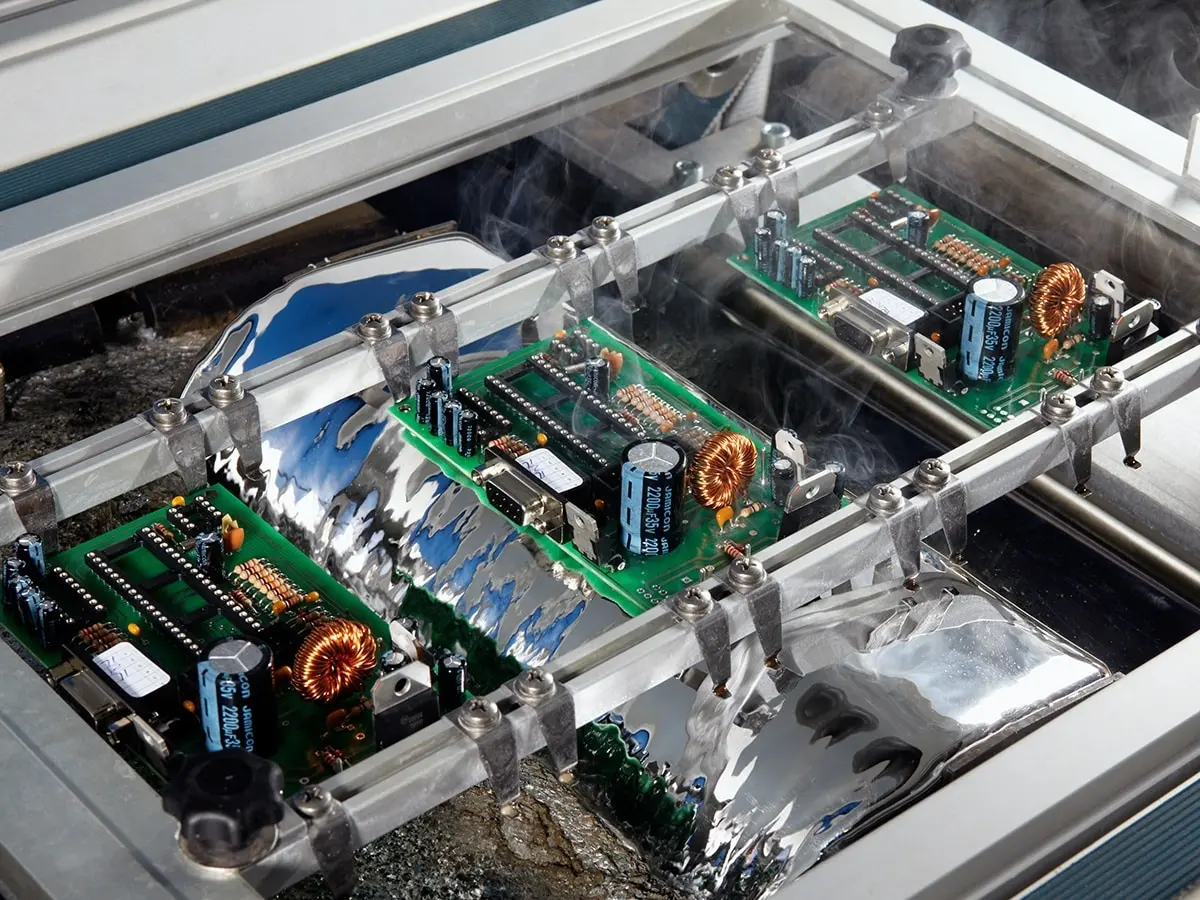
The primary application scenario for vertical curing ovens is the electronics and information industry. In processes such as PCB board manufacturing, Mini LED packaging, and semiconductor device manufacturing, they undertake the critical tasks of adhesive curing and coating hardening. Their vertically stacked chamber design enables simultaneous curing of multiple layers of products and ensures that the temperature uniformity within the oven is controlled within ±3℃ through independent temperature control zones and circulating air ducts, effectively preventing performance degradation of electronic components due to uneven heating. Simultaneously, the equipment can seamlessly integrate with automated production lines, completing automatic loading and unloading, and real-time monitoring and adjustment of curing parameters, meeting the large-scale, high-precision production needs of 3C products.
In the fields of new energy and photovoltaics, vertical curing ovens also play an irreplaceable role. The cross-linking and curing of EVA films for photovoltaic modules and the drying and curing of lithium-ion battery electrode materials both place stringent requirements on temperature stability and cleanliness. Vertical curing ovens, employing a sealed chamber and a high-efficiency filtration system, create a dust-free and oxygen-free curing environment, preventing issues like bubbles and delamination in photovoltaic modules. For lithium-ion battery production, their precise temperature rise curve control enhances electrode material adhesion, extends battery cycle life, and contributes to performance upgrades in new energy products.
Automotive parts and new material processing are also important applications of vertical curing ovens. The coating curing of automotive headlight reflectors and the shaping and curing of carbon fiber composites require prolonged constant temperature environments and uniform heating conditions. The modular design of vertical curing ovens allows for customized chamber specifications based on component dimensions. Combined with a heat recovery system, this ensures curing effectiveness while reducing energy consumption. Their intelligent control system can store multiple sets of curing process parameters, enabling one-click switching of production plans to adapt to the diverse, small-batch production models of the automotive manufacturing industry.
Furthermore, in high-end manufacturing fields such as medical devices and aerospace, vertical curing ovens, with their advantages of high cleanliness and high reliability, provide stable guarantees for the curing of coatings on artificial joints and adhesives for precision aerospace components.
From electronic components to new energy equipment, from automotive parts to aerospace devices, the applications of vertical curing ovens are constantly expanding their boundaries. With the deepening of Industry 4.0, intelligent vertical curing ovens integrating the Internet of Things and AI algorithms are developing towards greater precision, energy efficiency, and flexibility, injecting strong momentum into the upgrading of high-end manufacturing industries.