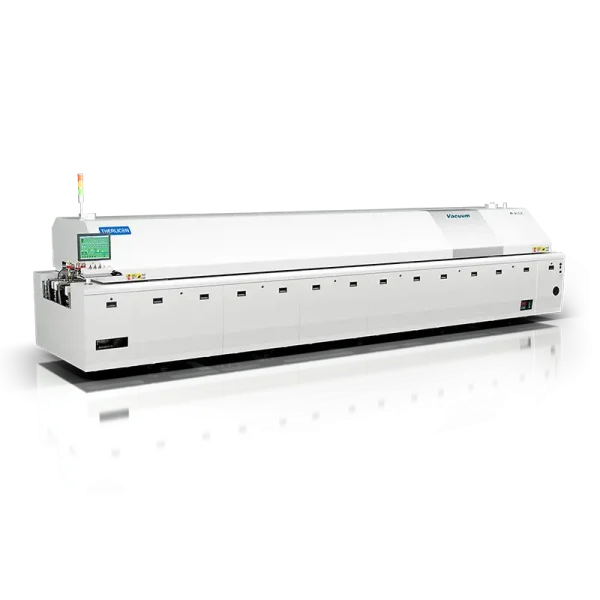

In modern industrial manufacturing, especially in sectors like electronics, coatings, composites, and adhesives, the curing process is a critical step that ensures materials achieve their desired final properties. Among the various equipment designed for this purpose, the vertical curing oven stands out for its efficiency, space-saving design, and precise performance. This article explores what a vertical curing oven is, how it works, and its key applications and benefits.
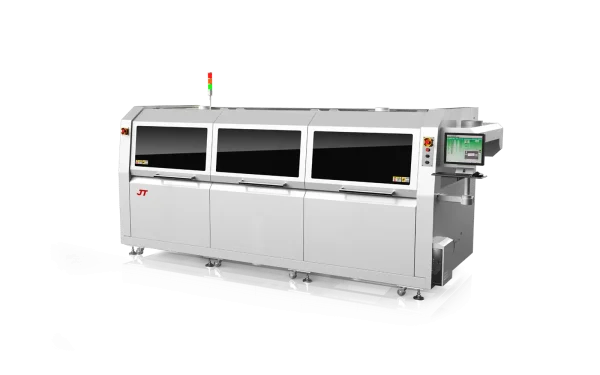
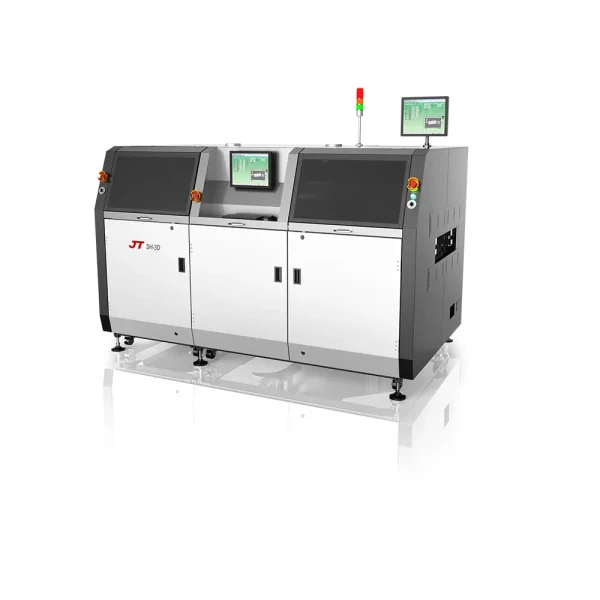
A vertical curing oven is a specialized industrial oven used to cure, dry, or heat-treat products by exposing them to controlled high temperatures. Unlike horizontal or conveyor-style ovens, a vertical curing oven is designed with a vertical chamber, meaning products are typically loaded and unloaded from the top or bottom. This vertical orientation optimizes floor space and often facilitates better heat distribution and process consistency.
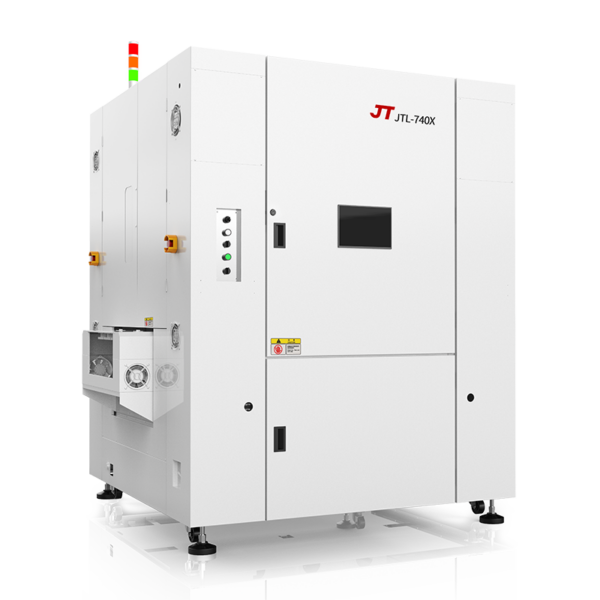
The oven operates by generating and circulating hot air within an insulated chamber. Temperature, airflow, and time are precisely controlled via a digital system to meet specific curing requirements. Depending on the application, these ovens may use electric, gas, or infrared heating elements. Advanced models feature programmable logic controllers (PLCs), touch-screen interfaces, and data logging capabilities to ensure repeatability and quality control.
Key features often include:
-
Uniform airflow design for consistent temperature distribution.
-
Robust insulation to minimize heat loss and improve energy efficiency.
-
Safety systems such as over-temperature protection and exhaust ventilation.
-
Customizable shelving, racks, or baskets to hold various product types.
Vertical curing ovens are widely used across multiple industries due to their versatility. Common applications include:
-
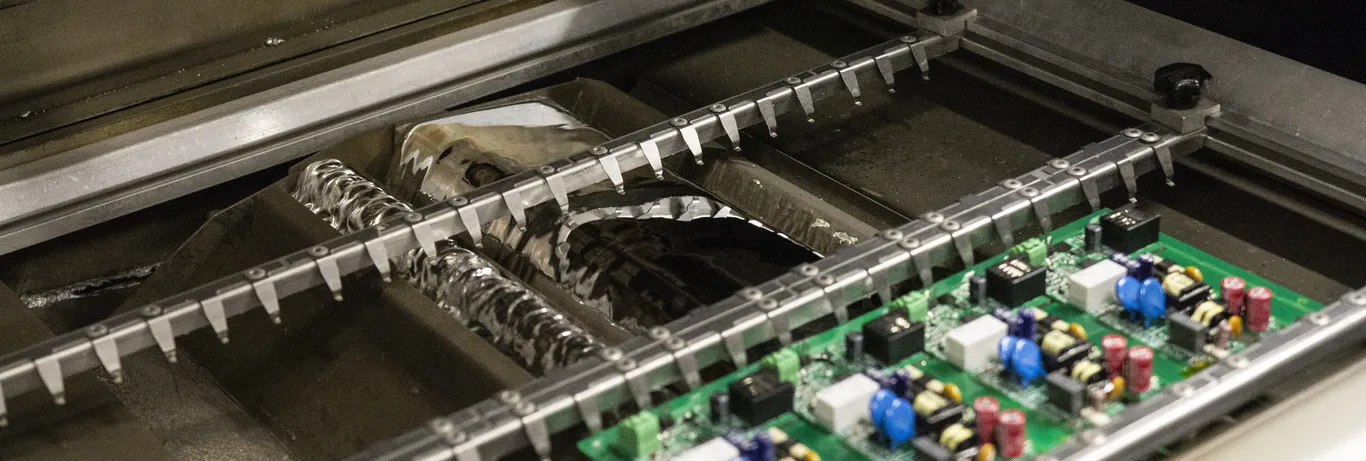
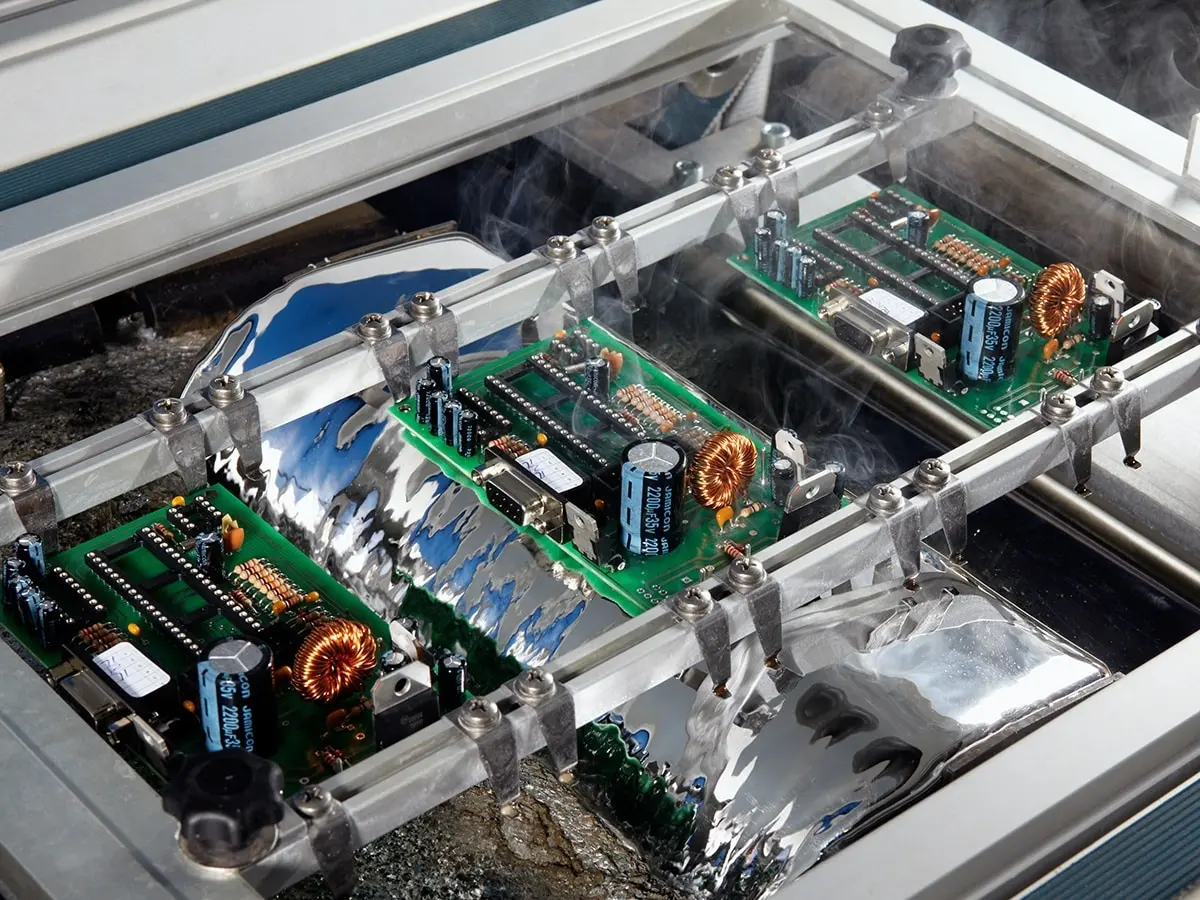
Electronics Manufacturing: Curing conformal coatings, encapsulants, or adhesives on circuit boards and components.
-
Automotive and Aerospace: Curing composite materials, coatings, or bonded parts.
-
Research and Development: Testing material performance under controlled thermal conditions.
-
General Industrial Processing: Drying paints, powders, or finishes on metal, plastic, or ceramic products.
The vertical design offers several advantages:
-
Space Efficiency: Ideal for facilities with limited floor space, as the footprint is compact.
-
Enhanced Process Control: Vertical airflow can reduce temperature stratification, leading to more uniform curing.
-
Energy Savings: Improved insulation and efficient heating systems lower operational costs.
-
Flexibility: Can be customized for batch processing of diverse products, from small parts to large assemblies.
When selecting a vertical curing oven, factors to consider include temperature range, chamber size, heating method, control system sophistication, and compliance with industry standards (e.g., UL, CE). Proper maintenance, such as regular calibration and filter replacement, is essential for long-term reliability.
In summary, a vertical curing oven is a vital piece of equipment for industries that require precise, efficient, and consistent thermal processing. Its vertical configuration not only saves valuable production space but also delivers reliable performance for a wide range of curing applications. As manufacturing demands evolve, these ovens continue to advance, integrating smarter controls and sustainable features to meet the needs of modern industry.