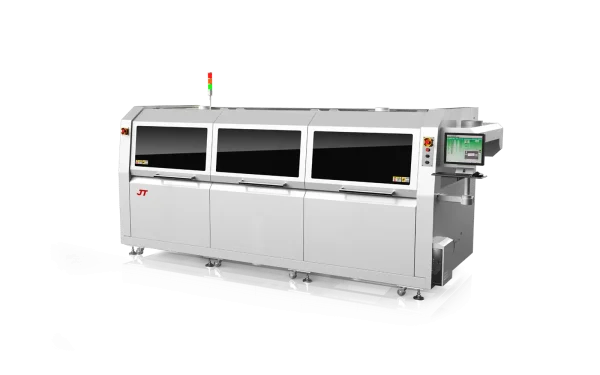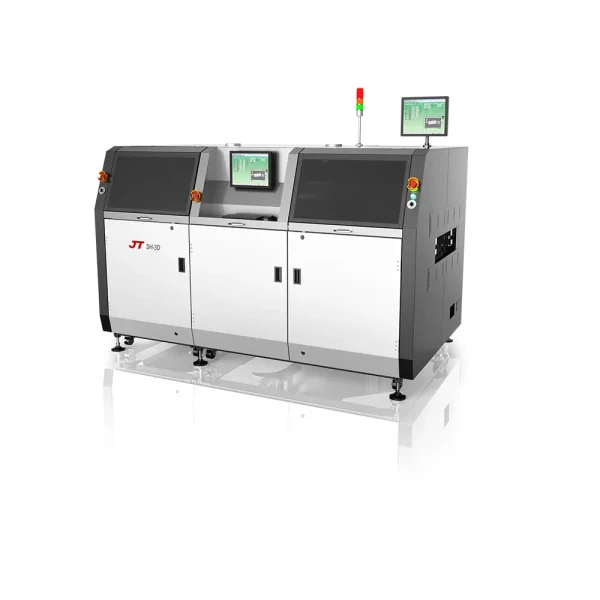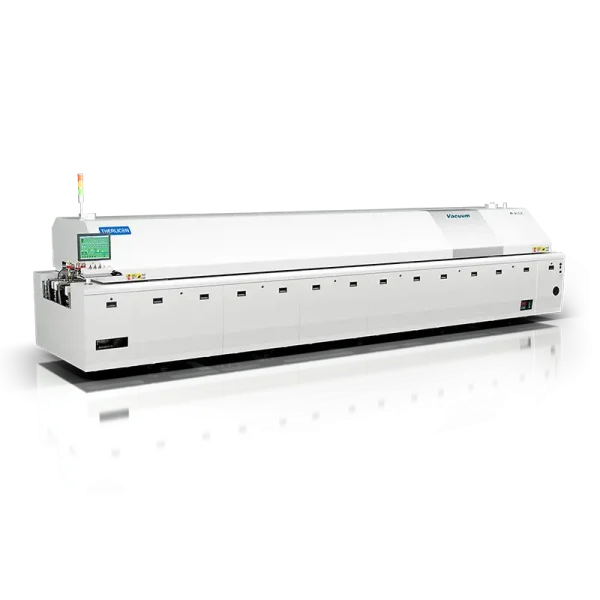

Wave soldering, while efficient for large-scale production, often presents a set of challenges primarily embodied in soldering defects. Understanding these defects, their origins, and remediation techniques is crucial for optimizing manufacturing reliability.Here, JT outlines them for you one by one.
1. Bridges
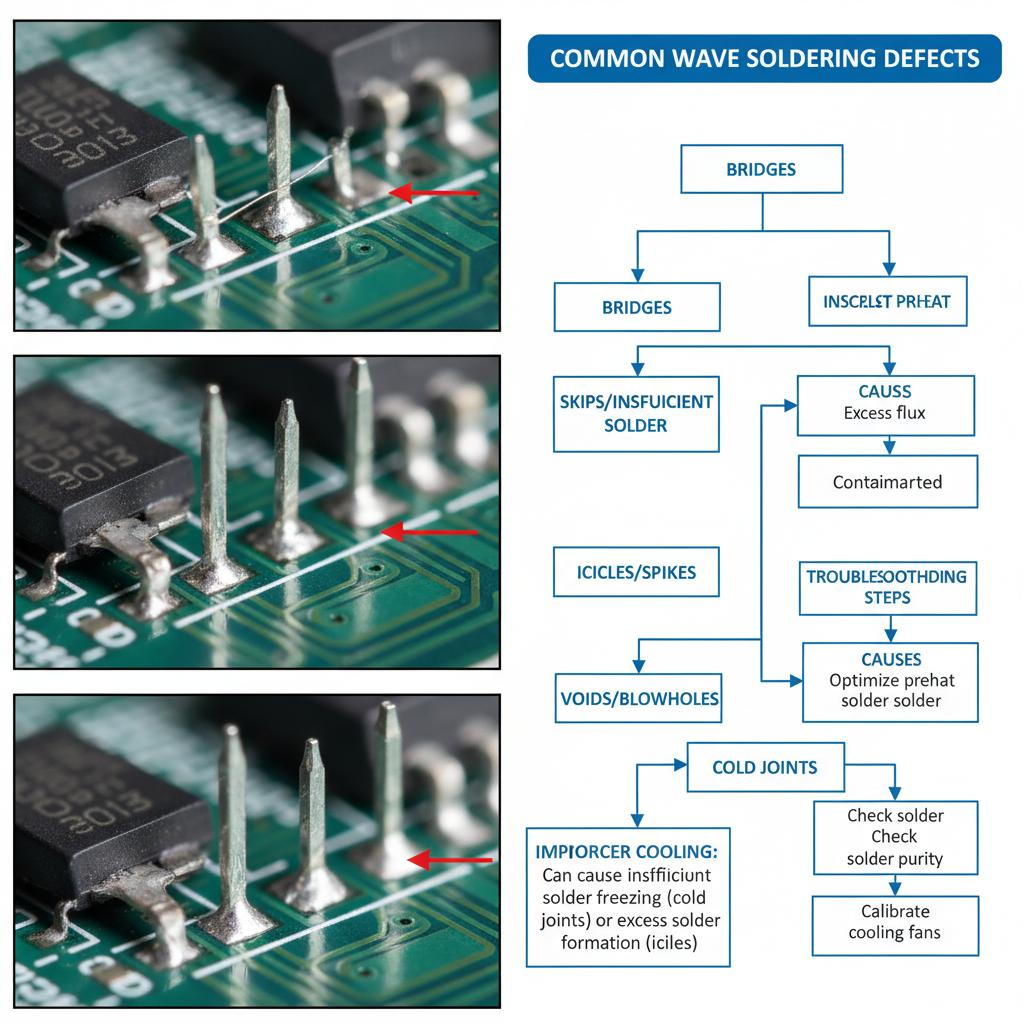
Visual Characteristics: Unintended solder linking component leads.
Probable Causes: Incorrect conveyor angle, excessive solder temperature, or poor flux application.
Troubleshooting: Adjust conveyor angle to ensure proper lead separation, fine-tune solder temperature settings, and verify flux adequacy.
For further reading on preventing solder bridging, check out our Comprehensive Guide to Preventing Solder Bridging in Wave Soldering.
2. Skips
Visual Characteristics: Non-soldered pads or tracks left bare.
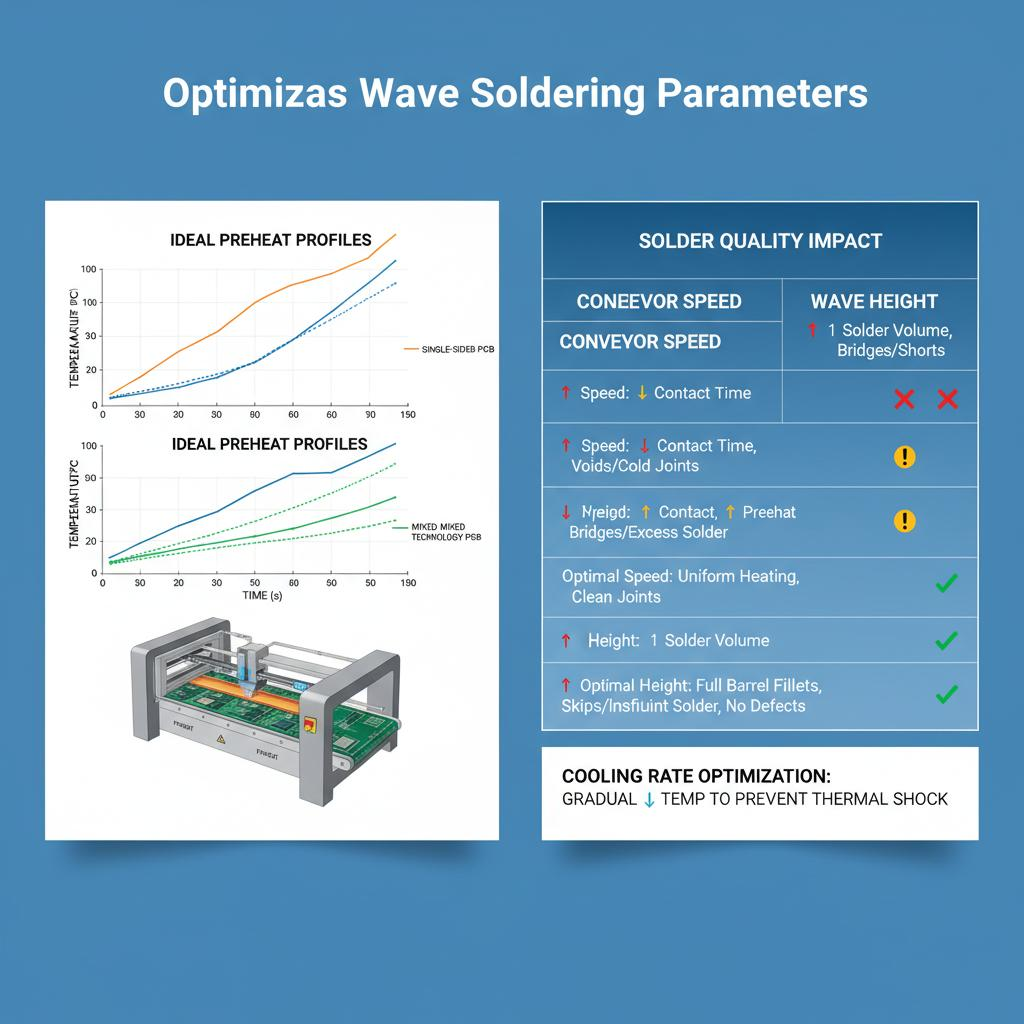
Probable Causes: Insufficient fluxing, low preheat temperature, uneven solder wave height.
Troubleshooting: Ensure thorough flux application, calibrate preheat settings, and maintain consistent wave height.
Improper cooling rates significantly contribute to defects such as voids and cold joints due to uneven solidification. Careful adjustment of cooling mechanisms, promoting uniform heat dissipation across components, can mitigate these issues.
Troubleshooting Flowchart
Defect Identification: Visual inspection reveals defects.
Initial Check: Confirm proper settings for machine parameters (temperature, wave height).
Detailed Cause Analysis: Assess flux quality, conveyor speed, solder compositions.
Systematic Adjustment: Methodical tweaking based on defect type.
Result Verification: Re-inspect for defect resolution, iterate if necessary.
Quality Control and Inspection in Wave Soldering: Ensuring Reliability
In the realm of electronics manufacturing, where precision and reliability are paramount, robust quality control during the wave soldering process is not merely a best practice but a necessity. Ensuring the integrity of solder joints starts with meticulous inspection methods and adheres to stringent industry standards.
Maintenance and Calibration of Wave Soldering Machines
Maintaining and calibrating wave soldering machines is pivotal in ensuring optimal performance, extending their lifespan, and minimizing operational costs. Routine and periodic maintenance encompass cleaning, lubrication, and calibration tasks, which are essential to prevent downtime and ensure the quality of soldering operations.
Routine Maintenance Tasks
Begin with daily cleaning of the solder pot to prevent the buildup of oxidation by-products that can affect solder quality and machine efficiency. Regularly inspect and clean the fluxer and preheater; these areas accumulate residues that can lead to uneven heat distribution and flux application.
Lubrication of moving parts is also crucial. Ensure that conveyor components and other mechanical parts are regularly lubricated to avoid wear and tear, reducing the risk of breakdowns. For more guidance on maintaining conveyor components, you might find our guide to SMT conveyor belt replacement helpful.
Wave Soldering vs. Reflow Soldering: A Comparative Analysis
Wave soldering and reflow soldering are two fundamental techniques in electronics manufacturing, each with unique principles and applications. Understanding the differences between these methods provides critical insights into optimizing PCB assembly processes.
Principles and Suitable Applications
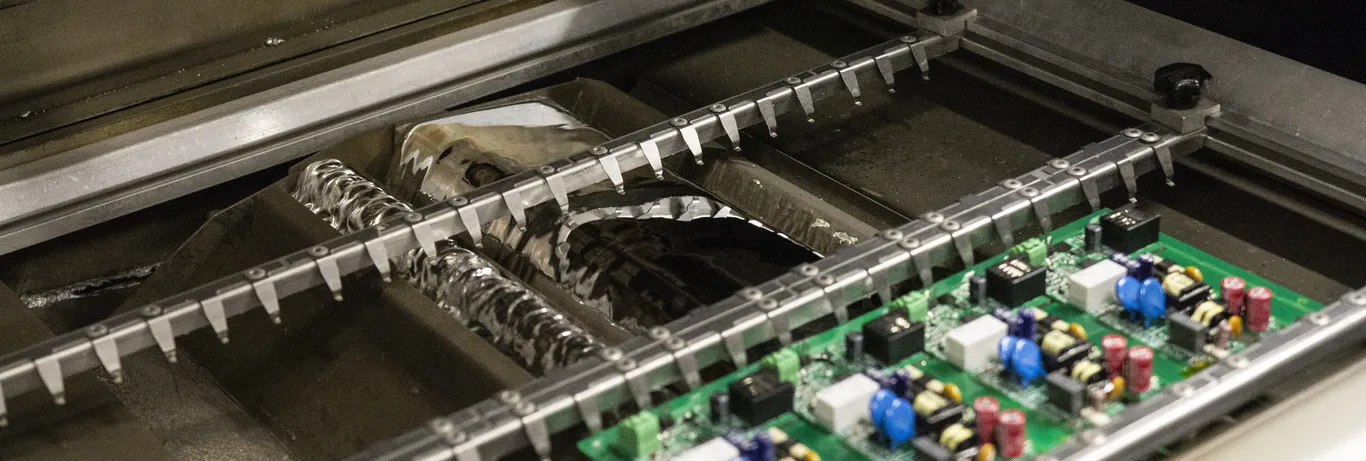
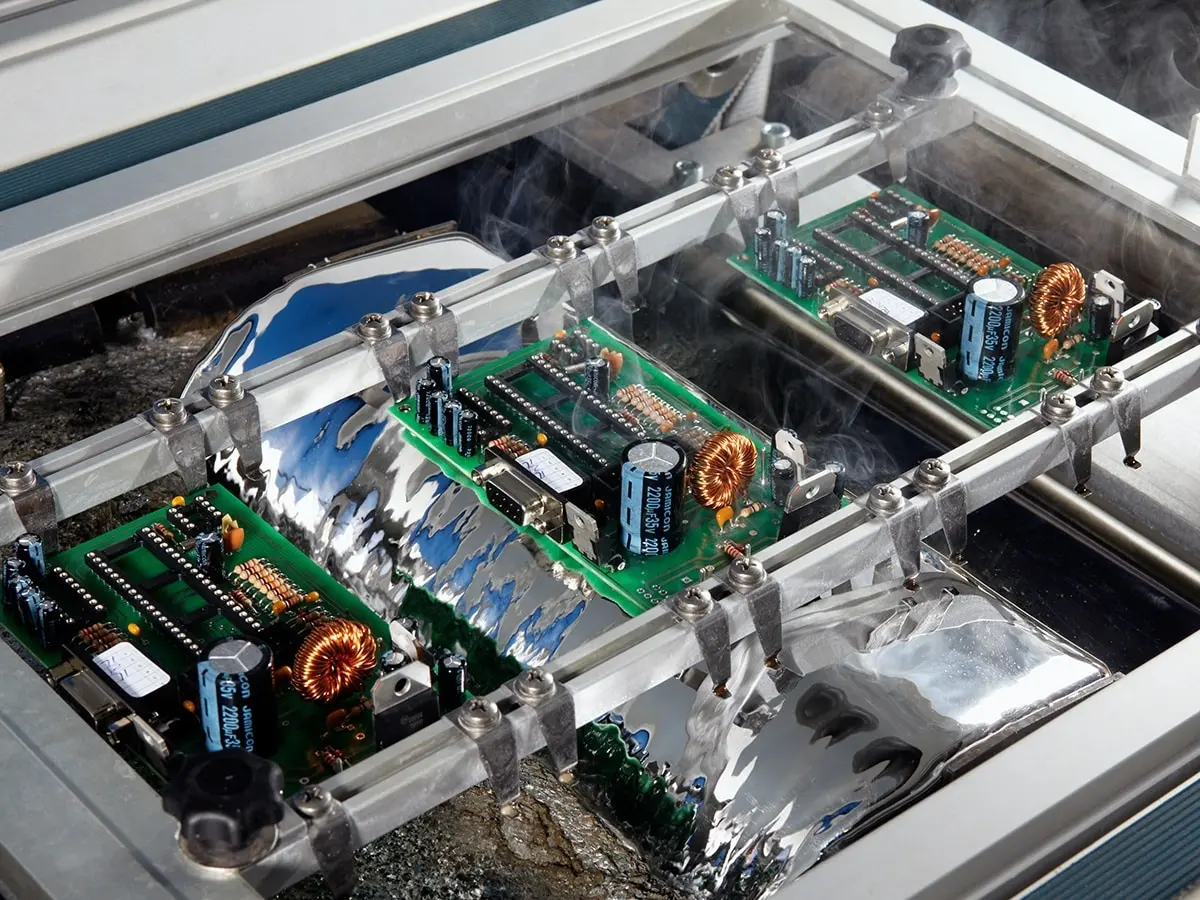
Wave soldering involves the process of passing PCBs over a wave of molten solder, primarily used for through-hole components. Reflow soldering, in contrast, utilizes heat to melt solder paste on the PCB, which is ideal for Surface Mount Devices (SMDs). Both methods can accommodate mixed technology boards. For an in-depth look at the reflow process, see A Comprehensive Guide To The SMT Reflow Oven Process.
Advantages and Disadvantages
Wave soldering is advantageous for high-volume production and its suitability for large, complex through-hole components. However, it faces challenges with miniaturization and precision compared to reflow soldering, which efficiently supports fine-pitch components and complex geometries.
The disadvantages of wave soldering include potential thermal stress and difficulty in handling SMDs without extra fixtures, while reflow soldering requires precise thermal profiling and control.
Equipment and Process Complexity
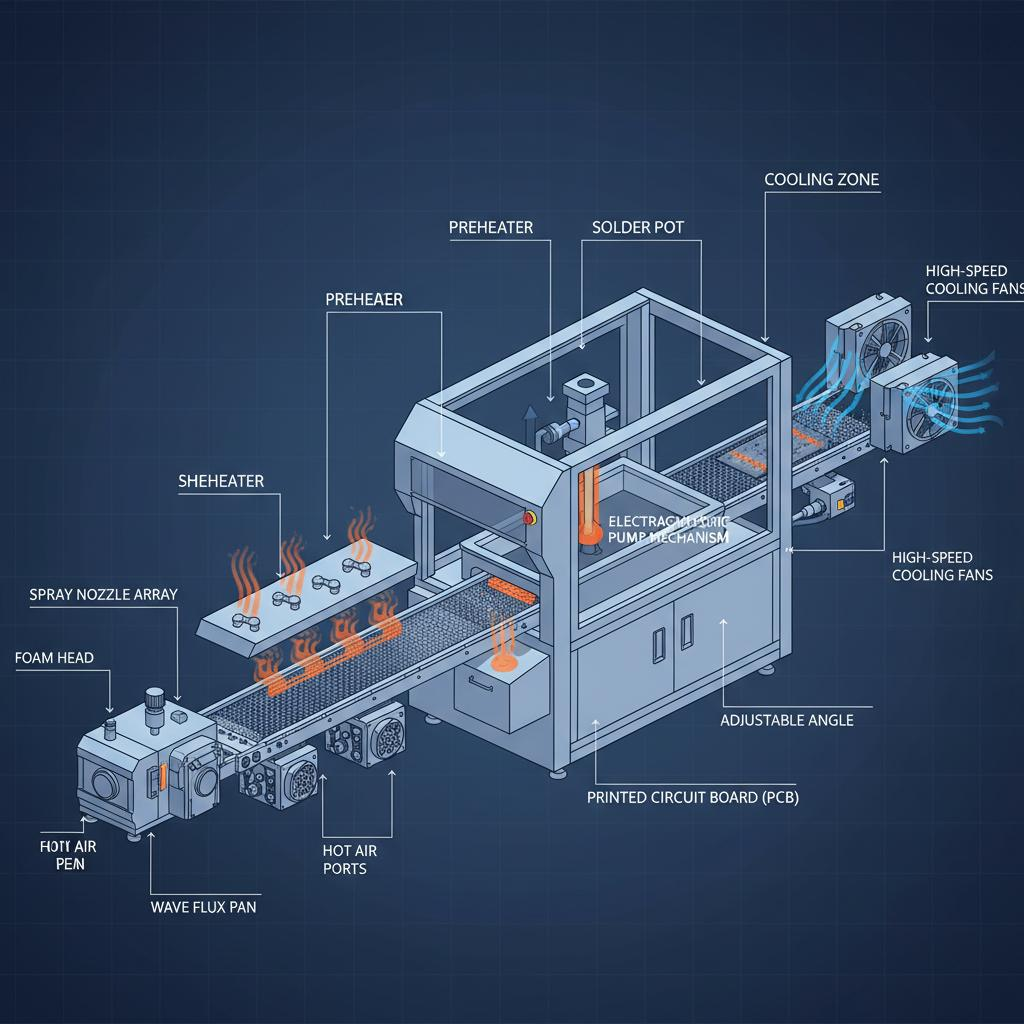
Wave soldering machines comprise fluxing, preheating, soldering, and cooling stages, which require consistent calibration for optimal results. Reflow soldering equipment, including reflow ovens, demands fine temperature control across multiple zones. To understand the critical role of equipment in soldering, refer to Wave Soldering Operation Guide.
The complexity of the wave soldering process lies in managing board orientation and solder coverage. Reflow soldering, while seemingly straightforward, involves intricate thermal profiling, where cooling rates significantly affect solder joint quality.
Typical Defects and Troubleshooting
Wave soldering defects often involve solder bridges, non-wetting, and icicles. Reflow soldering may encounter tombstoning or insufficient solder flow. Effective troubleshooting requires understanding the root causes, often tied to equipment calibration, flux quality, or temperature settings. For tips on preventing defects, see A Comprehensive Guide To Preventing Solder Bridging In Wave Soldering.
Cost Implications and Production Volumes
Considering cost, wave soldering is typically cheaper for high-volume runs due to its efficiency in handling multiple boards simultaneously. For lower volumes, reflow soldering may be more cost-effective because it provides better control and quality for intricate SMD assemblies.
The above information outlines wave soldering defects; understanding these defects, along with their causes and remedial measures, is crucial for optimizing manufacturing reliability.