
Traditionally, reflow soldering is regarded as the core process for surface mount devices (SMDs), while through-hole components rely on wave soldering or manual welding. However, with the upgrading of hybrid PCB assembly technology, through-hole reflow (THR) soldering, also known as pin-in-paste technology, has become mature. The answer is definite: through-hole components can be processed by reflow soldering under standardized technological control.
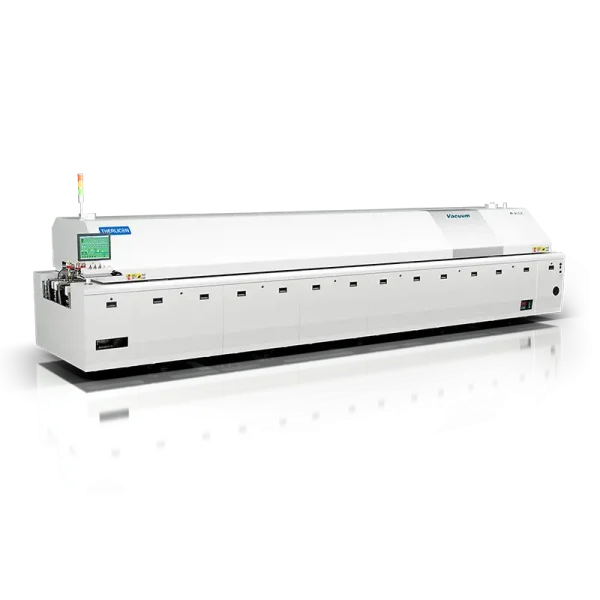
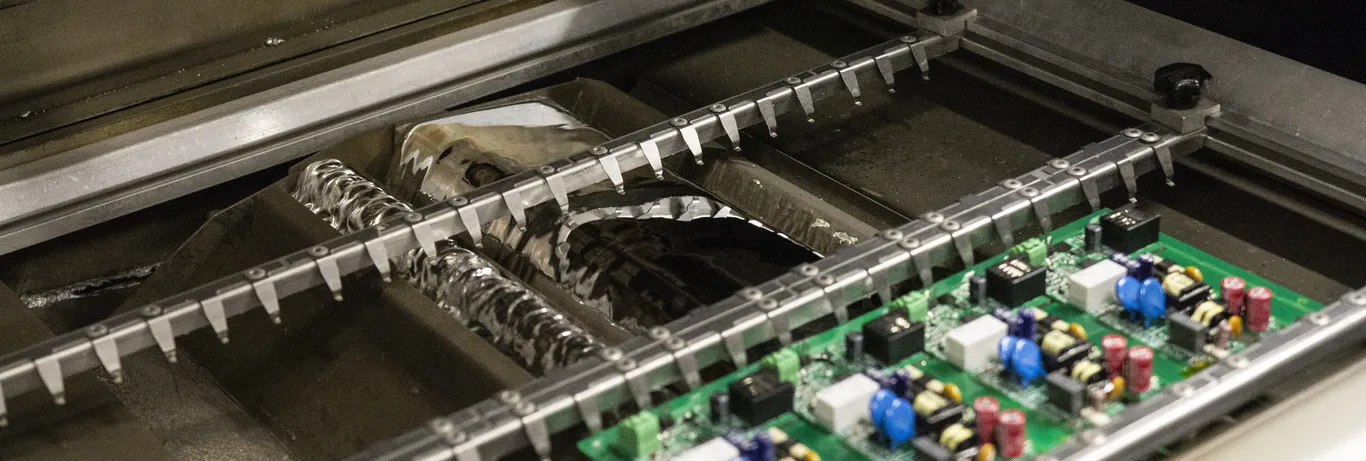
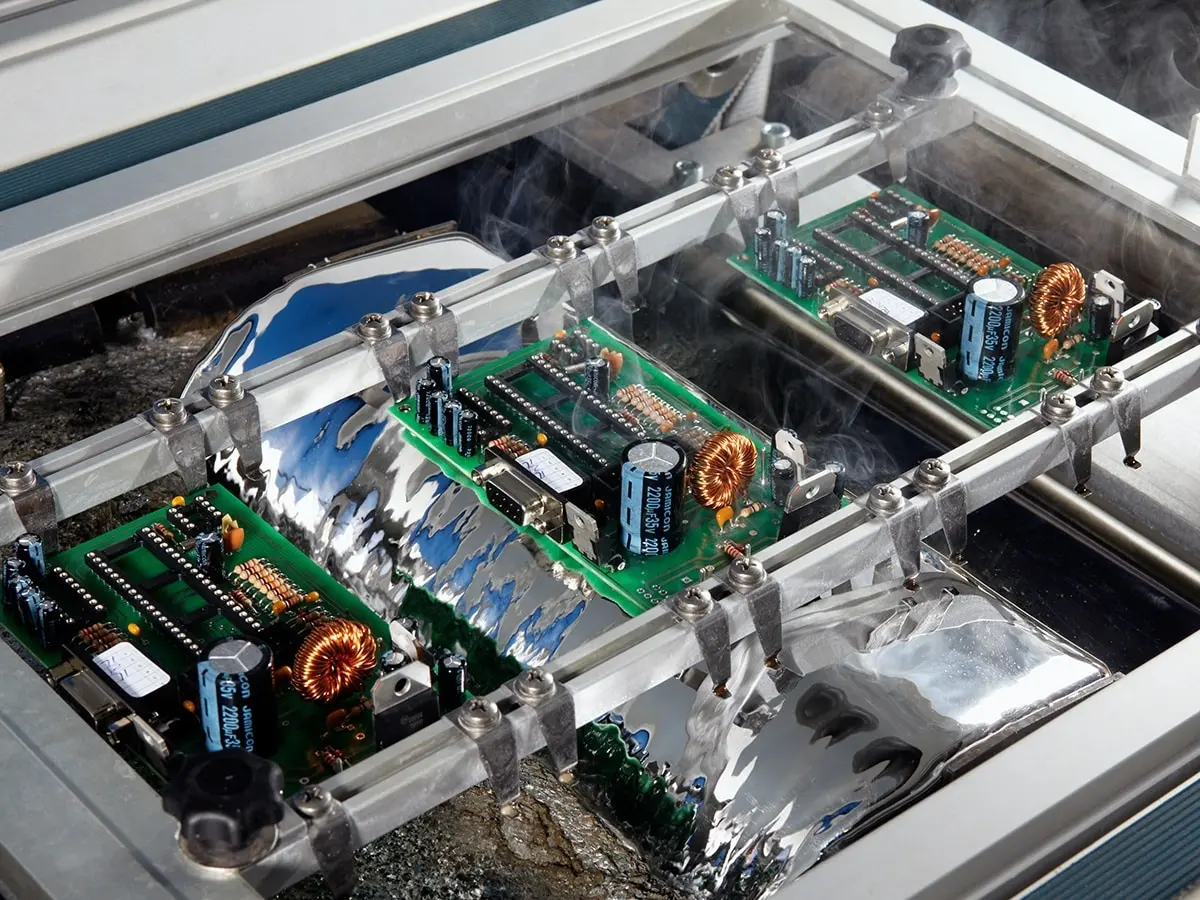
Through-hole reflow soldering is a hybrid manufacturing process that integrates SMT and through-hole technology. Different from conventional procedures, this method prints sufficient solder paste on through-hole pads and inner plated holes in advance. After inserting through-hole component pins accurately, the PCB board passes through the reflow oven. Under precise temperature profiling, the solder paste melts evenly, fills the holes, and forms firm, conductive solder joints after cooling. This process enables one-time soldering for both SMD and through-hole components on the same production line.
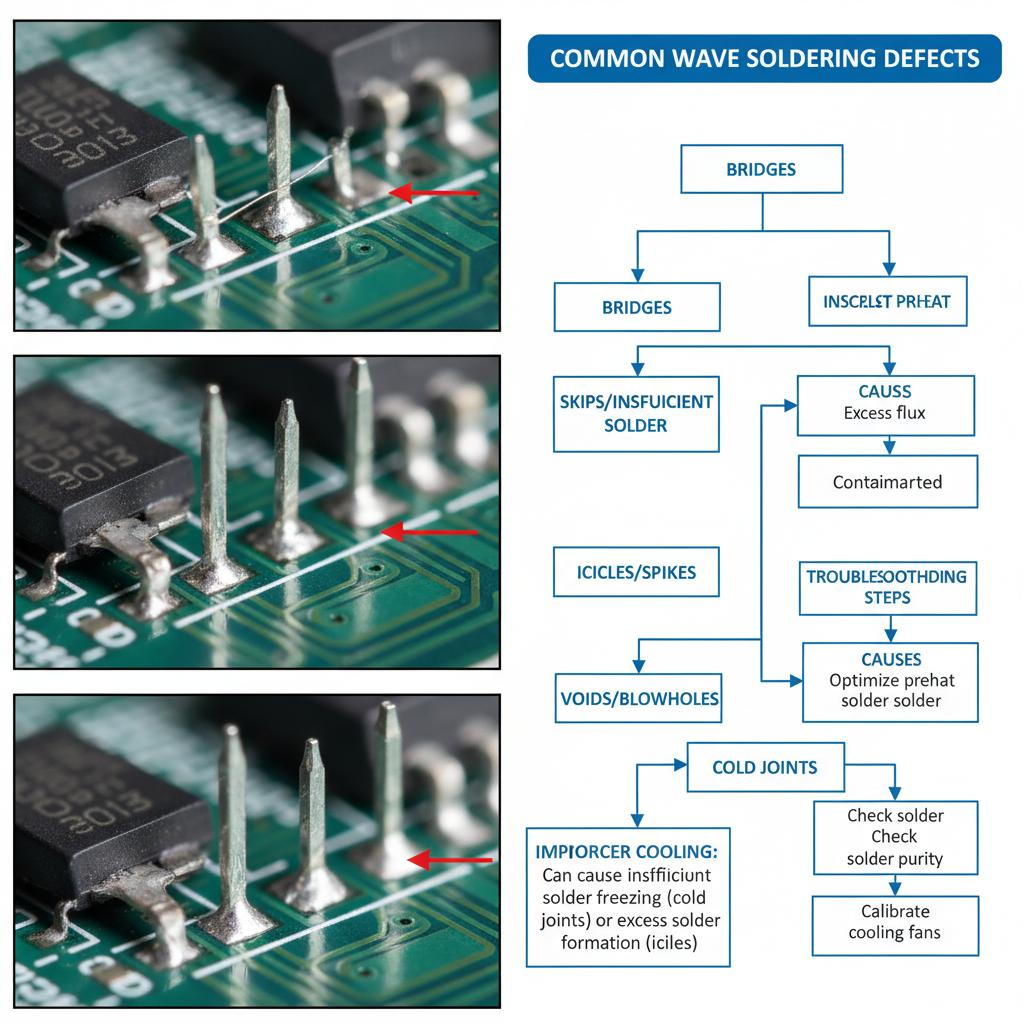
This innovative technology brings prominent advantages to electronic manufacturing. First, it simplifies the production flow effectively. It eliminates the need for separate wave soldering equipment and manual soldering stations, reducing production procedures, saving factory space, and improving overall automation efficiency. Second, it ensures consistent welding quality. Compared with wave soldering that easily causes uneven tin coating and excessive solder waste, reflow soldering delivers stable solder quantity, fewer defects such as bridging and missing solder, and higher finished product yield.
Nevertheless, through-hole reflow soldering has strict application limitations and cannot replace wave soldering in all scenarios. The primary restriction lies in component heat resistance. Standard reflow temperature peaks at 230℃ to 260℃. Ordinary low-grade through-hole components with plastic shells, electrolytic capacitors, and sensitive connectors cannot withstand high temperatures, which will lead to deformation, component damage or performance failure. In addition, thick pins and large-sized through-hole parts require massive solder paste filling, raising challenges for stencil design and printing precision.
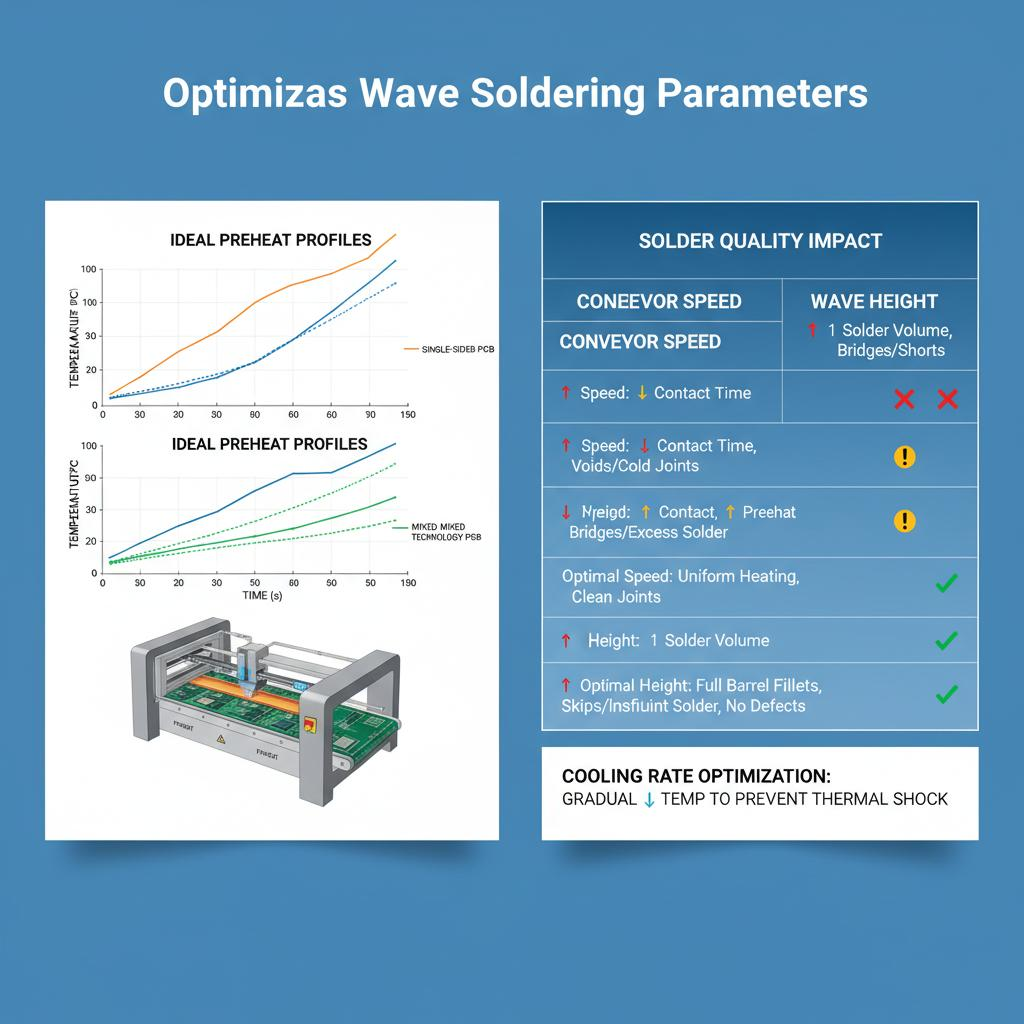
To achieve qualified THR welding results, standardized process parameters are essential. Manufacturers must adopt thickened and customized stencils to ensure adequate solder paste deposition. Meanwhile, a tailored temperature profile is required to avoid rapid temperature rise, prevent component thermal shock, and guarantee complete solder melting and wetting. High-precision pin insertion is also necessary to avoid offset and plugging defects.
In conclusion, through-hole components are fully compatible with reflow soldering through mature pin-in-paste THR technology. It is an efficient and high-quality solution for hybrid circuit board production. Yet manufacturers must select processes rationally: heat-resistant small and medium-sized through-hole parts suit reflow soldering, while heat-sensitive and large heavy components still prefer traditional wave soldering. Balancing process feasibility and component adaptability is the key to stable mass production.