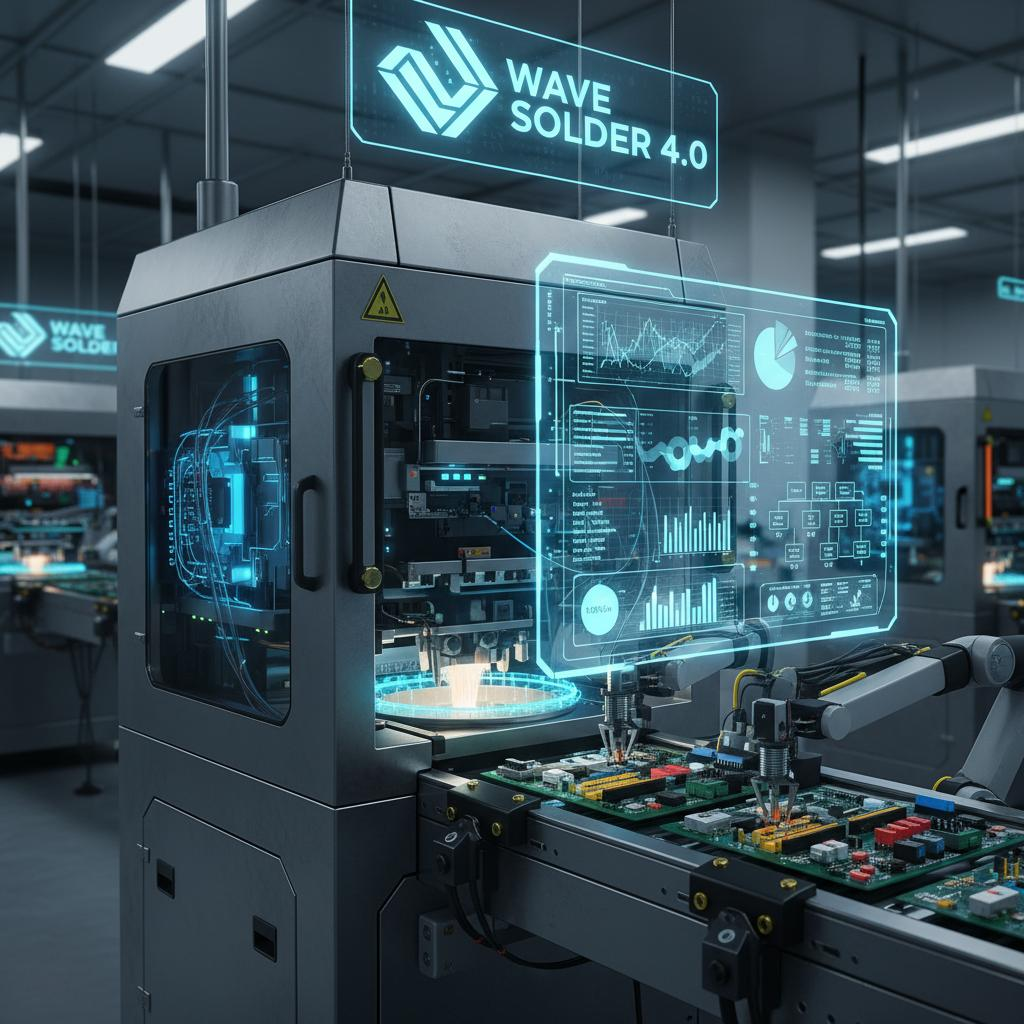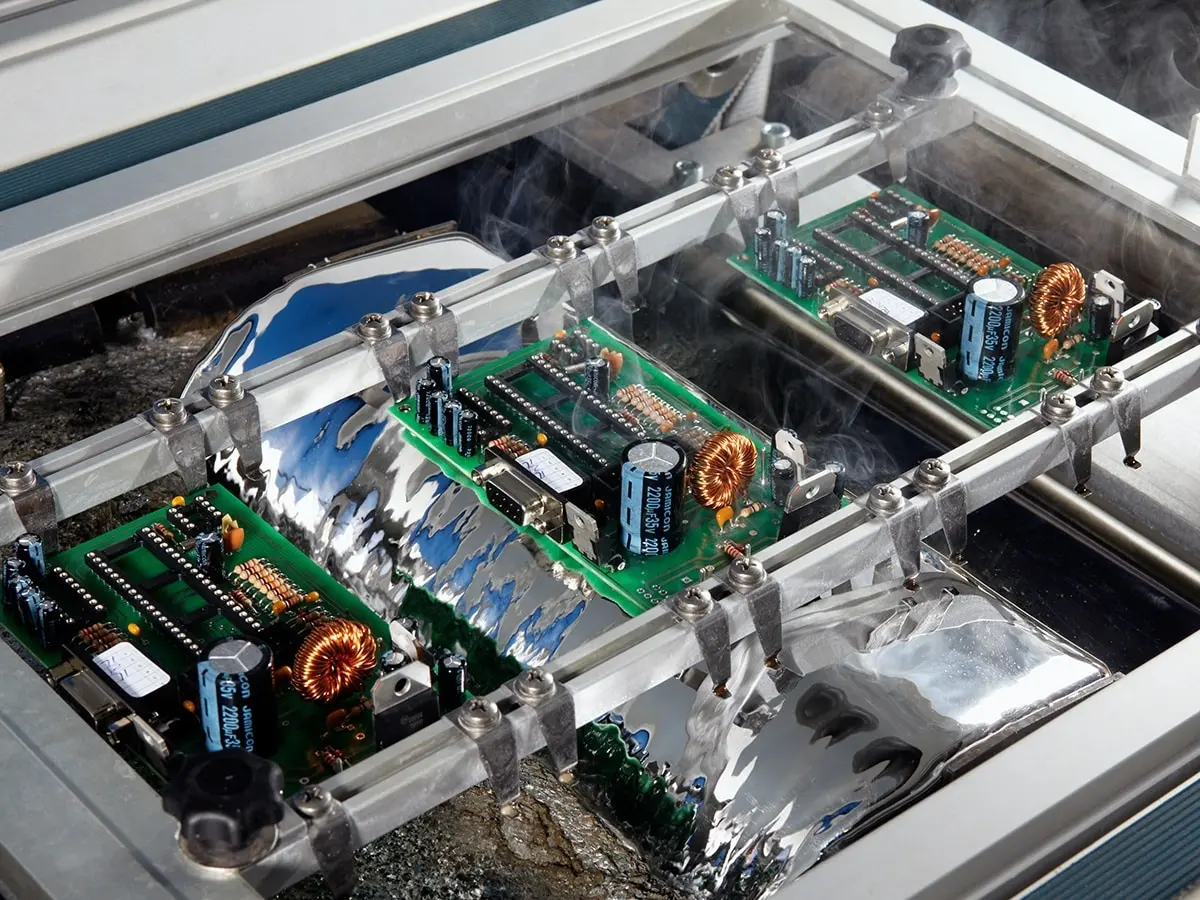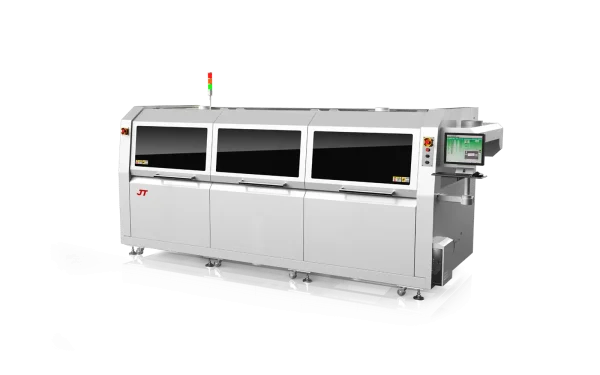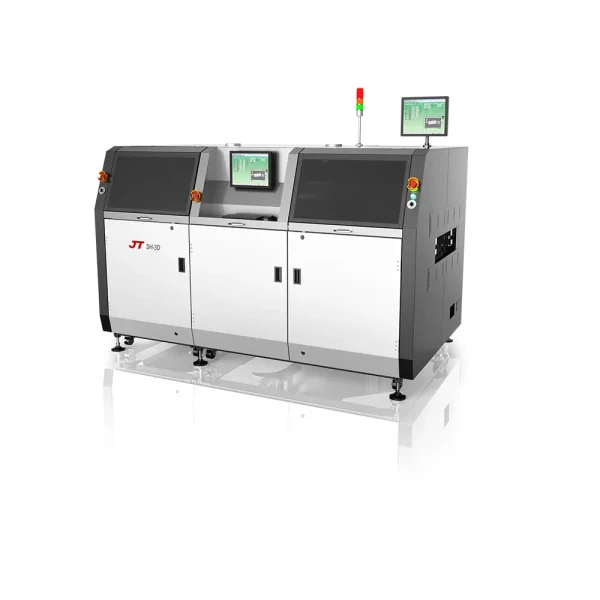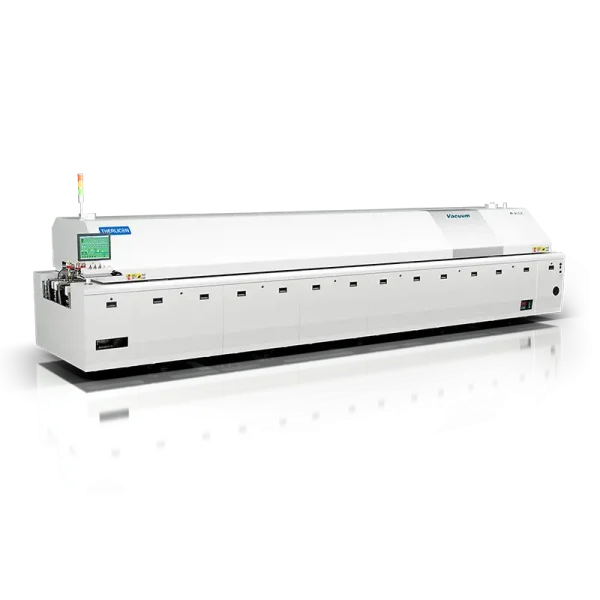

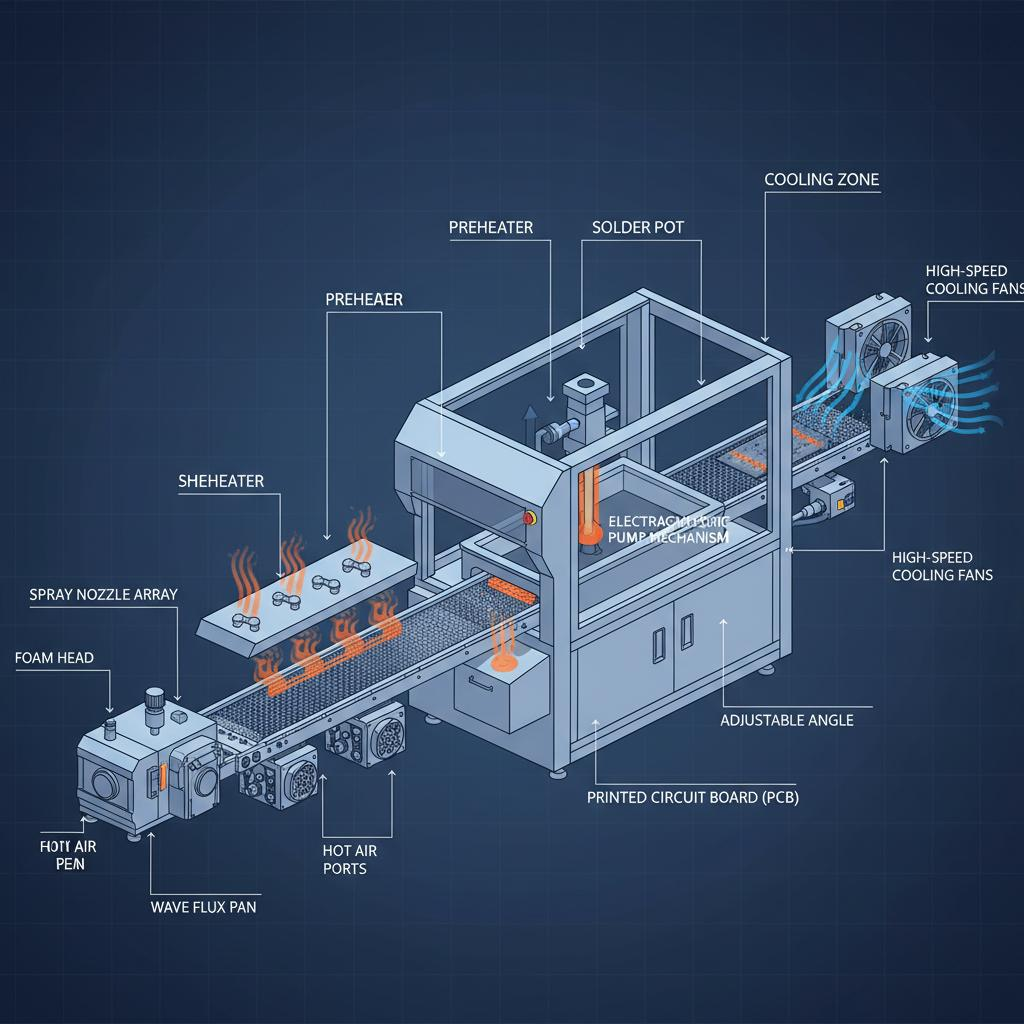
Wave soldering machines are intricate assemblies designed to efficiently solder electronic components onto PCBs using waves of molten solder. Understanding the anatomy and function of these machines’ key components is fundamental for optimizing performance and ensuring high-quality outcomes in PCB assembly.In the following section, JT will introduce the key components of the wave soldering machine: their structure and functions.
Fluxer
The fluxer is a crucial component for ensuring a clean and receptive PCB surface prior to soldering. This subsystem can employ spray, foam, or wave mechanisms to apply flux evenly onto the PCB.
Spray fluxer utilizes fine mist to cover larger areas uniformly, enhancing efficiency.
Foam fluxer generates a foam barrier on the PCB to reduce oxidation risks.
Wave fluxer provides targeted application with increased control.
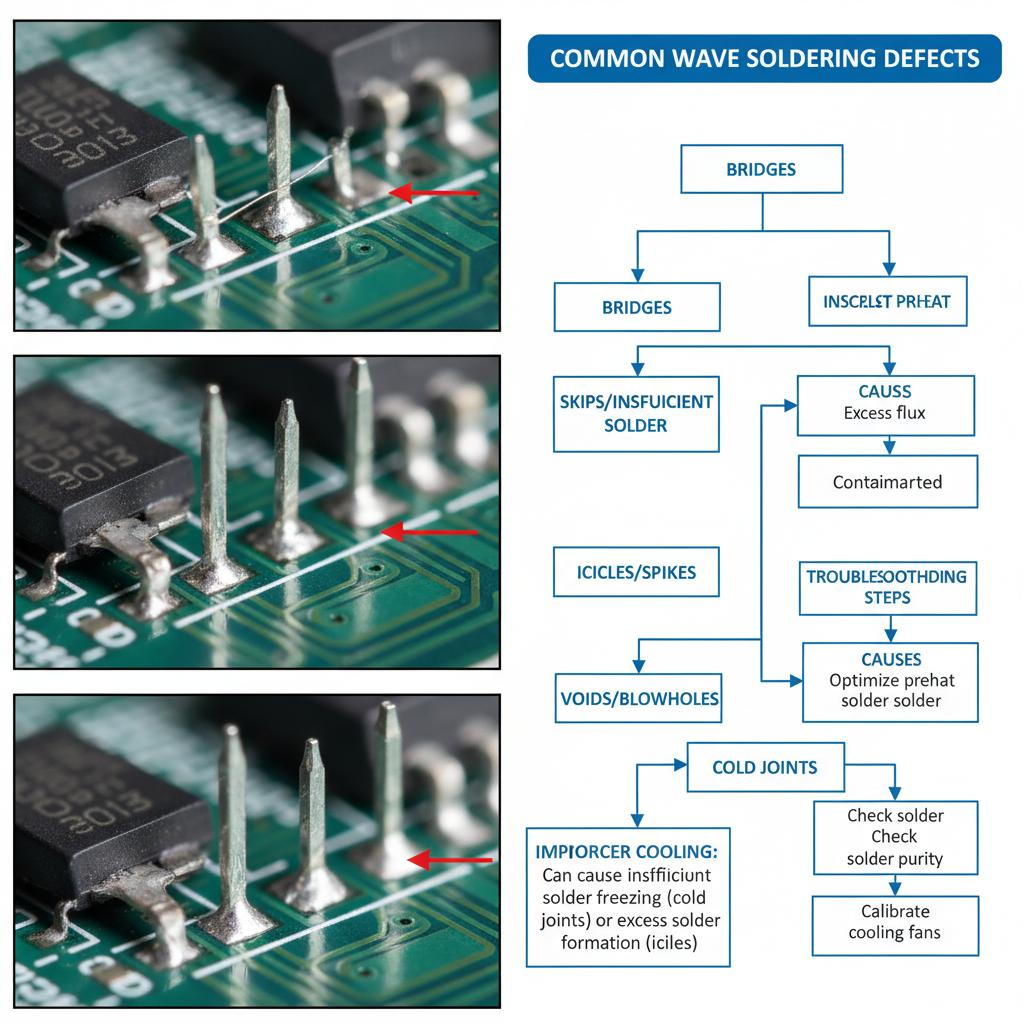
The fluxer enhances solder wetting and helps prevent defects such as unwanted bridging and solder skips, making it indispensable for reliable solder adhesion.
Preheater
The preheater component serves to elevate the PCB temperature before it encounters the wave of molten solder, facilitating improved solder flow and adhesion. The preheater can harness infrared (IR), convection, or hot air technologies:
IR preheating quickly radiates heat to the PCB surface.
Convection preheating provides uniform heating across the board.
Hot air preheaters allow for controlled and adjustable temperature.
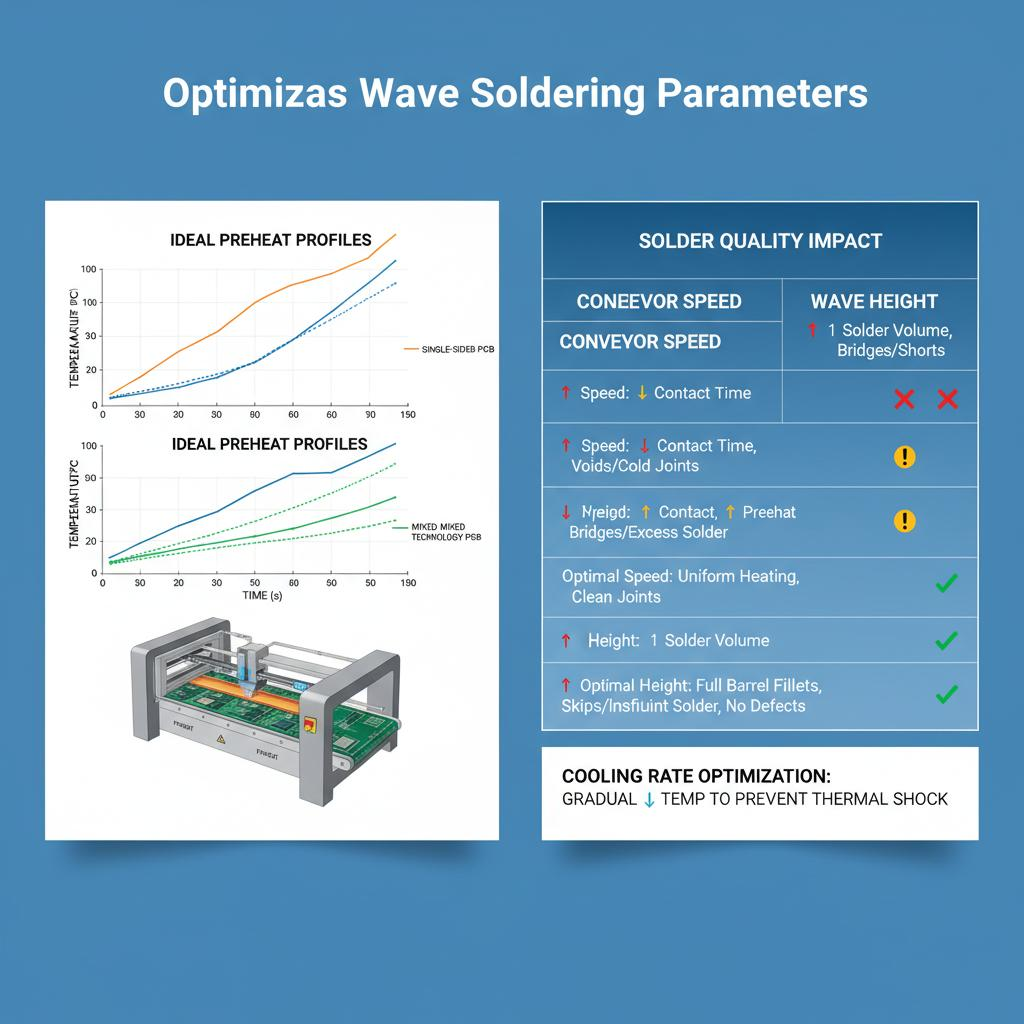
Proper preheating minimizes the thermal shock experienced by components, reducing stress and enhancing solder joint integrity.
Solder Pot
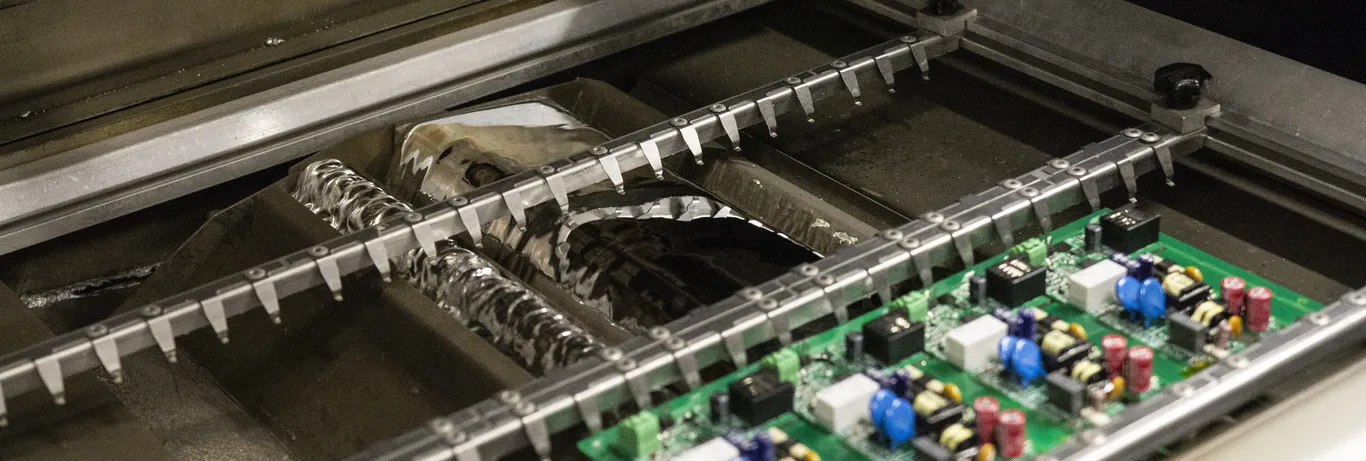
The solder pot is the heart of the wave soldering machine, where solder is melted and maintained at an optimal temperature. Key features include:
Pump mechanism facilitates the movement of molten solder, creating consistent waves.
Heater ensures solder remains in its molten state for effective soldering.
Dross removal handles accumulated impurities that can adversely affect solder quality.
Maintaining a consistent wave and ensuring purity in the solder through efficient dross removal are critical for high-quality, defect-free solder joints.
Conveyor System
The conveyor system controls the movement of PCBs through various stages of soldering:
Angle and speed determine the rate at which boards are exposed to solder waves and influence solder penetration and exposure time.
Precision in conveyor operation ensures optimized contact time and proper heat dissipation, both crucial for quality soldering.
Cooling Zone
The cooling zone solidifies the solder once the PCB exits the solder pot. Rapid and controlled cooling is essential:
Cooling fan systems help in achieving desired cooling rates, which are crucial for forming strong solder bonds.
Efficient cooling prevents thermal stress and warping, which can compromise the integrity of solder joints.
Integrating visual aids like detailed diagrams can greatly enhance understanding of these components. Consider embedding product-specific case studies to illustrate these functionalities in practice, thereby turning theoretical insights into tangible benefits.
For deeper technical exploration, the differences between wave and reflow soldering, particularly concerning cooling rates and production volume cost comparisons, can aid in decision-making for electronics manufacturers, providing the practical guidance industry professionals need to optimize their soldering operations.In this article, JT has provided a brief overview of the key components, structure, and functions of wave soldering machines. We hope this has given you a basic understanding of wave soldering; for more in-depth information, please visit our homepage.