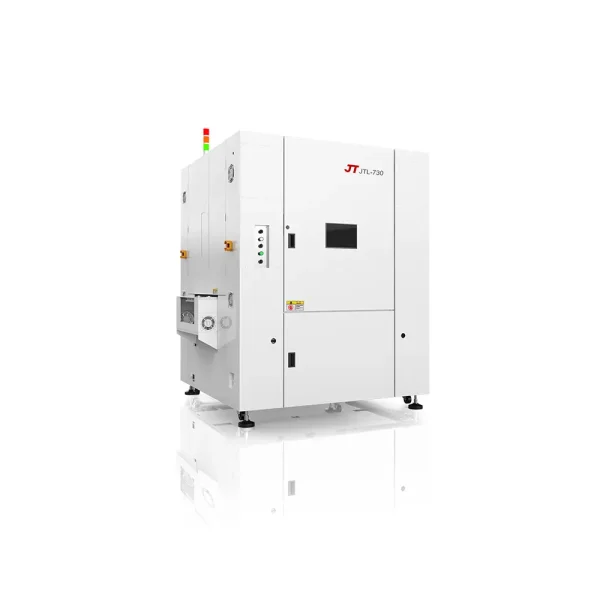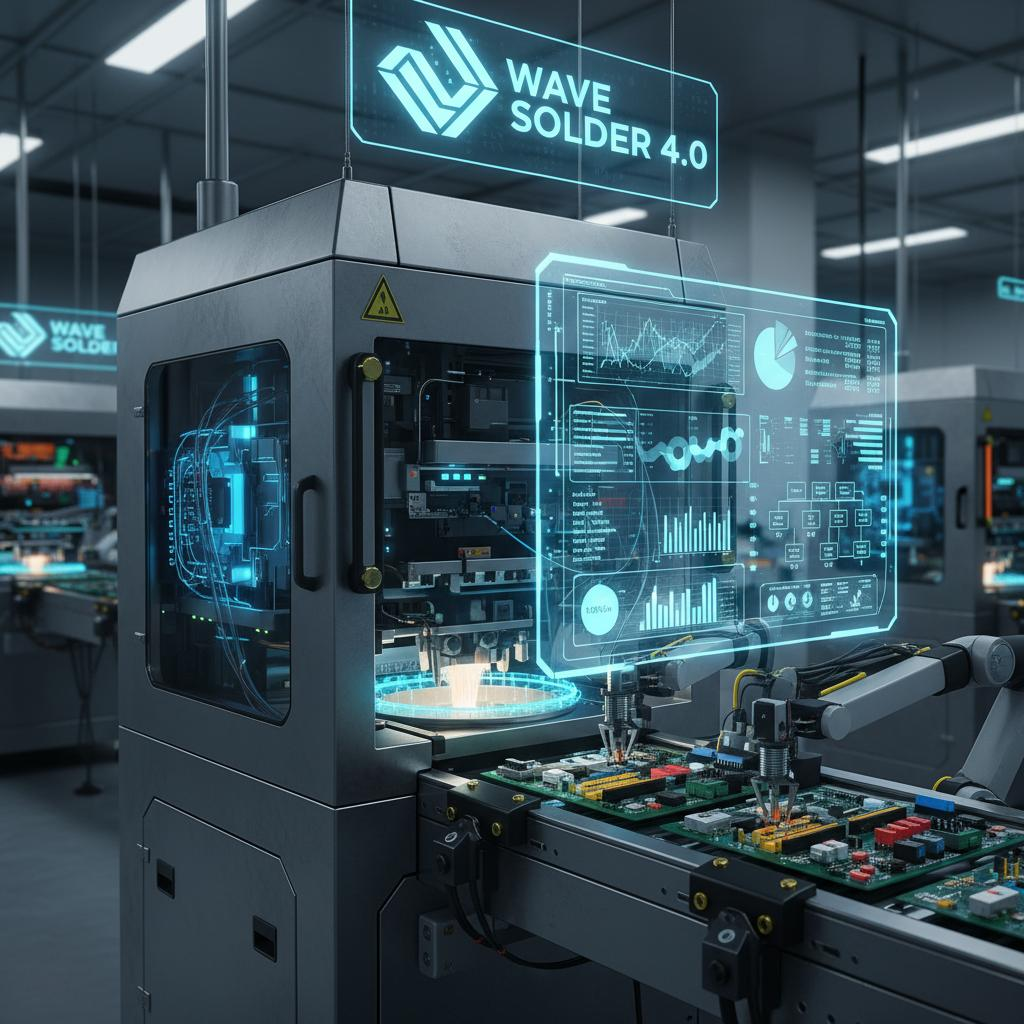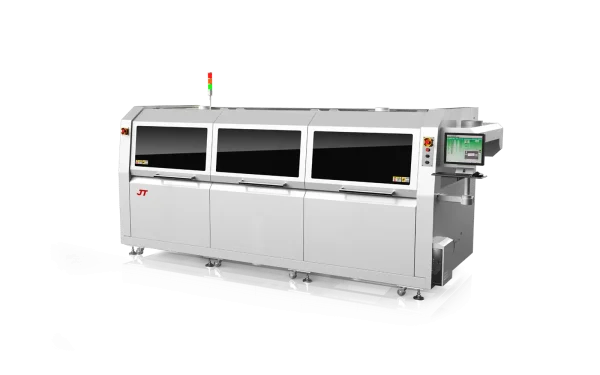

A hot air reflow oven is a crucial soldering device in the electronics manufacturing industry, widely used in surface mount technology (SMT) production lines to precisely and efficiently solder electronic components onto printed circuit boards (PCBs). This equipment ensures a stable and reliable soldering process through precise temperature and airflow control, making it key to achieving miniaturization and high-density assembly of electronic products.

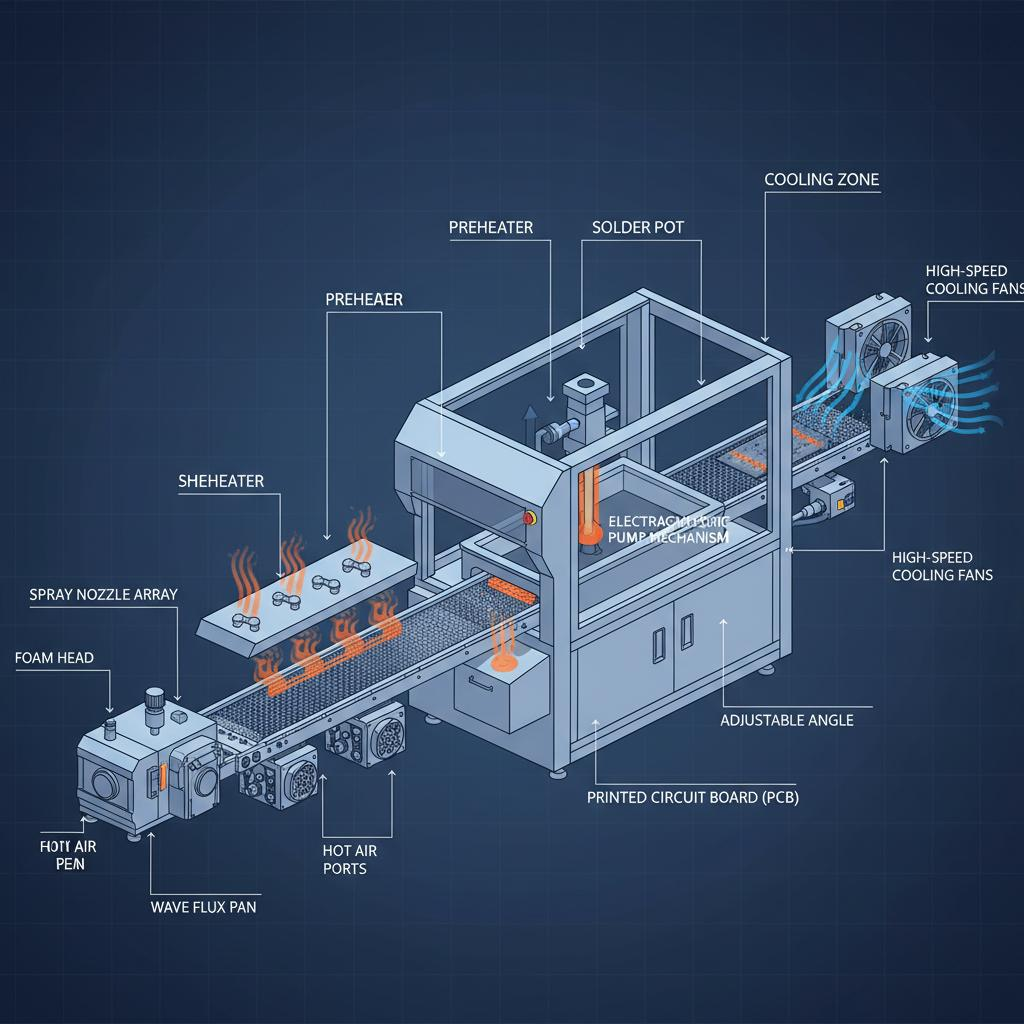
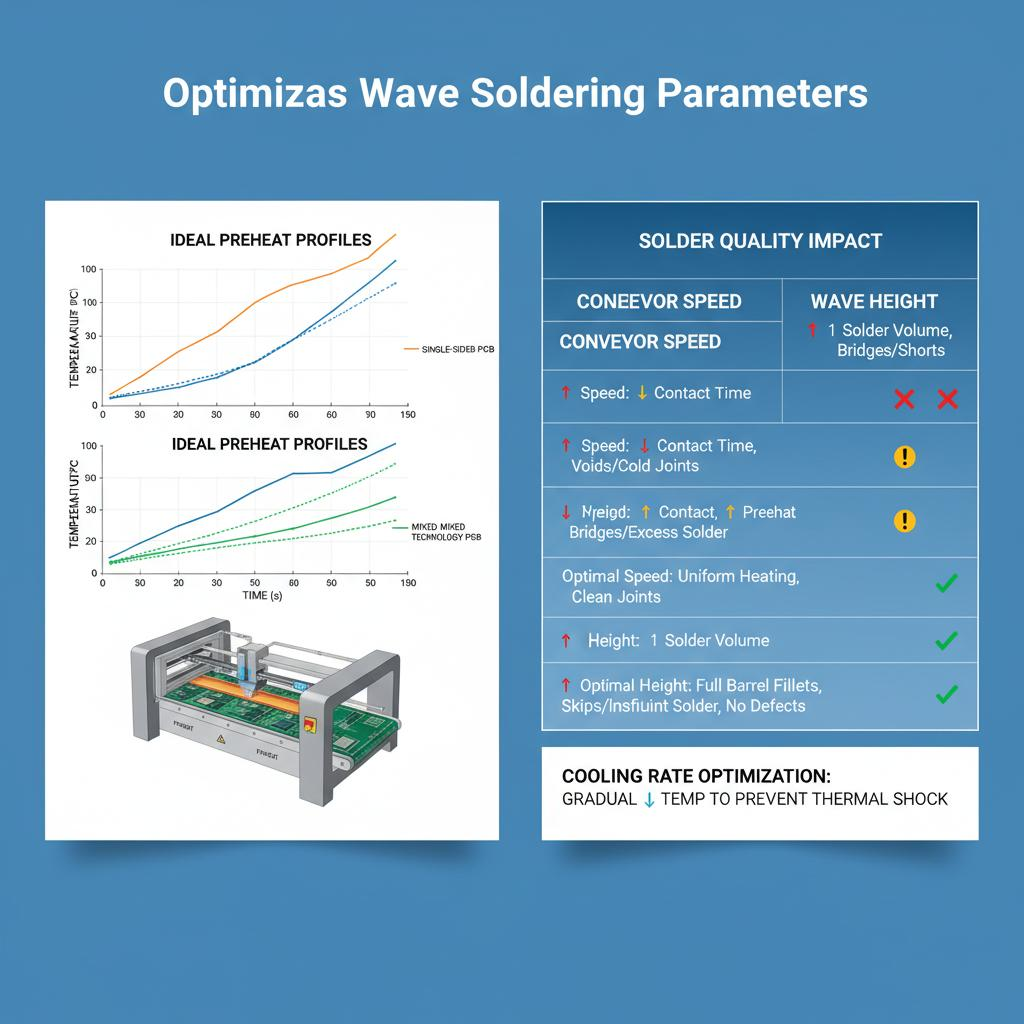
The core working principle of a hot air reflow oven lies in using hot air as the heat transfer medium. During the soldering process, the oven has multiple heating zones, each with independently controllable temperature. When a PCB with components mounted enters the oven, it moves slowly along the conveyor belt, sequentially passing through a preheating zone, a heat preservation zone, a reflow zone, and a cooling zone. In the preheating zone, heat is gradually transferred to the PCB and components through hot air circulation, causing the solvent in the solder paste to evaporate and reducing soldering spatter. The heat preservation zone ensures that the PCB and components reach a uniform temperature, preparing them for subsequent soldering.
In the reflow zone, the temperature rapidly rises above the solder paste’s melting point, melting and wetting the component leads and PCB pads to form a good solder joint. During this process, hot air not only provides the necessary heat but also ensures uniform temperature distribution through circulation, preventing localized overheating or poor soldering. Finally, in the cooling zone, controlled cooling rates allow the solder joints to solidify quickly, enhancing solder strength.
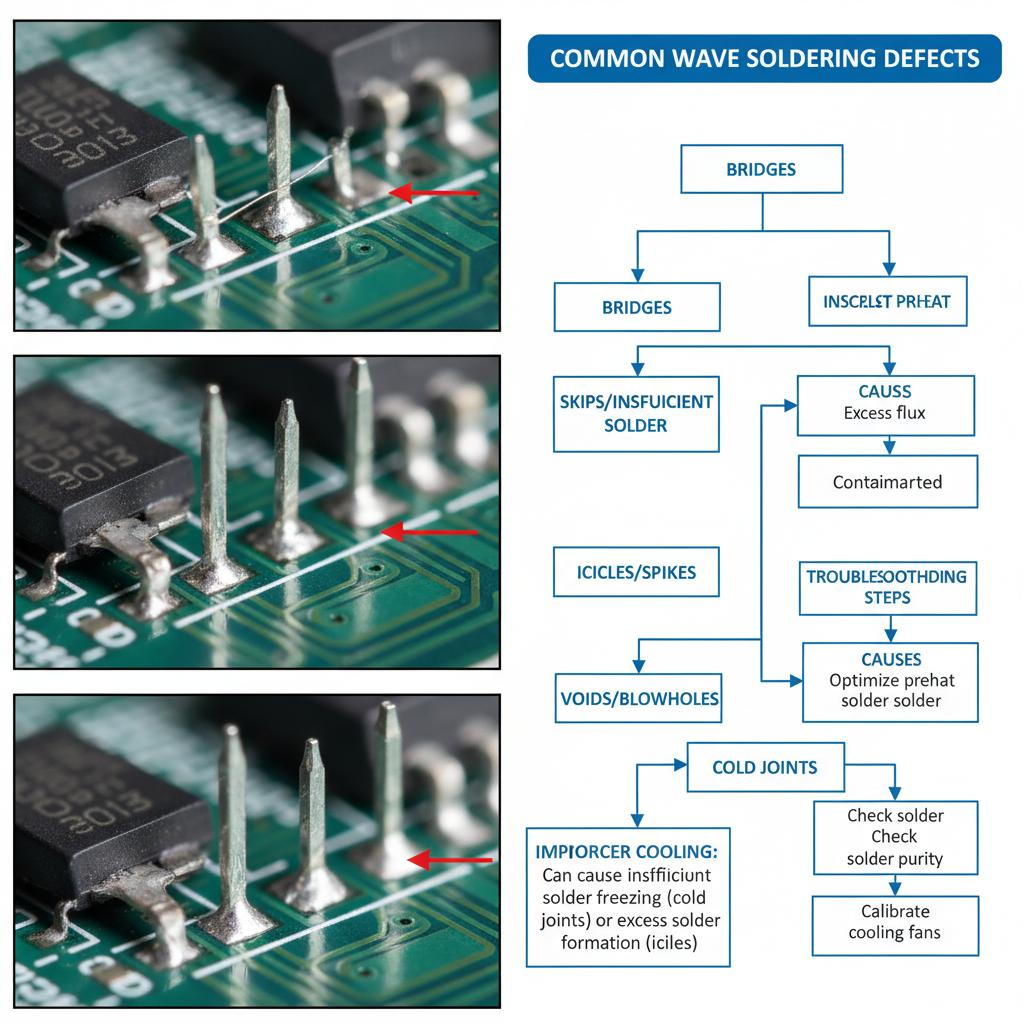
The advantages of hot air reflow ovens lie in their high soldering quality, high production efficiency, and applicability to various components and PCB types. Because hot air heats evenly, it effectively reduces soldering defects such as cold solder joints and bridging. Furthermore, its high degree of automation allows for continuous soldering operations, significantly improving production efficiency. In addition, hot air reflow ovens offer great flexibility, adapting to components of different sizes and shapes, and complex PCB layouts.
With the continuous development of electronic technology, the requirements for soldering quality in electronic products are becoming increasingly stringent. Hot air reflow ovens, with their unique advantages, occupy a crucial position in the electronics manufacturing industry. They not only improve the reliability and stability of electronic products but also drive continuous innovation and upgrades. In the future, with the further application of intelligent manufacturing and automation technologies, hot air reflow ovens will continue to play an important role and contribute to the development of the electronics manufacturing industry.