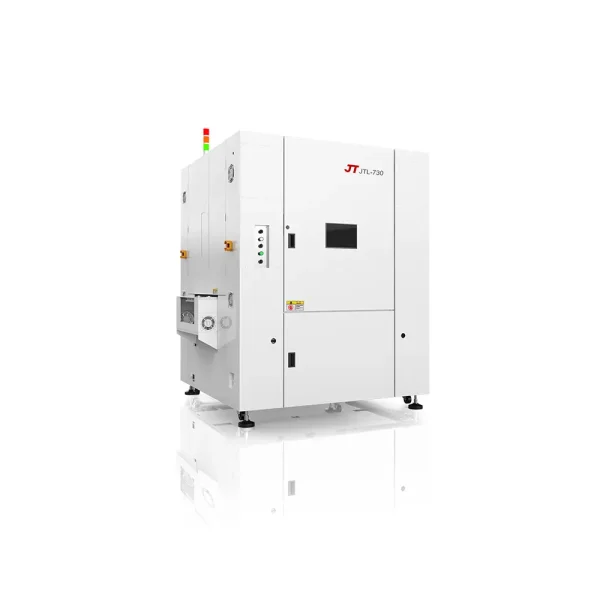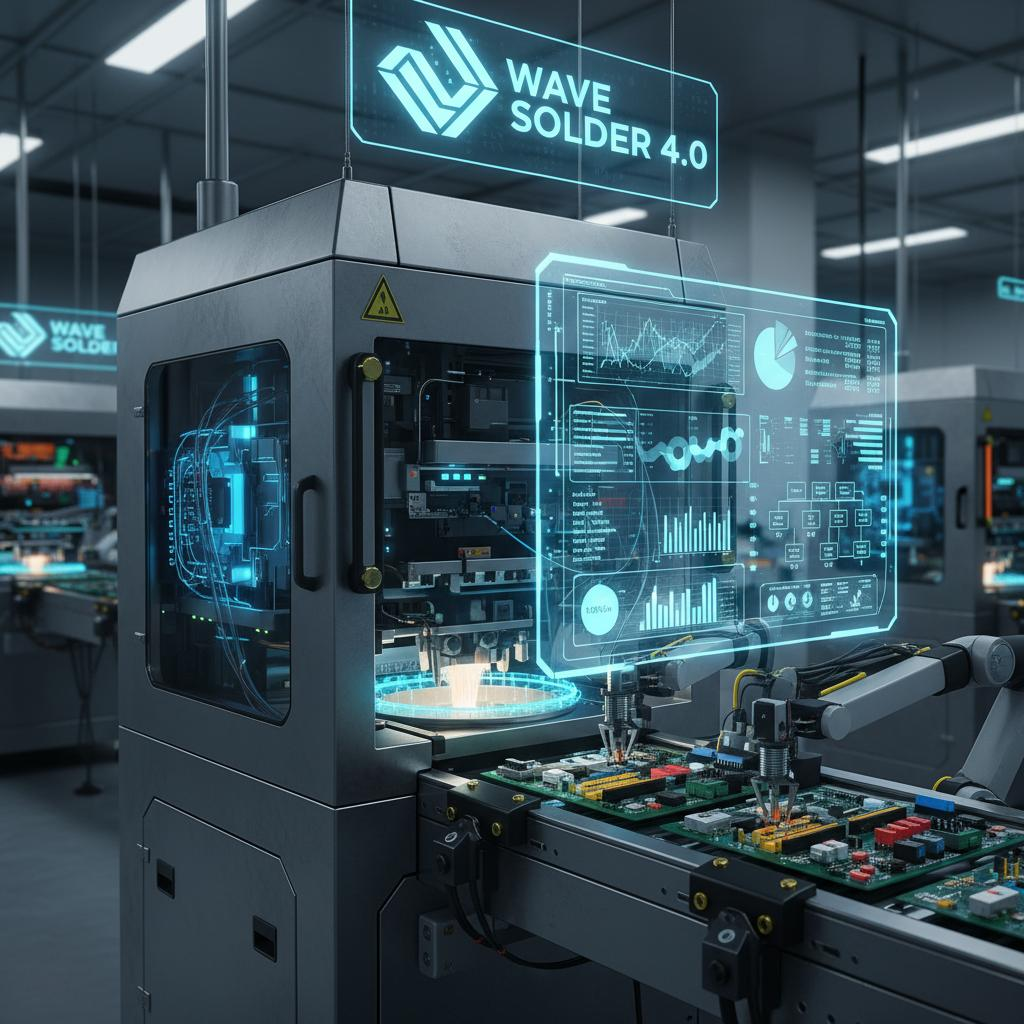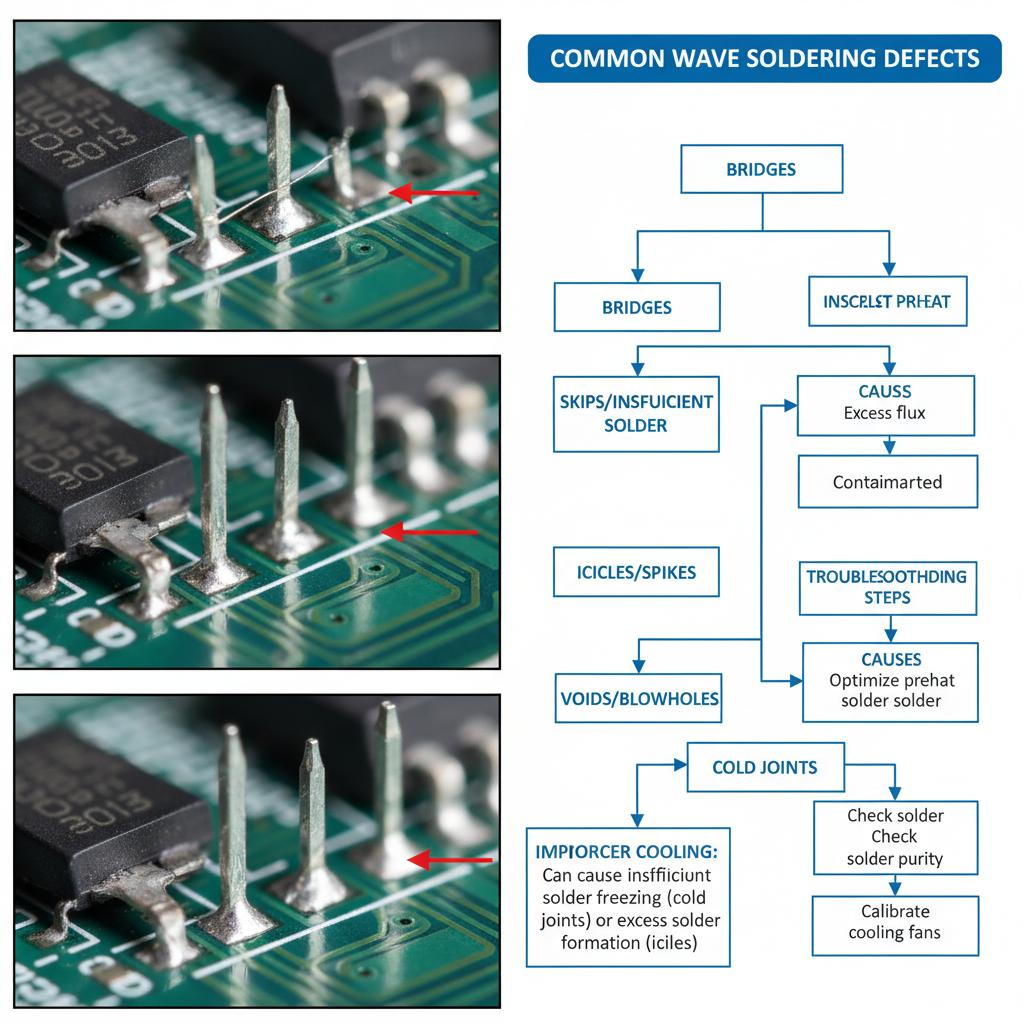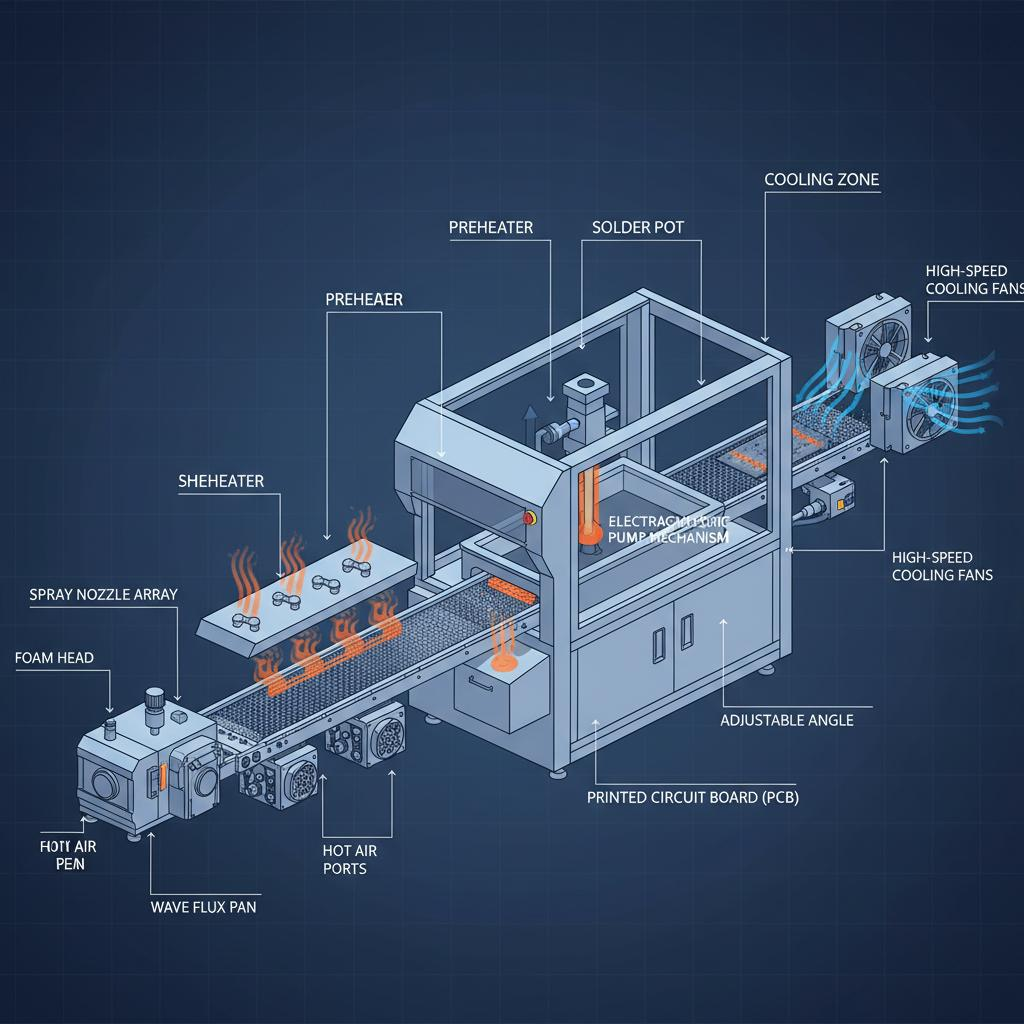

In the modern electronics manufacturing industry, the Printed Circuit Board (PCB) reflow oven stands as an indispensable and core piece of equipment, dedicated to achieving precise and reliable soldering between surface-mounted electronic components and PCBs. It is the cornerstone of Surface Mount Technology (SMT), a revolutionary assembly method that has reshaped the electronics sector by enabling the miniaturization, high-density integration of electronic products, from daily consumer electronics like smartphones and laptops to sophisticated industrial instruments and automotive circuit systems.

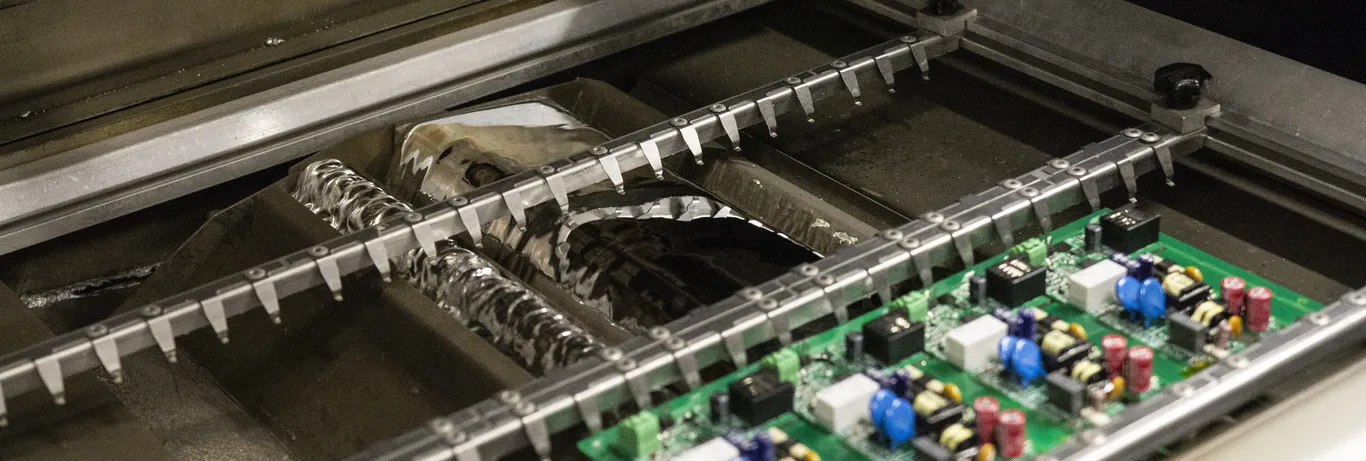
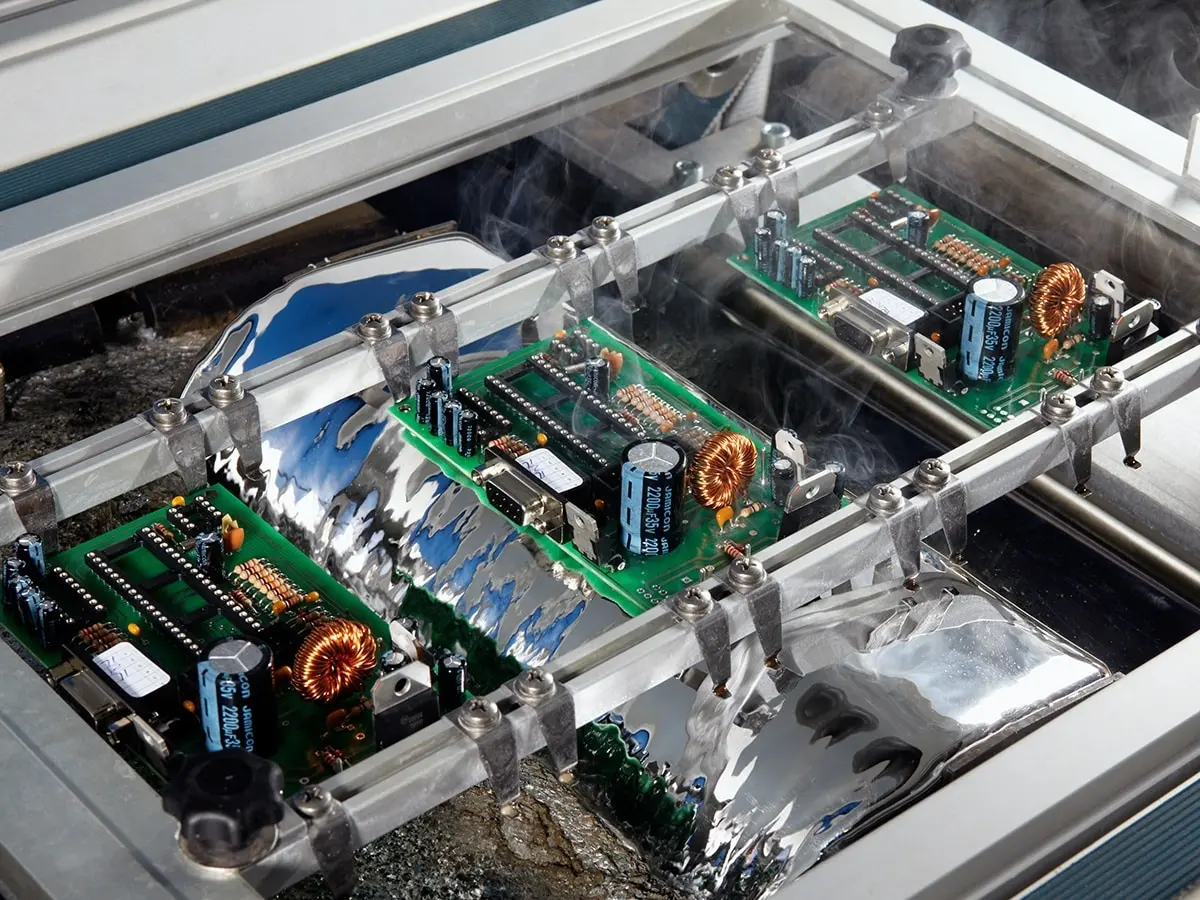
The primary function of a PCB reflow oven is to melt solder paste pre-applied to PCB bonding pads through a precisely controlled heating process, forming firm, stable, and conductive solder joints between components and the board, then cooling the solder to solidify it permanently. Unlike traditional manual soldering or wave soldering, reflow soldering via this oven ensures uniform heating, minimal component damage, and consistent soldering quality, making it ideal for mass, automated production.
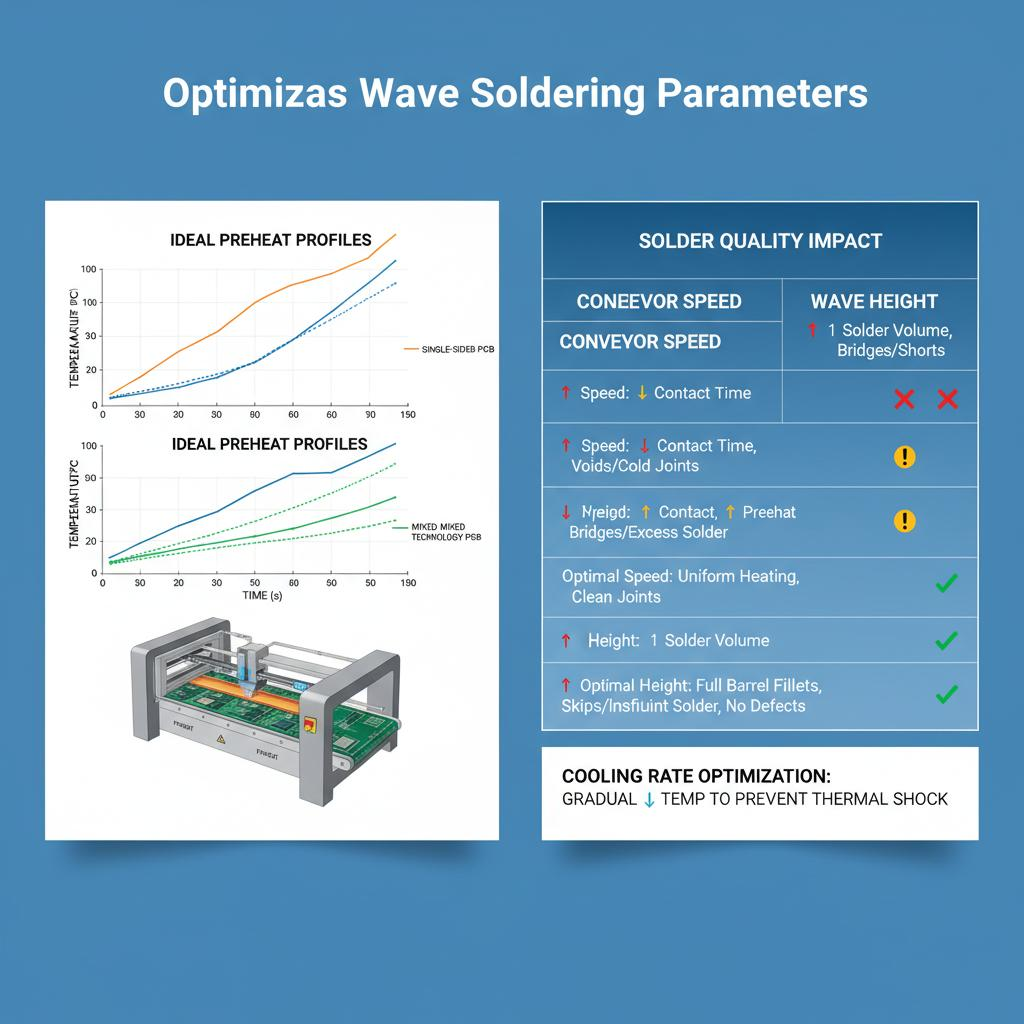
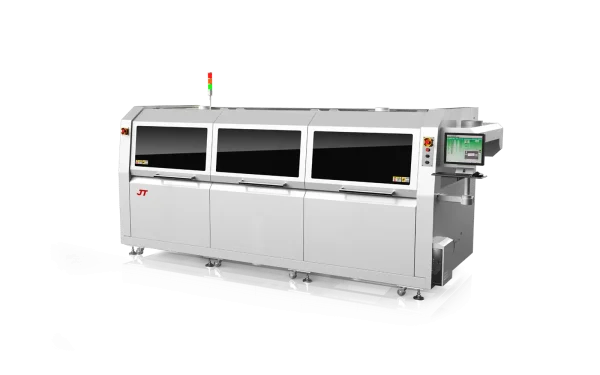
A typical commercial PCB reflow oven adopts a tunnel-style structure with a continuous conveyor belt. PCBs with mounted components move steadily through multiple independent temperature zones inside the oven, each programmed to specific temperatures to form a standardized thermal profile. This profile consists of four key stages: preheating, thermal soaking, reflow (soldering), and cooling. In the preheating zone, the PCB and components are gently heated to remove moisture and volatiles in the solder paste, avoiding thermal shock. The thermal soaking zone stabilizes the temperature evenly across the board, preparing for soldering. The reflow zone raises the temperature to the melting point of the solder paste, usually 217°C for lead-free solder, allowing the solder to melt and wet the pads and component pins perfectly. Finally, the cooling zone rapidly cools the solder to solidify, forming robust solder joints.
There are several main types of PCB reflow ovens, each suited to different production needs. Convection reflow ovens are the most widely used, relying on forced hot air circulation for uniform heat distribution, suitable for most general electronic assemblies. Infrared (IR) reflow ovens use radiant heat for faster heating, ideal for high-volume production. Infrared-convection hybrid ovens combine the advantages of both, balancing heating speed and uniformity. Advanced models also support nitrogen atmosphere protection, which reduces oxidation during soldering, improves solder joint quality, and meets the requirements of high-precision, lead-free manufacturing complying with RoHS directives.
The value of the PCB reflow oven extends far beyond simple soldering. Its precise temperature control and stable operation guarantee the electrical performance and service life of electronic products, reduce production defects, and boost production efficiency. For small-scale prototyping, compact benchtop reflow ovens are available, while large industrial assembly lines use high-speed, multi-zone tunnel ovens to meet massive production demands.
In summary, the PCB reflow oven is a vital link in the electronics manufacturing chain. It bridges component mounting and finished PCB testing, turning discrete electronic parts into functional circuit boards. With the continuous advancement of electronics technology towards miniaturization and intelligence, the performance of reflow ovens keeps improving, playing an increasingly critical role in promoting the innovation and development of the global electronics industry.