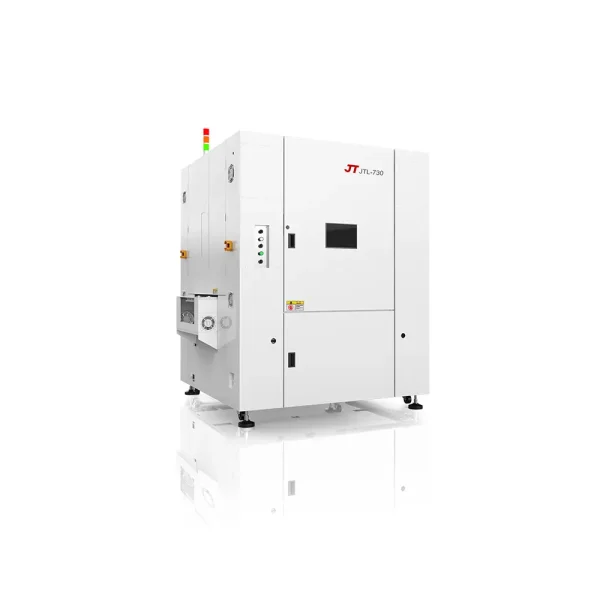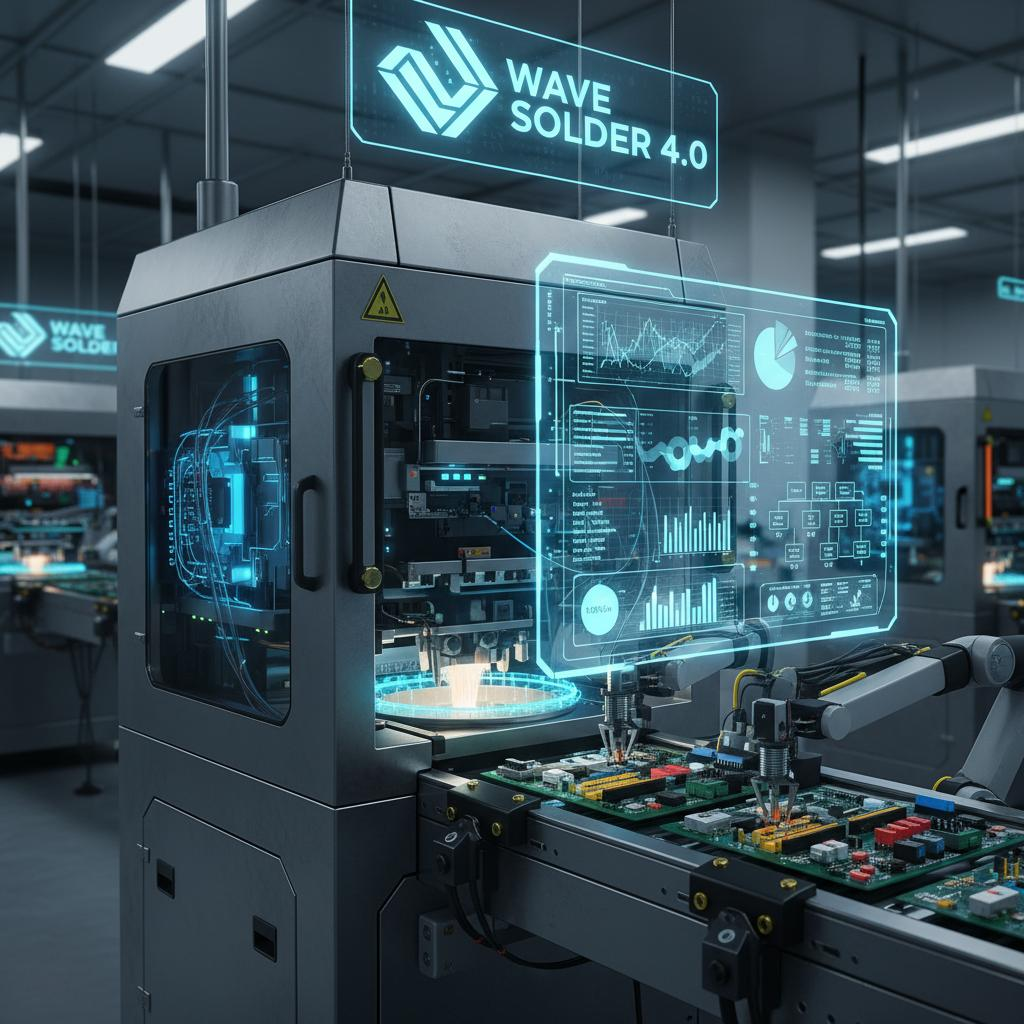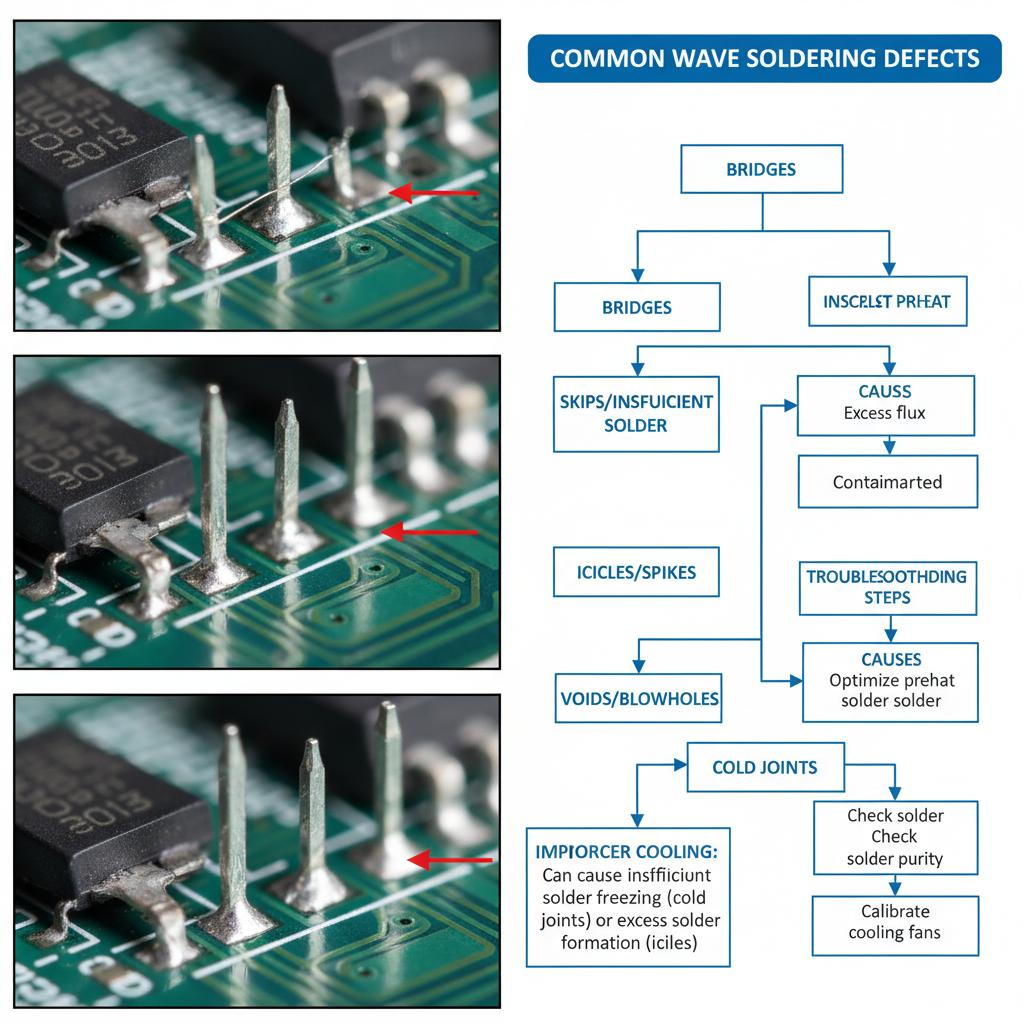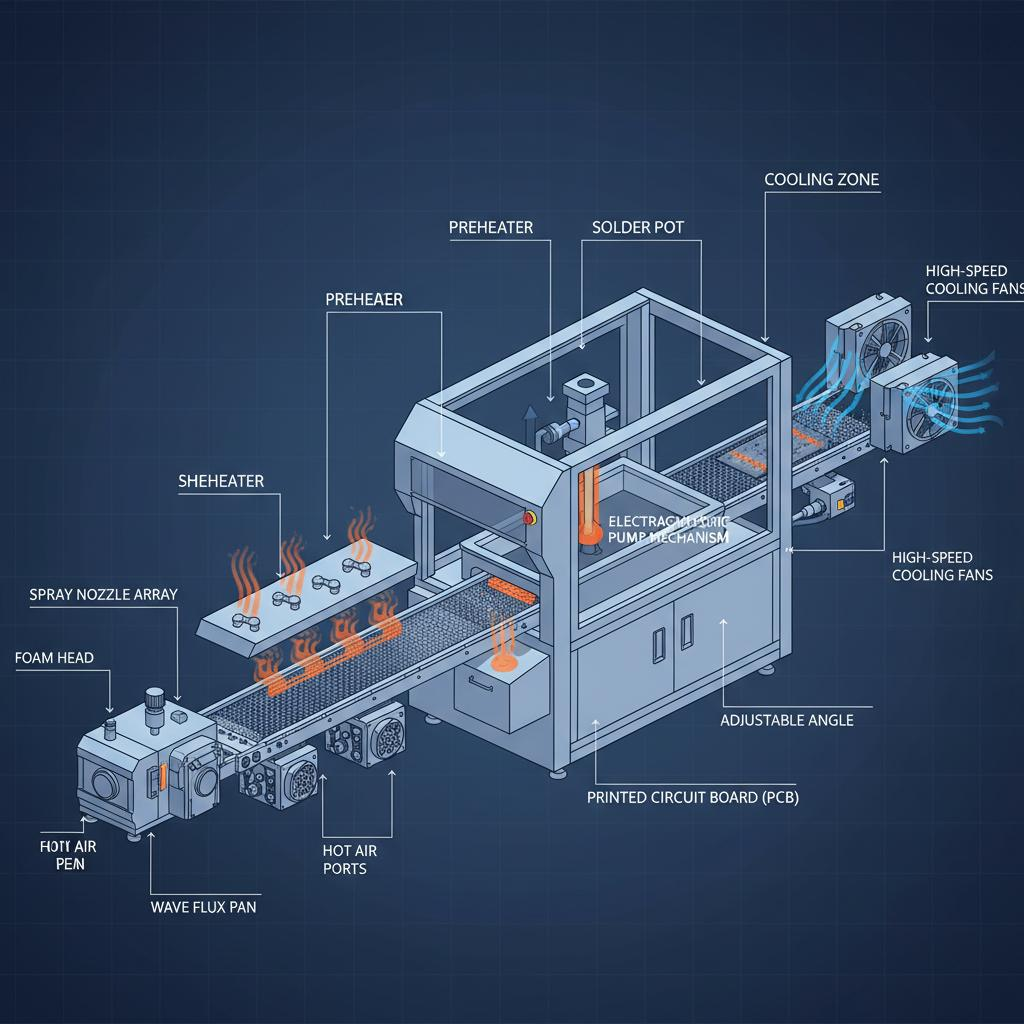

In the modern electronics manufacturing industry, the printed circuit board (PCB) assembly process is crucial for the performance and reliability of electronic products, and the PCB reflow oven stands out as an indispensable core equipment. Compared with traditional manual soldering, wave soldering and other processes, reflow ovens have become the preferred soldering solution for PCB production, thanks to their outstanding advantages in soldering quality, production efficiency, process flexibility and cost control, widely used in consumer electronics, automotive electronics, aerospace and other high-precision fields.

First and foremost, a PCB reflow oven guarantees excellent and consistent soldering quality, which is the most prominent advantage of this equipment. Unlike manual soldering that relies on workers’ experience and skills, leading to uneven solder joints, cold solder joints or excessive solder, reflow ovens adopt precise temperature control technology. They divide the heating process into multiple temperature zones, including preheating, soaking, reflow and cooling, and accurately control the temperature curve according to the characteristics of PCB boards and solder paste. This uniform heating method ensures that each component on the PCB is soldered at the optimal temperature, forming firm, full and stable solder joints, greatly reducing the defect rate of cold solder, virtual solder and short circuit. For high-density PCBs with tiny components such as chip resistors, integrated circuits and QFP packages, reflow ovens can avoid component damage caused by local overheating, effectively improving the reliability and service life of electronic products.
Secondly, reflow ovens significantly boost production efficiency and achieve large-scale automated production. Traditional soldering processes are difficult to adapt to mass production due to low speed and high labor demand, while reflow ovens can realize continuous and automatic operation. After the PCB is printed with solder paste and mounted with components, it directly enters the reflow oven through the conveyor belt for automatic soldering, without manual operation during the process. Modern reflow ovens are equipped with efficient conveying systems and intelligent control panels, which can complete the soldering of hundreds of PCBs in a short time, and the production speed is dozens of times that of manual soldering. In addition, the equipment can run continuously for a long time with low failure rate, which shortens the production cycle of PCB assembly and meets the large-scale production needs of the electronics industry.
Thirdly, PCB reflow ovens have strong process flexibility and wide applicability. They can adapt to PCBs of different sizes, thicknesses and component types, and can adjust the temperature curve, conveying speed and heating mode flexibly according to different process requirements. Whether it is a single-layer ordinary PCB or a multi-layer high-precision PCB, whether it is a conventional through-hole component or a miniaturized surface mount device (SMD), the reflow oven can complete the soldering perfectly. Moreover, the equipment is compatible with various types of solder paste, and can meet the soldering process standards of different electronic products, providing strong support for the diversified production of manufacturers.
In addition, reflow ovens help reduce production costs and improve economic benefits. Although the initial investment of reflow ovens is relatively high, in the long run, its high efficiency and low defect rate can greatly save labor costs, material waste costs and rework costs. The automatic operation reduces the number of operators, the high-quality soldering reduces the rework rate of defective products, and the uniform heating also reduces the damage rate of components. At the same time, modern reflow ovens adopt energy-saving design, with low energy consumption in operation, further reducing the production cost per unit product.
Finally, PCB reflow ovens are more environmentally friendly and safe, in line with the green production standards of the electronics industry. The equipment is equipped with a perfect waste gas treatment system, which can collect and purify the harmful gas generated during the soldering process in a timely manner, reducing the emission of pollutants and avoiding harm to the environment and workers’ health. Compared with the messy operation environment of manual soldering, the closed structure of the reflow oven makes the production process cleaner and safer.
In conclusion, the PCB reflow oven plays a vital role in electronic manufacturing with its advantages of high-quality soldering, efficient automation, flexible process, cost saving and environmental protection. With the continuous development of the electronics industry towards miniaturization, high density and intelligence, the technical performance of reflow ovens will be further optimized, and its application value in PCB assembly will be more prominent, becoming a solid guarantee for the quality improvement of electronic products.