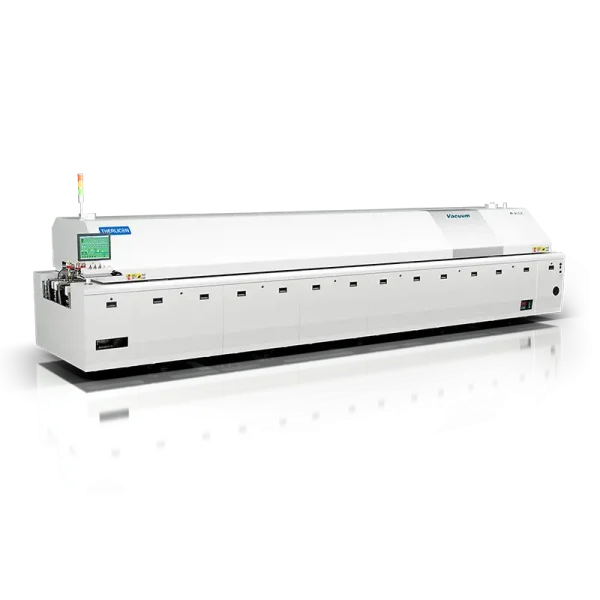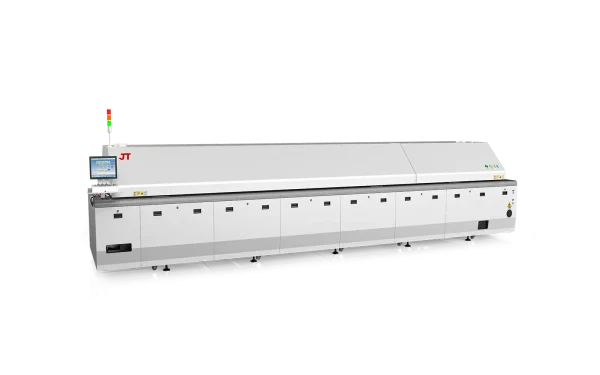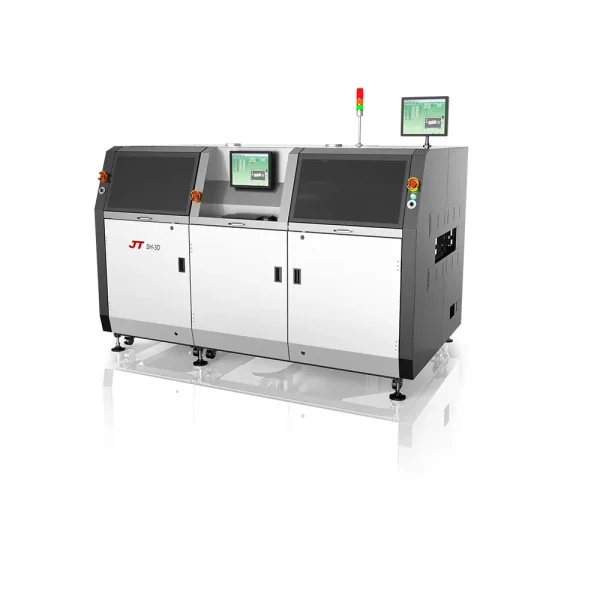

Reflow soldering is an automated SMT process that uses controlled oven heating to form consistent solder joints for surface-mount components, while other methods like wave soldering and hand soldering rely on molten solder waves or manual operation and are typically used for through-hole assembly, prototyping, or low-volume work.
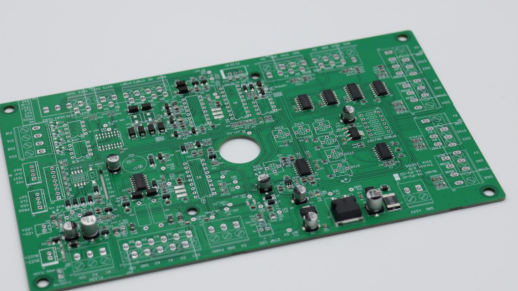
Reflow soldering vs. wave soldering in SMT and THT processes
Reflow soldering is mainly used for surface-mount components (SMD) , while wave soldering is mainly used for through-hole (THT) components using a molten solder wave.
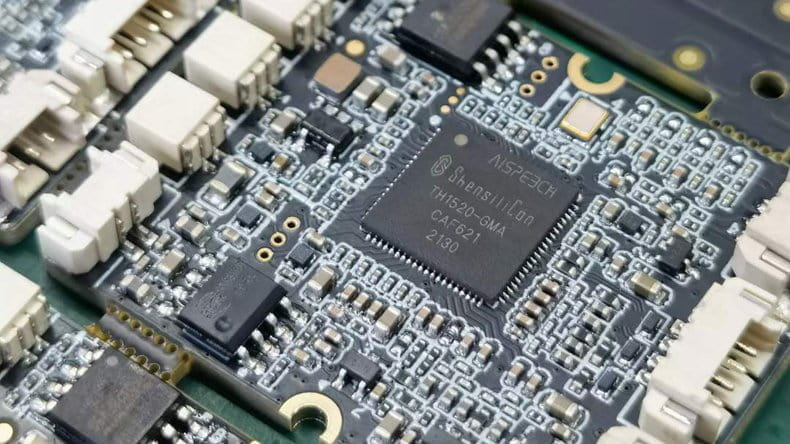
In PCB manufacturing soldering methods , reflow soldering and wave soldering serve different roles in SMT and THT assembly. Reflow soldering is used in SMT (Surface Mount Technology) where components sit on top of the PCB and are attached using solder paste.
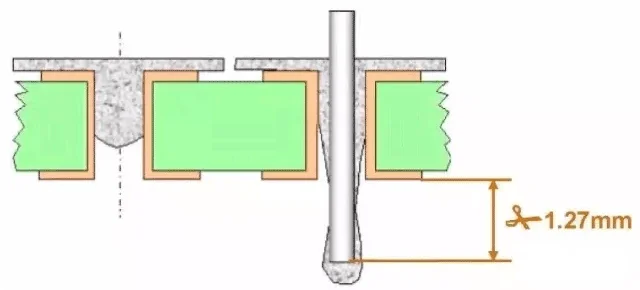
Wave soldering is used in THT (Through-Hole Technology) where component leads pass through holes in the PCB and are soldered using a continuous wave of molten solder.
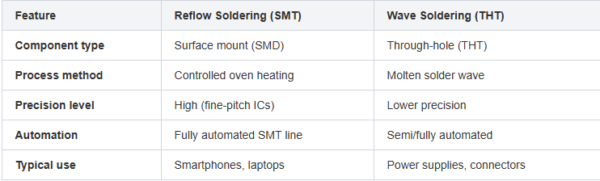
For example, a smartphone motherboard uses mostly reflow soldering, while a power adapter may still use wave soldering for large connectors.
Reflow soldering vs. hand soldering for precision electronics
Reflow soldering is fully automated and highly consistent, while hand soldering is manual and depends on operator skill.
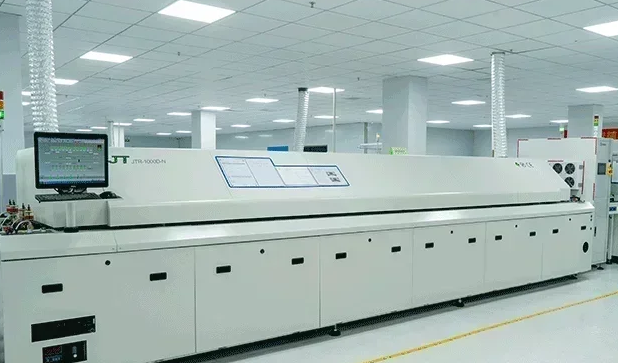
In precision PCB assembly processes , reflow soldering provides consistent results because every board follows the same controlled temperature profile inside a reflow oven.
Hand soldering, on the other hand, relies on a technician using a soldering iron to manually heat and join each connection. This introduces variability in temperature, solder amount, and quality.
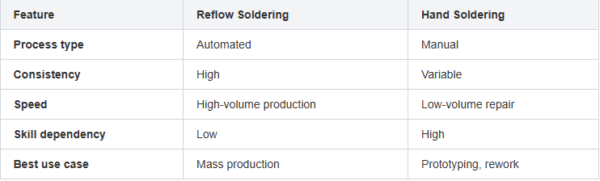
For example, in a PCB prototype lab, engineers may use hand soldering for quick testing, but in factory production, reflow soldering ensures uniform quality across thousands of boards.
Why reflow soldering is preferred for mass production PCBs
Reflow soldering is preferred in mass production because it offers high scalability, repeatability, and consistent quality across large batches.
In mass production PCB assembly , reflow soldering is the standard because it allows thousands of boards to be processed through the same controlled SMT line with minimal variation.
The process is highly scalable—once the solder paste printing, component placement, and reflow oven profile are set, production can run continuously with minimal manual intervention.
It also provides strong process repeatability in PCB manufacturing , meaning every board has nearly identical solder joint quality. This is critical for industries like consumer electronics, automotive systems, and industrial control boards.
For example, a smartphone factory can produce millions of identical motherboards because reflow soldering ensures every joint is formed under the same thermal conditions, reducing defects and improving yield consistency.