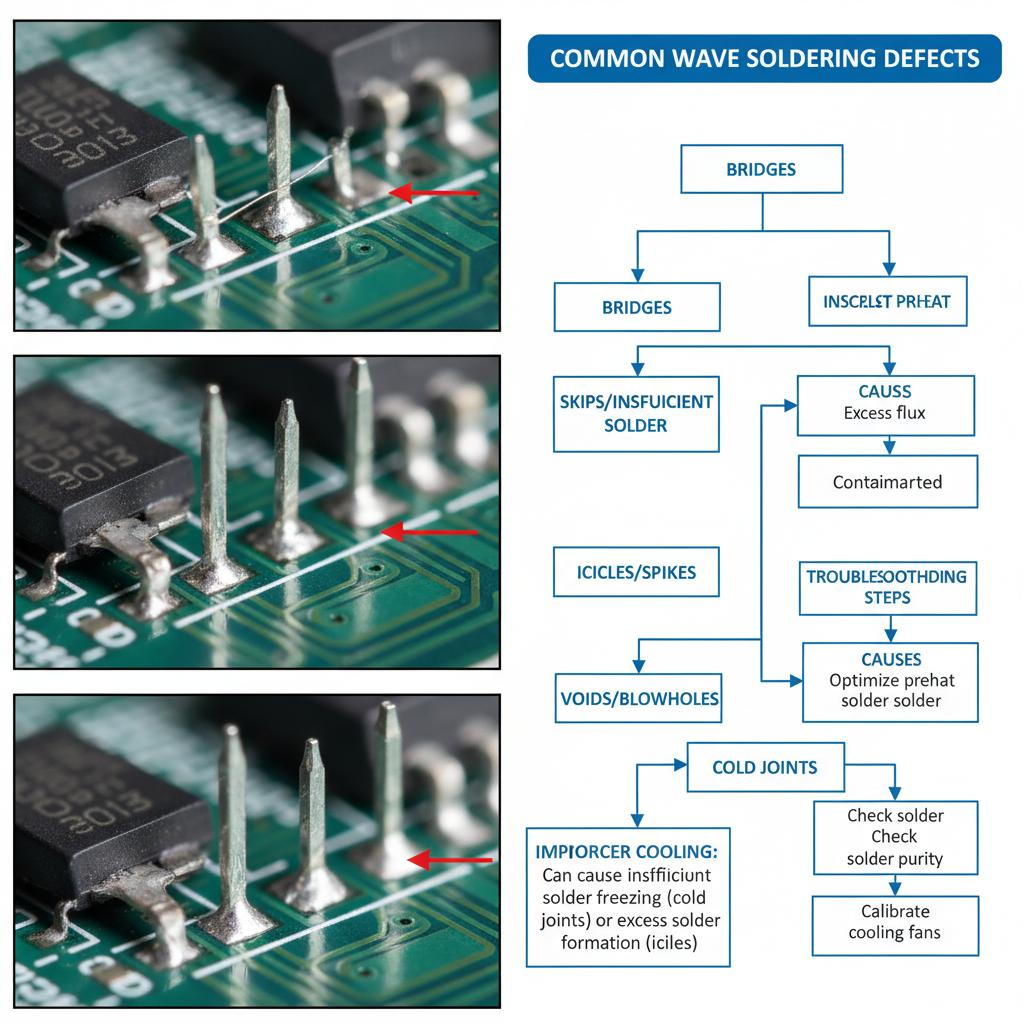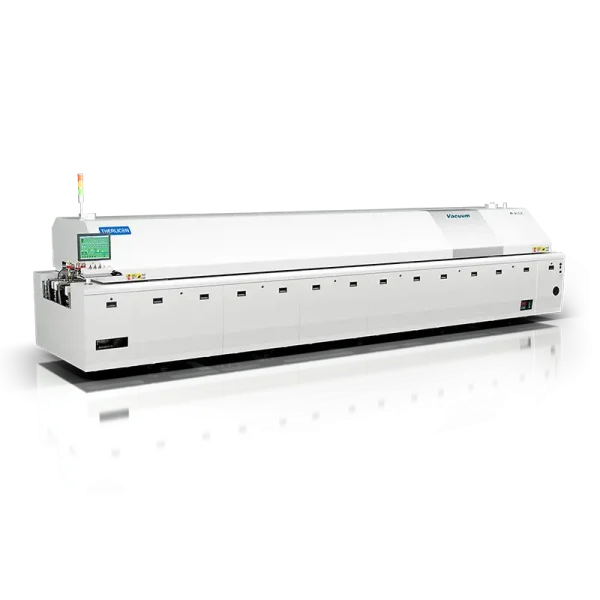

Modern SMT production relies heavily on fully automated reflow soldering systems to ensure consistent welding quality and high efficiency. Despite precise mechanical operation and intelligent program control, various soldering defects persist in mass production, including tombstoning, cold solder joints, bridging, and head-in-pillow defects. These recurring issues prove that automation cannot completely eliminate errors, as reflow quality depends on multiple subtle and interconnected factors beyond mechanical precision.
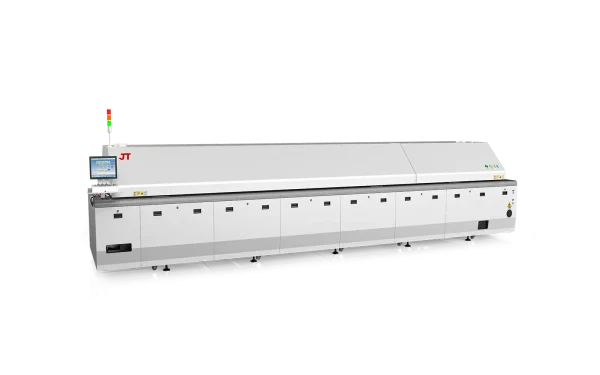
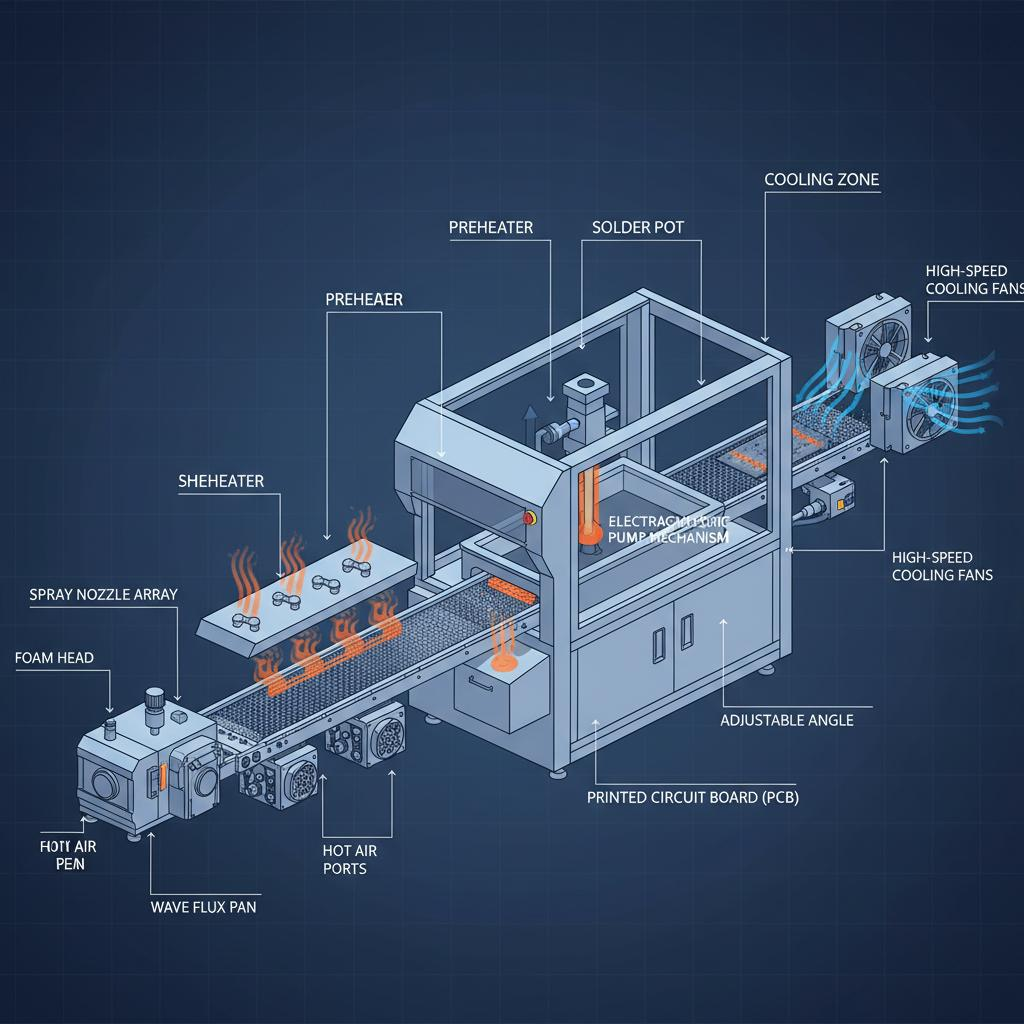
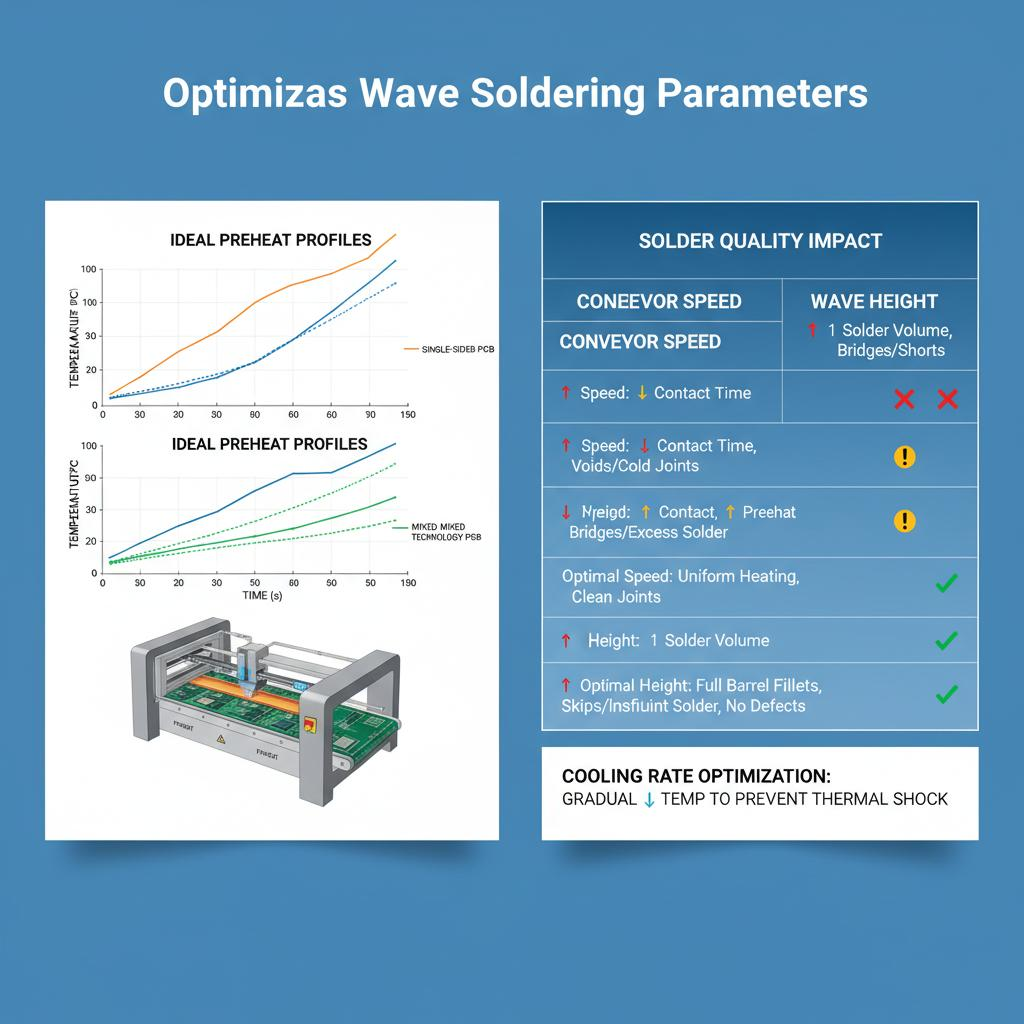
The primary cause of residual defects is unstable thermal profiling in automated ovens. Standardized temperature curves cannot fully adapt to complex PCB structures. Dense component layouts, large heat-consuming chips, and uneven board thickness create hot and cold spots inside the oven, leading to inconsistent heating speeds across different pads. Minor deviations in conveyor speed or blocked airflow nozzles will further disrupt the heating process. Local insufficient temperature causes poor solder wetting and cold joints, while excessive heating triggers solder overflow and bridging defects.
Improper solder paste management is another critical hidden hazard in automated lines. Although stencil printing machines operate with high precision, subtle errors accumulate in continuous production. Stencil aperture wear, inconsistent paste viscosity, or uneven paste deposition on dual pads break the balance of solder volume. During reflow, unbalanced surface tension lifts tiny passive components, resulting in tombstoning. Additionally, oxidized solder paste or expired flux fails to remove pad oxide layers thoroughly, forming voids and weak solder joints that are hard to detect by automated inspection equipment.
Component and PCB material variations also undermine automated welding stability. Even qualified batch components have tiny differences in thermal conductivity and size tolerance. Thin or warped PCBs deform under high-temperature thermal stress, causing component misalignment and poor contact between pins and pads. Automated placement systems may also produce minor positioning deviations due to vision system calibration drift or feeder jitter, which do not affect initial placement but evolve into serious soldering defects after high-temperature reflow.
In conclusion, automated reflow soldering defects stem from thermal instability, material inconsistencies, and equipment subtle deviations. Automated systems standardize operations but cannot offset material differences, equipment aging, and environmental fluctuations. Only combining regular equipment calibration, precise thermal profile optimization, and strict material control can effectively reduce defects and improve SMT production reliability.