


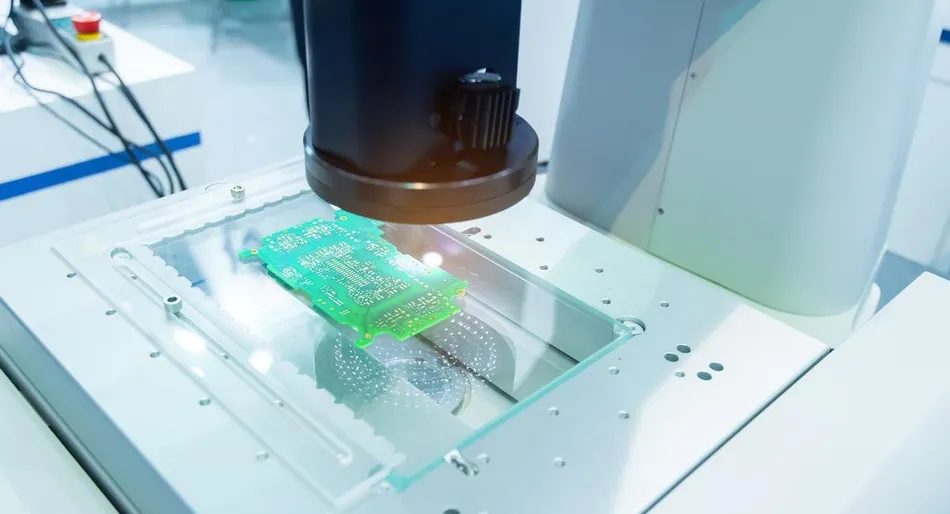
Visual Inspection: Visual inspection is a critical step in the surface mount soldering quality control process. It involves inspecting solder joints and components on the circuit board to identify defects...
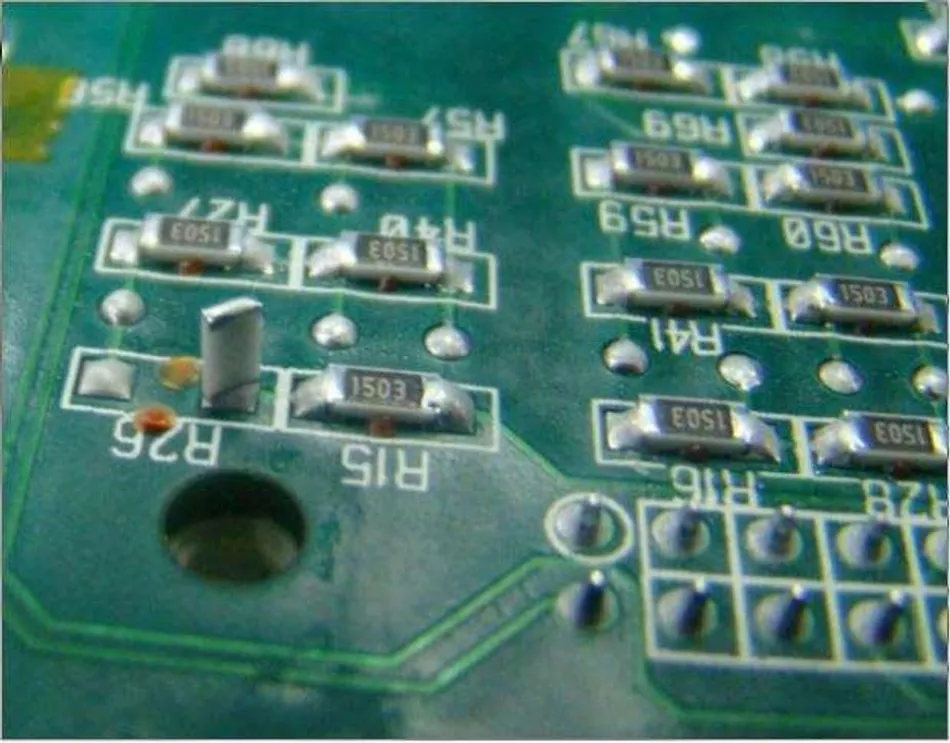
Tombstone Effect
The tombstone effect, also known as the Manhattan effect or bridging effect, is a common reflow soldering defect. It occurs when one end of a surface-mount component (usually a chip resistor...
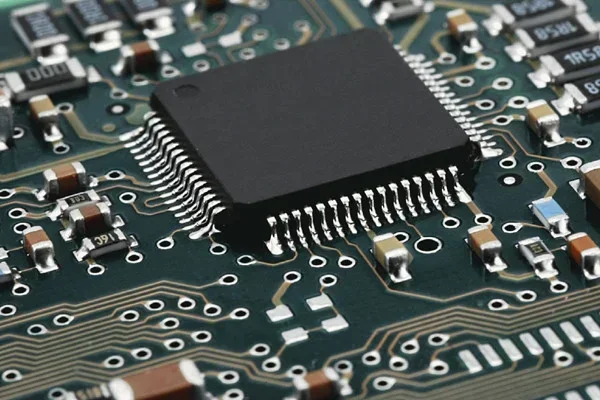
Printed Circuit Boards (PCBs) are one of the most important technologies to emerge in the 20th century.
With the continuous advancement of global technology, their use has become increasingly rapid, permeating...
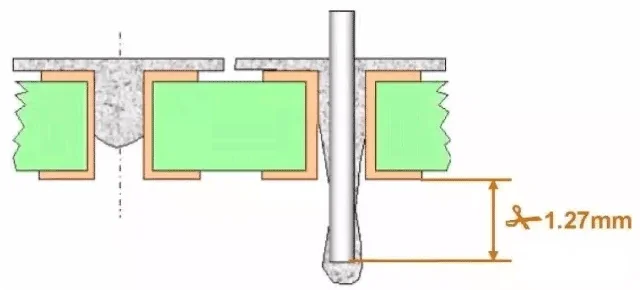
Through-hole (PTH) components are typically wave soldered onto PCBs. However, for assembling PCBs with PTH components, there is another option—through-hole reflow soldering.
Through-Hole Reflow Soldering...
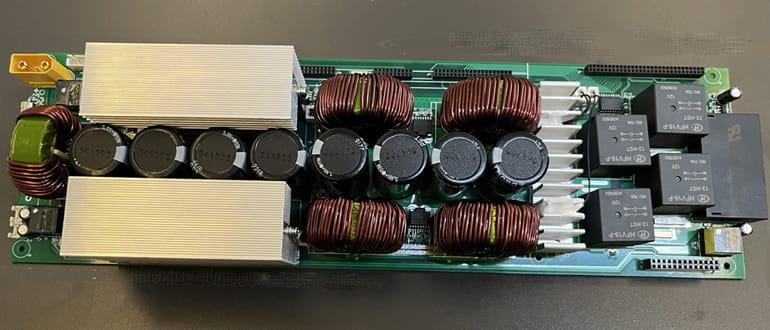
In electronics manufacturing, while surface mount technology (SMT) handles miniature logic circuits, through-hole soldering (THT) remains a mainstay for power electronics, heavy-duty connectors, and industrial...
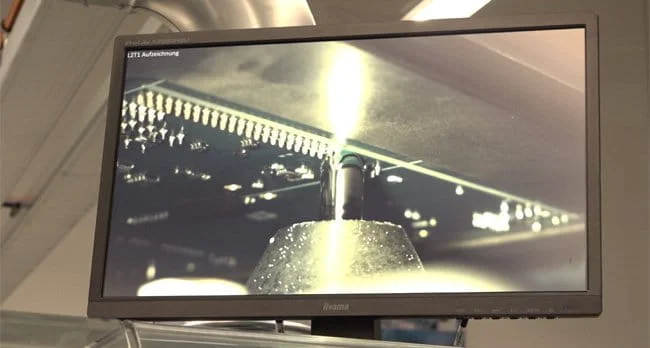
For OEMs and commercial users, how do you solder through-hole PCBs? Manual soldering is not feasible due to quality and efficiency requirements. There are two main through-hole PCB assembly technologies:...
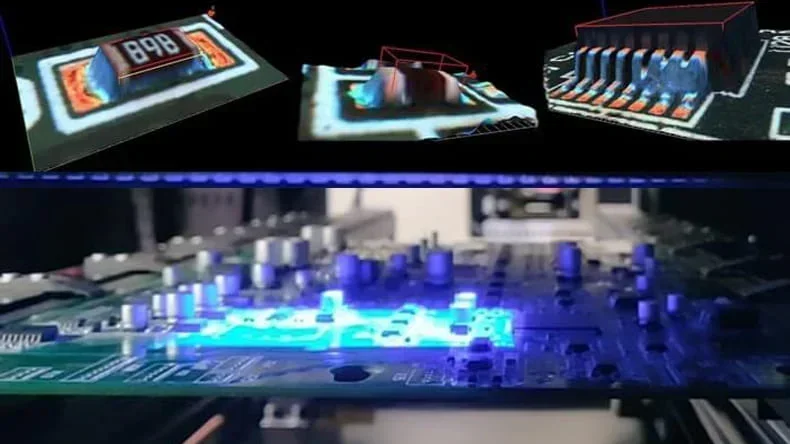
If your project targets mid-to-high-end applications such as automotive, medical, defense, and aerospace, nitrogen reflow soldering is ideal for printed circuit board assembly (PCBA). What are the advantages...
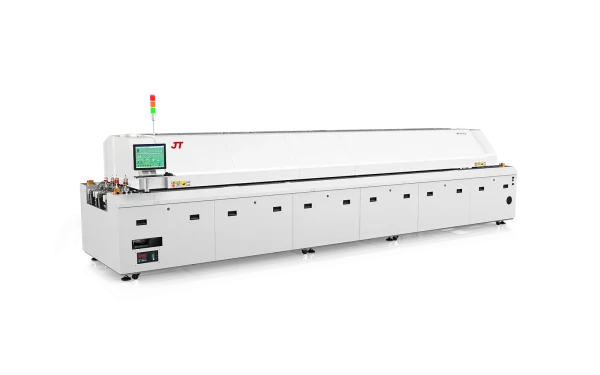
The EU’s RoHS standard requires all electronic products to be lead-free (Pb < 0.1%). The US, Canada, China, and other countries have also established similar lead-free standards. Lead-free is...

In surface mount technology (SMT), reflow soldering is a process that melts solder paste to permanently attach electronic components to a printed circuit board (PCB). Proper reflow soldering ensures the...