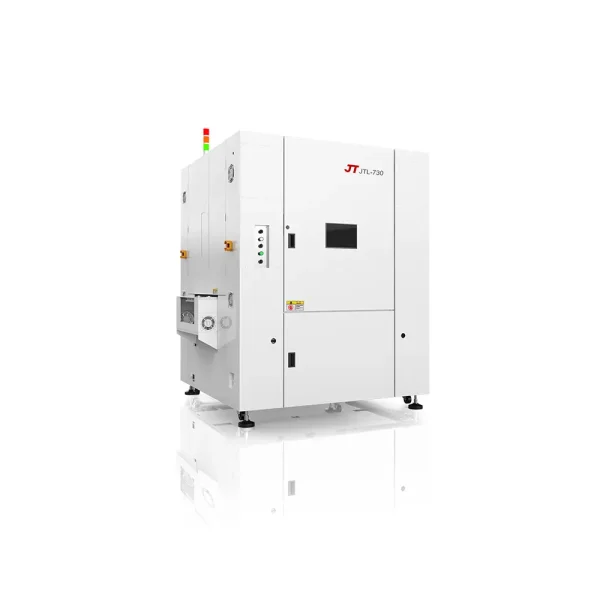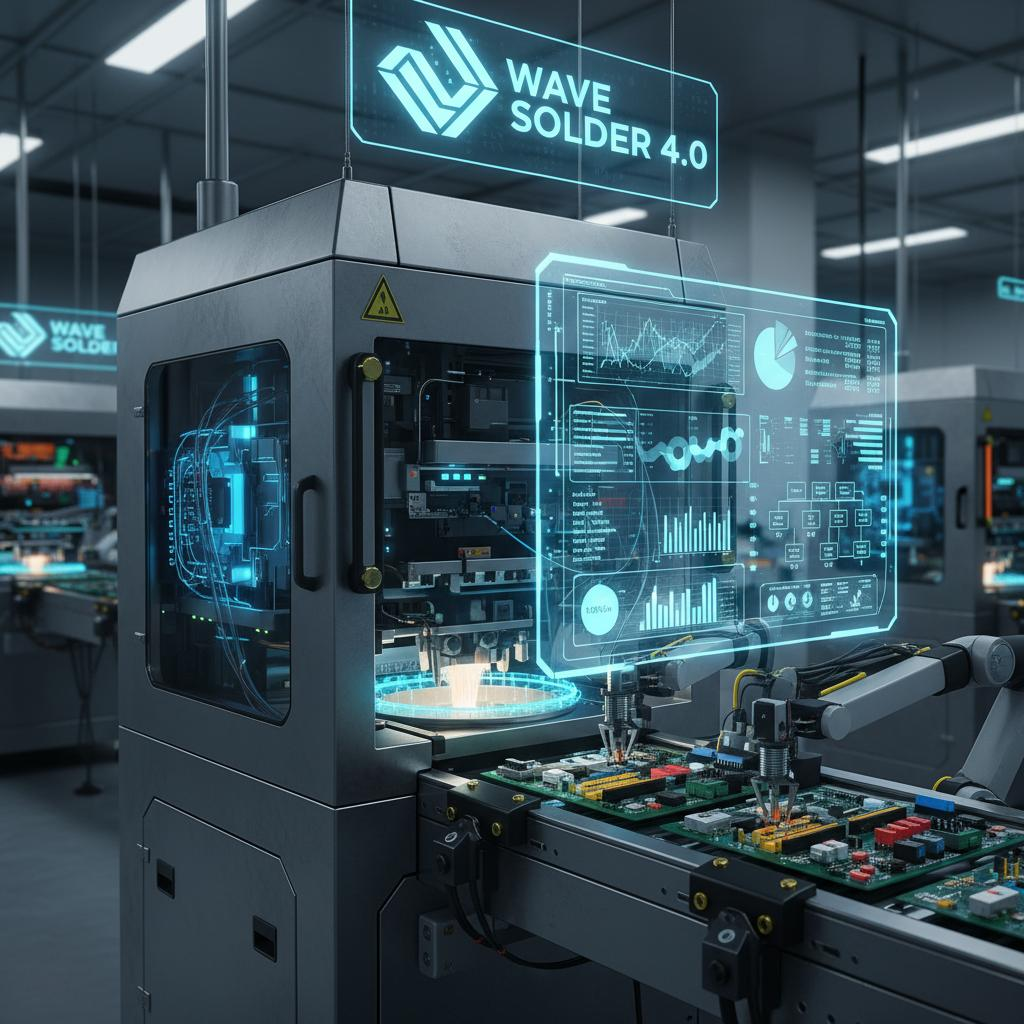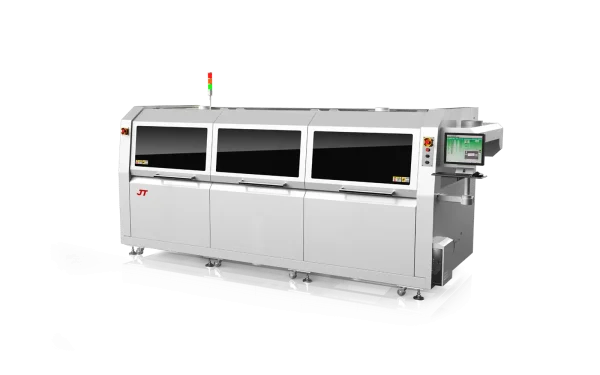

Wave soldering ovens are essential pieces of equipment in modern printed circuit board (PCB) assembly and electronic manufacturing. As a highly efficient thermal processing solution for through-hole components, wave soldering ovens deliver stable, consistent, and scalable soldering performance that supports mass production. Compared with manual soldering and other assembly methods, they present remarkable advantages in efficiency, quality, reliability, and cost control, making them irreplaceable in medium and high-volume electronic production lines.

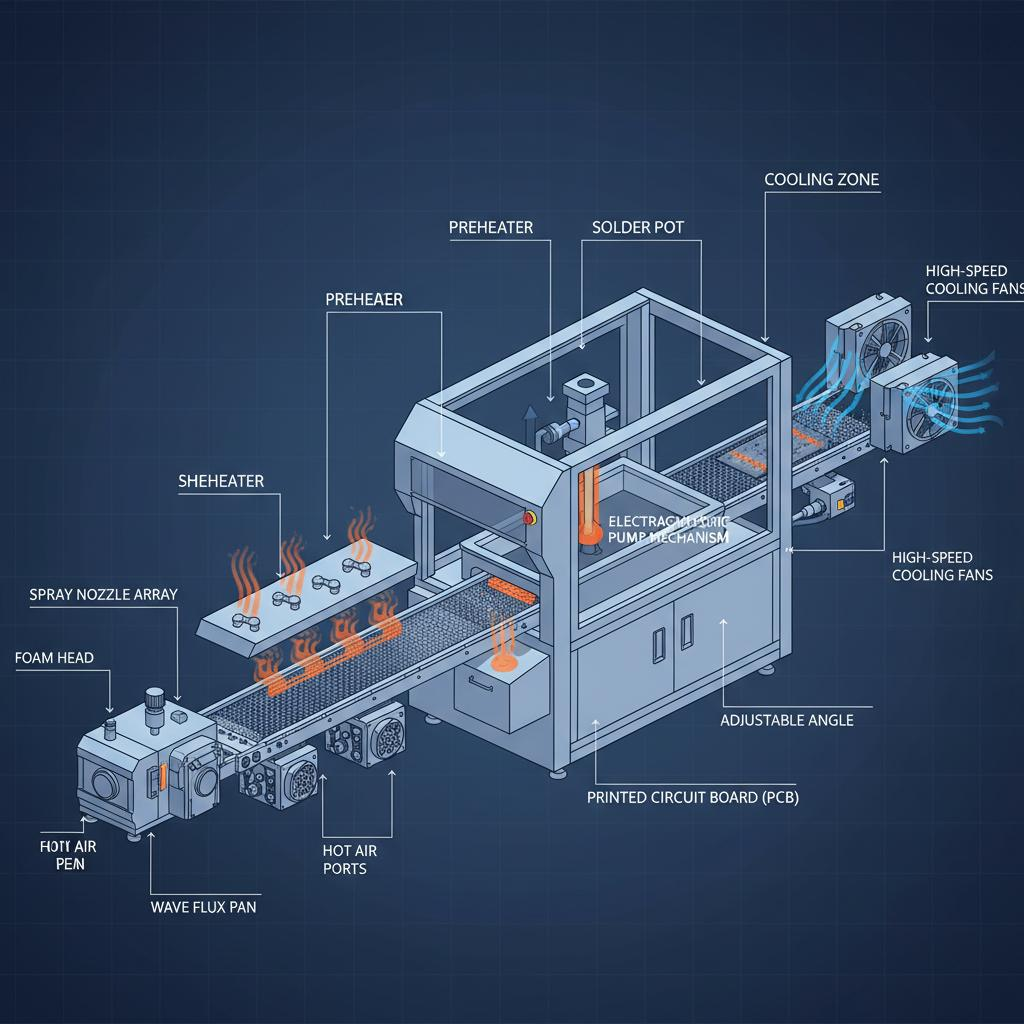
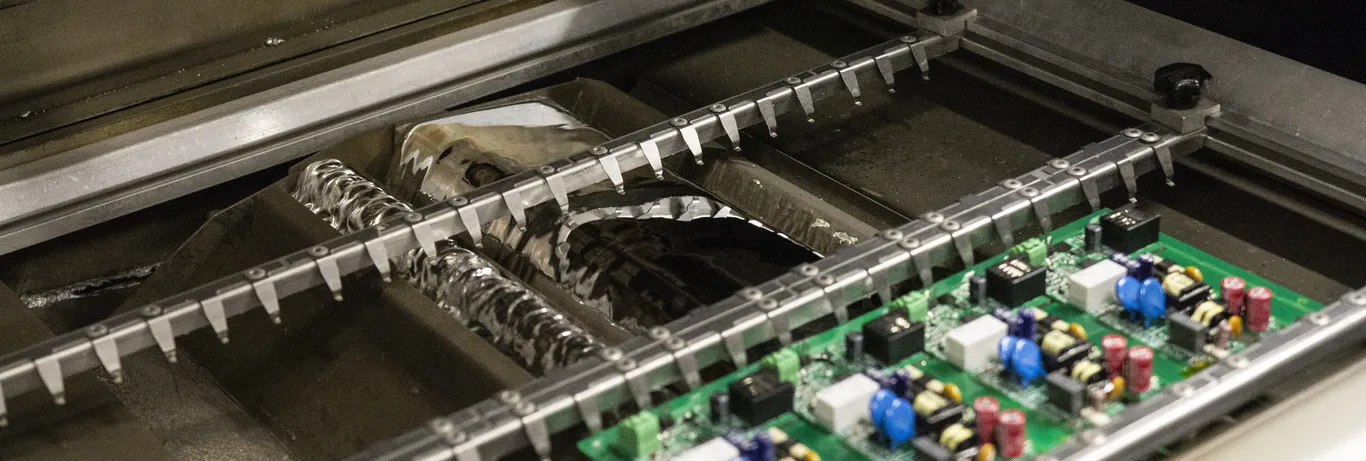
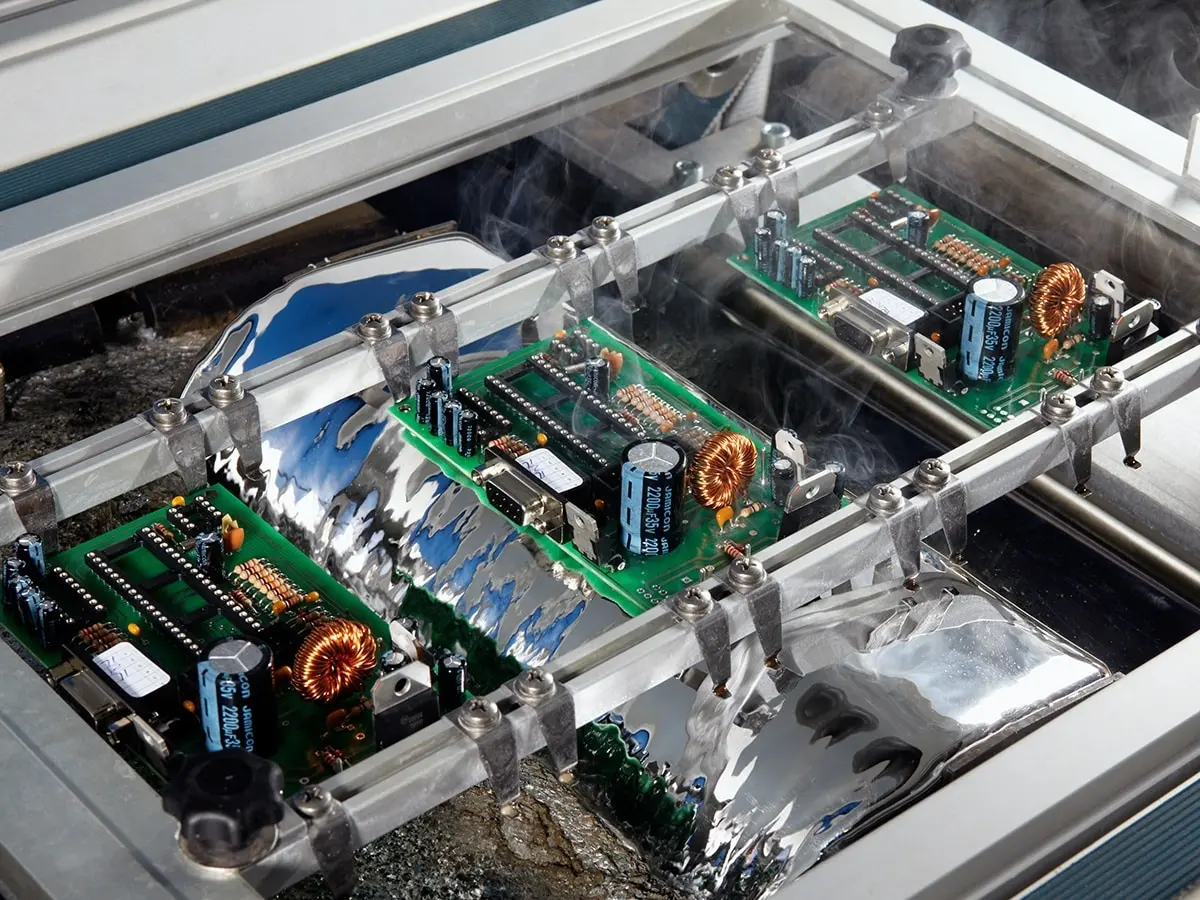
One of the most prominent characteristics of wave soldering ovens is their high production efficiency. The equipment continuously transports PCBs through preheating, flux spraying, and molten solder wave zones in an automated assembly line. The continuous solder wave ensures that multiple boards can be processed in sequence without interruption. This mechanized operation greatly improves throughput compared with manual soldering, which is slow and labor-intensive. For manufacturers producing consumer electronics, automotive electronics, and industrial control equipment, this high efficiency directly boosts overall production capacity and shortens product delivery cycles.
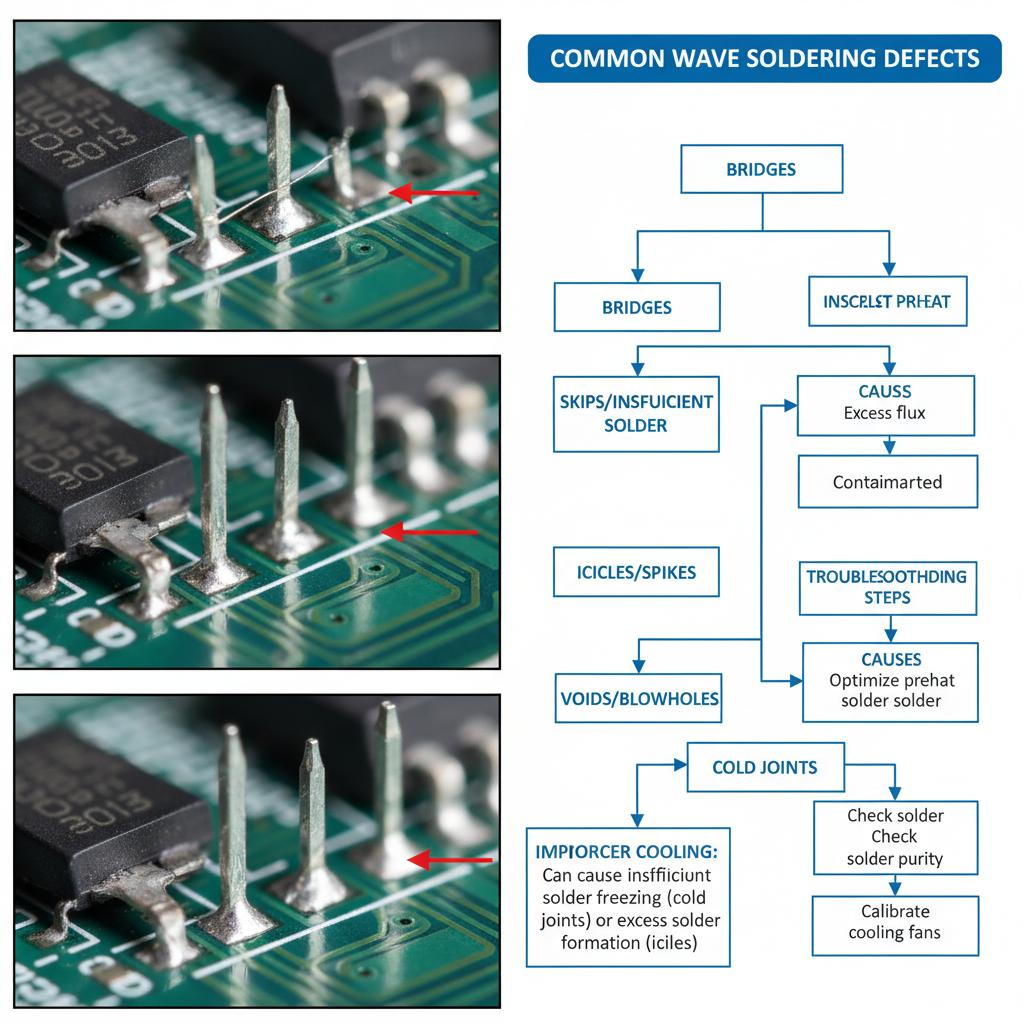
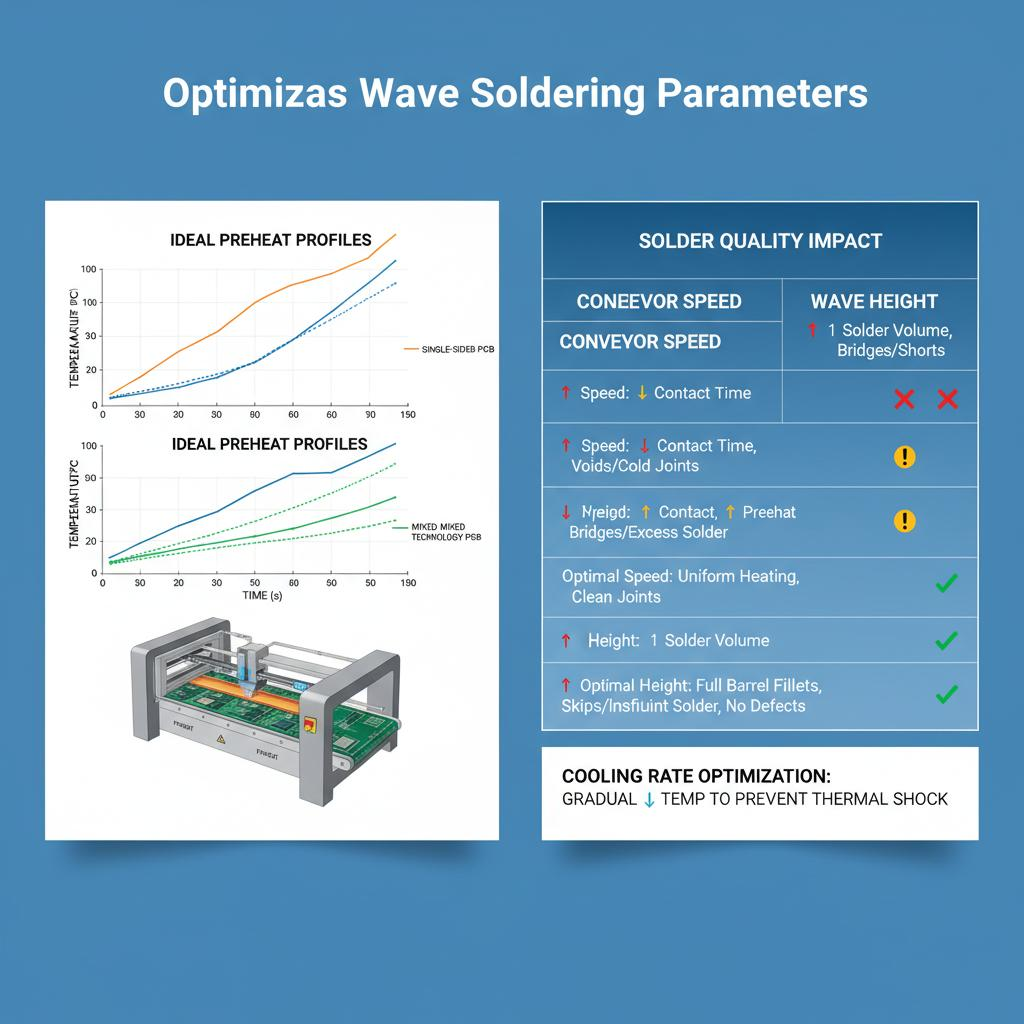
Excellent soldering quality and consistency is another key advantage. The wave soldering oven precisely controls preheating temperature, solder temperature, contact time, and conveyor speed, creating a stable soldering environment. Uniform heat distribution reduces thermal shock to components and boards, minimizing issues such as cold joints, bridging, and insufficient solder. The stable solder wave forms reliable, uniform solder joints on component pins and PCB pads, ensuring consistent electrical connectivity across every product. This high stability significantly lowers defect rates and improves product reliability.
Wave soldering ovens also feature strong adaptability and flexibility. Modern systems support adjustable solder wave height, dual-wave design, and customizable temperature profiles, making them suitable for various PCB sizes, component types, and assembly requirements. Whether for simple single-sided boards or complex multi-component assemblies, the equipment can be tuned to achieve ideal soldering results. Additionally, advanced models include automated flux spraying and nitrogen protection functions, which reduce oxidation, improve solder wetting, and further enhance joint quality.
In terms of economic benefits, wave soldering ovens help enterprises reduce labor and maintenance costs. Automated operation reduces reliance on skilled manual welders, lowers labor intensity, and reduces human error. Stable performance and low failure rates extend service life and reduce maintenance expenses. With better process control, manufacturers also cut material waste caused by poor soldering. Over the long term, these factors significantly improve production economics and enterprise competitiveness.
In summary, wave soldering ovens combine high efficiency, stable quality, strong adaptability, and economic benefits. As core equipment in automated electronic assembly, they continue to support the development of the electronics industry. With ongoing technological upgrades, wave soldering ovens will maintain their important role in modern manufacturing, providing reliable and efficient soldering solutions for diverse electronic products.