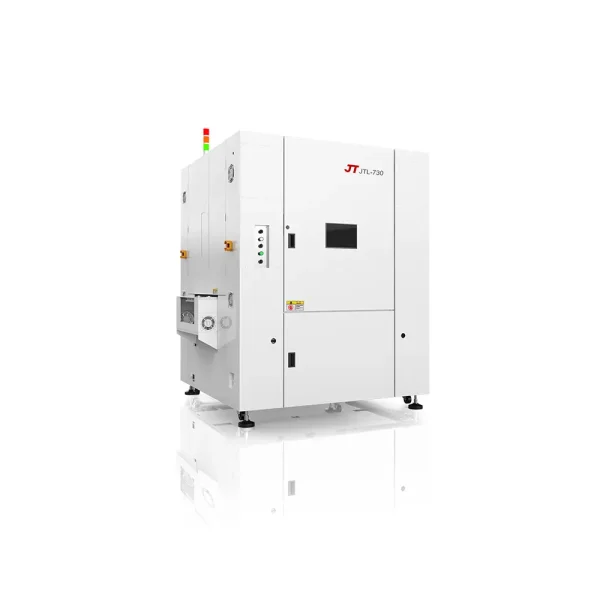

In the surface mount technology (SMT) assembly process, the PCB reflow oven stands as an indispensable core equipment, playing a pivotal role in achieving reliable solder connections between electronic components and printed circuit boards (PCBs). Distinguished by its specialized design and functional advantages, it boasts a set of unique characteristics that cater to the high-precision, high-efficiency demands of modern electronics manufacturing.

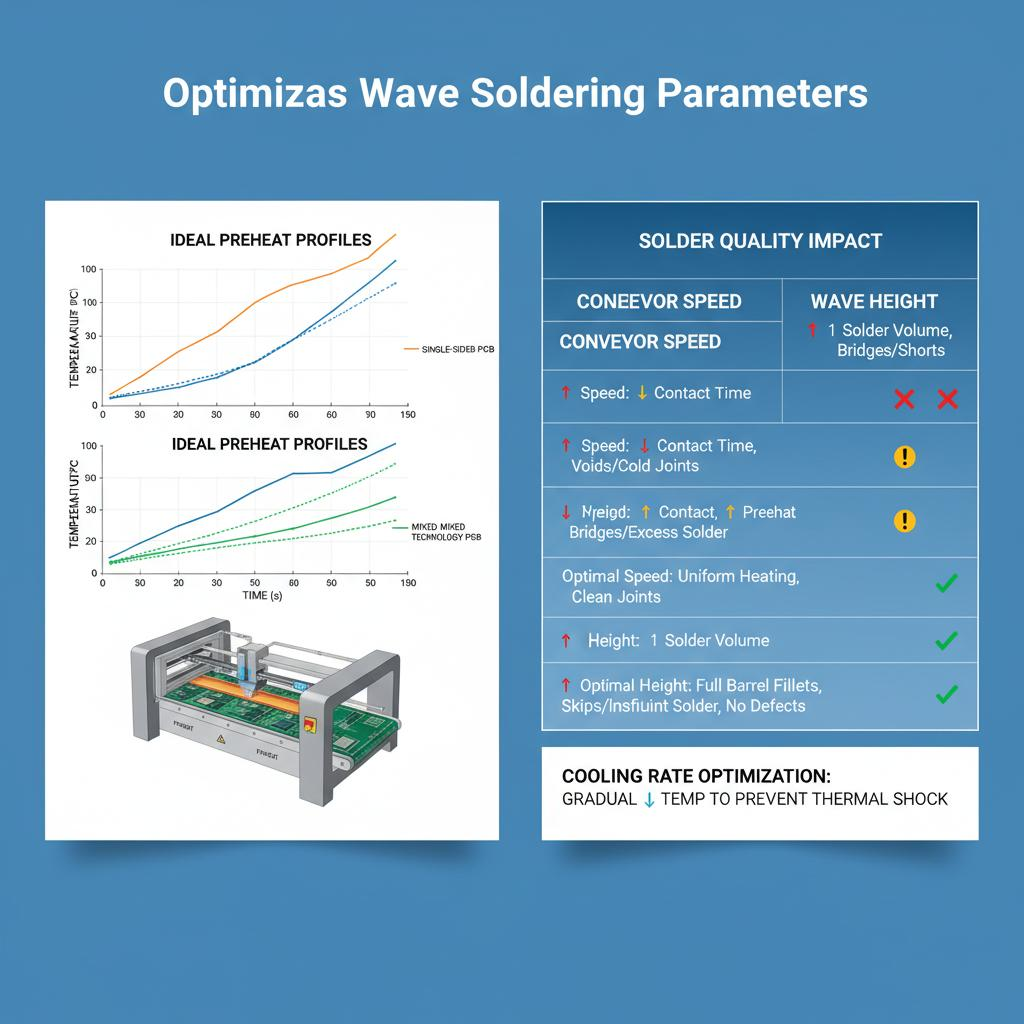
Precise temperature control is the most prominent feature of PCB reflow ovens. Equipped with multiple independent heating zones (usually 6 to 12 zones) and advanced PID temperature controllers, these ovens can accurately regulate temperature gradients across each zone, with a temperature tolerance as low as ±2℃. This precise control enables the oven to follow a customized soldering profile strictly, including preheating, soaking, reflow, and cooling stages. The preheating zone gradually raises the PCB temperature to activate solder paste flux, the soaking zone stabilizes temperature to avoid thermal shock to components, the reflow zone reaches the peak temperature to melt solder balls completely, and the cooling zone solidifies solder joints rapidly. Such a staged temperature control eliminates defects like cold solder joints, tombstoning, and component damage, ensuring consistent soldering quality for every PCB.
Uniform heat distribution is another critical characteristic. Most modern reflow ovens adopt forced hot-air convection heating technology, with fans circulating heated air evenly throughout the chamber. This design avoids cold spots and thermal shadows, ensuring uniform heating on both sides of PCBs, even for dense multi-layer boards or PCBs with complex components such as BGAs and QFPs. Unlike traditional infrared heating, hot-air convection eliminates temperature differences caused by component color and size, making it highly suitable for high-density and miniaturized PCB assemblies.
PCB reflow ovens also feature strong adaptability to advanced soldering processes. With the global promotion of lead-free electronics, these ovens are engineered to handle lead-free solder pastes that require higher peak temperatures and stricter process parameters. Many models are equipped with a nitrogen atmosphere protection function, which reduces oxidation of solder and components during reflow, improves solder joint wetting effect, and minimizes soldering defects. Additionally, the integrated intelligent control system allows operators to store and call multiple custom temperature profiles, adapting to different PCB types, component materials, and soldering requirements flexibly.
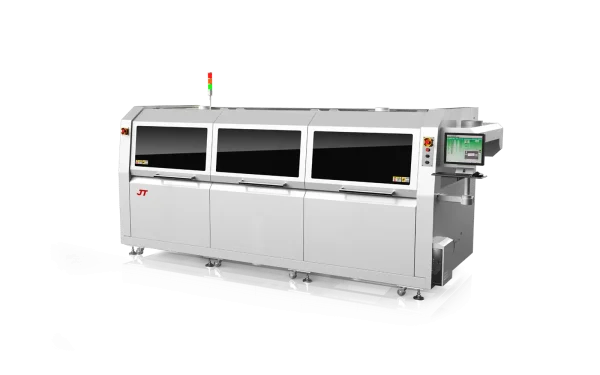
In terms of structural and operational advantages, reflow ovens adopt a continuous conveyor belt design (mesh or chain type), enabling automated and continuous production, which greatly improves manufacturing efficiency. The compact and reasonable structure saves workshop space, while the closed design reduces heat loss and lowers energy consumption. Some advanced models also come with central board support (CBS) to prevent PCB deformation during heating, further enhancing processing stability for large and thin PCBs.
Moreover, these ovens feature high reliability and low maintenance costs. High-quality heating elements and durable internal components ensure long-term stable operation, while the built-in filtration system effectively removes solder fumes, keeping the chamber clean and extending equipment service life.
In summary, PCB reflow ovens integrate precise temperature control, uniform heating, process adaptability, and efficient automation. These characteristics make them irreplaceable in SMT production, supporting the development of consumer electronics, automotive electronics, industrial control, and other high-tech fields, and providing a solid guarantee for the production of high-quality electronic products.