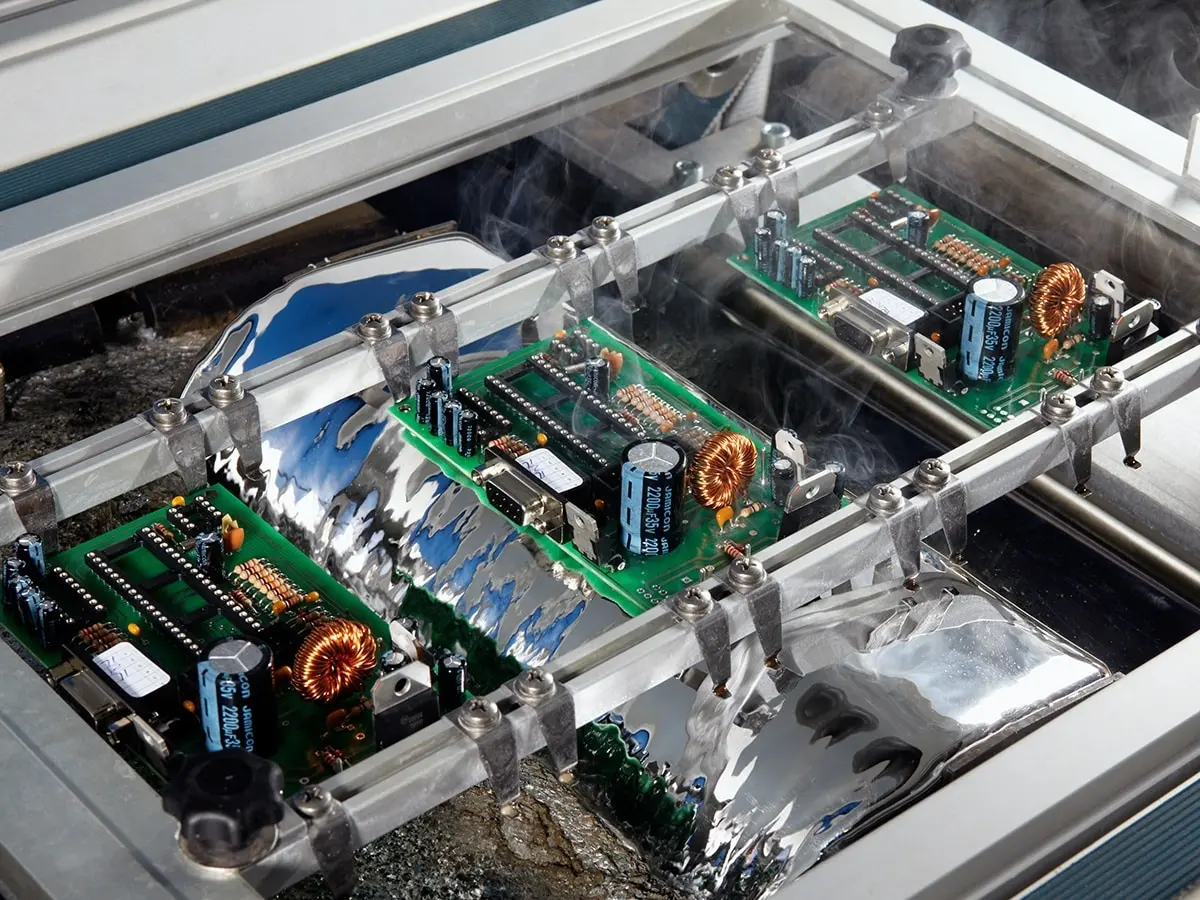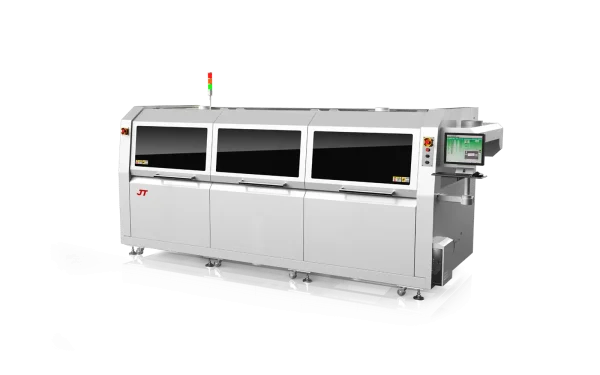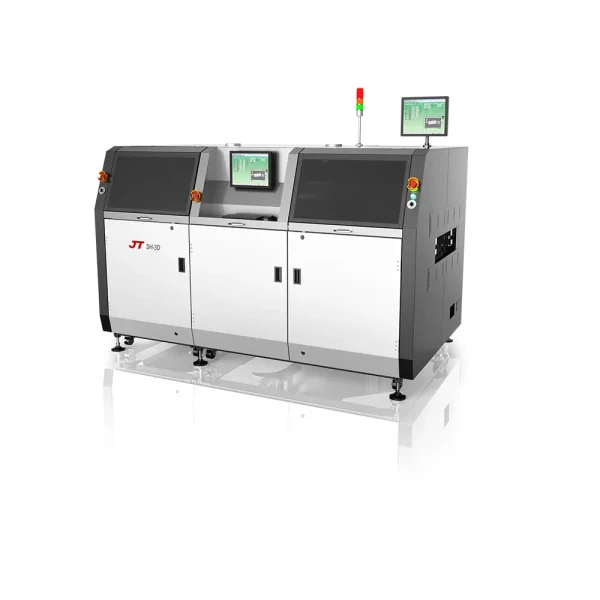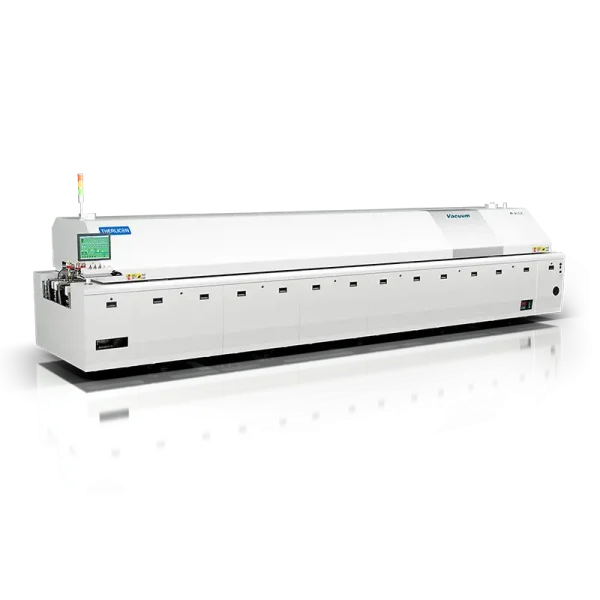

Benchtop reflow oven have become indispensable in modern electronics manufacturing, offering compact size, precise thermal control, and cost‑effective soldering for R&D labs, small‑batch production, education, and prototyping. Driven by miniaturization, smart manufacturing, and industry diversification, their market and technological outlook remains strong. This article analyzes key drivers, technological trends, application expansion, challenges, and future prospects of benchtop reflow oven.

The global shift toward flexible electronics manufacturing is a major growth driver. The rise of IoT, wearable devices, smart sensors, and consumer electronics has boosted demand for small‑scale, high‑precision SMT assembly. Unlike large‑scale industrial reflow furnaces, desktop models feature small footprints, low power consumption, and easy operation, making them ideal for startups, research institutions, and education. Market reports show steady growth in benchtop reflow ovens, with a compound annual growth rate of around 6%–9% in key segments, supported by global electronics innovation and small‑batch production trends.
Technological advancement is reshaping product competitiveness. Modern benchtop reflow ovens adopt closed‑loop PID temperature control, multi‑zone heating, and hot‑air convection systems to improve temperature uniformity and reduce defects. Many integrate digital panels, programmable curves, and PC/PLC connectivity for real‑time monitoring and data logging, aligning with intelligent manufacturing. Energy efficiency and eco‑design are increasingly important: better insulation, low‑energy heating elements, and lead‑free solder compatibility meet environmental regulations. Vacuum‑assisted benchtop reflow ovens are gaining traction in high‑reliability fields, minimizing voids and improving welding quality for automotive and medical electronics.
Application scenarios are expanding rapidly. Traditional uses include PCB prototyping, small‑batch SMT assembly, and component rework. Emerging sectors such as automotive electronics, 5G communications, medical devices, and new energy further drive demand. In automotive electronics, desktop ovens support sensor and control board development; in medical devices, they ensure stable, clean soldering for precision equipment. Education and maker spaces also fuel growth, as schools and training centers use these ovens for practical learning. Asia‑Pacific markets, led by China, India, and Vietnam, are expanding electronics manufacturing, creating significant demand for affordable, reliable desktop soldering equipment.
Despite bright prospects, the sector faces challenges: price competition, thermal consistency in compact chambers, and high‑end technology barriers. Manufacturers must invest in R&D for precision control, intelligent functions, and modular design. Modular configurations, automatic feeding, and AI‑based thermal profiling will enhance usability and quality stability.
In summary, benchtop reflow ovens have broad development prospects. Supported by electronics miniaturization, intelligent upgrading, and small‑batch manufacturing, they will evolve toward higher precision, smarter operation, greater energy efficiency, and wider adaptability. Companies focusing on technological innovation, quality improvement, and scenario customization will capture opportunities in the global market. As a key link in flexible electronic manufacturing, benchtop reflow ovens will continue to empower innovation across industries.