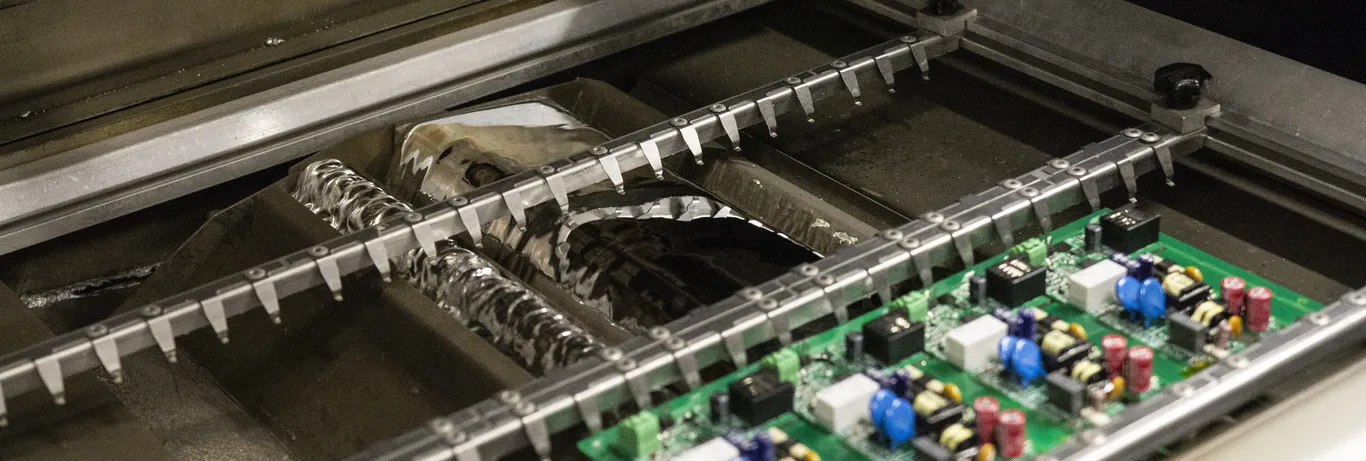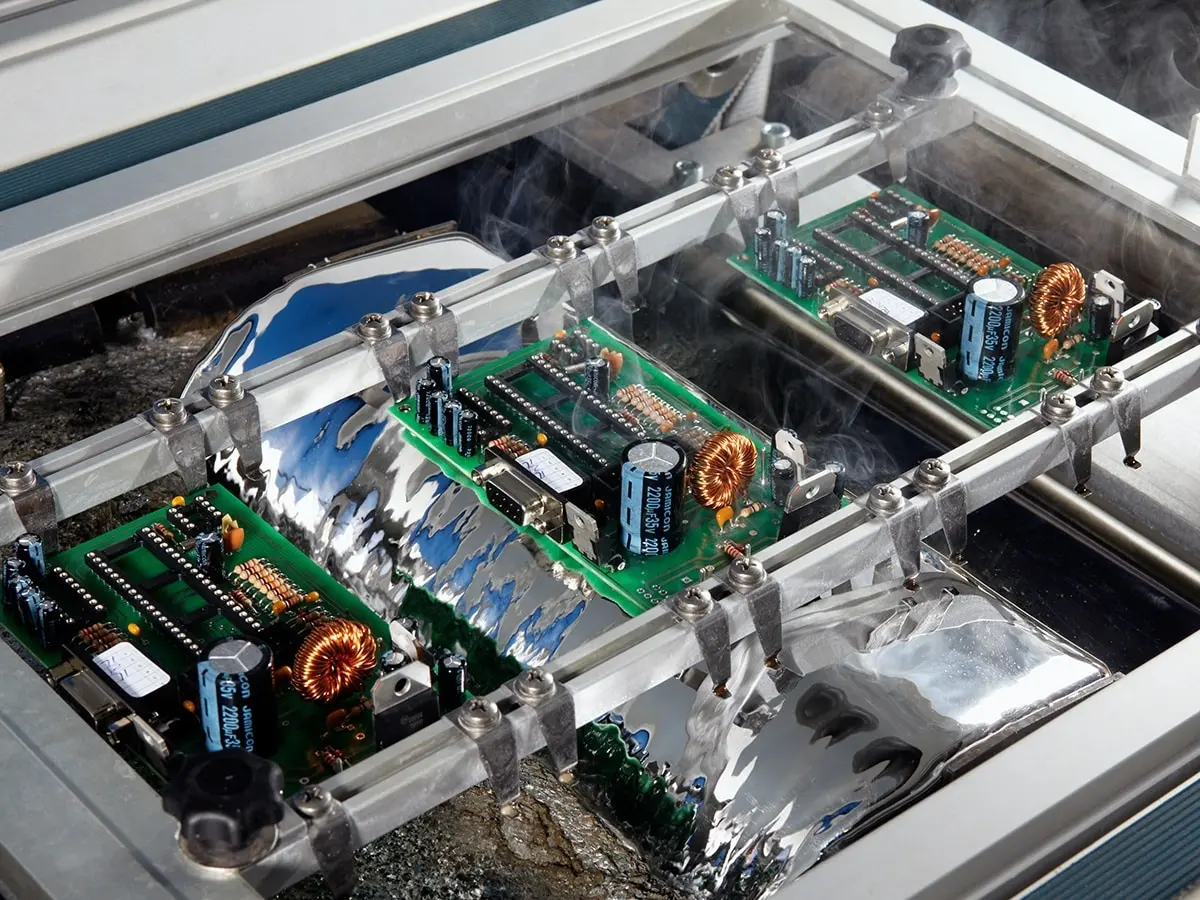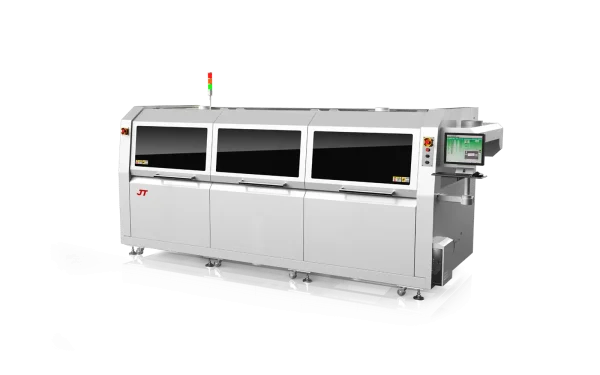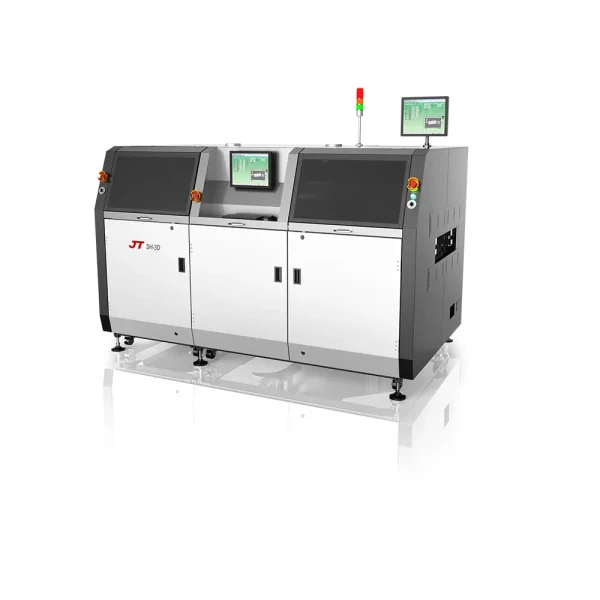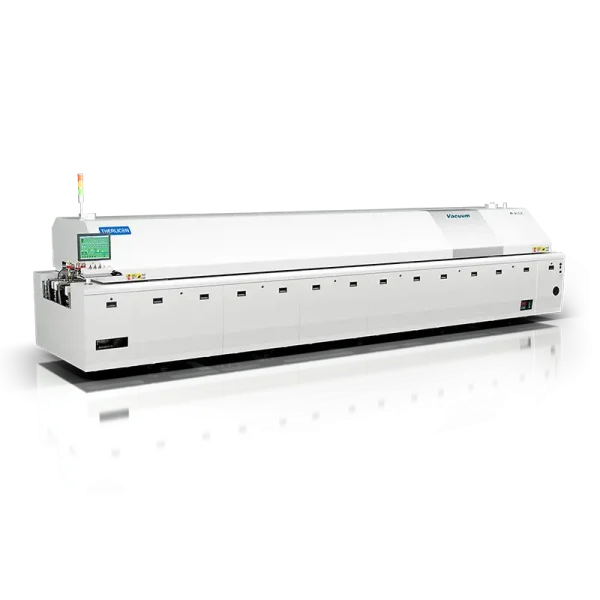

Bench-top reflow soldering ovens have emerged as essential equipment in modern electronics manufacturing, serving small-batch production, prototype development, and laboratory research scenarios. Unlike large-scale in-line reflow systems, these compact devices are designed for flexibility, precision, and ease of use, making them ideal for scenarios where space is limited but high-quality soldering results are required. Core to their functionality is the ability to accurately control the reflow process, ensuring solder joints meet industry standards while accommodating a wide range of PCB sizes and component types. Below is an in-depth exploration of the key features that define bench-top reflow soldering ovens.

First and foremost, bench-top reflow ovens exhibit compact and space-efficient design. Their small footprint makes them suitable for installation in limited spaces such as workbenches, laboratory countertops, or small-scale production lines. Despite their compact size, most models are equipped with fully functional reflow chambers, adequate heating zones, and user-friendly control panels, avoiding the bulkiness of industrial in-line systems. This design not only saves floor space but also reduces installation costs, making them accessible to small enterprises, R&D teams, and educational institutions.
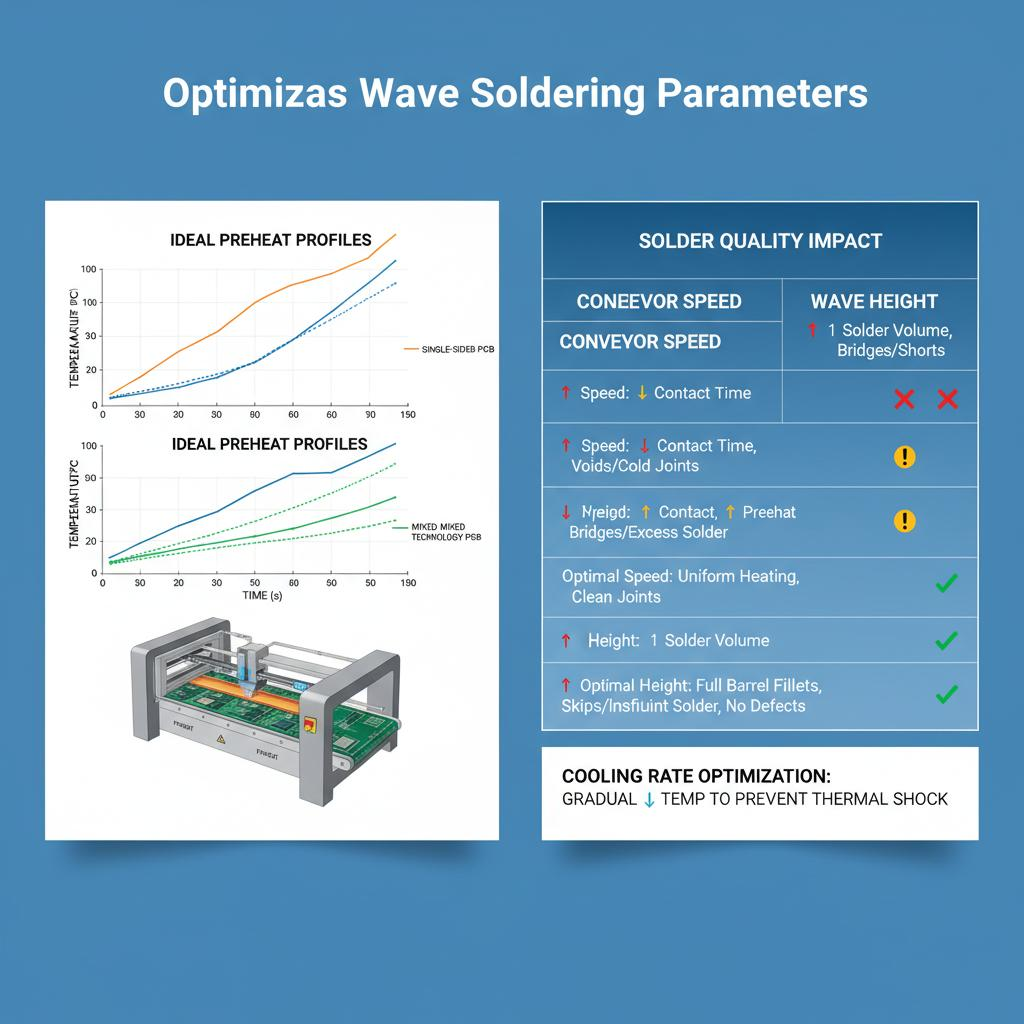
A second critical feature is multi-zone temperature control and uniform heating. High-quality bench-top ovens typically integrate 3 to 5 heating zones, including preheating, soaking, and reflow zones, each equipped with independent temperature sensors and heating modules. This allows precise regulation of the reflow profile—controlling heating rates, soaking time, peak temperature, and cooling speed—to match the requirements of different solder pastes (e.g., lead-free solder, tin-lead solder) and component sizes. Uniform heat distribution within the chamber minimizes temperature differences across the PCB surface, preventing issues such as cold joints, tombstoning, or component warpage, and ensuring consistent solder joint quality across multiple boards.
Thirdly, bench-top reflow ovens come with flexible processing capabilities to accommodate diverse PCB requirements. They support a wide range of PCB sizes, from small micro-modules to standard-sized boards, with some models offering adjustable conveying speeds or tray-based loading options. Compatibility with both leaded and lead-free soldering processes makes them versatile for various applications, from simple through-hole components to complex surface-mount devices (SMDs) including fine-pitch ICs and 0402/0201 micro-components. Many models also include built-in cooling fans or cooling zones to accelerate the solidification of solder joints, improving production efficiency and reducing cycle times.
Fourthly, these ovens feature intelligent control and user-friendly operation. Most are equipped with touch-sensitive control panels that allow operators to program and store custom reflow profiles, monitor real-time temperature curves, and adjust parameters on-site. Advanced models support data logging and remote monitoring, enabling quality control and process optimization. Intuitive interfaces reduce the learning curve for operators, making it possible to achieve reliable results even for those with limited experience in reflow soldering.
Another notable feature is energy efficiency and low maintenance. Compared to large industrial systems, bench-top ovens consume less power due to their smaller heating chambers and optimized insulation materials, which reduce heat loss. Their modular design simplifies maintenance, with easily replaceable heating elements, temperature sensors, and conveyor parts. This not only lowers long-term operational costs but also ensures minimal downtime, supporting continuous small-batch production.
In summary, bench-top reflow soldering ovens stand out for their compact design, precise multi-zone temperature control, flexible processing capabilities, intelligent operation, and energy efficiency. These features make them an indispensable tool for small-scale manufacturing, R&D, and educational settings, enabling high-quality soldering for a wide range of electronic products. As electronics continue to miniaturize and demand for flexible production grows, bench-top reflow ovens will further evolve to offer higher precision, smarter control, and expanded compatibility, driving innovation in micro-electronics manufacturing.