
Environmental Considerations and Safety in Wave Soldering
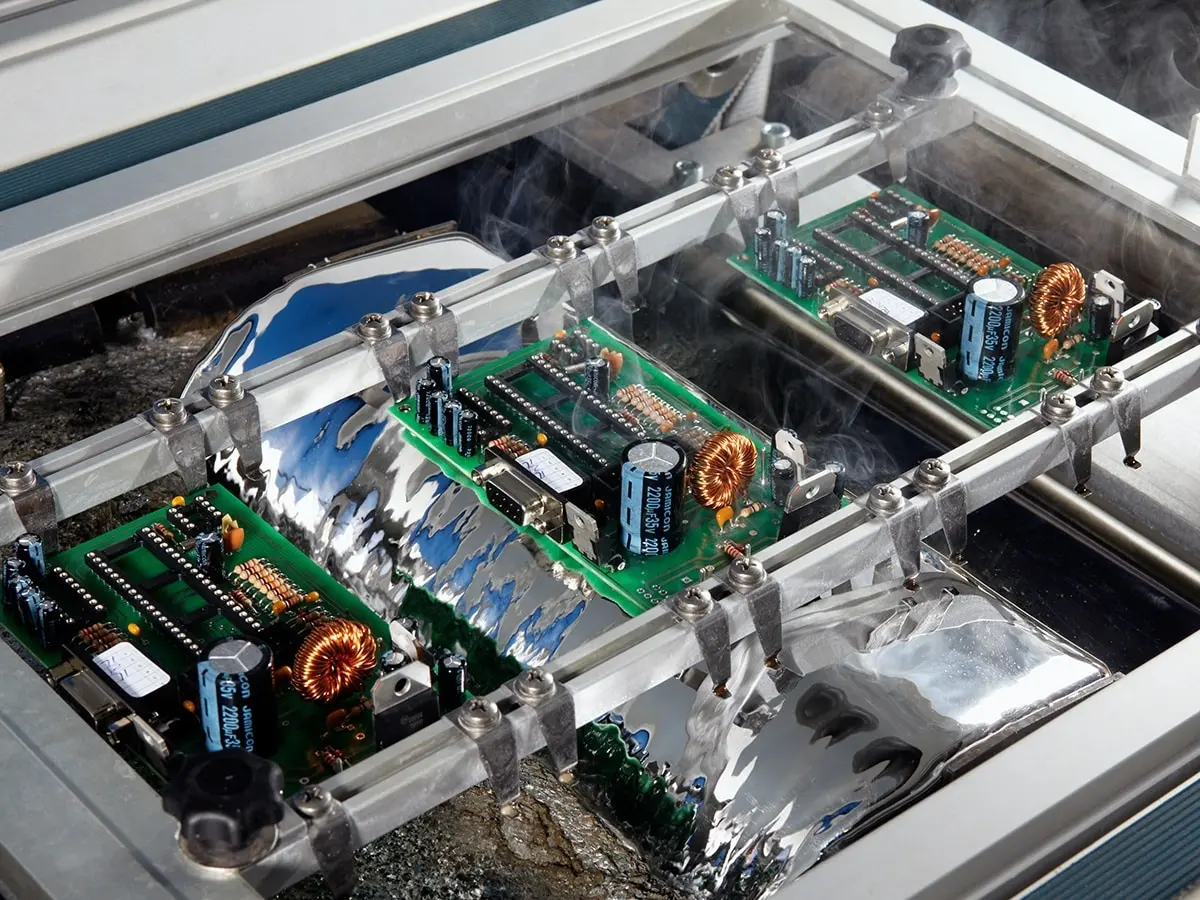
Wave soldering impacts various environmental and safety aspects within electronics manufacturing. Transitioning from leaded to lead-free soldering technologies is among the most significant environmental changes, driven by regulatory concerns and market demand for greener electronics. While lead-free solders eliminate toxic lead exposure, they introduce challenges such as higher melting temperatures which can affect machine calibration and manufacturing processes.
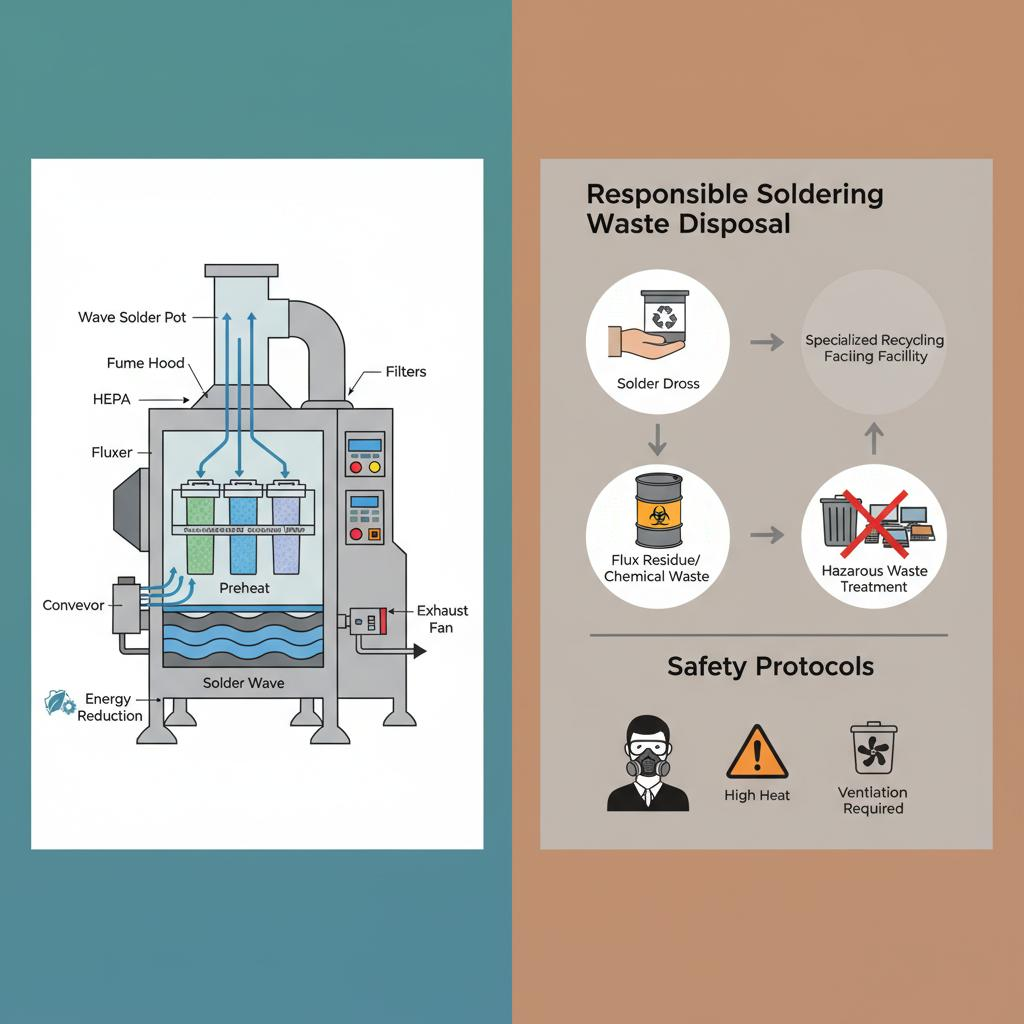
Effective flux waste disposal is crucial in wave soldering operations. Flux residue and dross, by-products of the soldering process, require proper management to minimize environmental contamination. Implementing responsible disposal practices, such as recycling and reuse programs, is essential for sustainable operations. Moreover, energy consumption in wave soldering machines is a primary concern due to constant operations involving heating and maintaining molten solder. Employing energy-efficient soldering equipment and optimizing machine usage can significantly reduce environmental impact.
Fume extraction systems are integral to maintaining air quality. Designed to remove harmful fumes generated during soldering, these systems ensure compliance with industrial hygiene standards. Proper function and maintenance of these systems are critical for both environmental health and worker safety.
Safety protocols in wave soldering emphasize handling molten solder, chemicals, and high temperatures. Workers must be equipped with personal protective equipment (PPE) including gloves, protective eyewear, and heat-resistant clothing to mitigate risks. Furthermore, adequate ventilation is necessary to prevent exposure to toxic fumes and maintain a safe working environment.
Integrating these environmental and safety considerations into wave soldering processes not only complies with industry standards but also enhances operational efficiency and workforce safety. Manufacturers are encouraged to adopt comprehensive strategies that prioritize these aspects, contributing positively to sustainable electronics manufacturing.
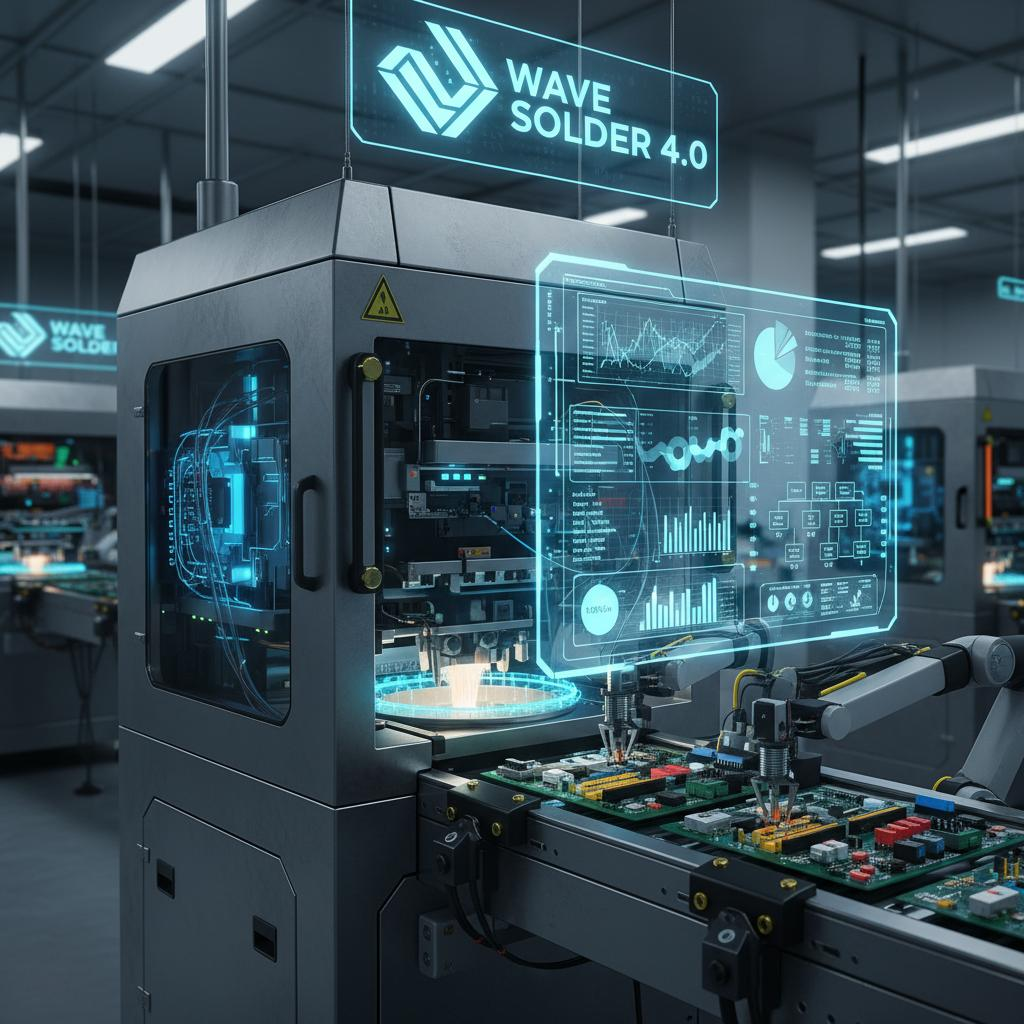
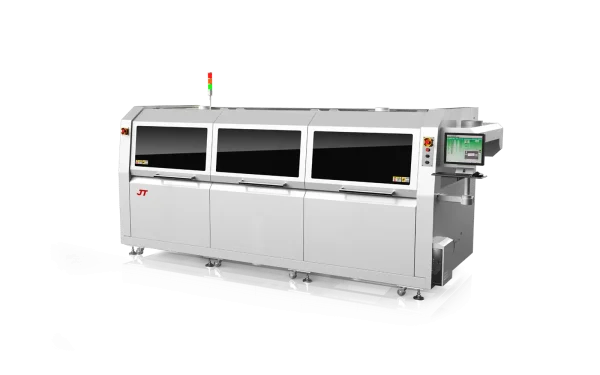
Wave soldering technology continues to evolve rapidly, shaped by advancements that cater to both efficiency and adaptability to modern electronic manufacturing demands. As the industry moves toward more sustainable and technologically integrated solutions, several key trends are emerging that redefine the capabilities and applications of wave soldering.
One significant advancement is in lead-free solder alloys, essential for compliance with environmental regulations such as RoHS. These alloys offer improved conductivity and reliability, crucial for evolving printed circuit board (PCB) designs that demand higher performance standards. In tandem, inert atmosphere soldering is gaining traction, where nitrogen or argon environments minimize oxidation and improve solder joint quality.
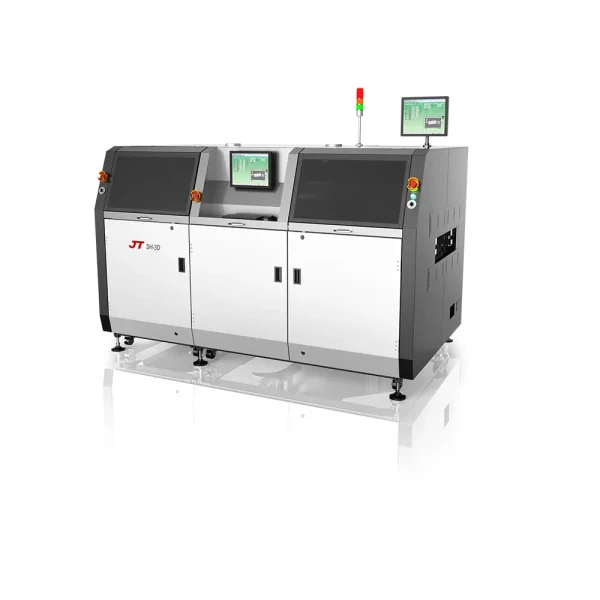
Selective wave soldering is another breakthrough, allowing manufacturers to precisely target specific areas on a PCB. This reduces waste and adapts to complex designs involving mixed technology boards. Coupled with intelligent control systems driven by Industry 4.0, wave soldering machines are increasingly integrated with sensors and data analytics. These innovations empower real-time monitoring and adjustments through AI and machine learning algorithms, optimizing the soldering process and minimizing defects.
Energy-efficient designs reflect an industry-wide shift towards sustainability, reducing operational costs while maintaining high performance. These designs focus on minimizing energy consumption without compromising on output quality, balancing economic and environmental benefits.
As components and PCB designs continue to evolve, wave soldering technology adapts to new challenges. The integration of flexible PCB materials and smaller, more intricate components requires advanced soldering techniques to maintain precision and reliability.
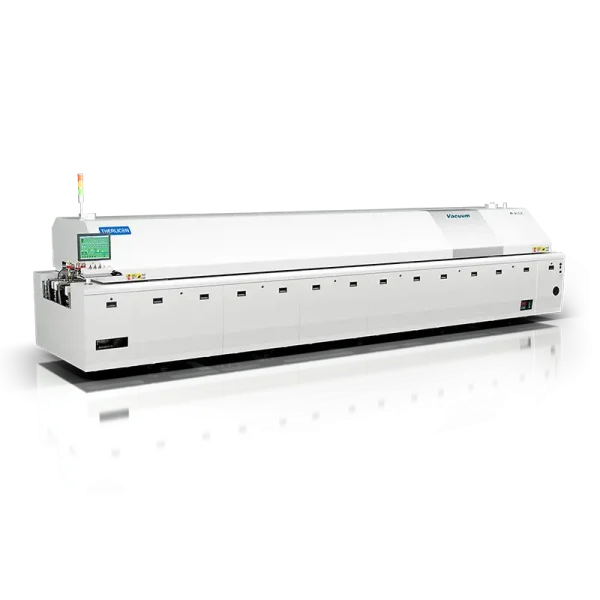
In conclusion, the future of wave soldering offers promising advancements that enhance its adaptability and efficiency. As manufacturers strive for greater production volumes at reduced costs, the synergy between wave and reflow soldering remains crucial.