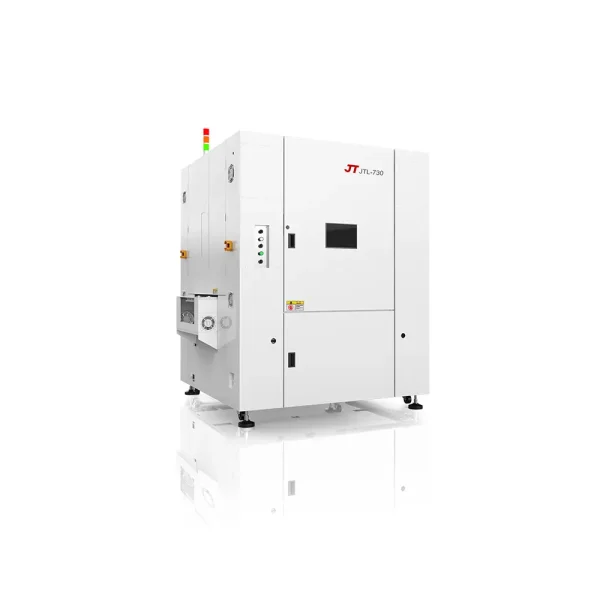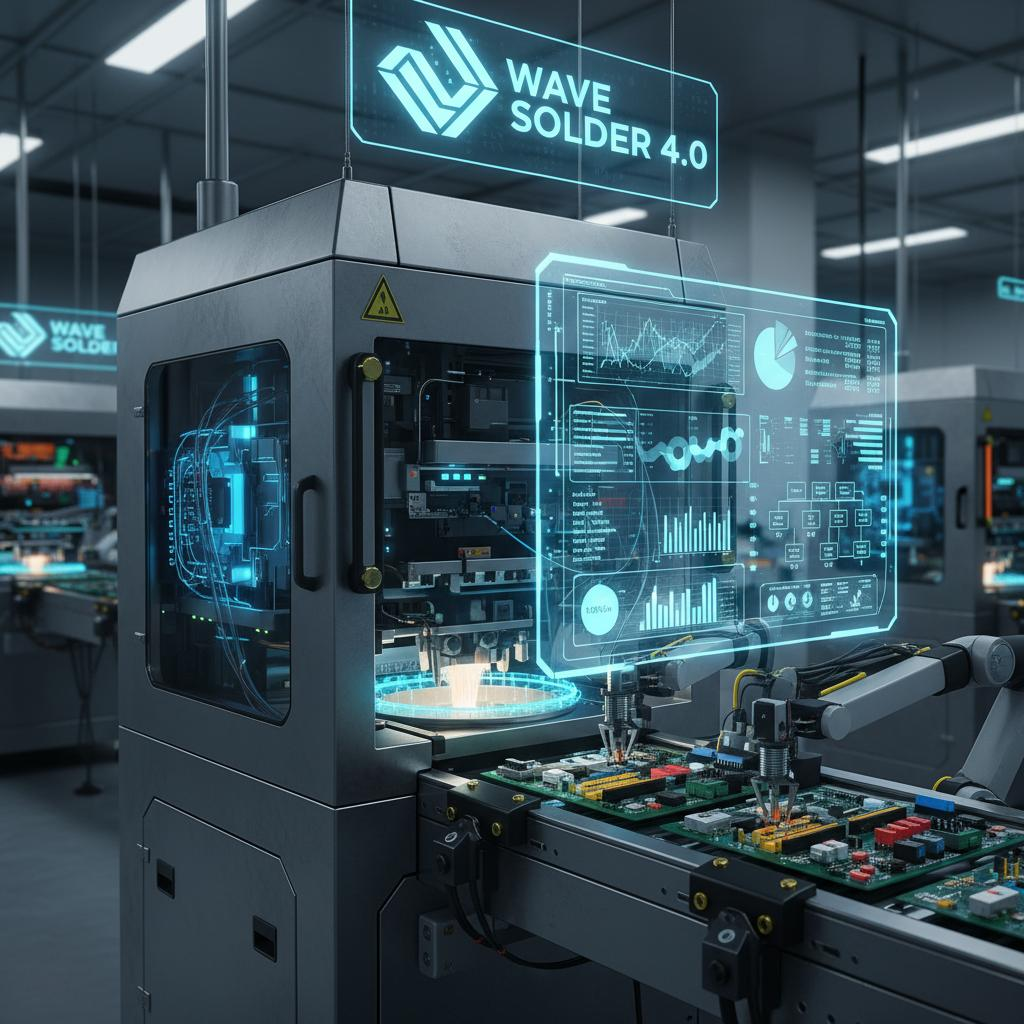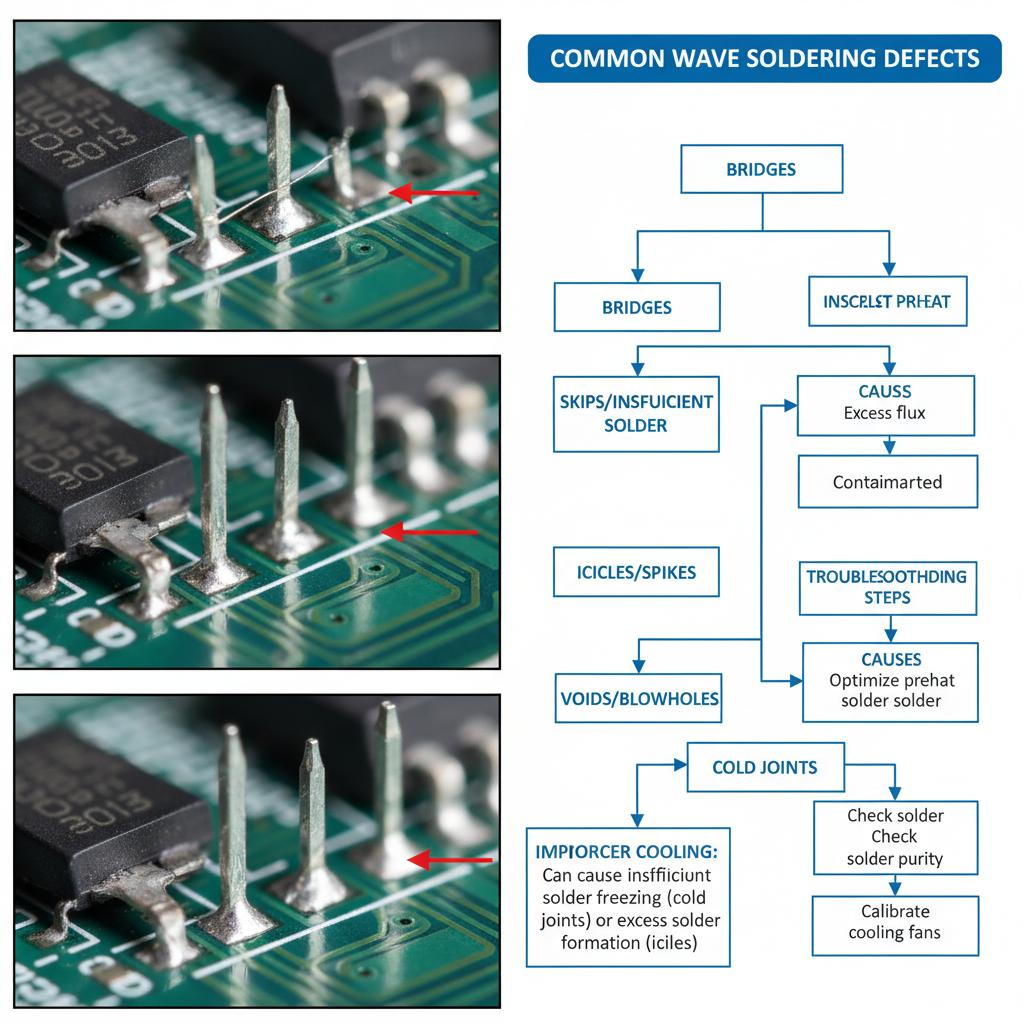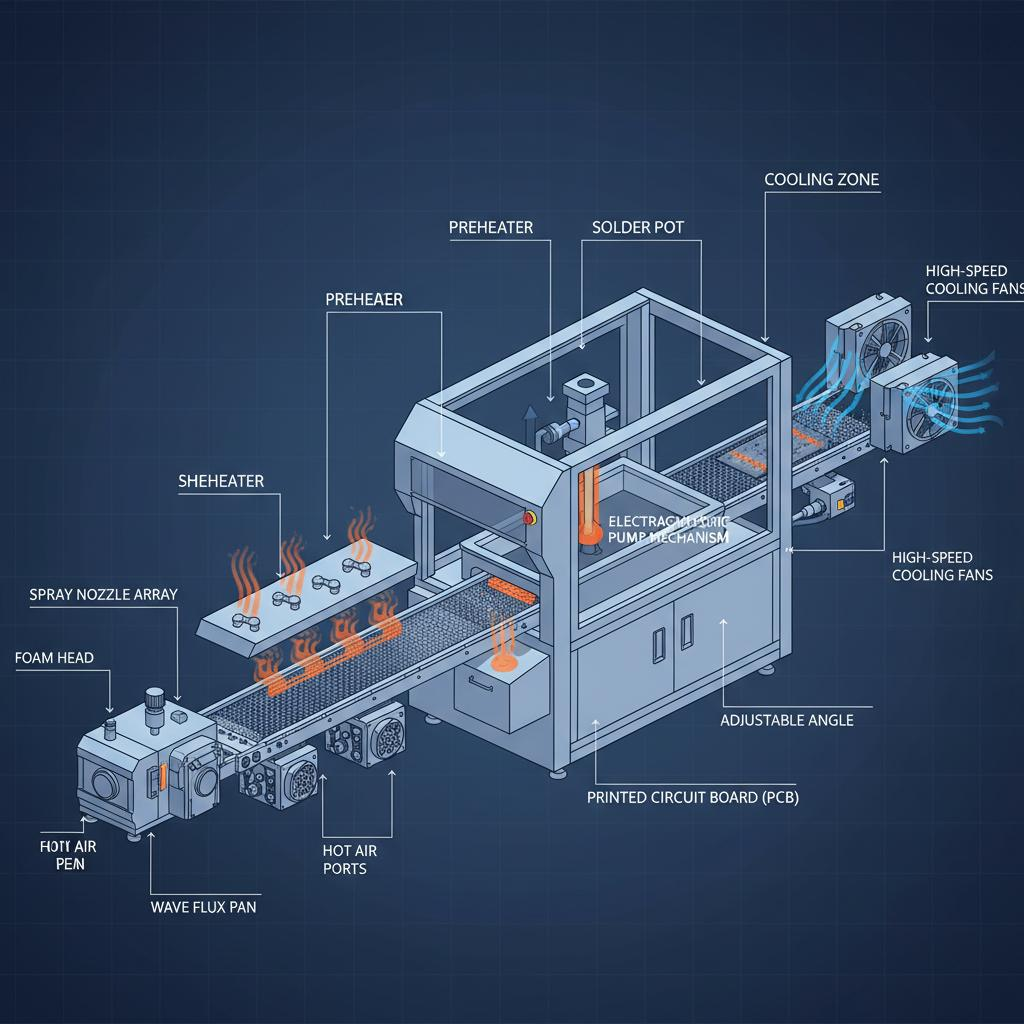

In the electronics manufacturing industry, reflow soldering is a core process of SMT (Surface Mount Technology). It involves heating the solder to melt and resolidify it, achieving a reliable connection between components and the PCB board. With tightening environmental regulations and increasing demands for electronic product reliability, traditional lead-containing solders are gradually being replaced by lead-free materials, leading to the development of lead-free hot air reflow ovens. Although both types are similar in appearance and basic structure, they differ significantly in process compatibility, temperature control accuracy, and equipment design. These differences directly determine soldering quality and production efficiency.

Material Differences
Traditional hot air reflow ovens are designed for lead-containing solders (such as Sn63Pb37), which have a melting point of 183℃, good wettability, a wide soldering window, and high tolerance for temperature control errors. Lead-free solders (such as Sn-Ag-Cu, Sn-Cu, etc.) generally have melting points above 217℃ and poor wettability, making them prone to defects such as cold solder joints and bridging. Lead-free hot air reflow ovens require optimized hot air circulation efficiency and temperature uniformity to ensure uniform spread of lead-free solder at high temperatures, preventing soldering defects caused by localized overheating or rapid cooling. For example, some equipment employs a dual-circulation hot air system, independently controlling the airflow speed and temperature of the upper and lower oven chambers to keep the temperature difference between the two sides of the PCB board within ±2℃, significantly improving the yield of lead-free soldering.
Temperature Control
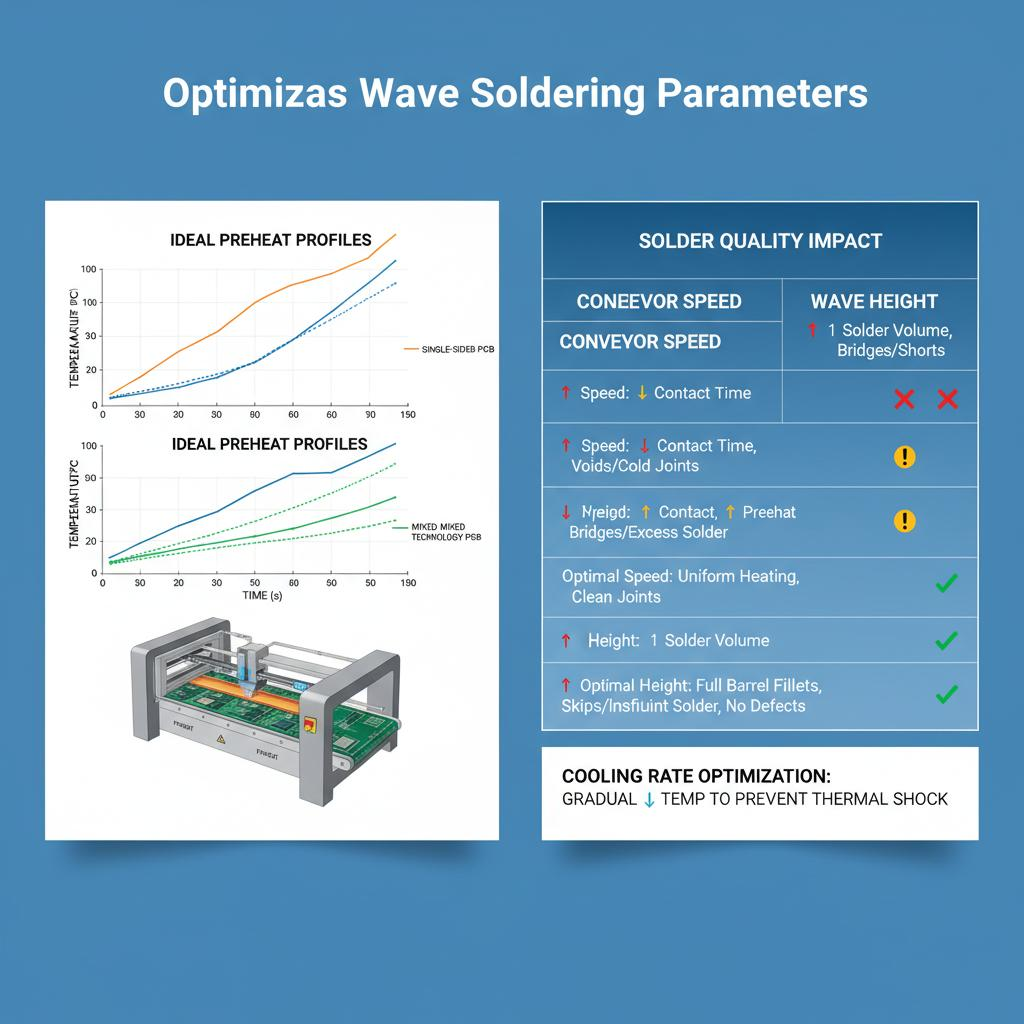
The high melting point of lead-free solder places higher demands on temperature control. Traditional equipment typically uses segmented heating (preheating, holding, reflow, cooling), but the temperature fluctuation range is large (±5℃), making it difficult to meet the stringent requirements of lead-free processes. Lead-free hot air reflow ovens introduce a closed-loop temperature control system, using infrared or thermocouple sensors to monitor the oven temperature in real time and dynamically adjusting the heating power using a PID algorithm to control temperature fluctuations within ±1℃. Furthermore, addressing the susceptibility of lead-free solder to oxidation, the equipment is equipped with a nitrogen protection system. This closed-loop control reduces oxygen content (typically below 50 ppm), lowering the risk of solder joint oxidation, eliminating the need for subsequent cleaning processes, and saving thousands of tons of water annually.
Equipment Design
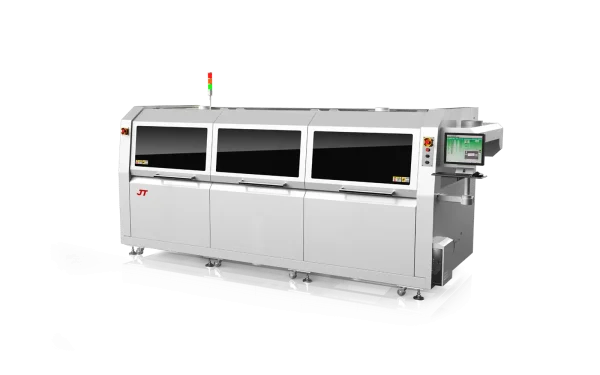
To meet the high-temperature requirements of lead-free soldering, lead-free hot air reflow ovens have undergone targeted upgrades in materials and structure. For example, the heating module uses high-temperature resistant alloy materials, capable of withstanding continuous operating temperatures above 250°C; the conveyor chain is treated with a ceramic coating to reduce deformation and wear at high temperatures; and the cooling system incorporates air-cooling or water-cooling modules to accelerate solder joint solidification and prevent component displacement. Additionally, some equipment integrates a “lead-free soldering mode,” which simplifies operation and reduces reliance on manual experience by pre-setting temperature profiles for lead-free solder (such as heating rate, peak temperature, and cooling slope).
Conclusion
The evolution of hot air reflow ovens from lead-containing to lead-free is not merely a simple process of material substitution, but a comprehensive upgrade in equipment precision, control logic, and process adaptability. Lead-free hot air reflow ovens, through precise temperature control, oxidation inhibition, and structural optimization, have solved the three major challenges of lead-free soldering: difficulty in wetting at high temperatures, easy oxidation, and easy deformation. They have become key equipment for the transformation of electronics manufacturing towards both environmental protection and reliability improvements. In the future, as high-end fields such as 5G and new energy vehicles further increase their requirements for soldering quality, lead-free hot air reflow ovens will continue to evolve, driving electronics manufacturing towards a more precise and greener direction.