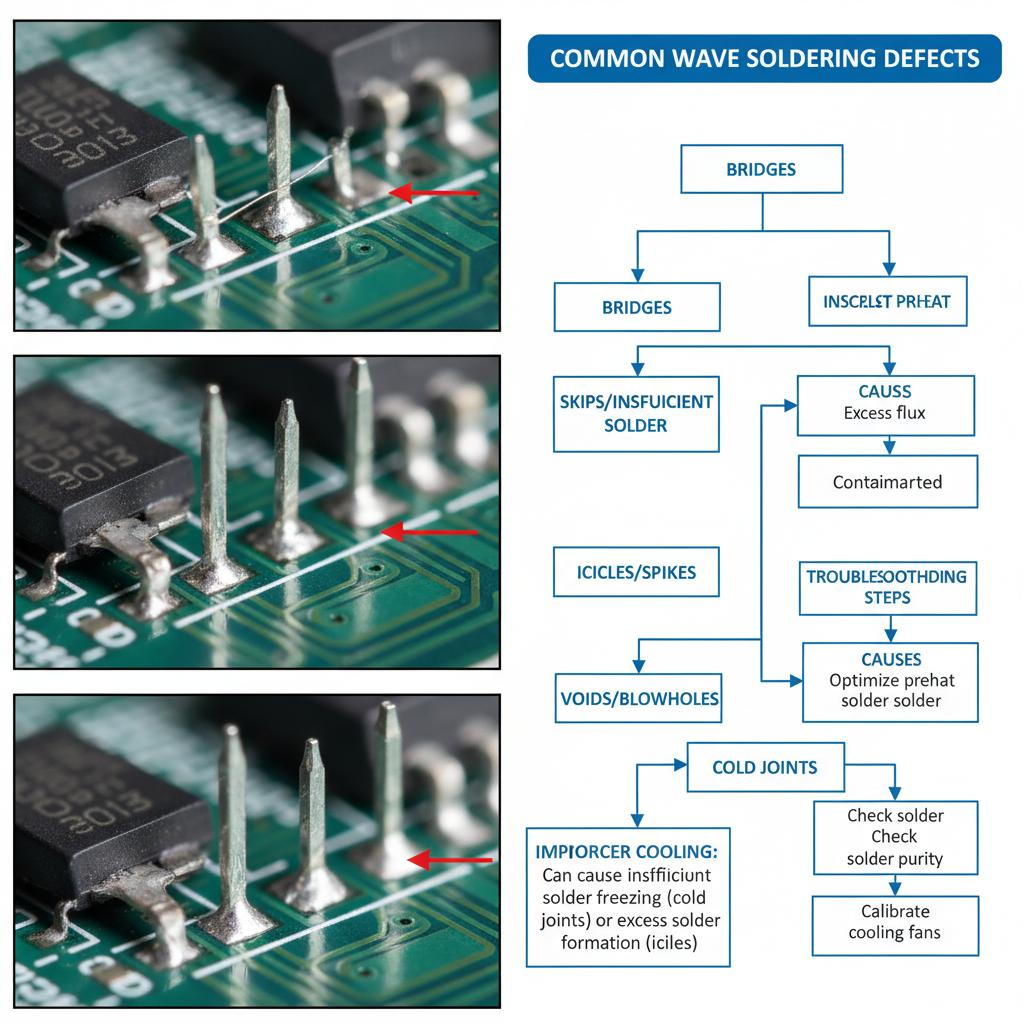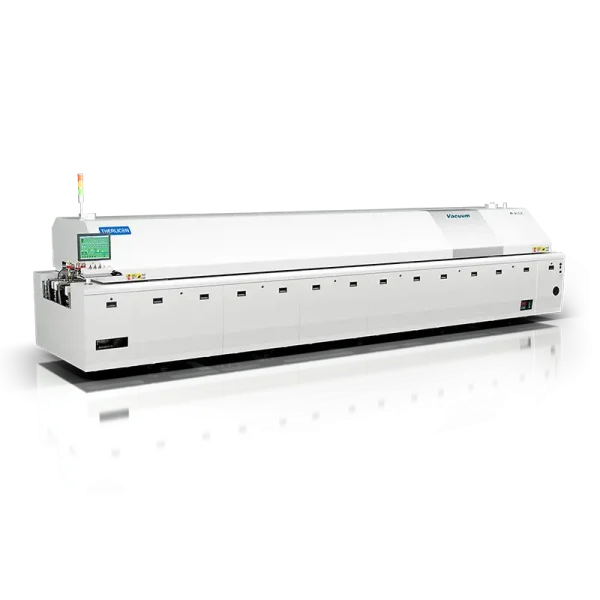

Reflow soldering is a core process in SMT PCB manufacturing, which directly determines the electrical performance and service life of circuit boards. Even with advanced automated soldering equipment, minor defects such as solder bridging, voids, cold joints and insufficient tin may still occur. Therefore, systematic and multi-dimensional quality inspection is essential to filter unqualified products and stabilize production quality. Modern PCB factories adopt a combined inspection mode of automated optical detection, X-ray detection and manual verification to achieve full coverage of reflow soldering quality testing.
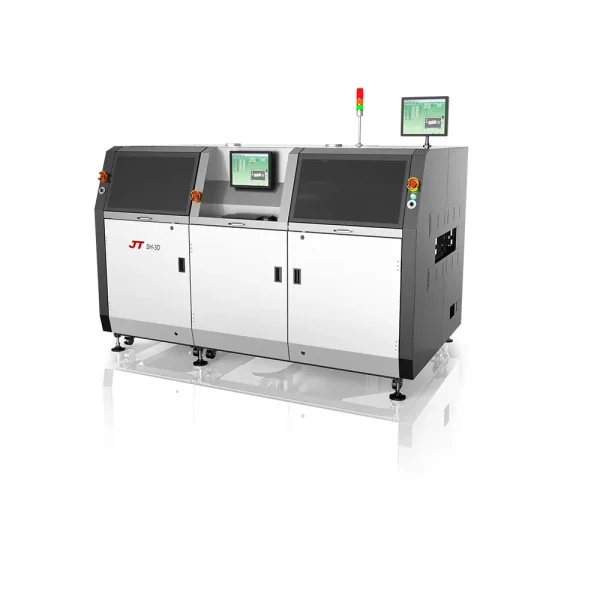
Automated Optical Inspection (AOI) is the most widely used primary detection method after reflow soldering. Equipped with high-resolution cameras and intelligent algorithm systems, AOI equipment captures high-definition images of PCB surfaces and compares them with standard templates. It can efficiently identify surface soldering defects including bridging, missing solder, offset components, tombstoning and excessive solder paste. Operating at high speed, AOI adapts to high-volume automated production lines and completes real-time screening of each circuit board. It effectively replaces traditional naked-eye observation, reduces human error, and greatly improves inspection efficiency and consistency.
For hidden defects that cannot be detected by AOI, X-ray inspection serves as a crucial supplementary means. Many soldering problems occur at the invisible bottom of chips and BGA solder joints, such as internal voids, insufficient solder and open circuits. X-ray equipment penetrates component shells to form internal welding images, allowing technicians and intelligent systems to accurately judge the welding integrity of hidden solder joints. This detection method is indispensable for high-precision electronic products, ensuring the internal soldering quality of precision components.
Final manual sampling inspection and functional testing guarantee ultimate product quality. After machine screening, professional inspectors conduct random sampling of suspected defective boards and recheck borderline defects to avoid false detection and missed detection by equipment. Meanwhile, basic electrical conductivity tests are carried out to verify whether the reflow soldering meets actual working requirements.
In summary, the layered inspection system of AOI appearance detection, X-ray internal detection and manual verification comprehensively controls reflow soldering quality. This scientific testing process minimizes defective rates and ensures the reliability of finished PCBs in industrial and electronic applications.