



• Definition
As its name depicted, wave soldering is used to combine PCB and parts through a liquid “wave” formed as a result of motor agitation and the liquid is actually dissolved tin. It is carried...
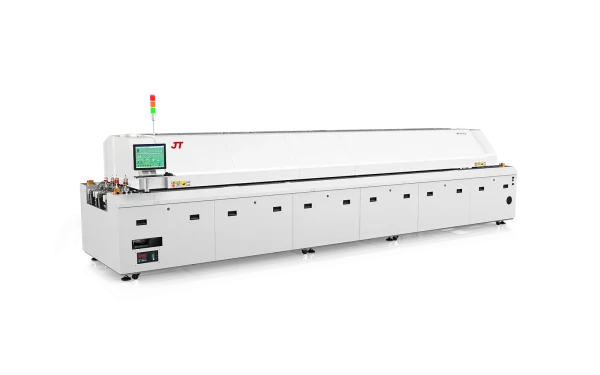
Solder is essentially a wire of metal with a “low” melting point, meaning it can be melted with a soldering iron. In electronics, solder is usually a mixture of tin and lead. Tin has a lower...
Commercially, there are two main soldering methods—reflow soldering and wave soldering. “Manual” soldering can still be used for some mechanically complex or large components, but this is very...
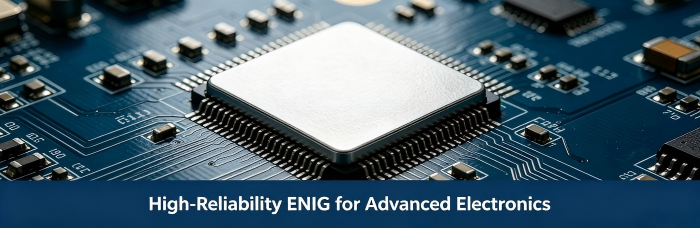
In today’s electronics manufacturing industry, one of the most commonly used surface treatment processes for PCBs is electroless nickel immersion gold (ENIG). Due to its excellent flatness, high...
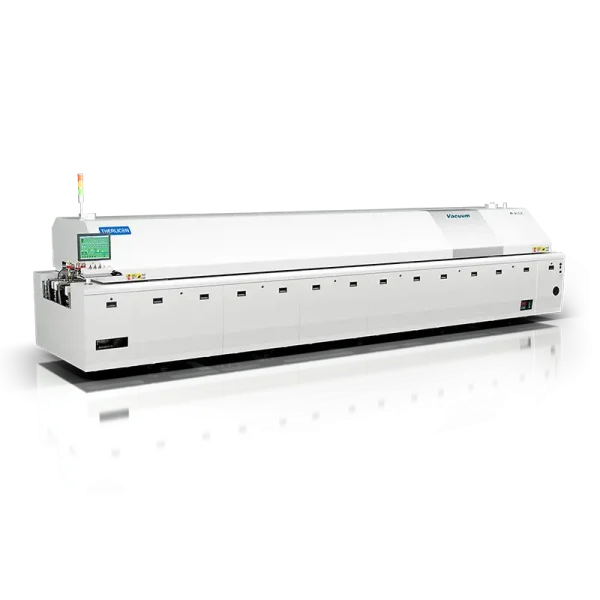
The Impact of Solder Joint Microstructure on Reliability
The internal microstructure of solder joints, as well as the intermetallic compound (IMC) structure at the solder-PCB substrate interface, determines...
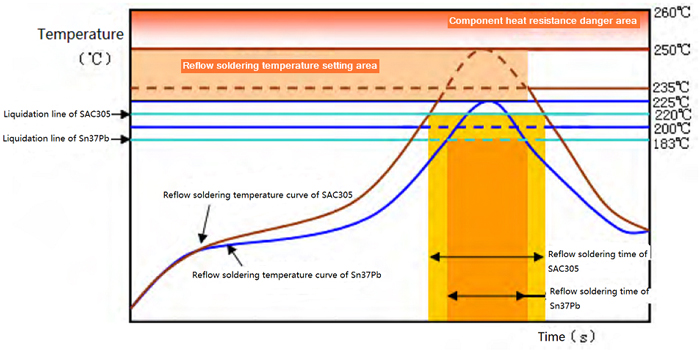
Comparison of MVC’s Reflow Soldering Capacity
MVC refers to the most vulnerable component (MVC) during reflow soldering, such as liquid dielectric aluminum electrolytic capacitors, connectors, DIP...

In the printed circuit board (PCB) assembly process, wave soldering plays a crucial role in component fixation. With continuous upgrades in manufacturing technology and increasing environmental awareness,...
As modern electronic products evolve towards lighter weight, higher speed, and greater efficiency, every step of the manufacturing process follows the same principle, and printed circuit board (PCB) assembly...