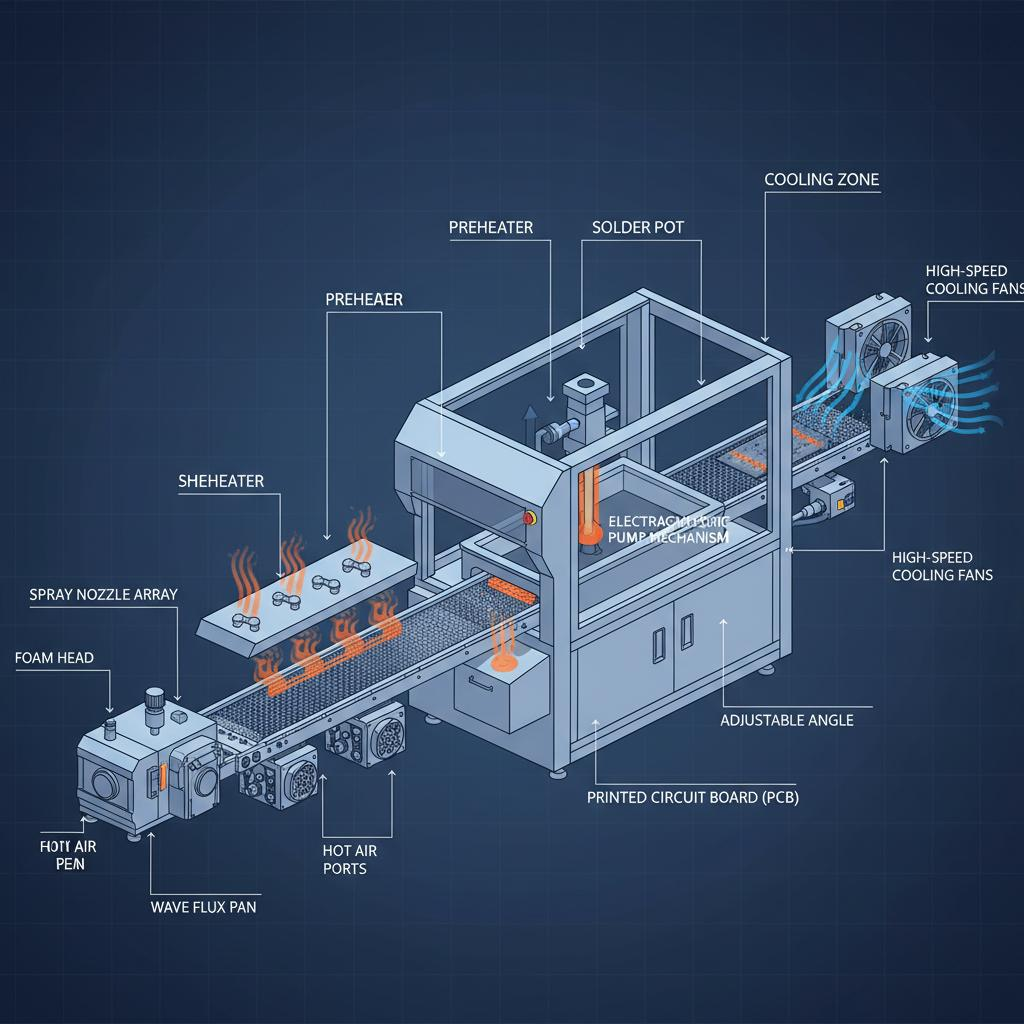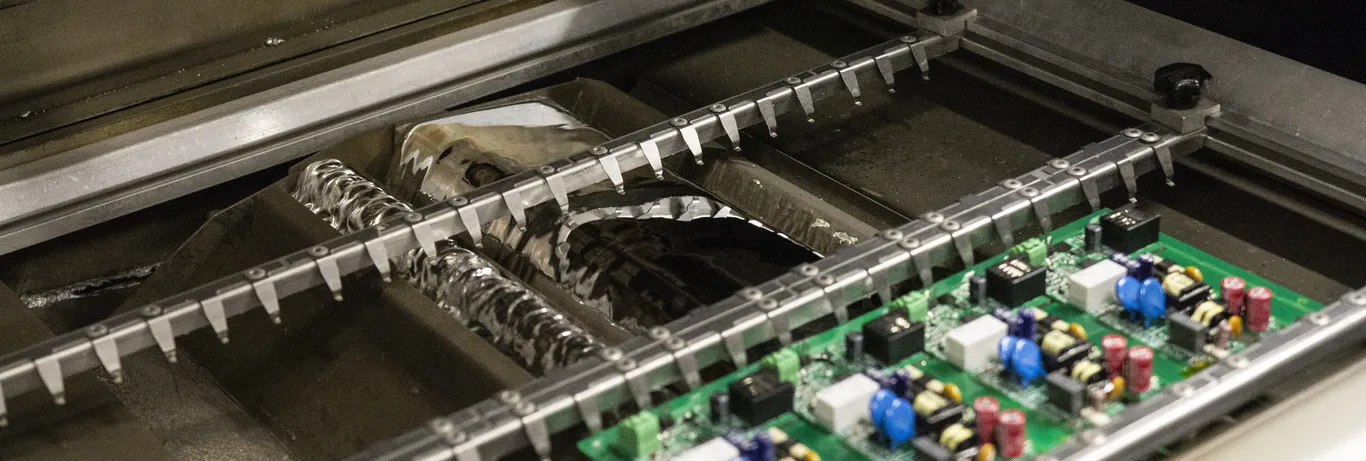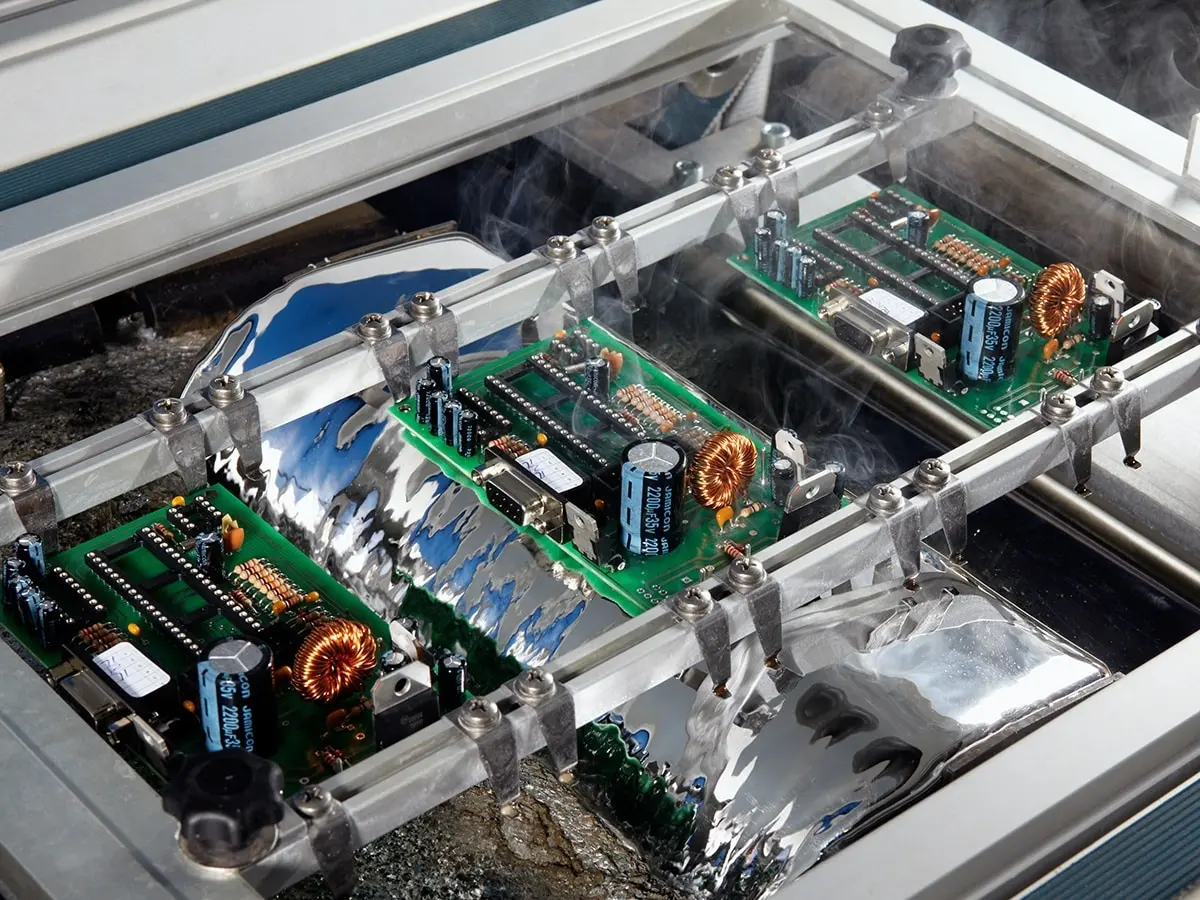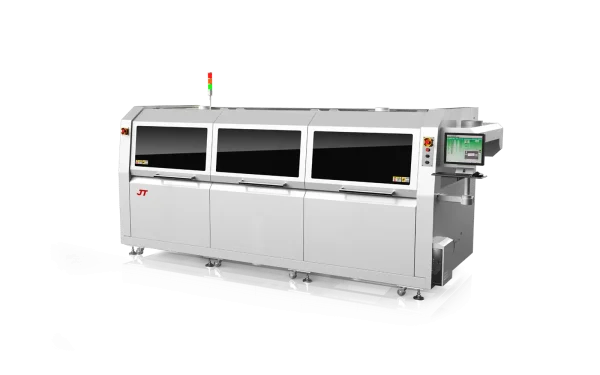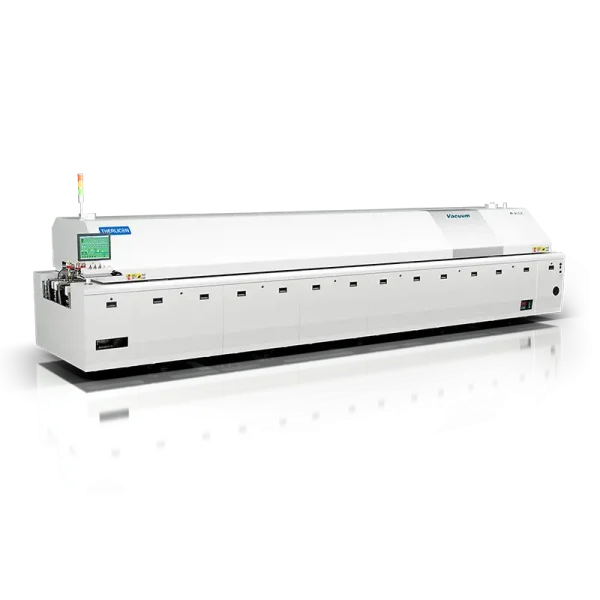

Wave soldering, a cornerstone of electronic assembly technology, has been pivotal in connecting through-hole components to printed circuit boards (PCBs) for over half a century. This automated process, which involves passing a PCB over a molten solder wave to form reliable electrical and mechanical connections, remains indispensable in industries where durability and cost-efficiency are paramount.
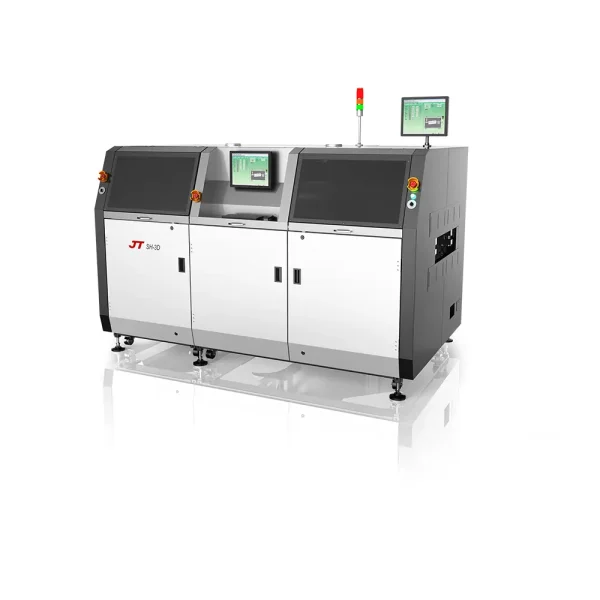
Core Applications in Electronics Manufacturing
1. Consumer Electronics
Wave soldering dominates the production of household appliances like televisions, washing machines, and air conditioners. These devices rely on through-hole components such as resistors, capacitors, and connectors for their robustness and ability to handle high currents. The process ensures consistent solder joint quality, critical for products subjected to frequent use and environmental stress.
2. Automotive Electronics
In automotive systems, where safety and reliability are non-negotiable, wave soldering is used to manufacture engine control units, infotainment systems, and sensor modules. The technology’s ability to withstand extreme temperatures and vibrations makes it ideal for components exposed to harsh automotive environments. Dual-wave systems, combining turbulent and smooth waves, address challenges like shadowing effects in high-density layouts.
3. Industrial Control Equipment
Programmable logic controllers (PLCs) and industrial computers depend on wave soldering for their rugged PCB assemblies. The process’s precision in forming solder joints with minimal defects ensures stable operation in factories, where downtime can be costly. Additionally, nitrogen-inerted soldering systems reduce oxidation, enhancing joint integrity for long-term reliability.
4. Power Supplies and Lighting
High-power applications, such as LED drivers and switch-mode power supplies, leverage wave soldering for its ability to handle large heat sinks and high-current connectors. The technology’s efficiency in mass production aligns with the demand for cost-effective, high-volume manufacturing in these sectors.
Advantages and Evolution
Wave soldering’s strengths lie in its speed, consistency, and adaptability. Modern machines integrate advanced features like:
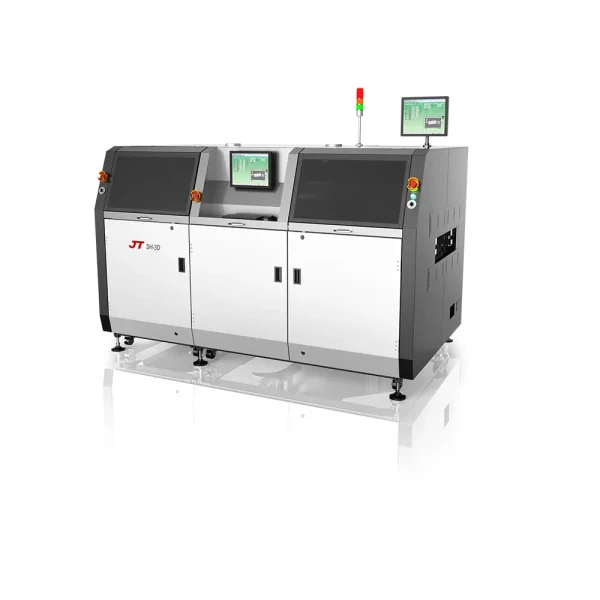
• Selective Wave Soldering: Targets specific areas on mixed-technology PCBs (combining through-hole and surface-mount components), reducing thermal stress on delicate parts.
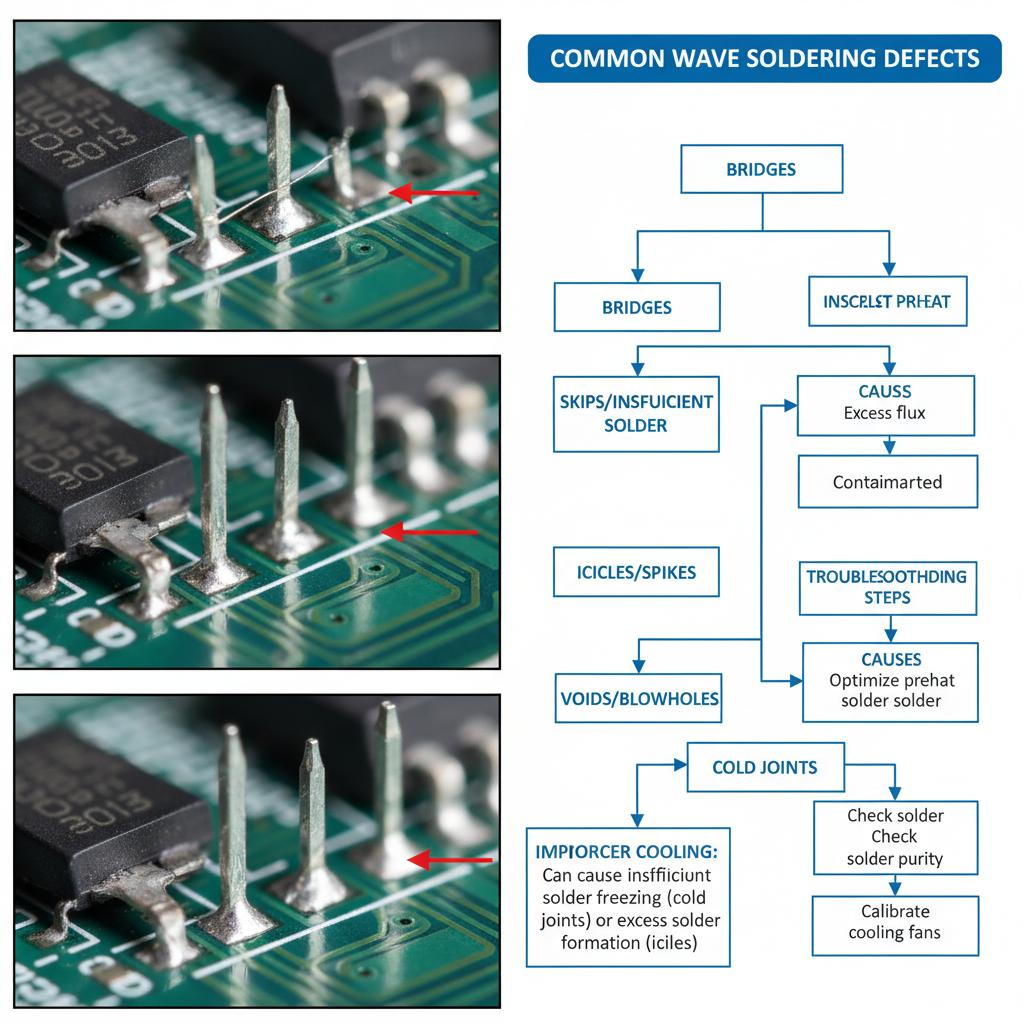
• Lead-Free Compliance: With environmental regulations driving the phase-out of lead, solder alloys like SAC305 (tin-silver-copper) are now standard, requiring precise temperature control to avoid defects.
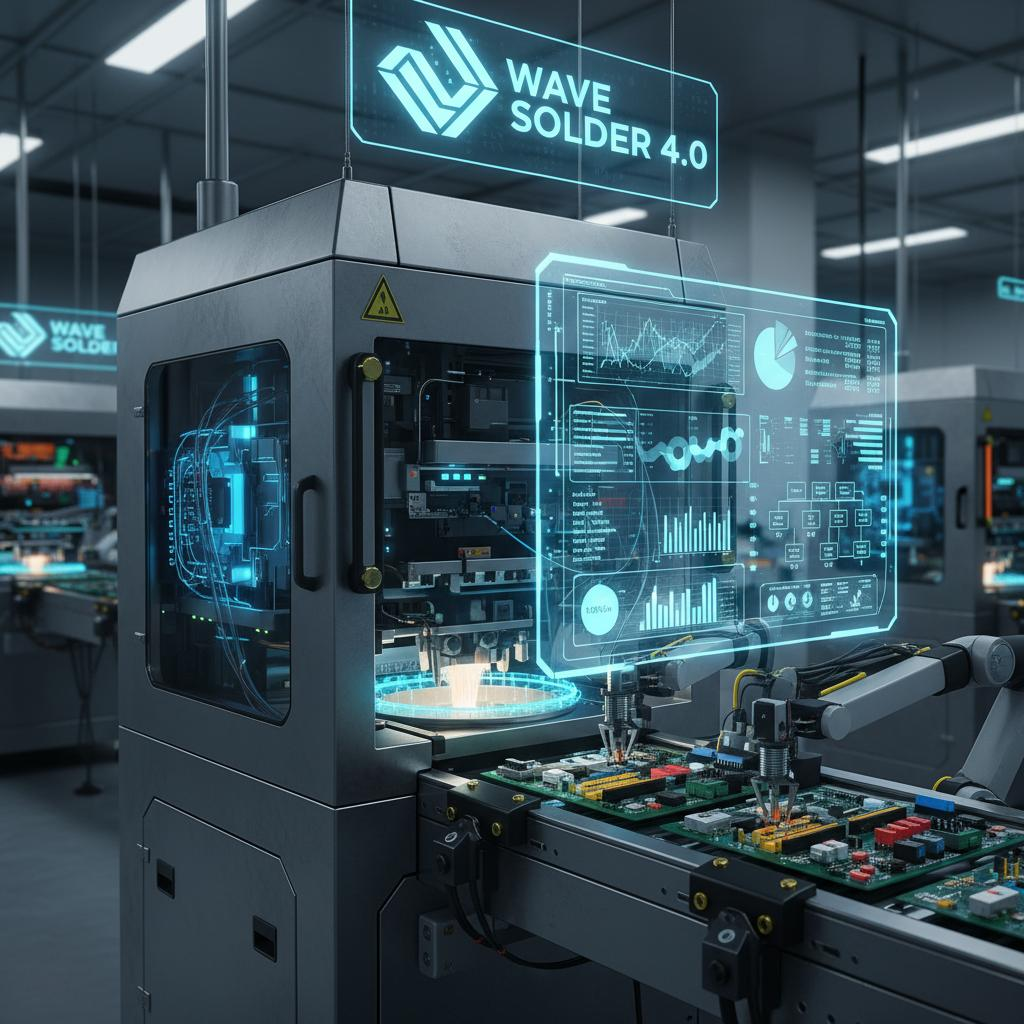
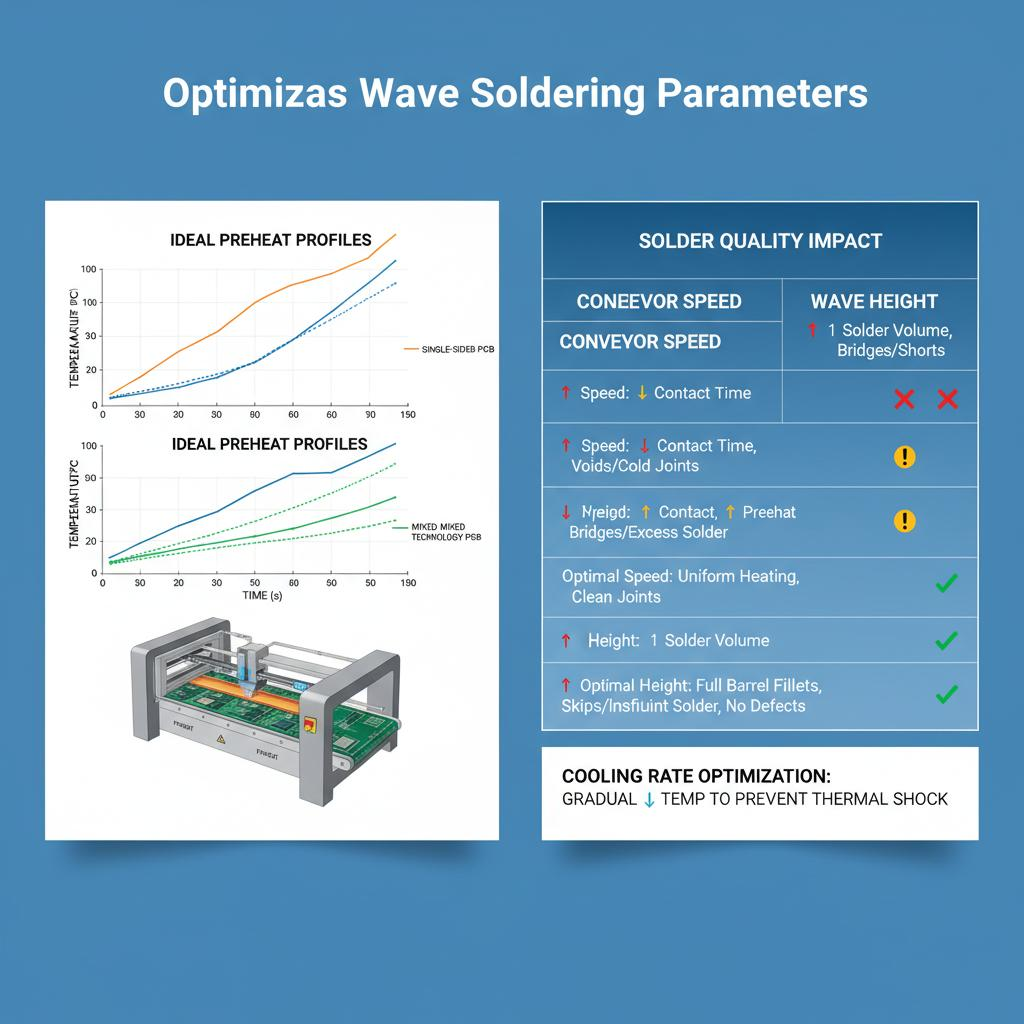
• Smart Process Control: IoT-enabled sensors monitor parameters like solder temperature, conveyor speed, and flux application in real time, minimizing rework and scrap rates.
Future Prospects
As electronics shrink and complexity grows, wave soldering continues to evolve. Innovations such as mini-wave systems for small PCBs and AI-driven defect detection are expanding its relevance. Meanwhile, its synergy with selective soldering and conformal coating lines in modular assembly setups underscores its role in Industry 4.0 factories.
From smart homes to electric vehicles, wave soldering remains a linchpin of electronic manufacturing, balancing tradition with innovation to meet the demands of a connected world.