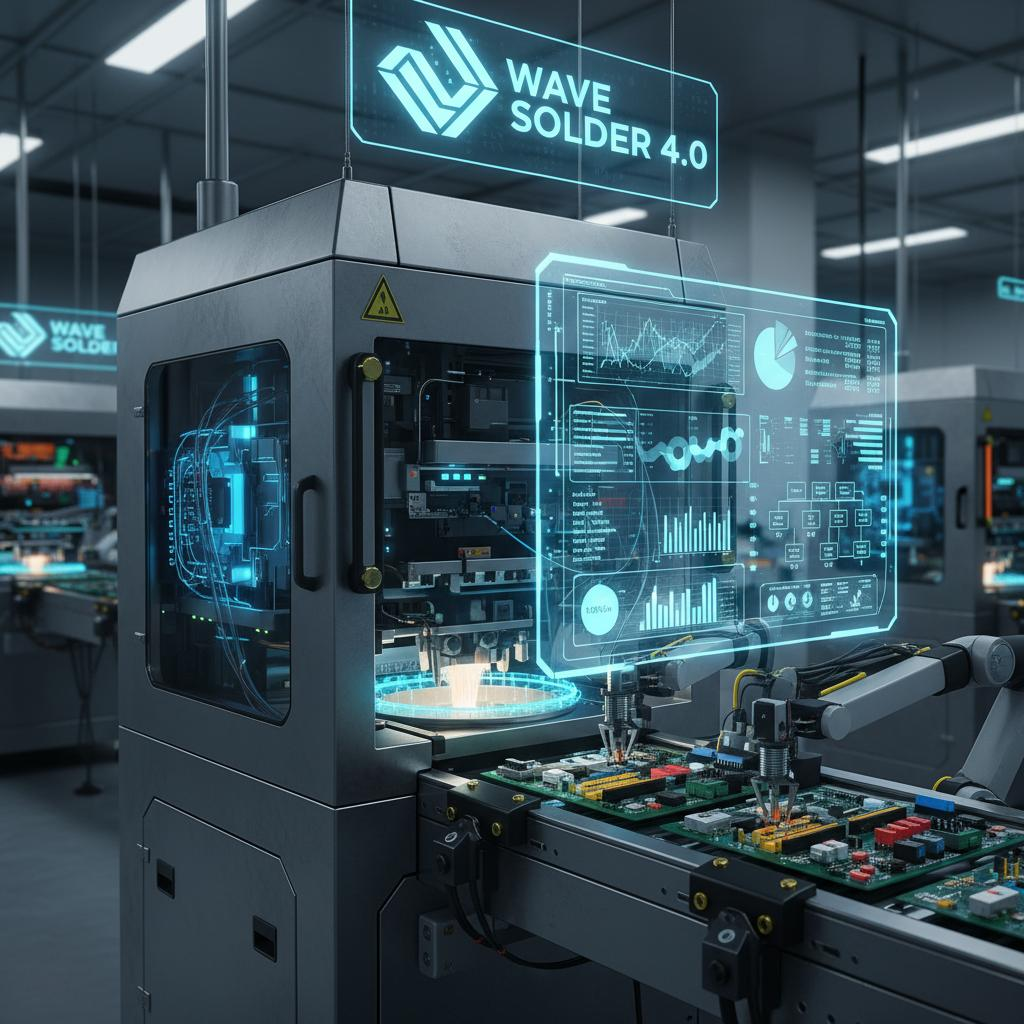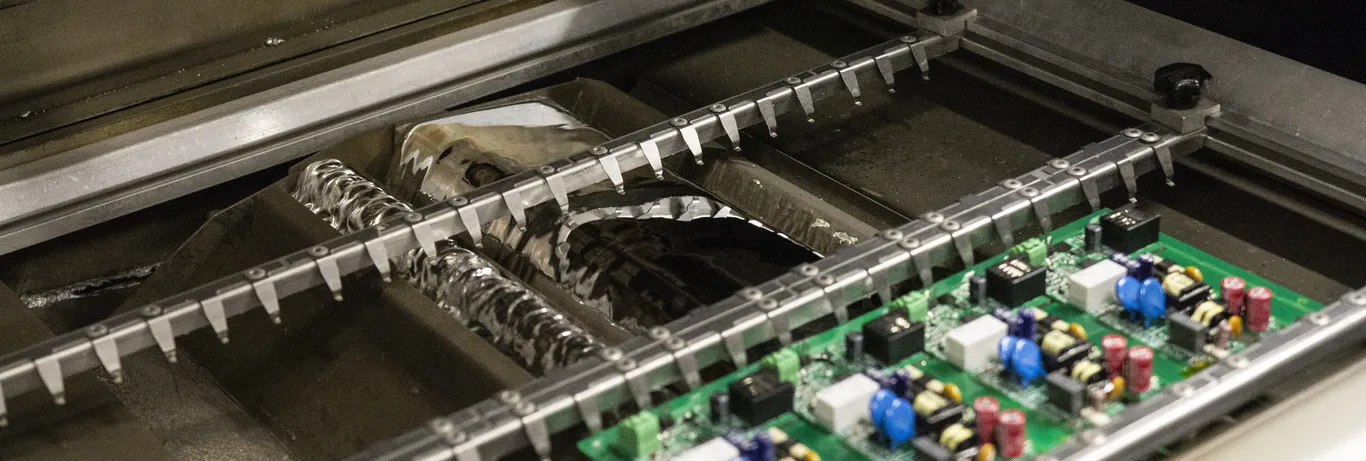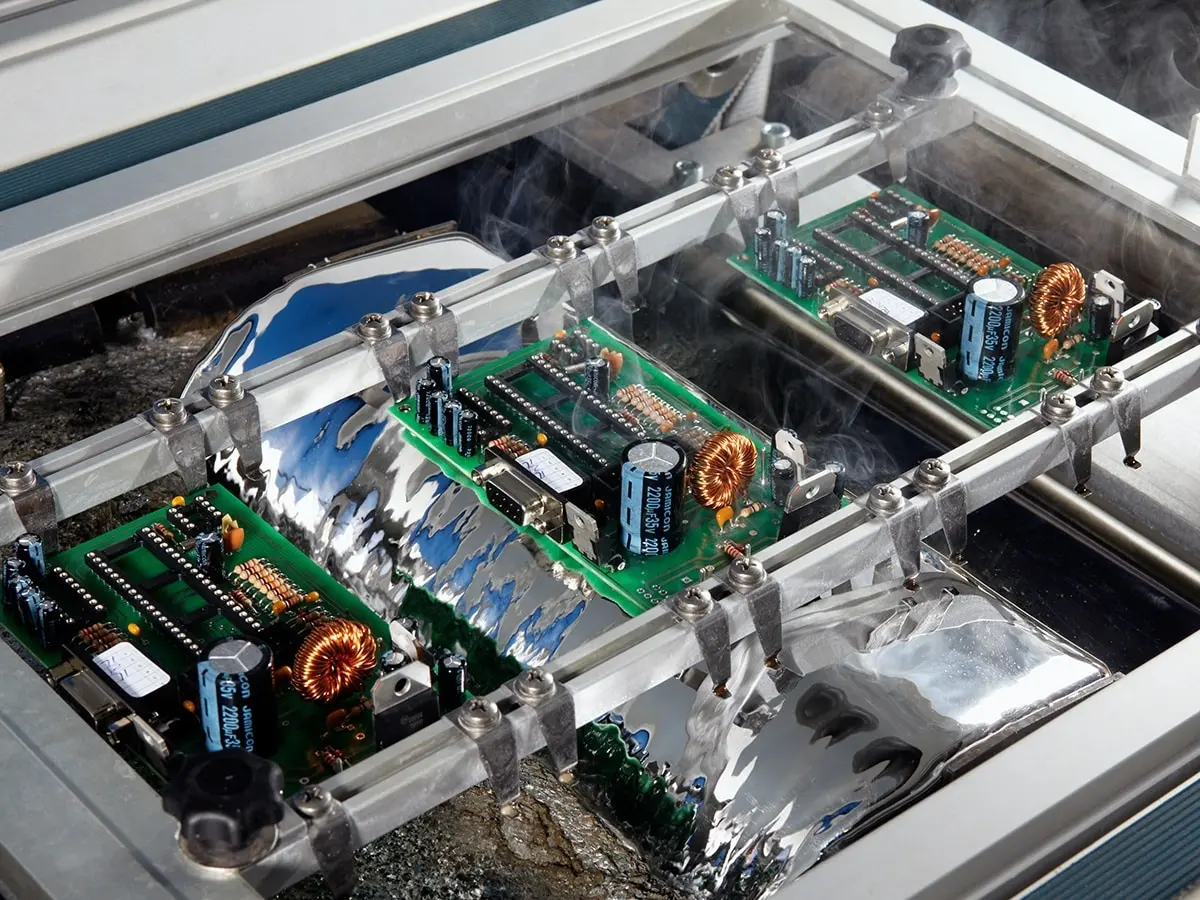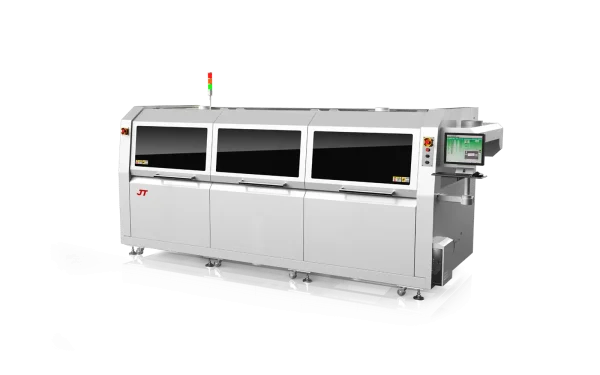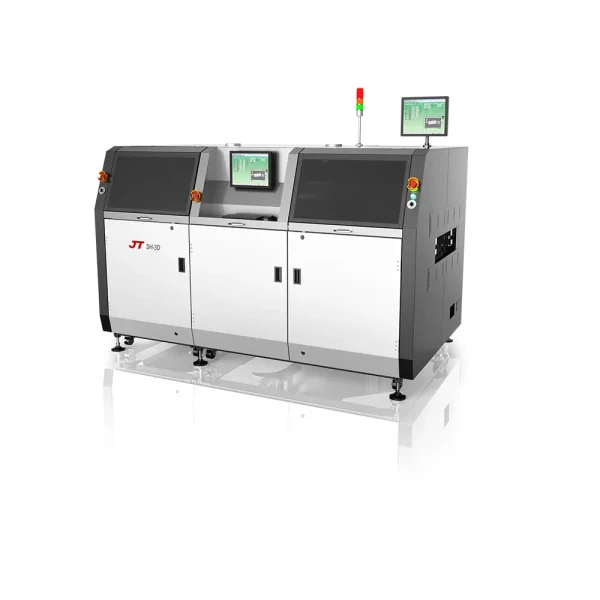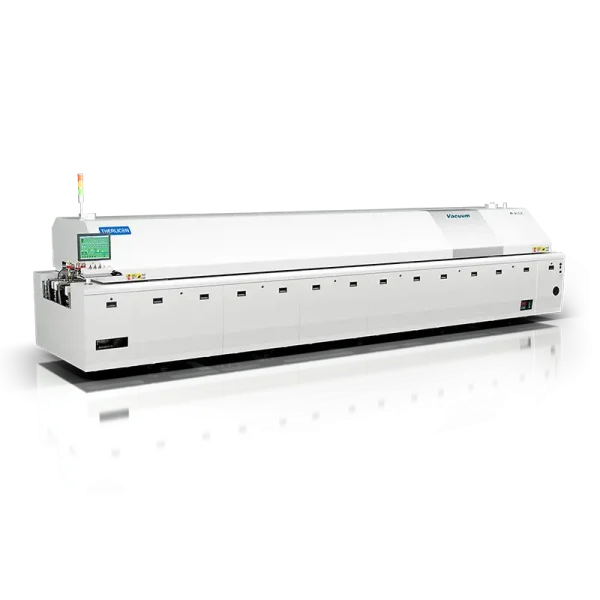

As a core process in electronics manufacturing, wave soldering, with its high efficiency, stability, and low cost, has become a key technology for connecting components to circuit boards. From consumer electronics to automotive electronics, from industrial control to aerospace, the application value of wave soldering permeates all areas of modern industry, providing a solid guarantee for the reliability and large-scale production of electronic products.

High-Efficiency Mass Production, Meeting the Needs of Large-Scale Manufacturing
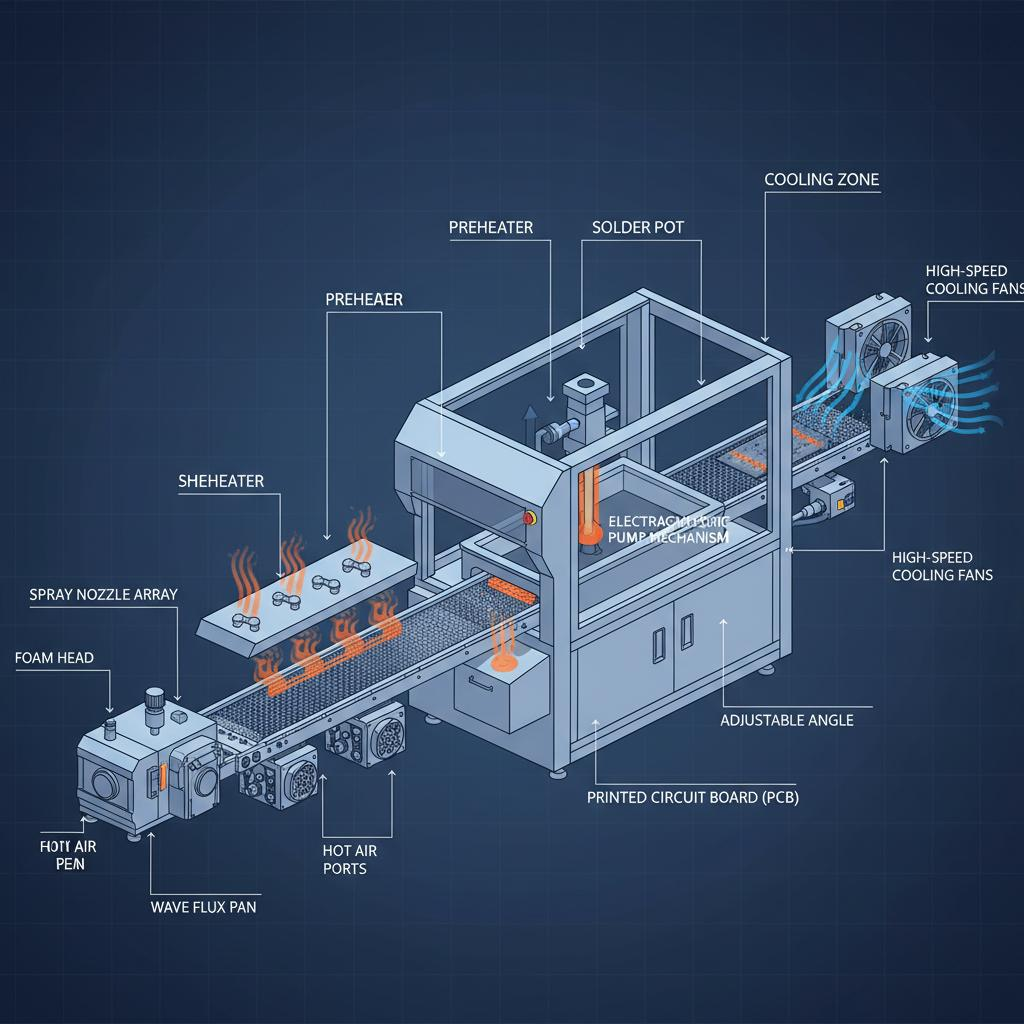
Wave soldering achieves mechanical and electrical connections between component leads and circuit boards through dynamic waves, allowing for the simultaneous soldering of hundreds of joints, with a daily production capacity of thousands of circuit boards. Taking consumer electronics such as televisions and digital set-top boxes as examples, their production relies heavily on through-hole (THT) components. The automated process of wave soldering significantly shortens the assembly cycle, enabling companies to respond quickly to market demands. In the automotive electronics field, the soldering of core components such as engine control units (ECUs) and body control modules also relies on the efficiency of wave soldering to ensure the stability of the electronic systems of each vehicle when it rolls off the assembly line.
High process stability ensures product quality
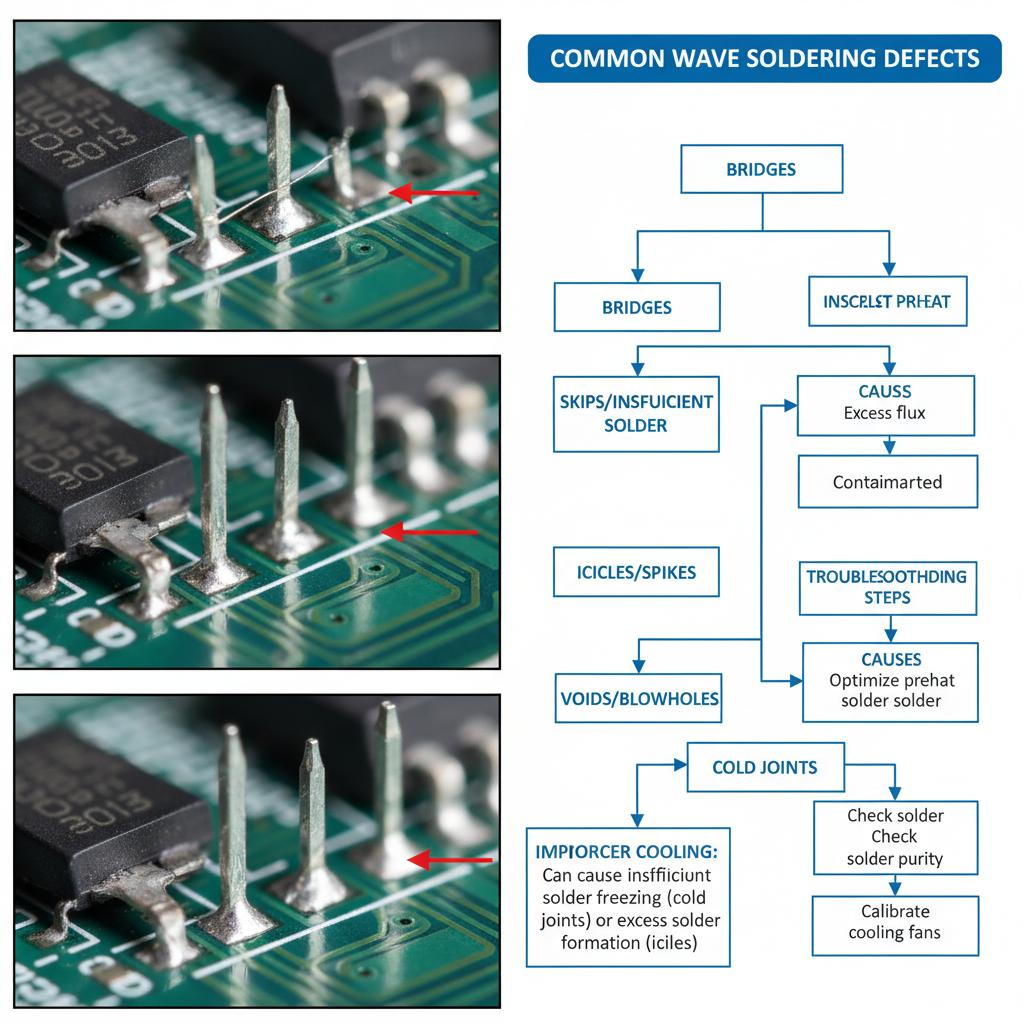
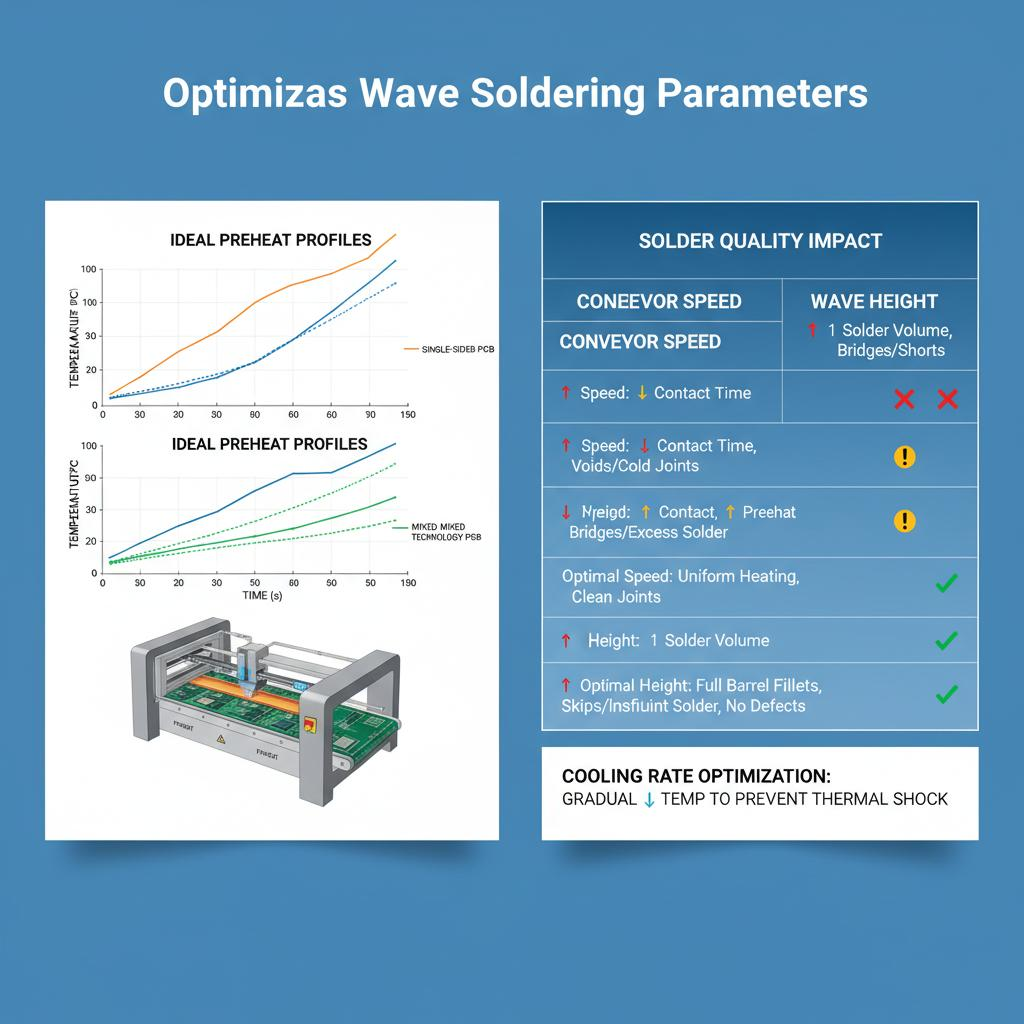
Wave soldering, through precise control of parameters such as wave height, conveyor speed, and preheating temperature, keeps the soldering defect rate to an extremely low level. For example, the dual-wave design (turbulent wave + laminar wave) effectively removes the oxide layer, reducing bridging, cold solder joints, and other problems, resulting in full and rounded solder joints. In medical equipment manufacturing, high-reliability products such as electrocardiographs and ventilators have stringent requirements for soldering quality; the standardized process and strict parameter control of wave soldering are key to ensuring the long-term stable operation of equipment.
Significant cost advantages drive industry adoption
Compared to manual soldering or reflow soldering, wave soldering has lower equipment investment and operating costs. It uses standardized solder bars and flux, resulting in high material utilization and simple maintenance, making it suitable for large-scale production of low-to-medium density circuit boards. In the industrial control field, the manufacturing of equipment such as PLCs and sensors requires a balance between cost and performance; wave soldering, with its high cost-effectiveness, has become the preferred process. Furthermore, with the advancement of lead-free technology, wave soldering has further reduced environmental costs through nitrogen protection and the application of low-temperature solders (such as Sn99.3Cu0.7).
Highly adaptable, covering diverse application scenarios
From home appliance manufacturing to aerospace, wave soldering demonstrates strong adaptability. In the energy sector, the soldering of solar panels requires handling complex circuit layouts; wave soldering, through selective flux spraying and precise wave control, achieves reliable connections of high-density solder joints. In small-batch, multi-variety production, modular wave soldering equipment can quickly switch parameters to meet customized needs.
With its comprehensive advantages in efficiency, quality, cost, and adaptability, wave soldering has become an indispensable process in the electronics manufacturing industry. With the upgrading towards intelligent and green technologies, its application value will continue to expand, injecting momentum into the innovation and development of the global electronics industry.