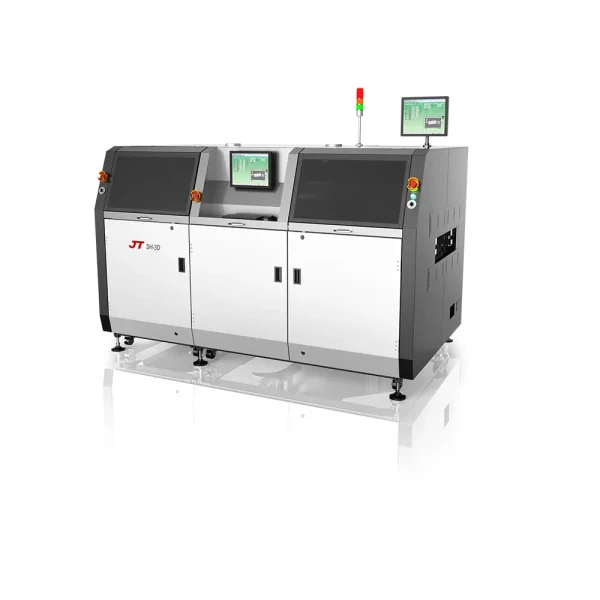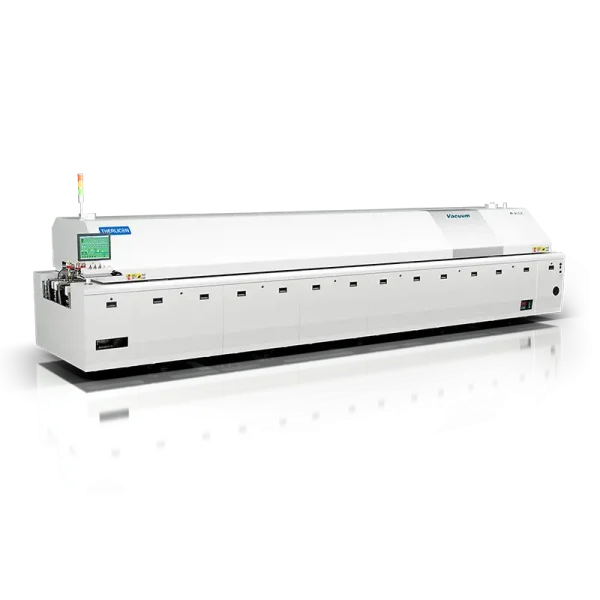

While solder paste inspection (SPI) offers many advantages, it also presents challenges. Understanding these challenges is crucial for manufacturers aiming to optimize their inspection processes. Let’s examine common obstacles encountered in the SPI process and explore potential solutions for improving accuracy.
Technological advancements in SPI
Technology continues to advance, and solder paste inspection is no exception. Here are some exciting advancements:

- Artificial intelligence and machine learning: These technologies enhance image analytics, enabling faster and more accurate defect detection.
- Imaging technology innovations: High-resolution cameras and advanced lighting systems improve the effectiveness of SPI, ensuring that no defect is overlooked.
- Future trends: The integration of the Internet of Things (IoT) and smart manufacturing may enhance SPI capabilities, providing instant data analysis and insights.
Common Challenges During Inspection
1.Diverse PCB Designs: One of the biggest challenges in solder paste inspection is handling diverse PCB designs. Different designs may have different pad sizes, shapes, and layouts, complicating the inspection process. However, if managed properly, this variability can lead to consistent results.
2.Solder Paste Properties: The properties of the solder paste itself, such as viscosity and particle size, affect inspection accuracy. If the solder paste is thick and consistent, it adheres well to the PCB, making it easier to evaluate during inspection.
3.Lighting Conditions: Proper lighting is crucial for accurately capturing images during inspection. Variations in lighting can lead to misinterpretations of solder paste deposits, resulting in false alarms or false positives.
4.Integration with Other Equipment: Integrating the SPI system with existing production equipment can sometimes be challenging. Compatibility issues can affect the efficiency and accuracy of the inspection process.
Solutions to Overcoming These Challenges
To effectively address these challenges and improve detection accuracy, manufacturers can implement several strategies:
1.Flexible Inspection Systems: Investing in adaptive SPI systems can be calibrated to suit different PCB designs. These systems adjust parameters according to specific design requirements, ensuring consistent accuracy across different boards.
2.Regular Calibration and Maintenance: Ensure regular calibration and maintenance of your solder paste inspection equipment. This helps maintain measurement accuracy and compensates for changes in solder paste characteristics over time.
3.Optimized Illumination Technology: Utilize advanced lighting technologies, such as polarized illumination or adjustable illumination angles, to improve visibility during inspection. This can significantly improve image quality and inspection reliability.
4.Seamless Integration: Partner with technology providers to ensure your SPI system integrates seamlessly with existing equipment. This will streamline the inspection process and minimize disruption to production.
By addressing these common challenges, manufacturers can significantly improve the effectiveness of solder paste inspection. With increased accuracy and reliability, your production line will benefit from fewer defects and higher-quality PCBs.