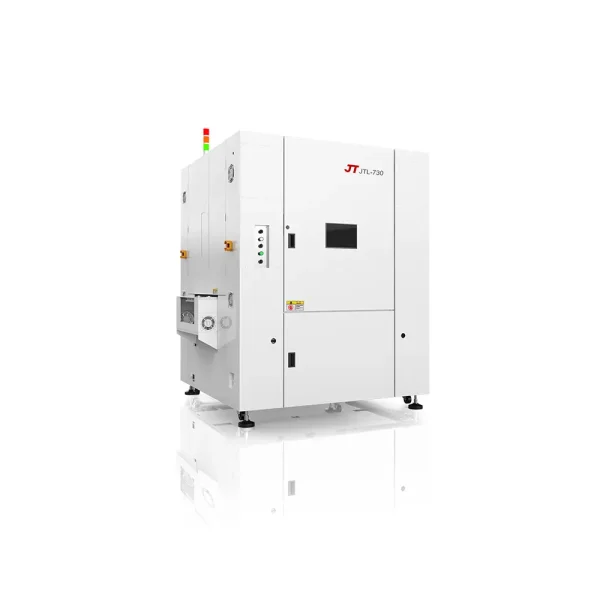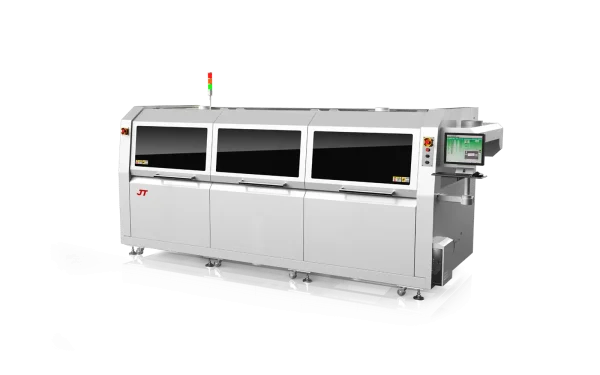

In the realm of surface-mount technology (SMT), the conveyor reflow oven plays an indispensable role. It is the final and most critical stage in the assembly of printed circuit boards (PCBs), where electronic components are permanently bonded to the board using solder paste.

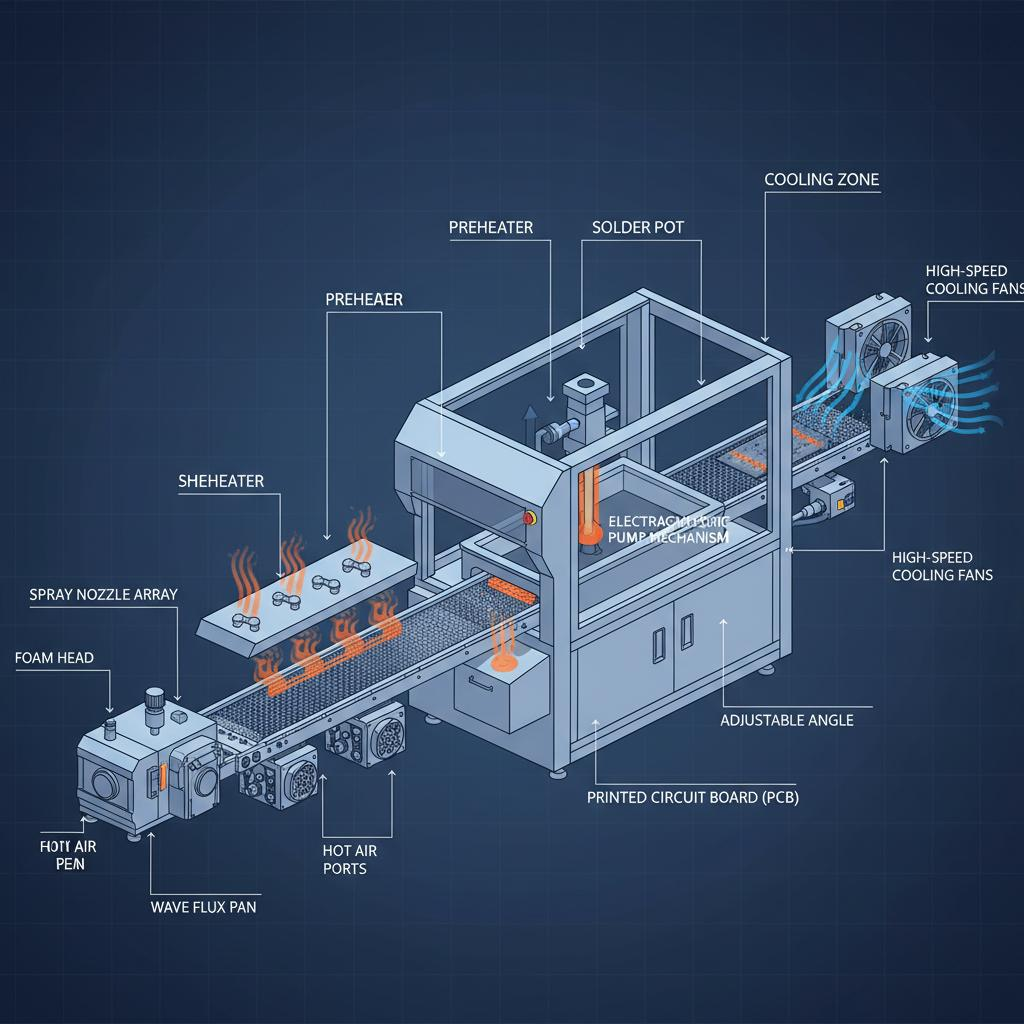
The primary application of the conveyor reflow oven is to melt solder paste and form reliable solder joints without damaging the components or the PCB. The process begins after a pick-and-place machine positions tiny surface-mount devices (SMDs) onto solder-paste-coated pads. The assembled PCB then enters the oven on a metal conveyor belt, traveling through a precisely controlled four-zone thermal profile: preheat, thermal soak, reflow, and cooling.
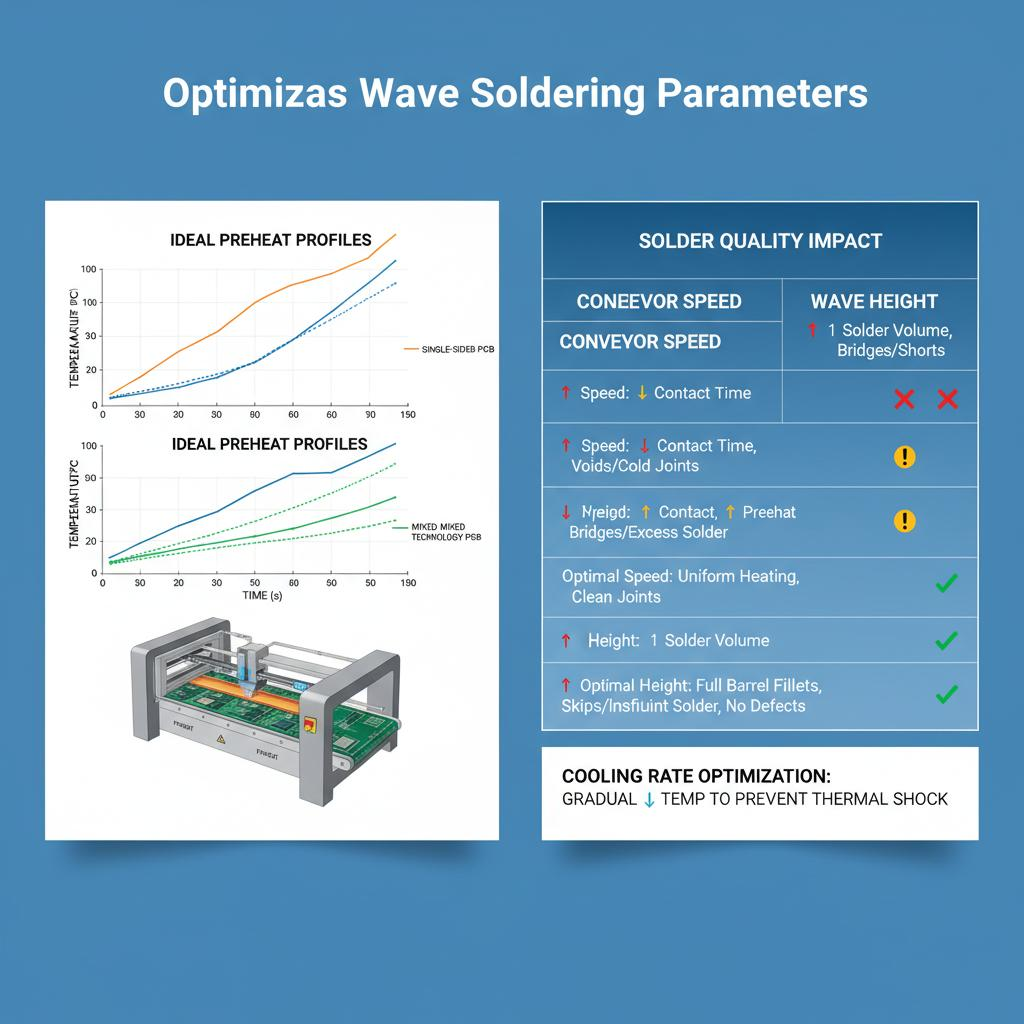
During the preheat zone, the temperature rises gradually to prevent thermal shock. The soak zone activates flux to remove oxidation, ensuring clean surfaces for soldering. In the reflow zone, the temperature peaks above the solder paste’s melting point (typically 217–245°C for lead-free alloys), causing the solder particles to liquefy and form metallic bonds between the component leads and the PCB pads. Finally, the cooling zone solidifies the joints, locking them in place.
Conveyor reflow ovens are widely used across industries. In consumer electronics, they assemble smartphones, laptops, and wearables where miniaturized components like 0402 resistors and microchips require high precision. In automotive manufacturing, they produce engine control units, LED headlights, and sensor modules that demand extreme thermal cycle reliability. Medical devices, such as pacemakers and diagnostic equipment, also rely on void-free, consistent soldering for safety and longevity.
The technology offers key advantages: continuous mass production, uniform heating via forced convection (or infrared), and compatibility with lead-free solder, which aligns with environmental regulations like RoHS. Modern ovens include nitrogen blanketing to prevent oxidation and closed-loop controls for real-time temperature adjustment.
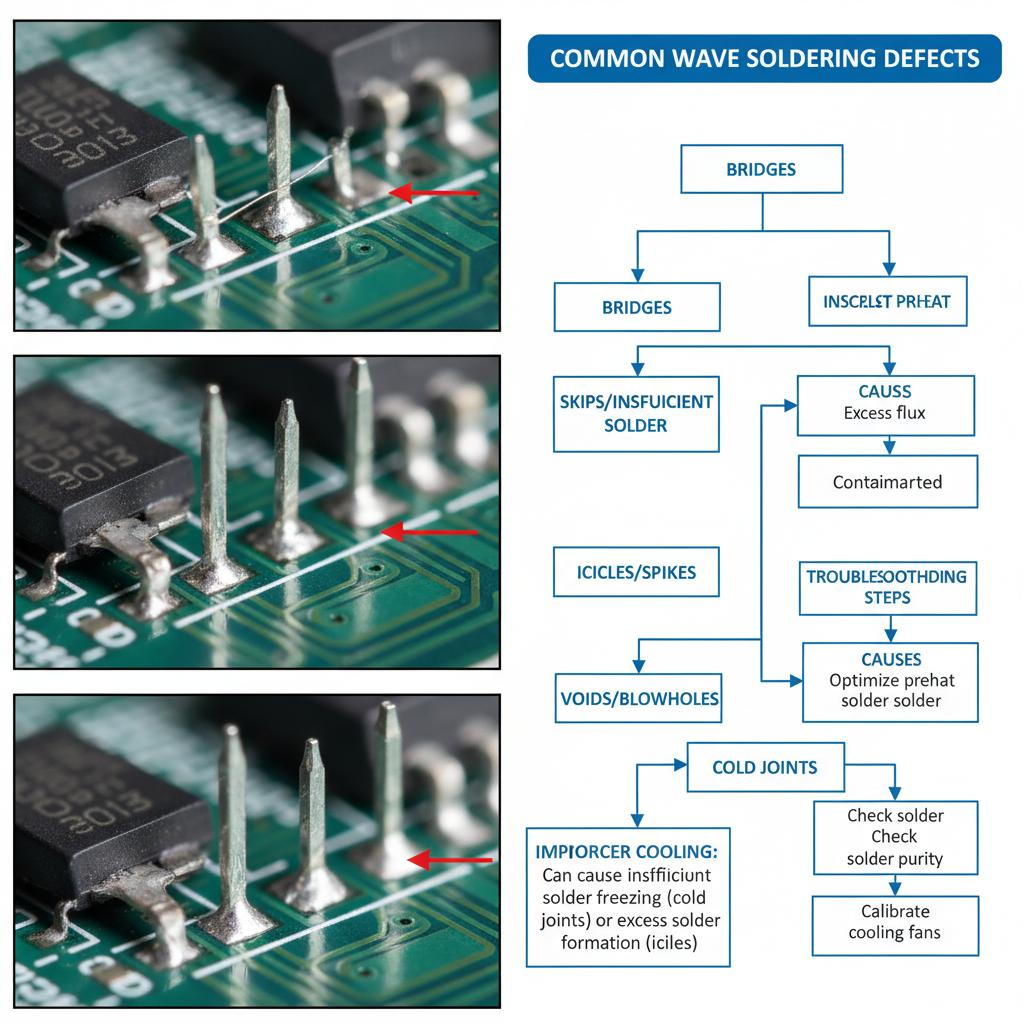
However, challenges remain. Improper temperature profiles can cause defects like tombstoning (one-sided lifting), solder balls, or cold joints. To mitigate this, engineers use thermal profilers to verify oven settings before production.
In summary, the conveyor reflow oven is a cornerstone of SMT assembly. Its ability to apply controlled, repeatable heat across thousands of PCBs per hour makes it essential for producing reliable electronics—from everyday gadgets to life-saving medical implants. As components grow smaller and industry demands higher efficiency, advances in oven technology, such as vacuum reflow for void reduction, will continue to evolve alongside electronics manufacturing.