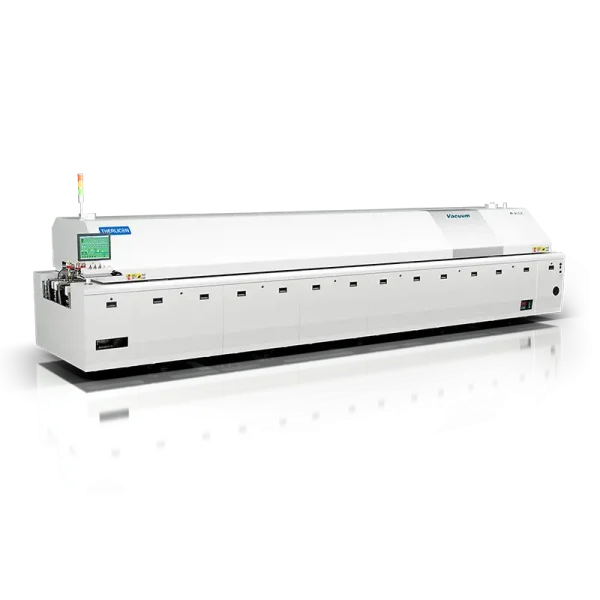

In modern surface mount technology (SMT) for electronics manufacturing, the convection reflow oven is a core soldering device. Leveraging the unique advantage of hot air convection heating, it achieves precise and reliable connections between electronic components and printed circuit boards (PCBs), supporting mass production in consumer electronics, automotive electronics, semiconductor packaging, and many other fields. It is a key guarantee for the miniaturization and high-density development of electronic products.
I. Core Definition and Working Principle
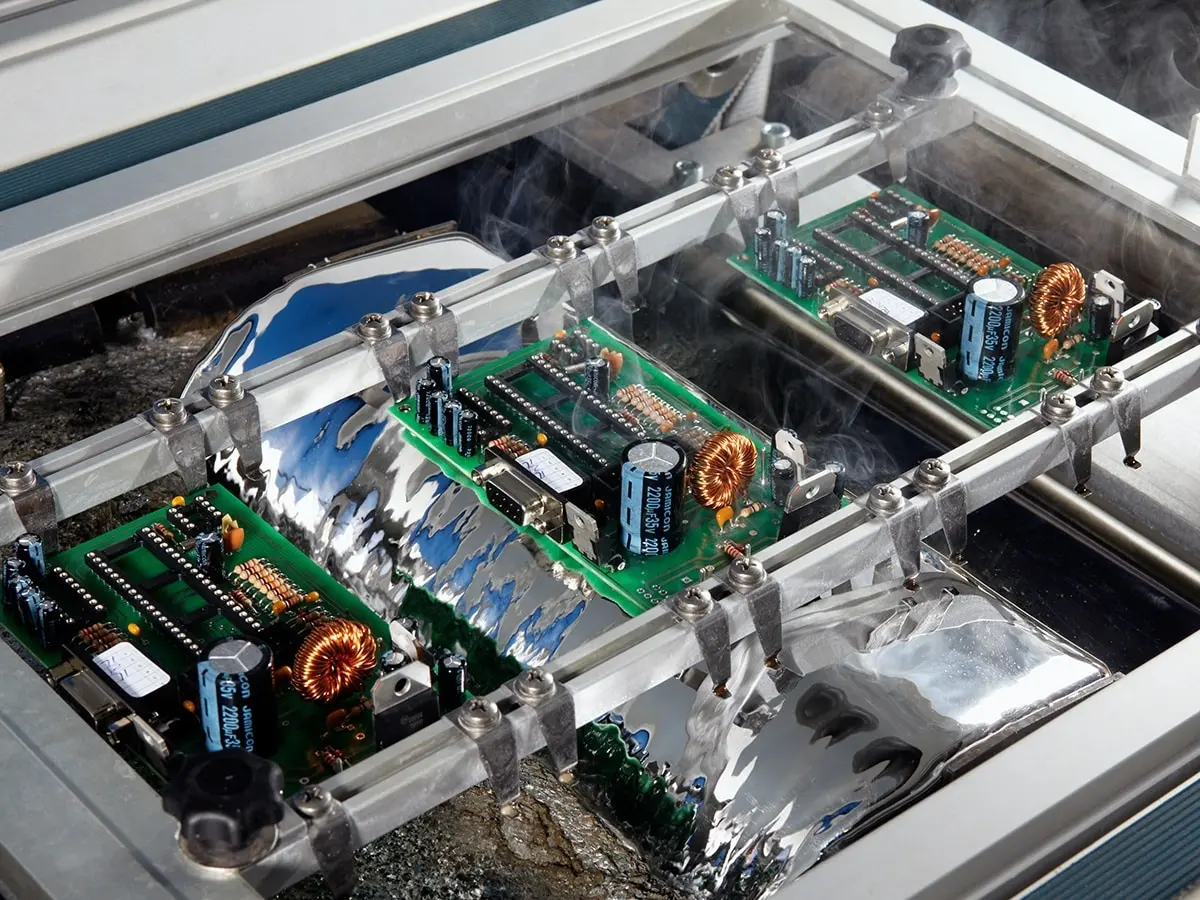
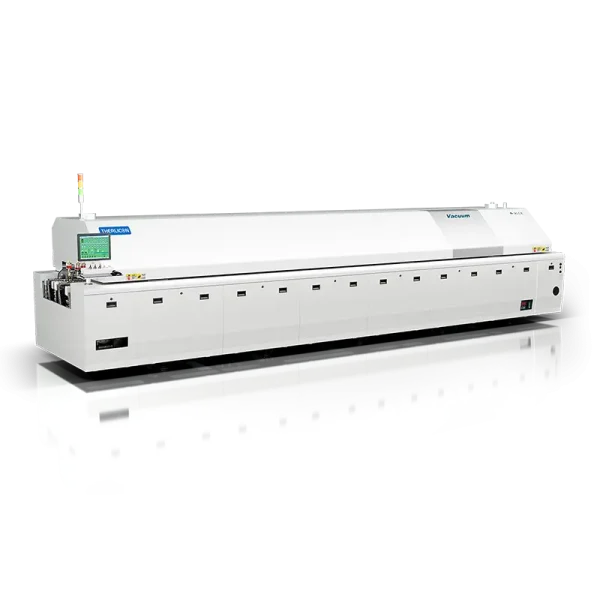
A convection reflow oven is an automated device that uses driven hot air circulation to evenly transfer heat to the PCB and surface mount components (SMDs), causing the solder paste to melt and solidify according to a preset temperature profile, completing the metallurgical bonding between the components and the solder pads. Its core logic utilizes a blower to drive airflow past the heating elements, creating stable hot air circulation within the oven chamber. Combined with real-time temperature monitoring and feedback from temperature sensors, the heating power is dynamically adjusted to ensure temperature uniformity within the oven, preventing thermal stress damage to components. Simultaneously, the self-positioning effect of the solder paste corrects component placement deviations, improving soldering accuracy.
II. Key Structure and Process Stages
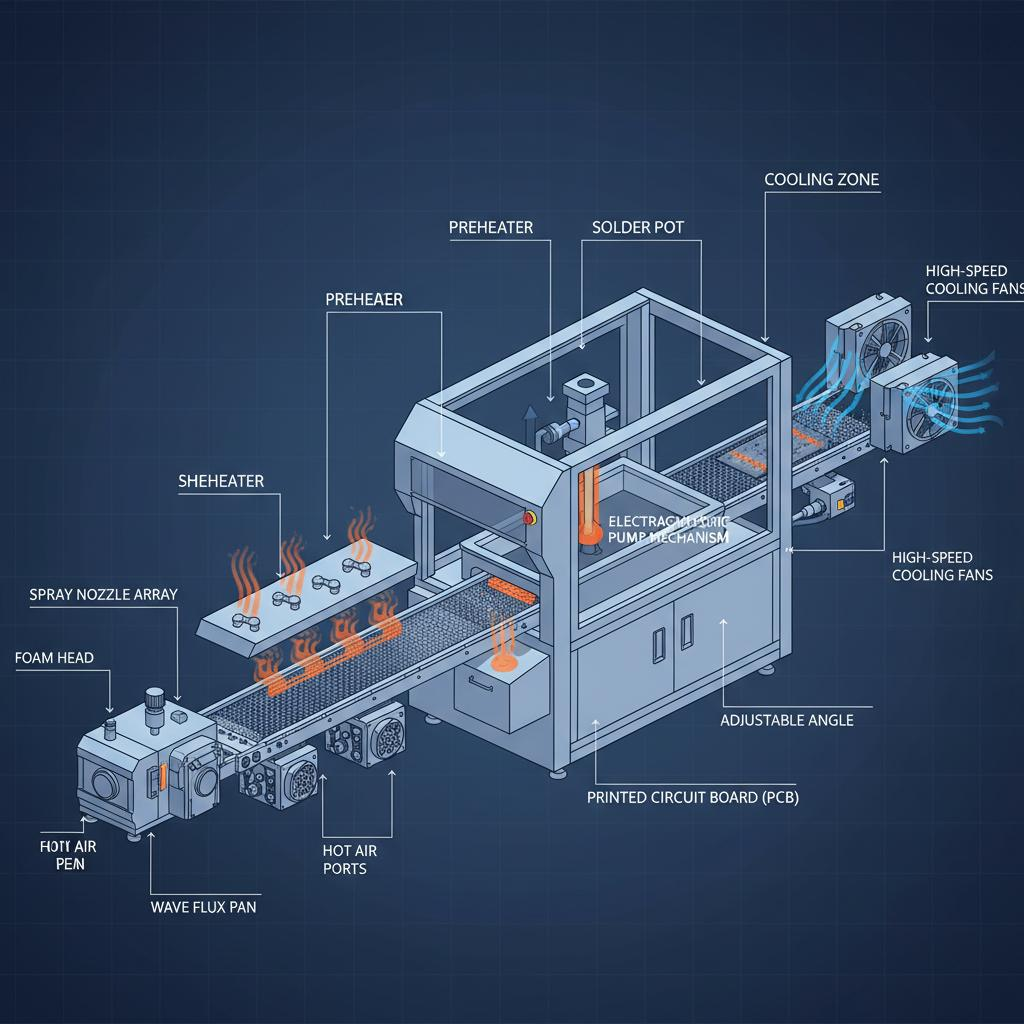
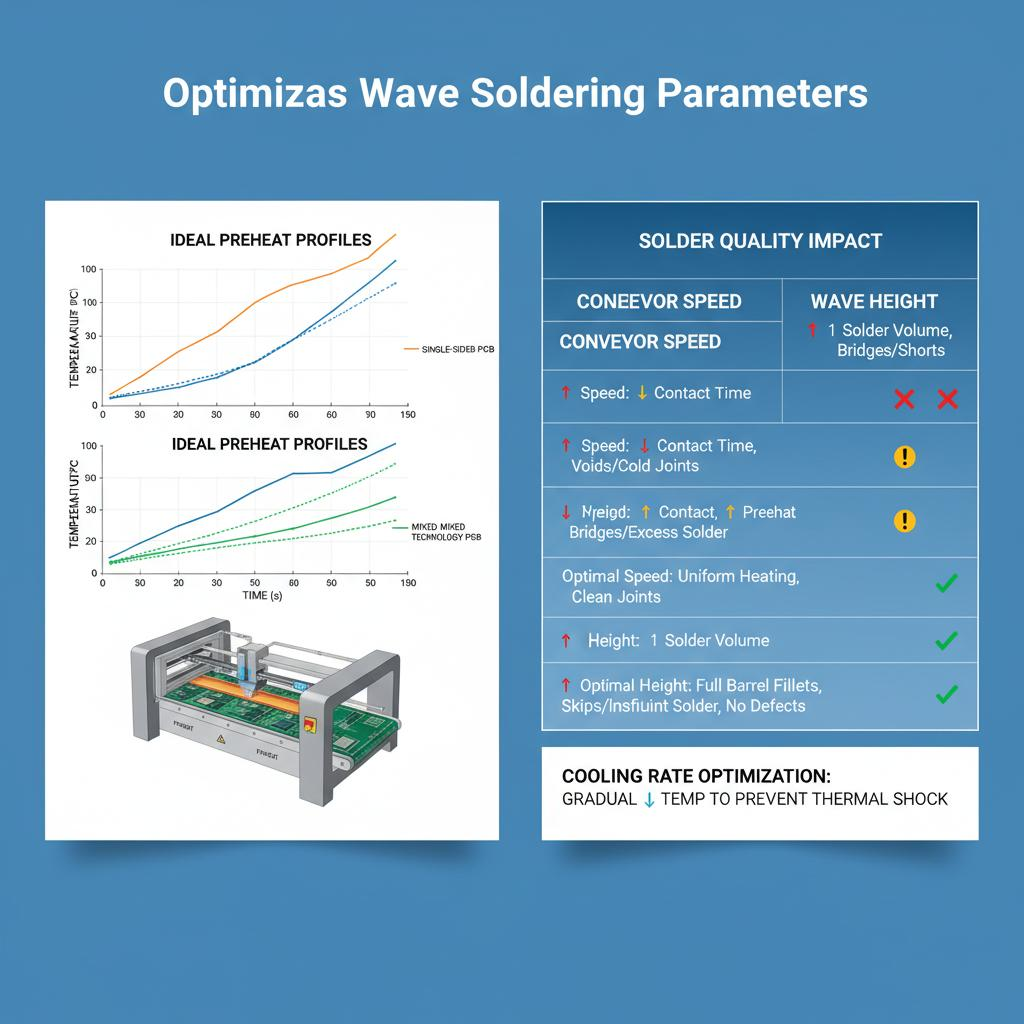
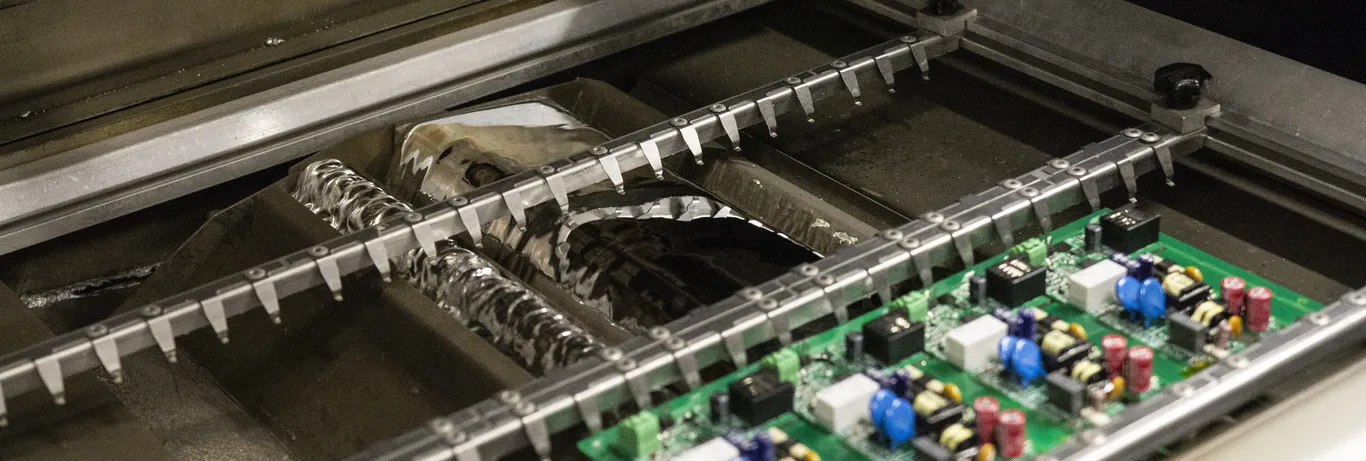
The core equipment consists of a heating system, an airflow circulation system, a temperature control system, a conveying system, and a cooling system. The heating zone typically employs an independent temperature control design, commonly available in 8-zone or 10-zone configurations, ensuring flexible temperature adjustment. The soldering process involves four key stages: First, the preheating zone, where the temperature is slowly increased to 60℃-130℃ to reduce thermal shock; second, the isothermal zone, where solder paste solvent evaporates, reducing the risk of soldering bubbles; third, the reflow zone, where the temperature rises above the solder paste melting point (approximately 245℃) to completely melt the solder paste and form solder joints; and fourth, the cooling zone, where rapid cooling solidifies the solder joints, enhancing mechanical strength.
III. Core Advantages and Application Scenarios
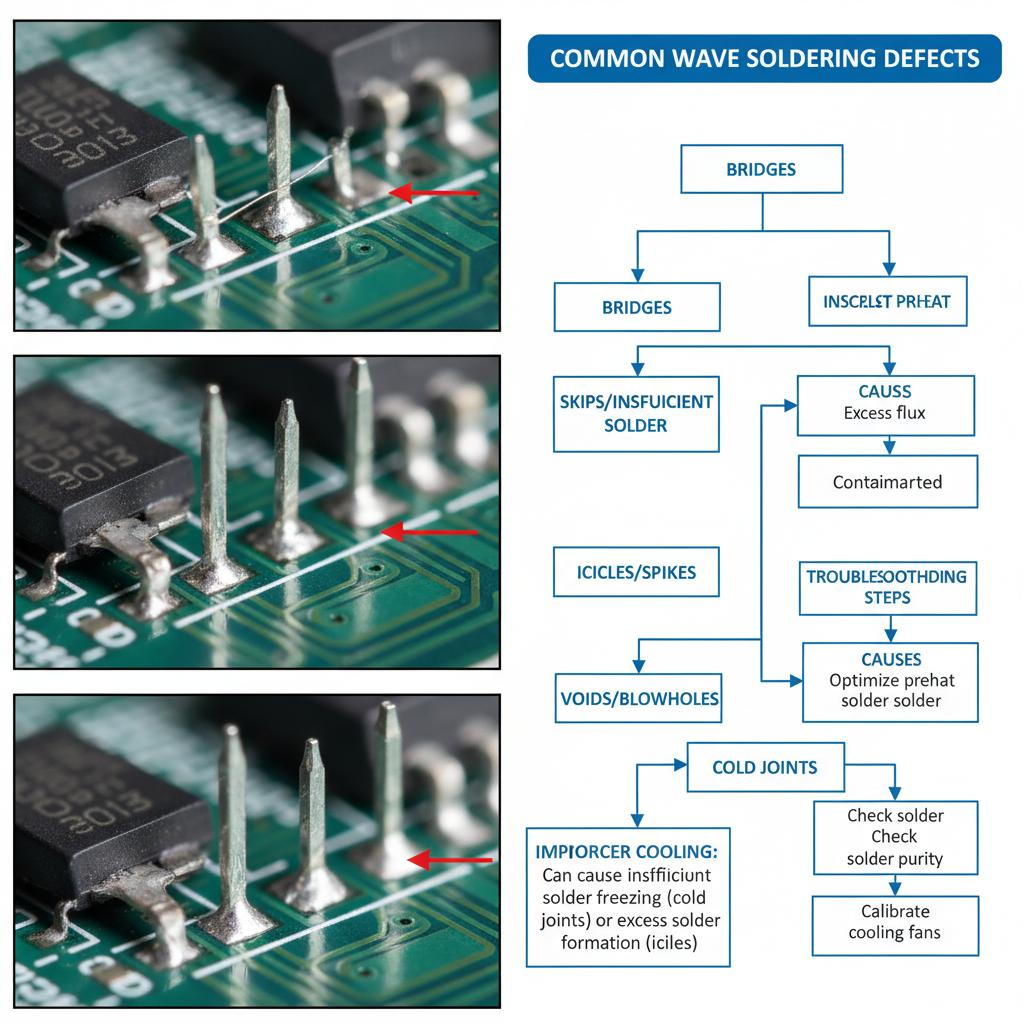
Compared to traditional welding equipment, convection reflow ovens possess three core advantages: First, strong heating uniformity; the hot air circulation design ensures even temperature distribution within the oven, significantly reducing defects such as cold solder joints and bridging, and providing superior void ratio control. Second, high temperature control precision; adaptable to the welding needs of components with different melting points, meeting the production standards of high-density PCBs. Third, high degree of automation; supports continuous production, shortening welding cycles and reducing the impact of human intervention. Currently, it is widely used in consumer electronics such as mobile phones and computers, automotive electronics, communication equipment, and high-precision fields such as aerospace and semiconductor chip packaging, making it a core equipment for large-scale electronic manufacturing.
IV. Industry Practice and Equipment Selection
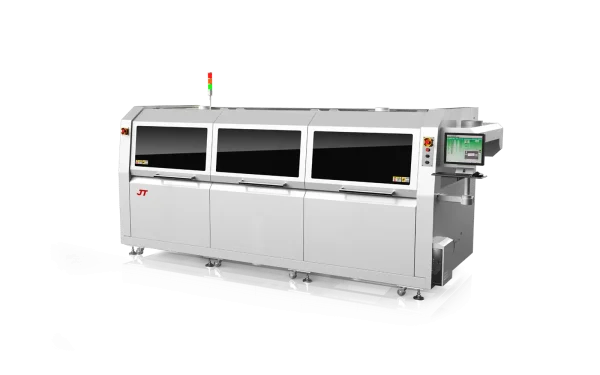
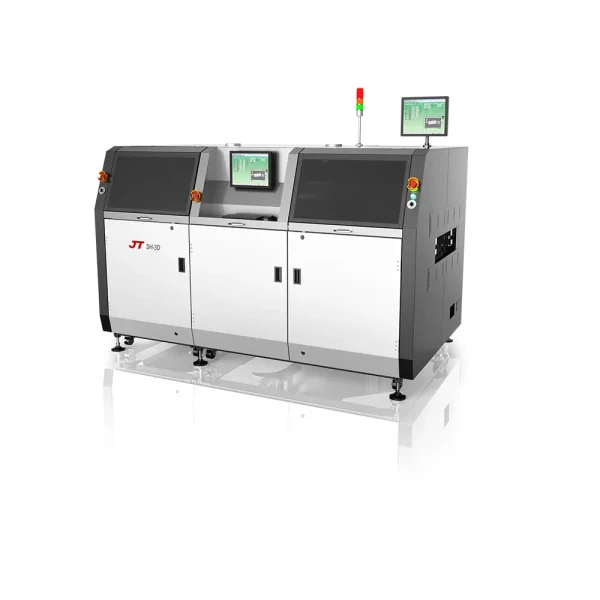
As the electronics industry’s requirements for welding quality continue to increase, convection reflow ovens are continuously upgrading towards lower energy consumption, higher stability, and greater intelligence. Among them, the JT reflow oven stands out with its mature technology, perfectly meeting the core demands of modern electronic manufacturing for efficiency, precision, and reliability, becoming the preferred equipment for many companies.