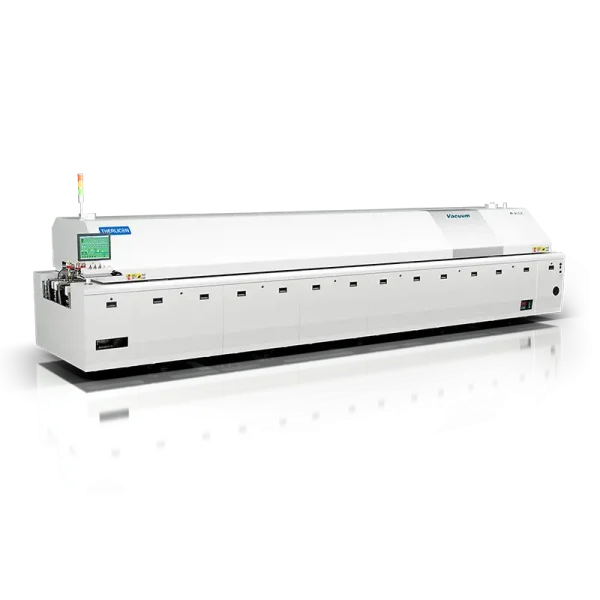

In modern electronics manufacturing, Surface Mount Technology (SMT) has become the most widely used assembly process for printed circuit boards (PCBs). As one of the core pieces of equipment in the SMT production line, the reflow oven plays an irreplaceable role in connecting electronic components to PCB substrates. This article explains the definition, working principle, structure, heating modes, process functions and application value of the SMT reflow oven.
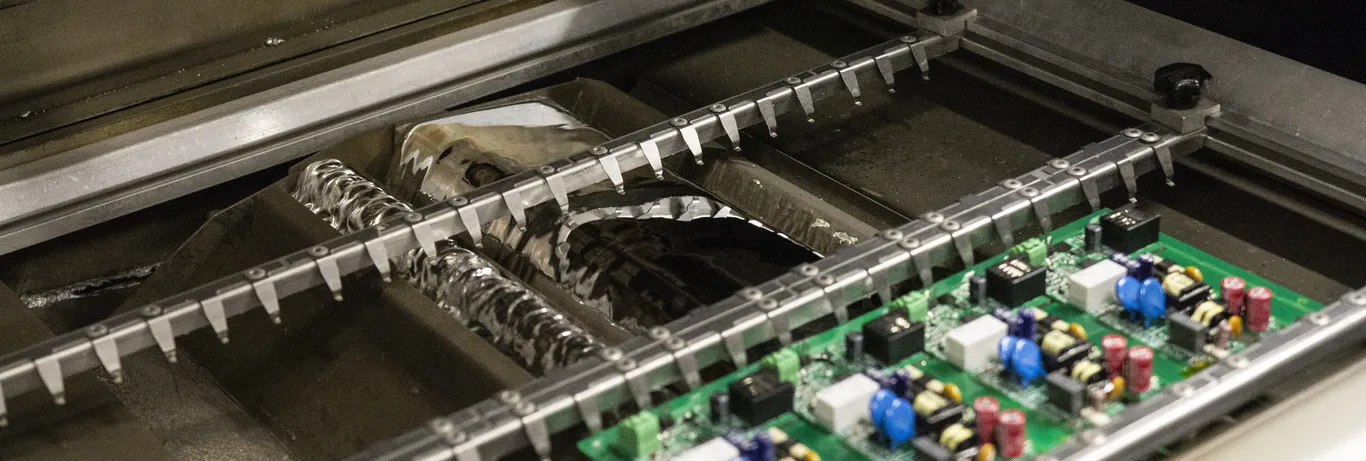
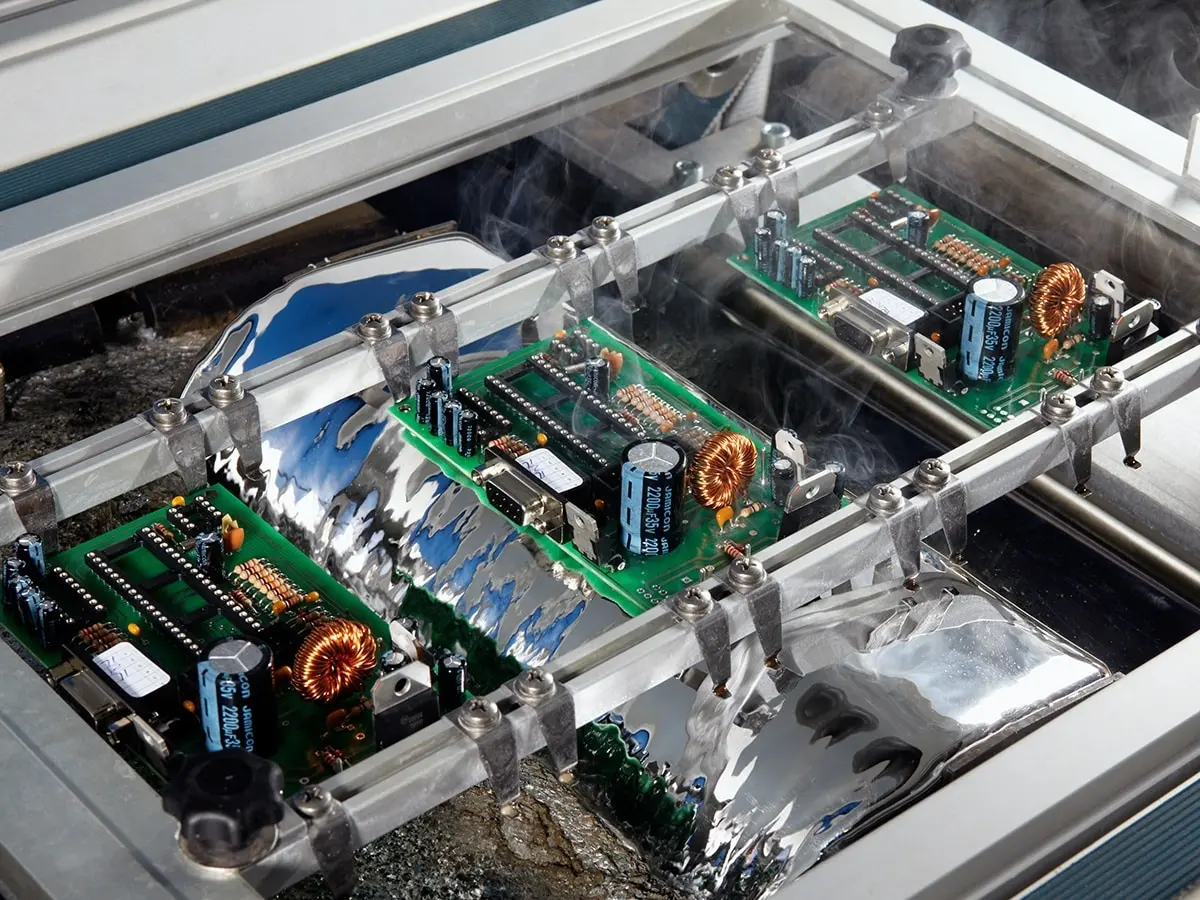
First of all, SMT reflow oven, also known as reflow soldering oven, is a heating device that melts solder paste to achieve reliable mechanical and electrical connections between surface mount components and PCB pads. Unlike wave soldering, which is suitable for through-hole components, reflow soldering is specially designed for miniaturized, high-density surface mount devices such as chips, resistors, capacitors and integrated circuits. It is the key process to determine the quality and reliability of electronic products.

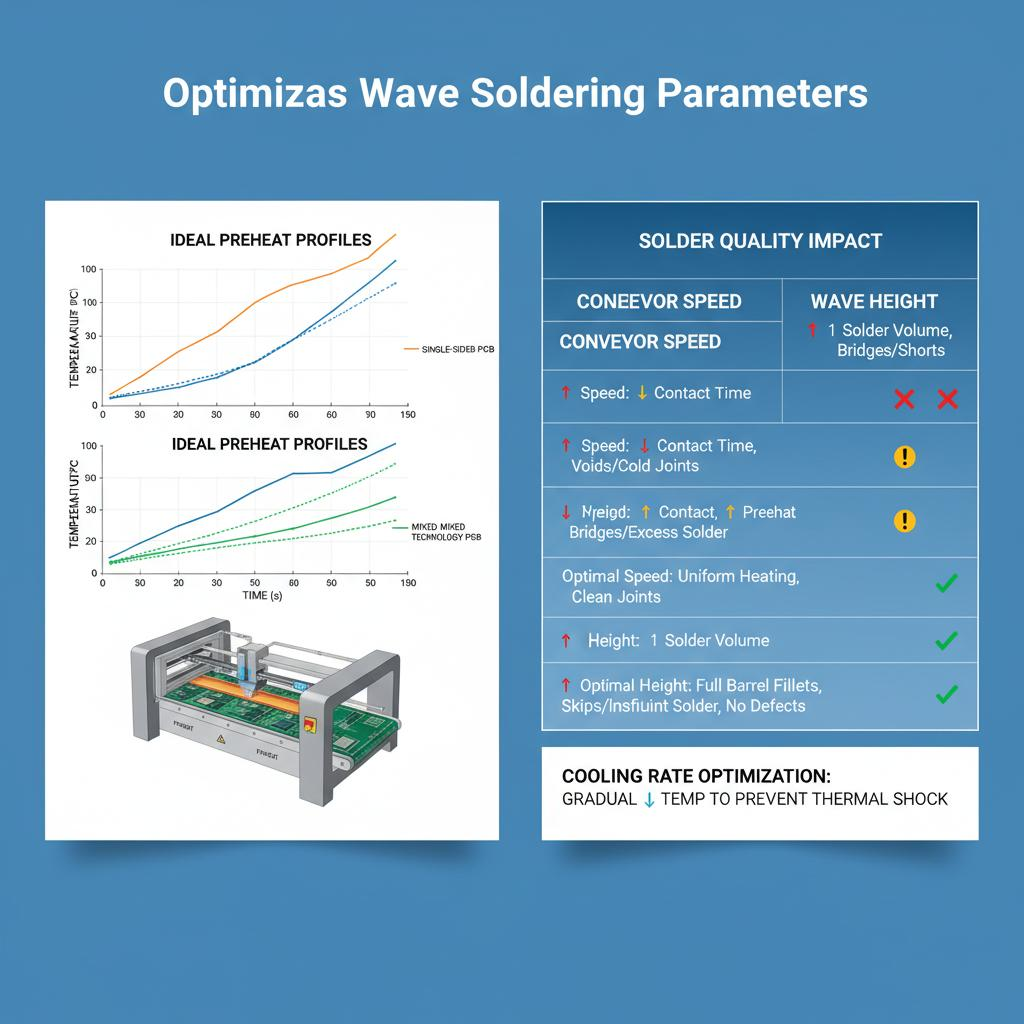
The working principle of the reflow oven is based on controlled thermal cycling. The PCB with printed solder paste and mounted components passes through different temperature zones in the furnace at a stable speed. The whole process is divided into four main stages: preheating, thermal soaking, reflow and cooling. In the preheating zone, the temperature rises steadily to activate the flux in the solder paste and remove volatile substances. The thermal soaking zone keeps the temperature balanced to reduce thermal stress and ensure uniform heating. The reflow zone heats the solder paste above its melting point to form a metallurgical bond. Finally, the cooling zone rapidly solidifies the solder joints to ensure stable shape and high strength.
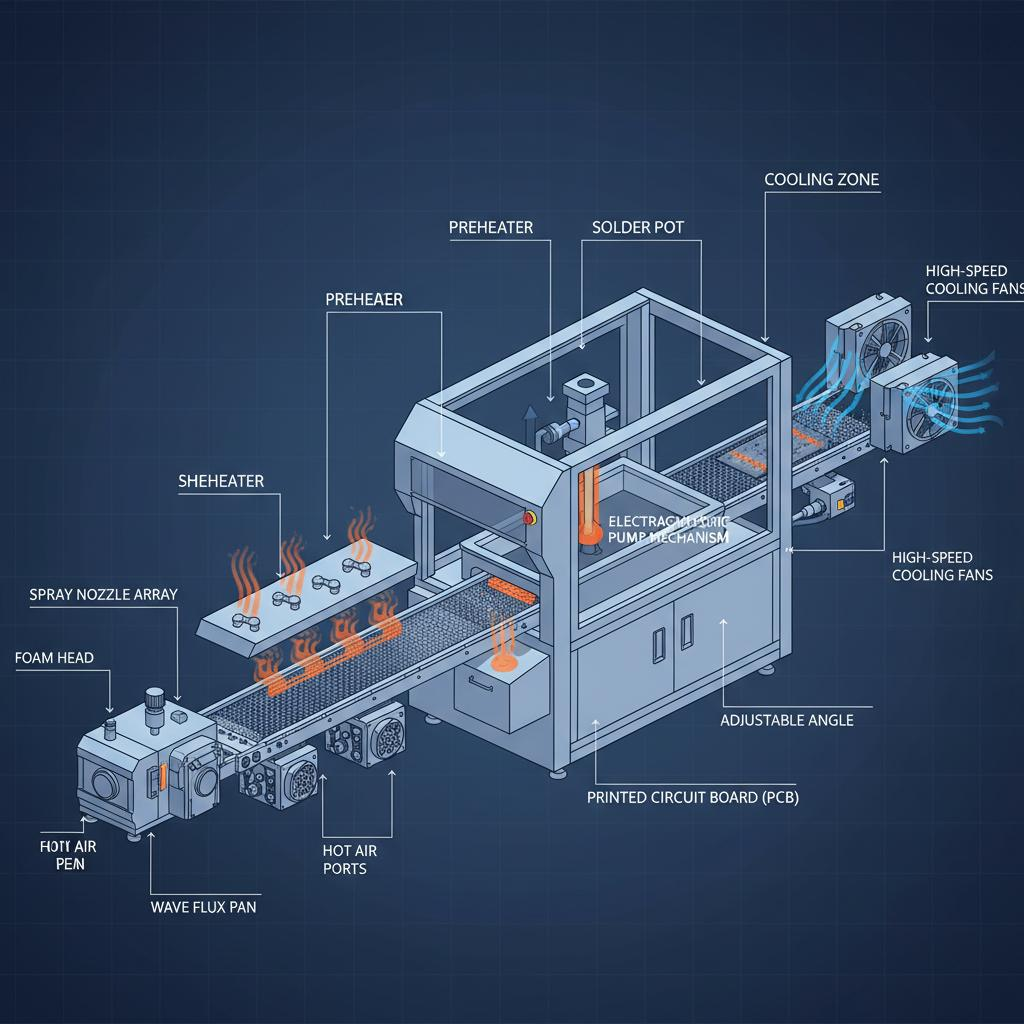
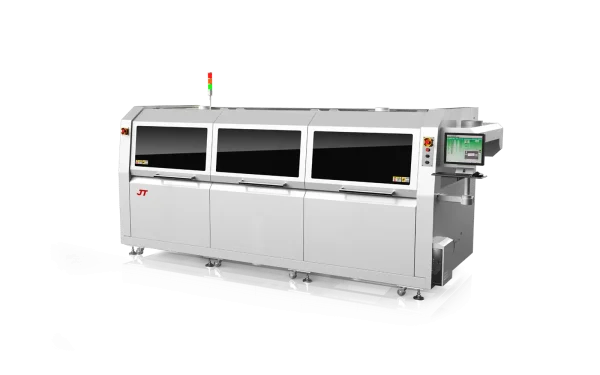
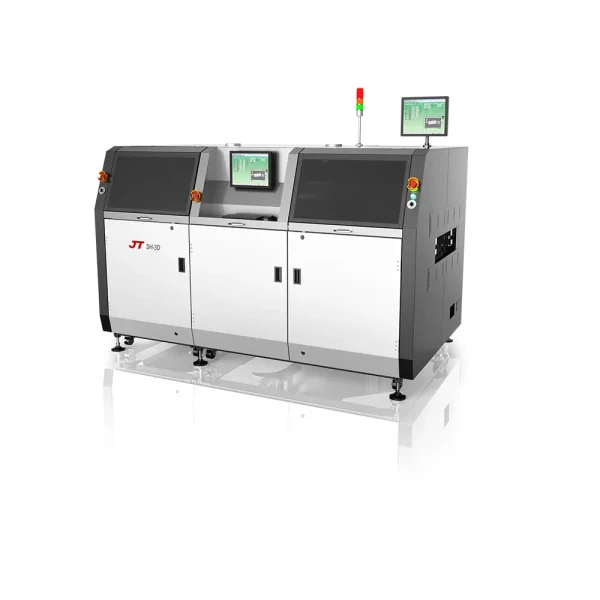
Structurally, a typical reflow oven consists of a conveying system, multiple independent temperature control zones, a heating system, a cooling system and a control system. Modern reflow ovens usually have 8 to 12 or more temperature zones, which can be flexibly adjusted according to product requirements. Heating methods mainly include hot air convection, infrared radiation and composite heating. At present, forced hot air convection is the most popular because it provides uniform temperature distribution and reduces the risk of component damage caused by local overheating.
With the development of miniaturization and high integration of electronic products, the performance requirements for reflow ovens are becoming higher and higher. Advanced reflow ovens are equipped with precise temperature control systems, real-time monitoring and nitrogen protection functions to meet the production needs of lead-free soldering, fine-pitch components and high-end products. Nitrogen protection can effectively reduce oxidation, improve solder joint gloss and reliability.
In conclusion, the SMT reflow oven is not only a heating device, but also a key guarantee for the quality of electronic assembly. It supports the mass production of smartphones, computers, automotive electronics, medical devices and communication equipment. With the continuous evolution of 5G, new energy and intelligent manufacturing, reflow ovens are developing toward higher precision, intelligence, energy saving and environmental protection. For the electronics industry, understanding and optimizing reflow soldering technology is crucial to improving product quality, reducing defects and enhancing overall competitiveness.