
In circuit board manufacturing, soldering is crucial for connecting components to circuit boards. Two commonly used soldering methods are reflow soldering and wave soldering. While both are effective, they operate differently and are suitable for different applications.
In this article, we’ll compare these two soldering methods, highlighting their differences, advantages, and ideal uses. Ultimately, you’ll know which method is best for your project, helping you choose the right one for a smooth and efficient PCB assembly process.
What is reflow soldering?

Reflow soldering is a common method used in PCB manufacturing to attach metal parts to printed circuit boards (PCBs). This process uses heat and pressure to melt solder paste, causing it to flow and create a strong electrical connection between the circuit board and its components.
This method is commonly used in surface mount technology (SMT), where small components are mounted directly on the PCB surface rather than through holes. Reflow soldering is well-suited for applications requiring high precision and efficient high-volume production.
What is wave soldering?
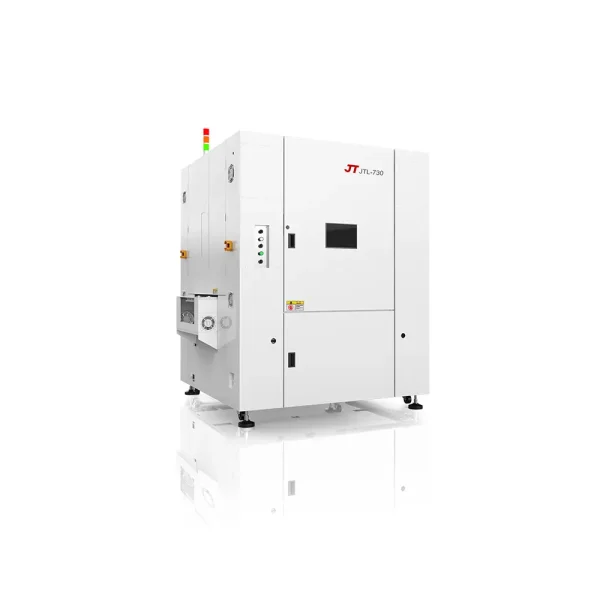
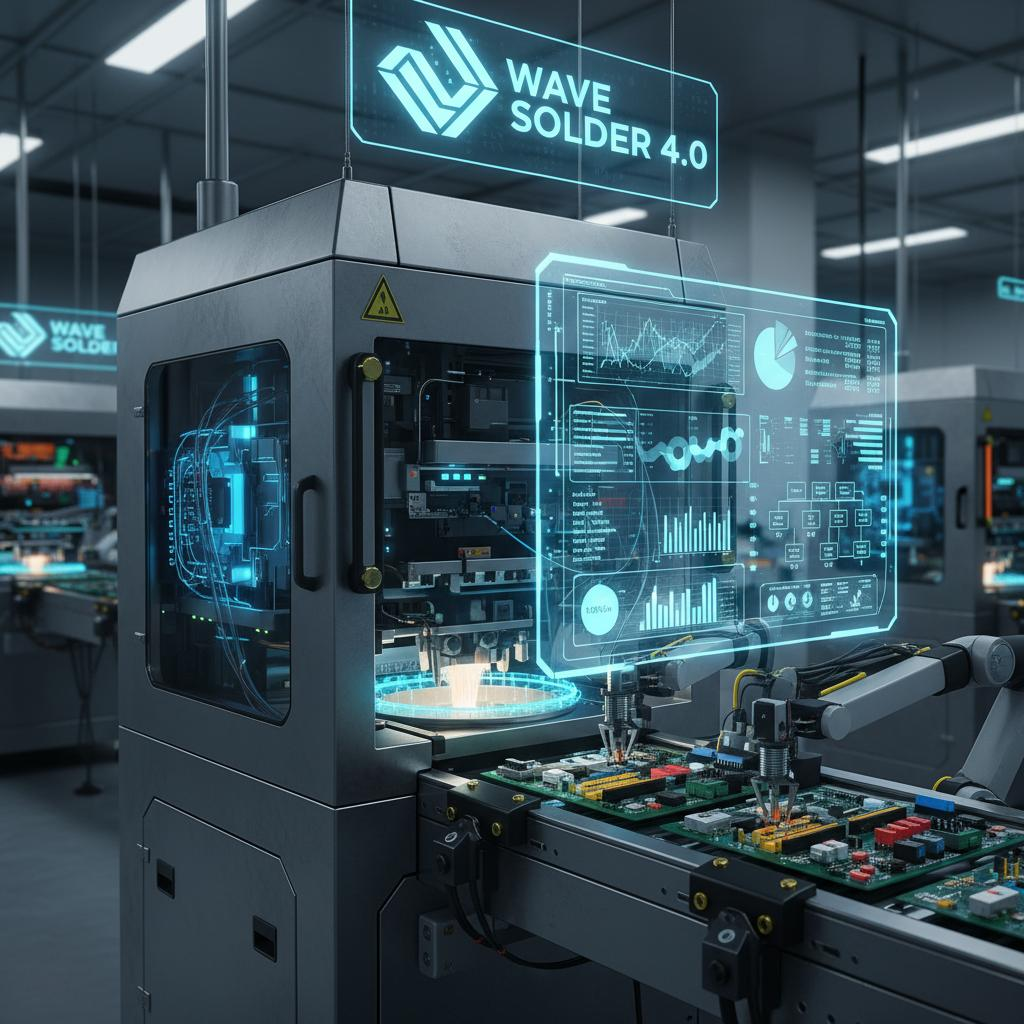
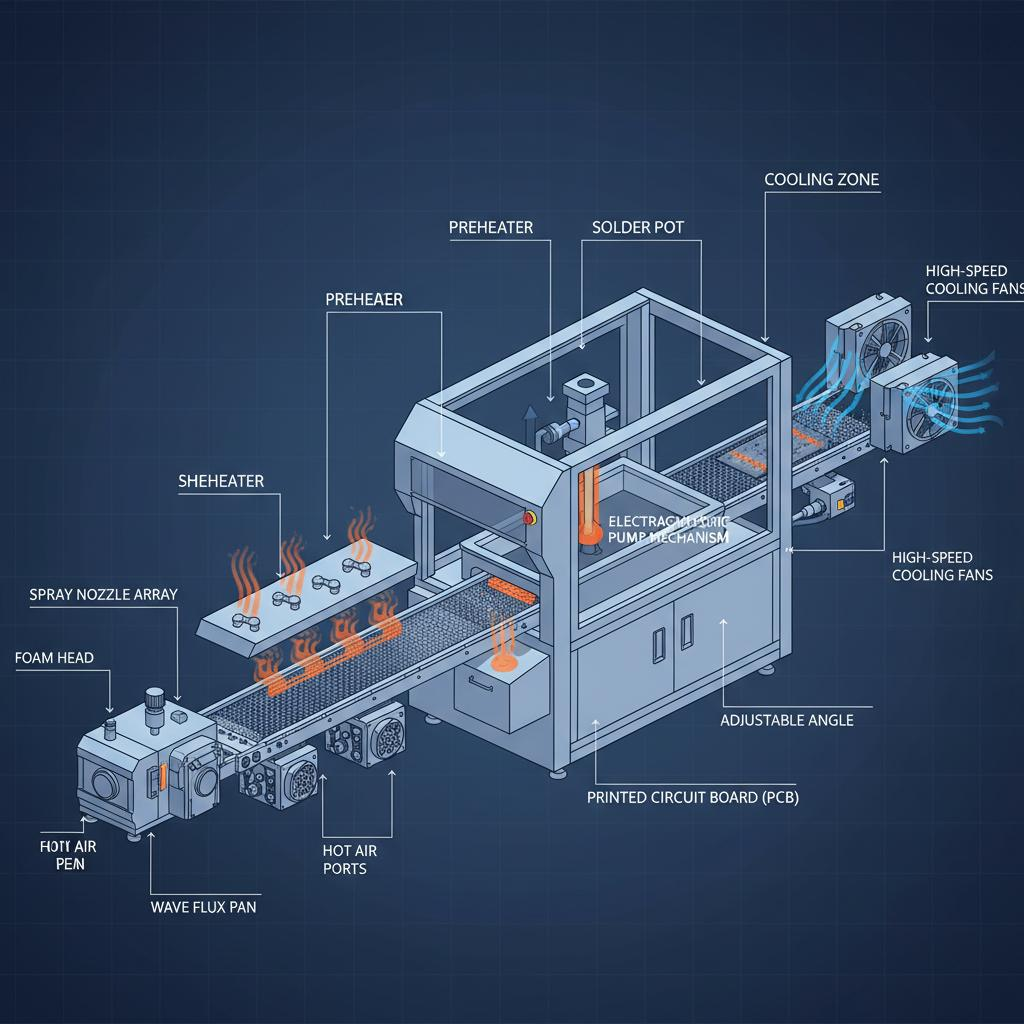
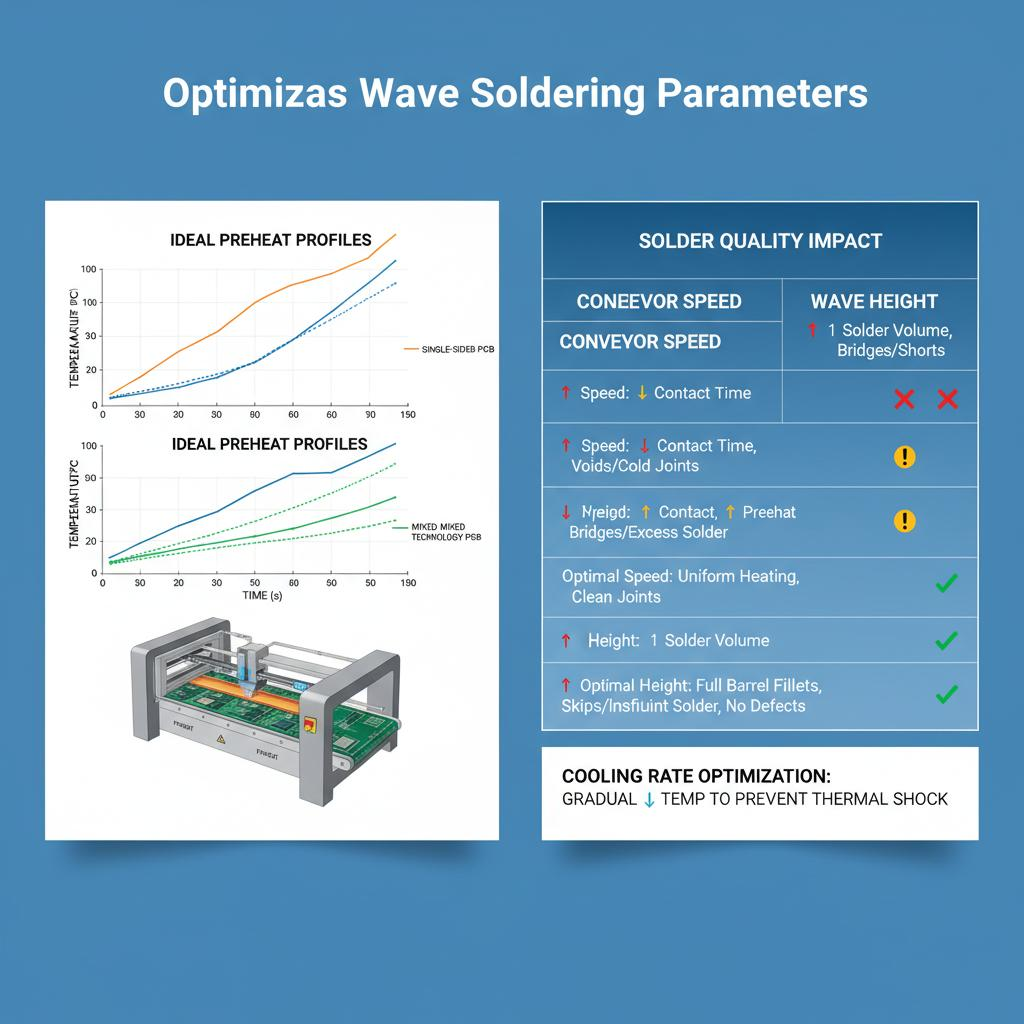
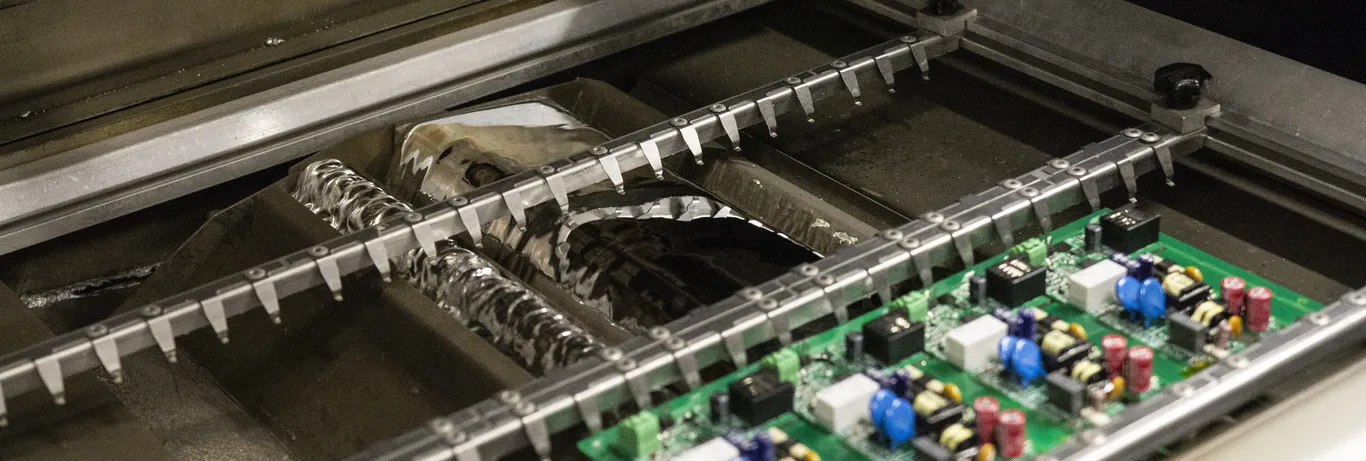
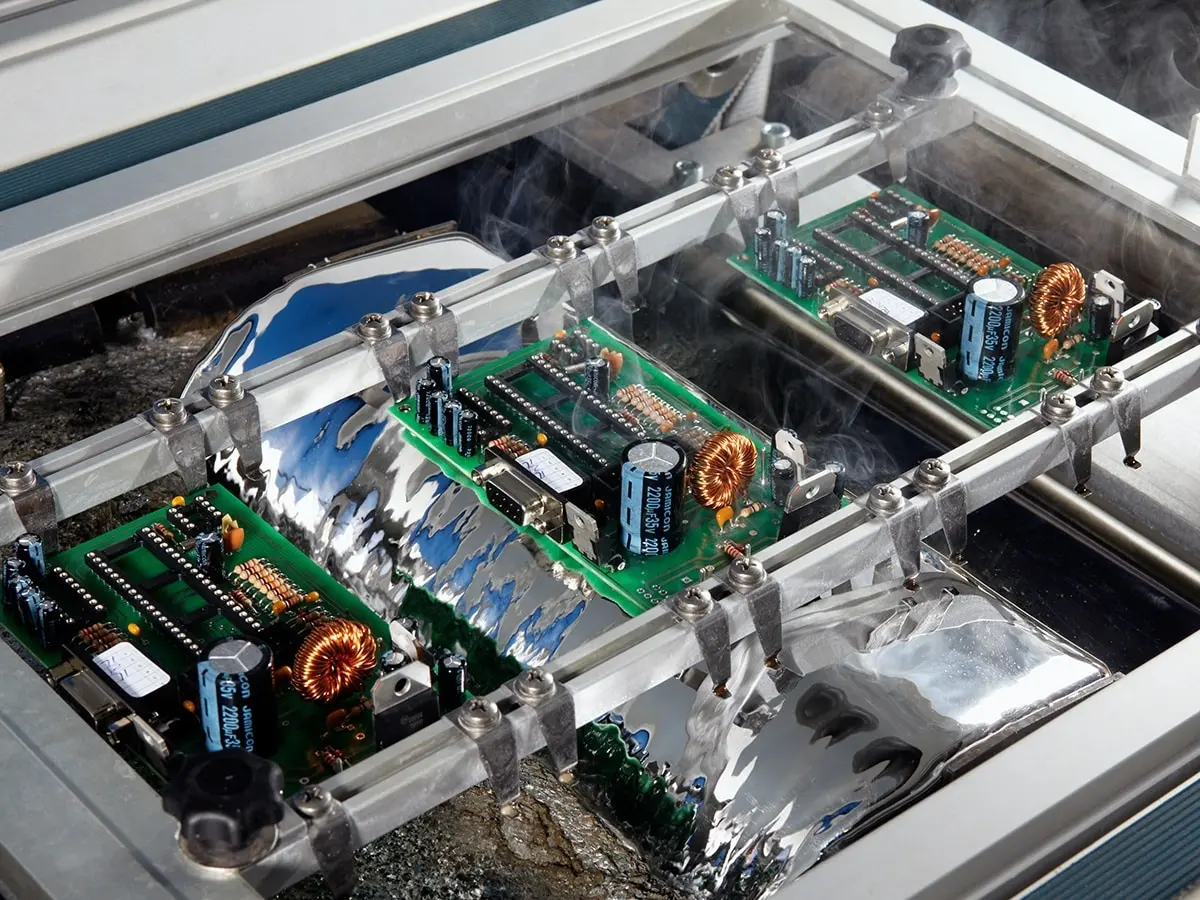
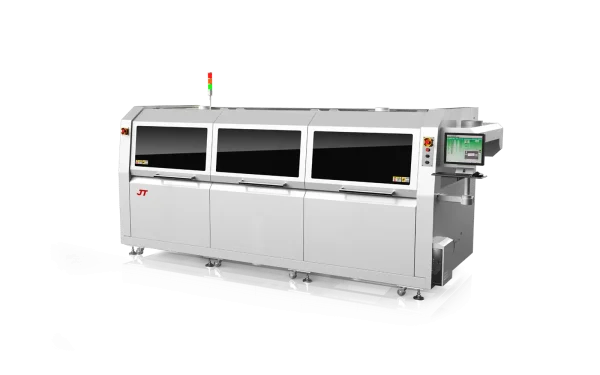
Wave soldering is a process that connects components to printed circuit boards (PCBs) using a wave of molten solder.
Unlike reflow soldering, which is primarily used for surface-mount components, wave soldering is primarily used for through-hole components like those found on motherboards and power supplies.
The process involves passing the PCB through a wave of molten solder, creating a strong electrical connection between the board and its components.
Key Differences Between Reflow and Wave Soldering

When it comes to soldering methods, choosing the right one for your PCB assembly depends on several factors. Below, we’ll explore the key differences between reflow and wave soldering to help you determine which option best suits your needs.
Cost Comparison
Wave soldering is generally considered more cost-effective for large-scale operations. Because wave soldering requires simpler equipment and fewer process steps, it’s well-suited for high-volume production of through-hole components.
On the other hand, reflow soldering is often more cost-effective for smaller, high-density PCBs. This may require more specialized equipment, but it’s more cost-effective for low-volume surface mount components.
Both methods require investment in equipment, but maintenance costs may vary. Wave soldering generally requires less maintenance than reflow soldering, which may involve more complex systems such as reflow ovens and temperature monitoring devices.
Speed and Efficiency
Reflow soldering excels in efficiency, particularly when processing surface mount technology (SMT). It allows you to process multiple components at once, making it ideal for smaller boards and complex designs.
Wave soldering is best suited for high-throughput manufacturing, where large numbers of through-hole components need to be soldered quickly and efficiently. The process is faster for these larger components because it only requires passing the PCB through a wave of molten solder.
Reliability and Quality
Reflow soldering offers higher reliability when it comes to small components, particularly ball grid array (BGA) and quad flat no-lead (QFN) packages. Its precise temperature control ensures high-quality joints, making it suitable for high-precision applications.
While wave soldering is less precise, it is reliable for larger components like power transistors and capacitors. It is less likely to cause damage due to overheating because these components are generally larger and less sensitive to heat than surface mount components.
Applications
Reflow soldering is preferred for high-precision, small components, particularly those with surface mount technology. If you are working on small devices such as smartphones, laptops, or high-density circuit boards, reflow soldering may be your best choice.
Wave soldering is preferred for larger through-hole components. This method is used in the manufacture of motherboards, power supplies, and large PCBs that require efficient, high-volume production.
Flexibility and Versatility
Reflow soldering offers significant flexibility. It can handle a wide range of PCB designs and component types, from small passive components to complex ICs. It is flexible enough to be suitable for both high-density and low-density PCBs.
Wave soldering, however, does have some limitations in terms of flexibility. It’s not well-suited for surface mount components and is less adaptable to complex or irregular PCB designs. Wave soldering is best suited for traditional through-hole techniques with simple designs.
Choosing the Right Soldering Method for Your Project

When deciding between reflow soldering and wave soldering, you must consider several key factors to ensure the best results for your specific project. You should consider the following:
Considerations When Choosing Reflow and Wave Soldering
Component Type (Surface Mount vs. Through-Hole)
If your project involves surface mount components, reflow soldering may be your best choice. It’s ideal for small, high-density components like BGAs or QFNs (quad flat no-leads).
For through-hole components, wave soldering shines. It’s ideal for larger components with long leads, such as resistors, capacitors, and connectors commonly found in power supplies or motherboards.
PCB Design and Complexity
If you’re working with high-density PCBs or complex designs, reflow soldering offers better precision and control, especially for designs with a large number of small components in a tight space.
On the other hand, if your PCB has fewer components or involves through-hole technology, wave soldering is simpler and more efficient for quick assembly.
Production Scale (Small-Scale vs. Large-Scale Production)
Reflow soldering is more cost-effective for small to medium-volume production that requires high precision.
Wave soldering is often used in large-scale production, offering faster turnaround and lower costs when processing large quantities of the same component type.
Hybrid Approach: Using Two Soldering Methods Simultaneously
Sometimes, it’s not about choosing just one method—combining reflow and wave soldering can give you the best of both worlds. This hybrid approach is particularly useful for complex PCB assemblies that require different types of components.
Example Project: In many cases, small surface-mount components are soldered using reflow soldering, while through-hole components, such as large capacitors or connectors, are added via wave soldering. This combination ensures that each component is soldered using the most efficient method.
Benefits of the Hybrid Approach: The hybrid approach can significantly reduce production time, increase efficiency, and improve the overall reliability of the PCB. It is particularly useful for designs involving a mix of surface-mount and through-hole components. Ultimately, the right soldering method depends on the specific needs of your project, and sometimes a combination of the two can provide the best results!