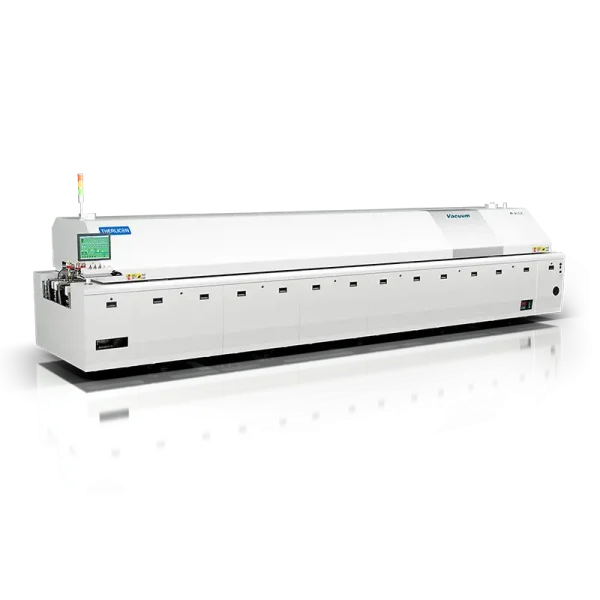

Equipment Definition
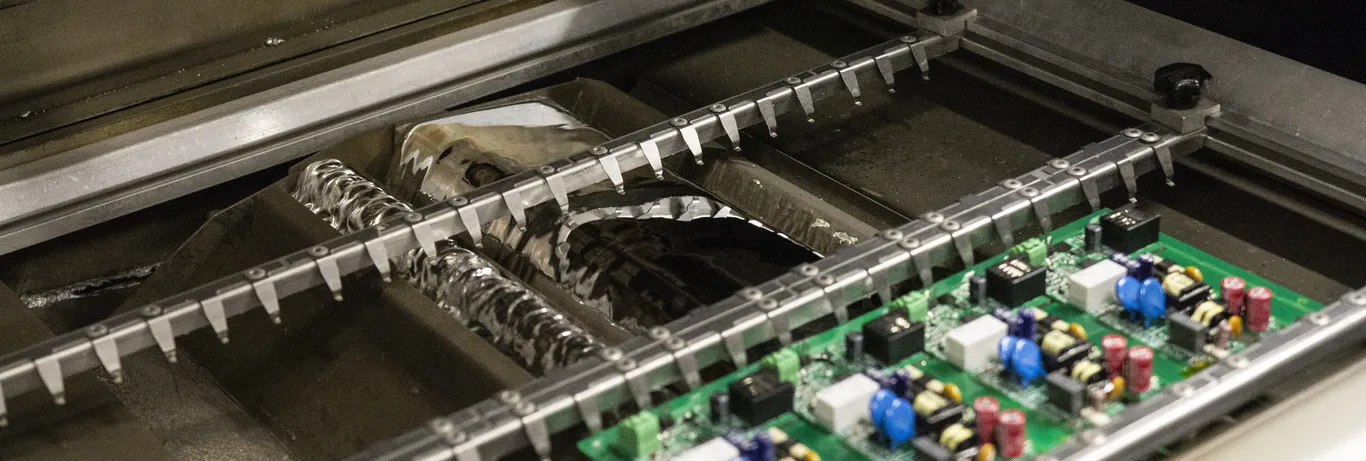
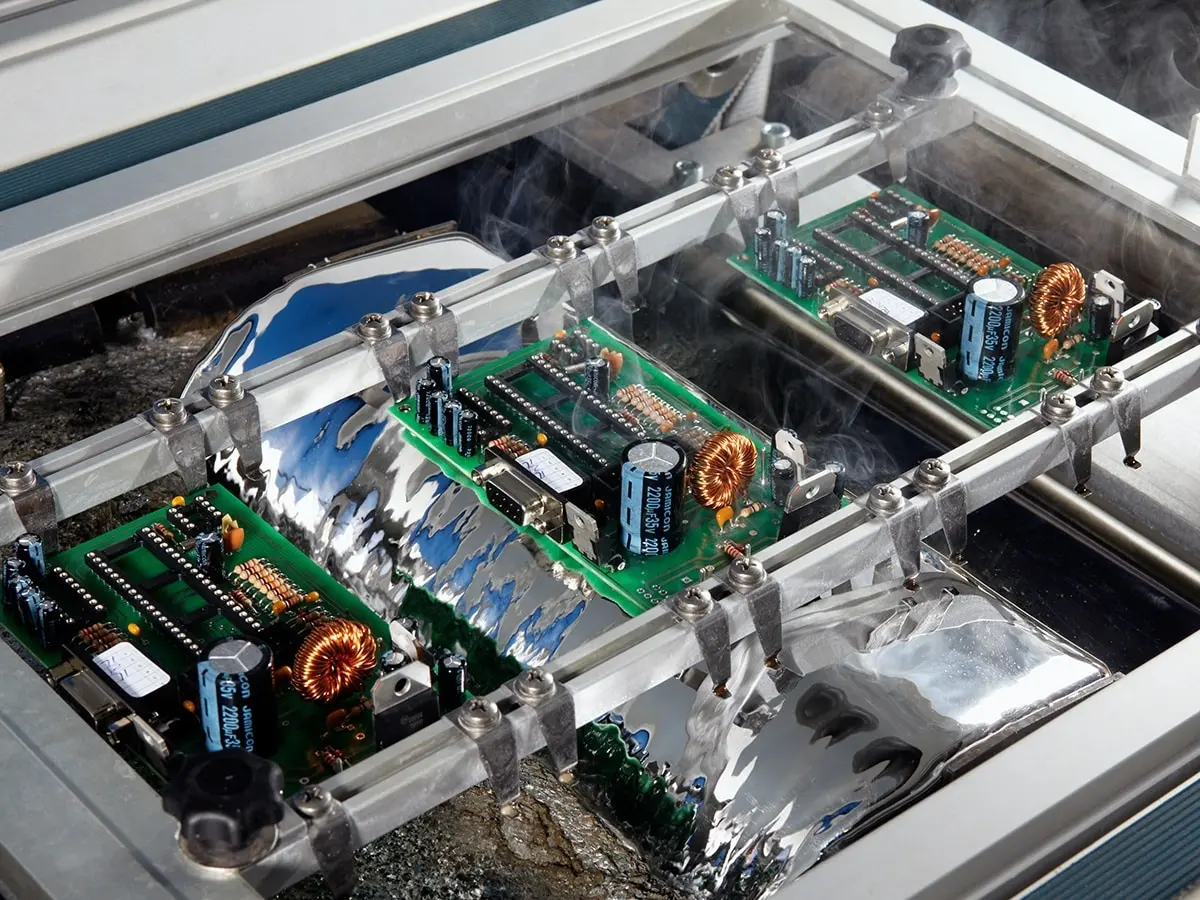
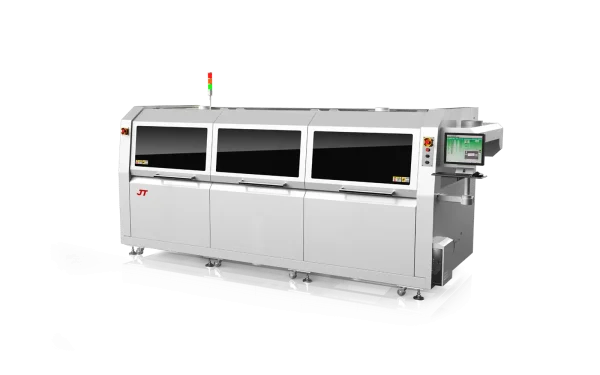
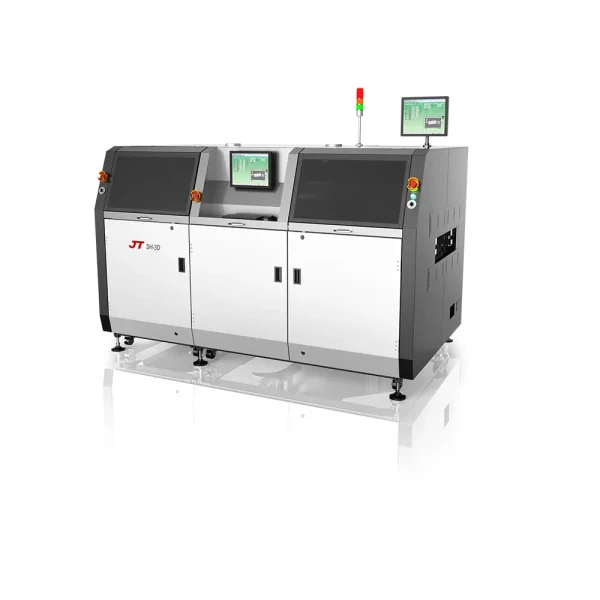
Vacuum reflow soldering is a key piece of equipment used in the surface mount technology (SMT) production process. This process securely connects electronic components to circuit boards. Unlike traditional reflow soldering, vacuum reflow soldering takes place within a vacuum chamber. Its key feature is that it reduces air pressure during soldering, eliminating air bubbles in the solder joints and improving solder quality.
Vacuum reflow soldering is commonly used in the manufacture of high-reliability products such as automotive electronics, aerospace, power modules, and 5G devices. These products place extremely high demands on solder joint airtightness, thermal conductivity, and solder joint strength.
Key Points
1. High vacuum and low air bubbles reduce surface voids in the solder joints.
2. High wettability improves solder quality.
3. Optimizes soldering parameters and processes to improve production efficiency.
4. Reduces oxidation and reduces the risk of cold solder joints.
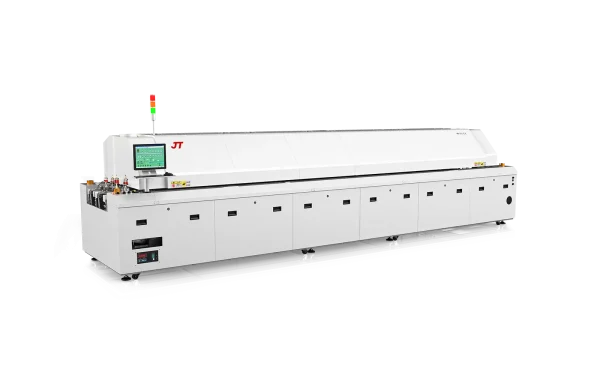
The Importance of Vacuum Reflow Ovens
Eliminating Solder Voids
The vacuum environment of vacuum reflow effectively reduces voids within solder joints, which is crucial for high-power devices (such as IGBT modules) or products with high thermal conductivity requirements. Reducing voids improves thermal conductivity and reliability.
Improving Solder Strength
Vacuum reflow ensures full contact between the solder and the pad, resulting in stronger solder joints and preventing device failures caused by voids or poor solder joints.
Optimizing Solder Appearance Quality
Soldering in a vacuum environment results in smoother, void-free solder joints, meeting the requirements of high-precision, high-reliability electronic products.
Meeting Lead-Free Soldering Process Requirements
Lead-free solder has a higher melting point and is more prone to void formation. Vacuum reflow is an important means of addressing this issue.
Applications in Key Industries
In SMT lines, vacuum reflow is often used in manufacturing processes with extremely high solder quality requirements, such as automotive electronic control units (ECUs), medical device motherboards, and high-frequency communication modules.
Improve product reliability
High-precision soldering in a vacuum environment reduces solder joint failure rates, thereby improving overall product quality and extending product life.
Vacuum Process
Steps Involved in the Vacuum Reflow Oven
The vacuum reflow oven involves several key steps:
Preheating: The oven gradually heats the components to a specific temperature to prepare them for soldering.
Vacuum Application: The PCB is transported via a vacuum reflow rail. From the reflow area, it enters a vacuum chamber for vacuum operation.
Cooling: After the operation is completed, the PCB flows to a cooling zone for cooling.
Each step is strictly controlled to achieve optimal results, making the entire process efficient and effective.
Advantages Compared to Traditional Methods
Process Principle
Traditional reflow: This method primarily uses air (or nitrogen) for conduction and convection heating to melt the solder and achieve soldering.
Vacuum reflow: This method adds a vacuum environment to traditional reflow. This vacuum removes oxygen and moisture from the air, reducing bubbles and voids during the soldering process.
Oxidation Control
Traditional reflow: A nitrogen environment is typically used to reduce the risk of oxidation, but this cannot completely eliminate it.
Vacuum reflow: A vacuum environment almost completely eliminates oxidation, thereby improving soldering quality.
Void Rate
Traditional reflow: A high number of voids may occur within the solder joint, especially when soldering large pads or high-power devices.
Vacuum reflow: A vacuum environment significantly reduces the void rate (to less than 2%), thereby improving soldering reliability and making it particularly suitable for power devices and high-precision applications.
Joint Strength and Thermal Performance
Traditional reflow: Due to the high void rate, the mechanical strength and thermal conductivity of the solder joint may be slightly reduced. Vacuum reflow soldering: Higher solder joint density, improved thermal conductivity, and mechanical strength contribute to improved overall product reliability and lifespan.
S&M’s vacuum reflow soldering technology can meet your needs for reducing voiding and improving solder joint performance during product soldering. We pride ourselves on quickly diagnosing and resolving equipment issues, minimizing downtime and maximizing your production efficiency.