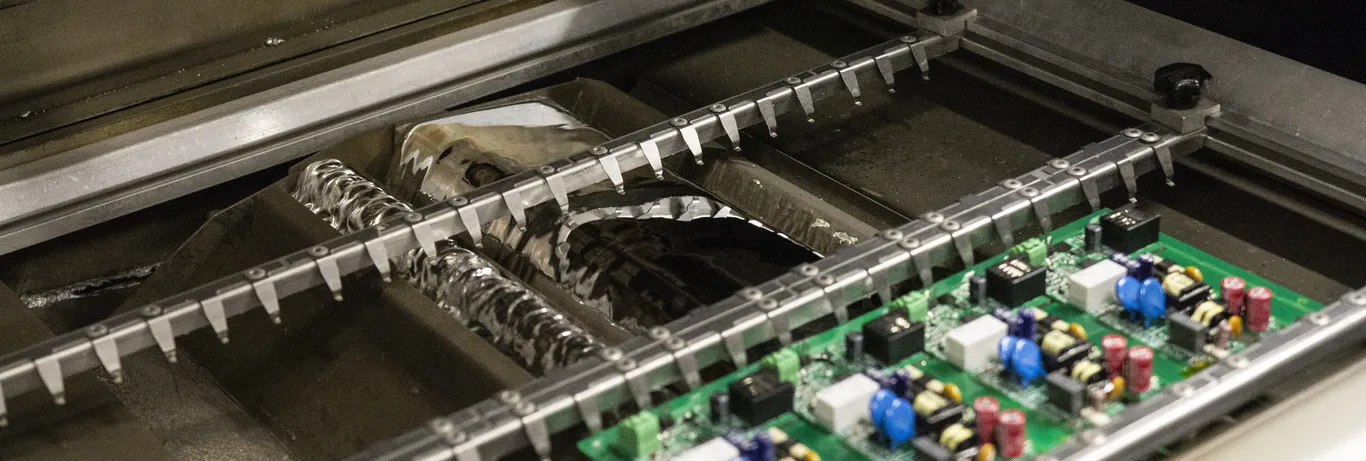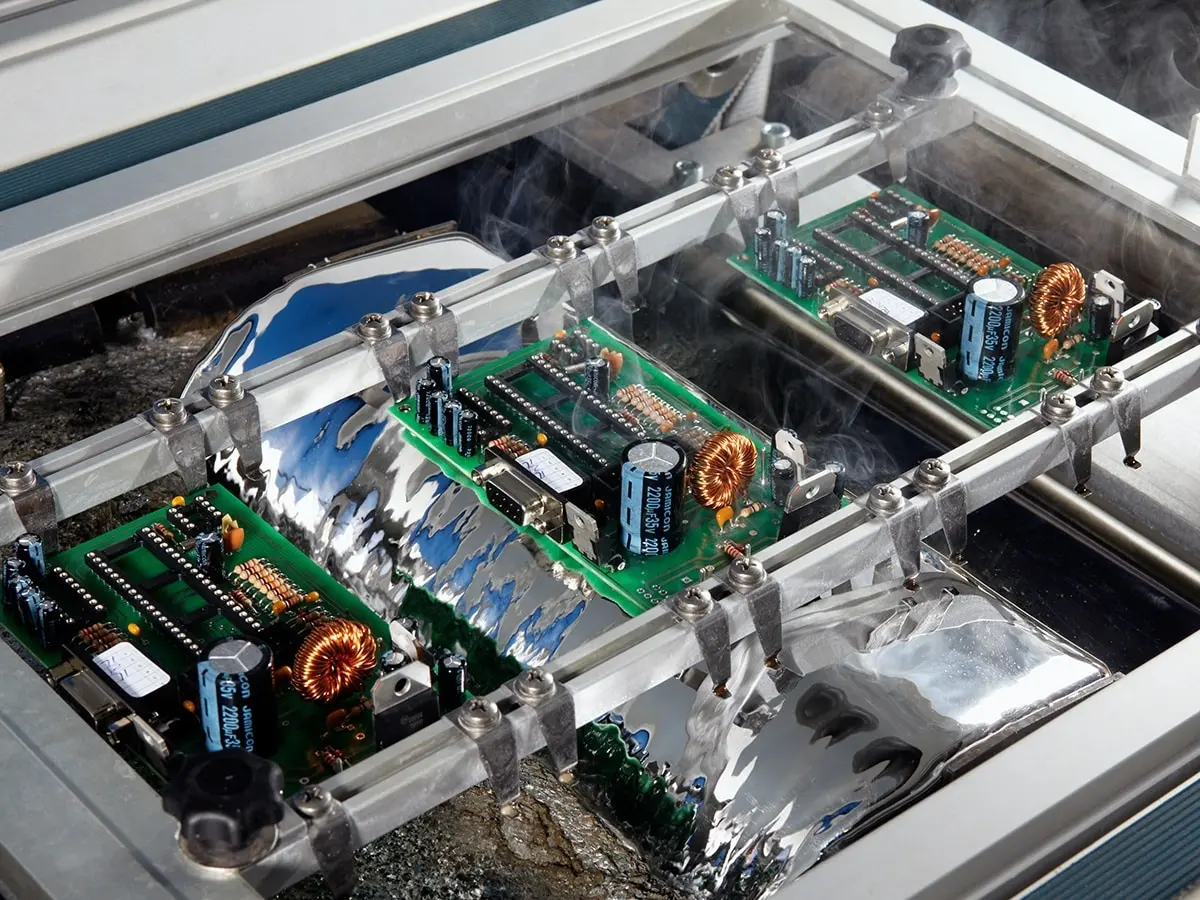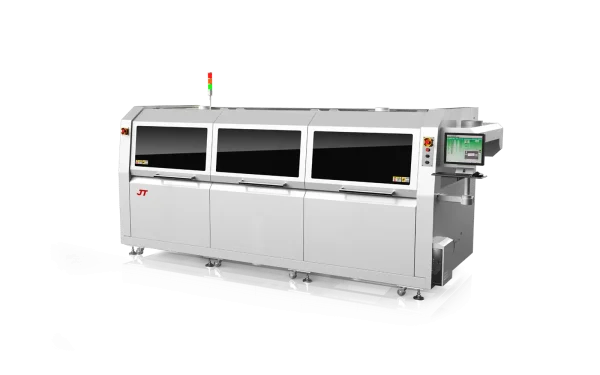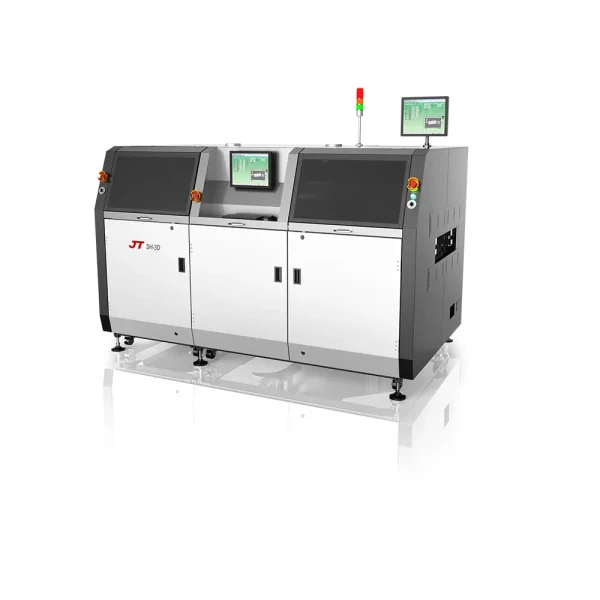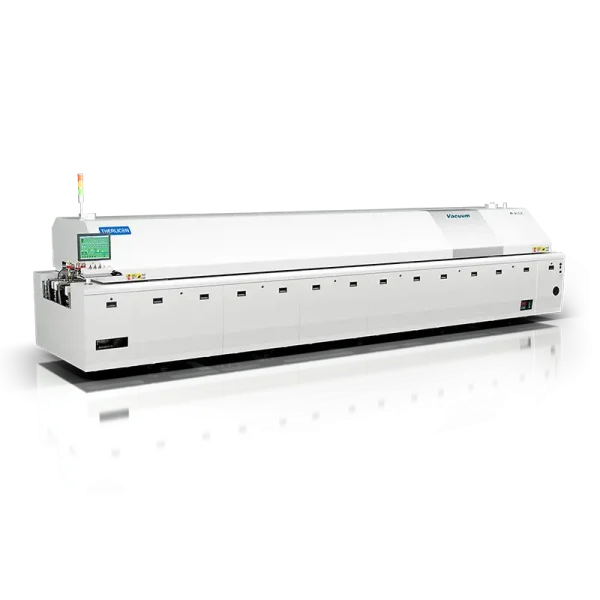

Reflow ovens play a vital role in electronics manufacturing. These ovens ensure precise soldering of components onto printed circuit boards. Oxidation poses a significant challenge during the soldering process. Oxidation can impact the quality and reliability of electronic connections. Addressing oxidation issues is crucial to maintaining the integrity of electronic devices. Manufacturers rely on reflow ovens to effectively address these issues. Proper use of reflow ovens minimizes oxidation and improves the performance of electronic products.
Understanding Oxidation in Electronics Manufacturing
What is Oxidation?
Definition and Chemical Process
Oxidation involves a chemical reaction in which a material loses electrons. This process typically occurs when metals react with oxygen to form metal oxides. In electronics manufacturing, oxidation can occur on metal surfaces exposed to air. The presence of oxygen leads to the formation of an oxide layer.
Impacts on Electronic Components
Oxidation has a significant impact on electronic components. Metal oxides form an insulating layer that hinders electrical conductivity. This effect can impair the functionality of electronic devices. Solder joint reliability is reduced due to oxidation. Manufacturers must address oxidation issues to ensure product quality.
Common Oxidation Issues
Oxide Formation on Metal Surfaces
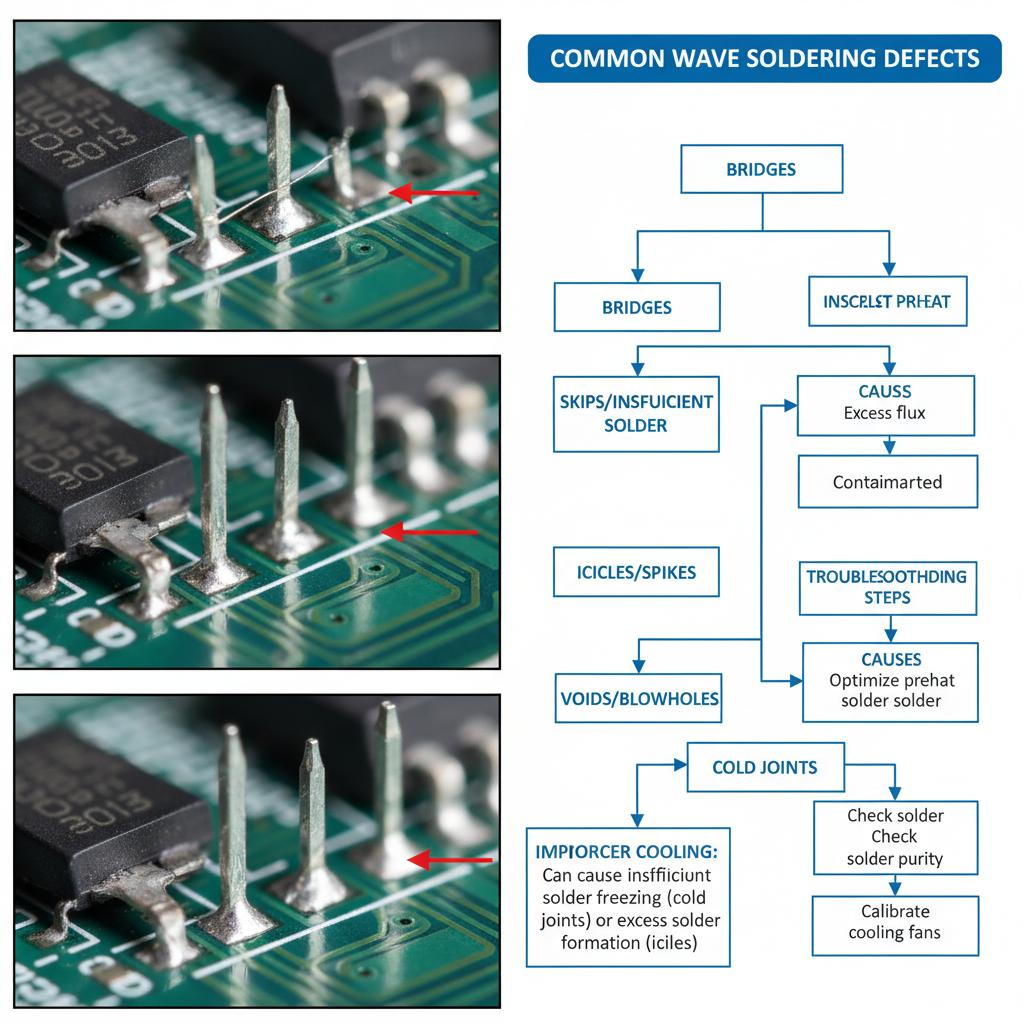
During the soldering process, oxides form on metal surfaces. Exposure to air accelerates oxide formation. The oxide layer prevents proper solder adhesion, compromising the integrity of the solder joint. Effective measures must be taken to prevent oxide formation.
Impact on Solderability and Electrical Connections
Oxidation forms a barrier on the metal surface, reducing solderability. Poor solderability results in weak electrical connections, which can lead to device failure. The vapor phase soldering process provides a solution by replacing oxygen with vapor. This method ensures even heat distribution and minimizes oxidation. Addressing these issues is critical to maintaining reliable electronic products.
The Role of Reflow Ovens in Solving Oxidation Issues
How a Reflow Oven Works
Basic Working Principle
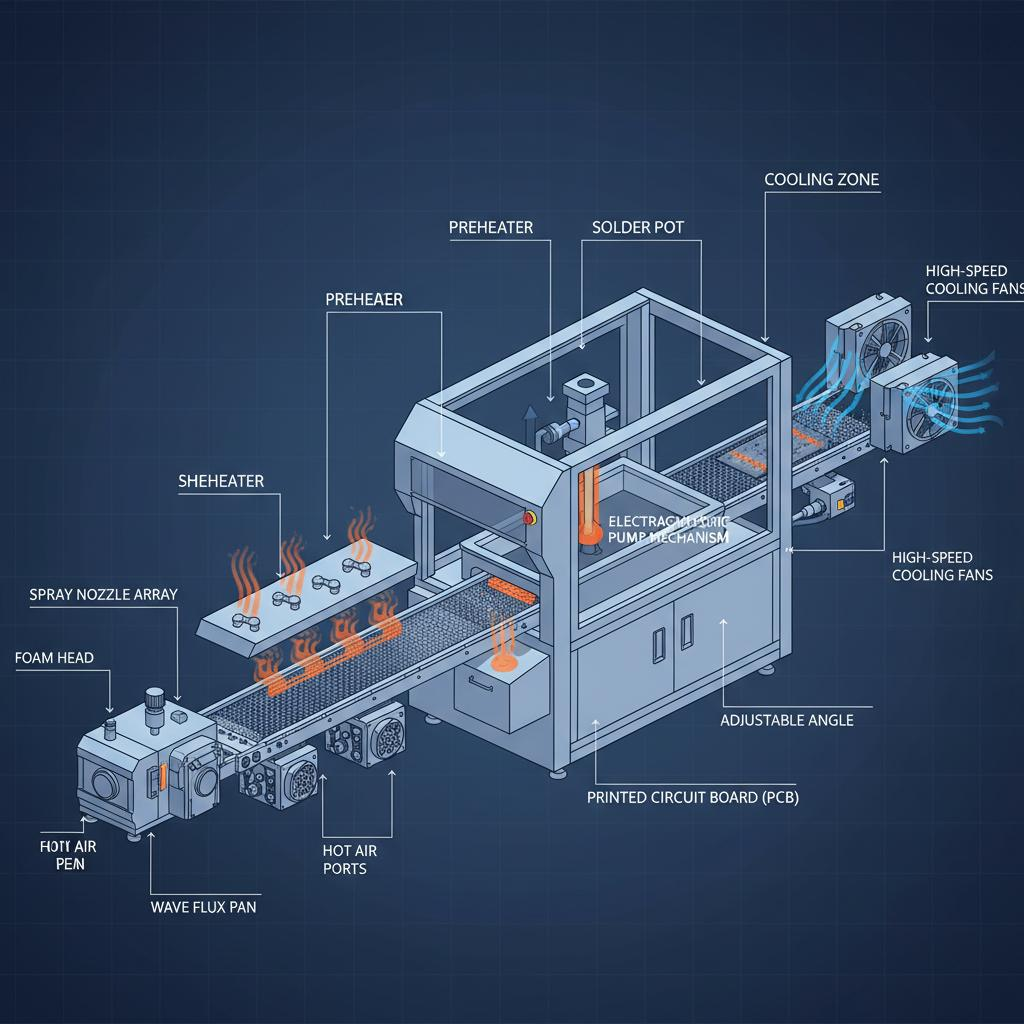
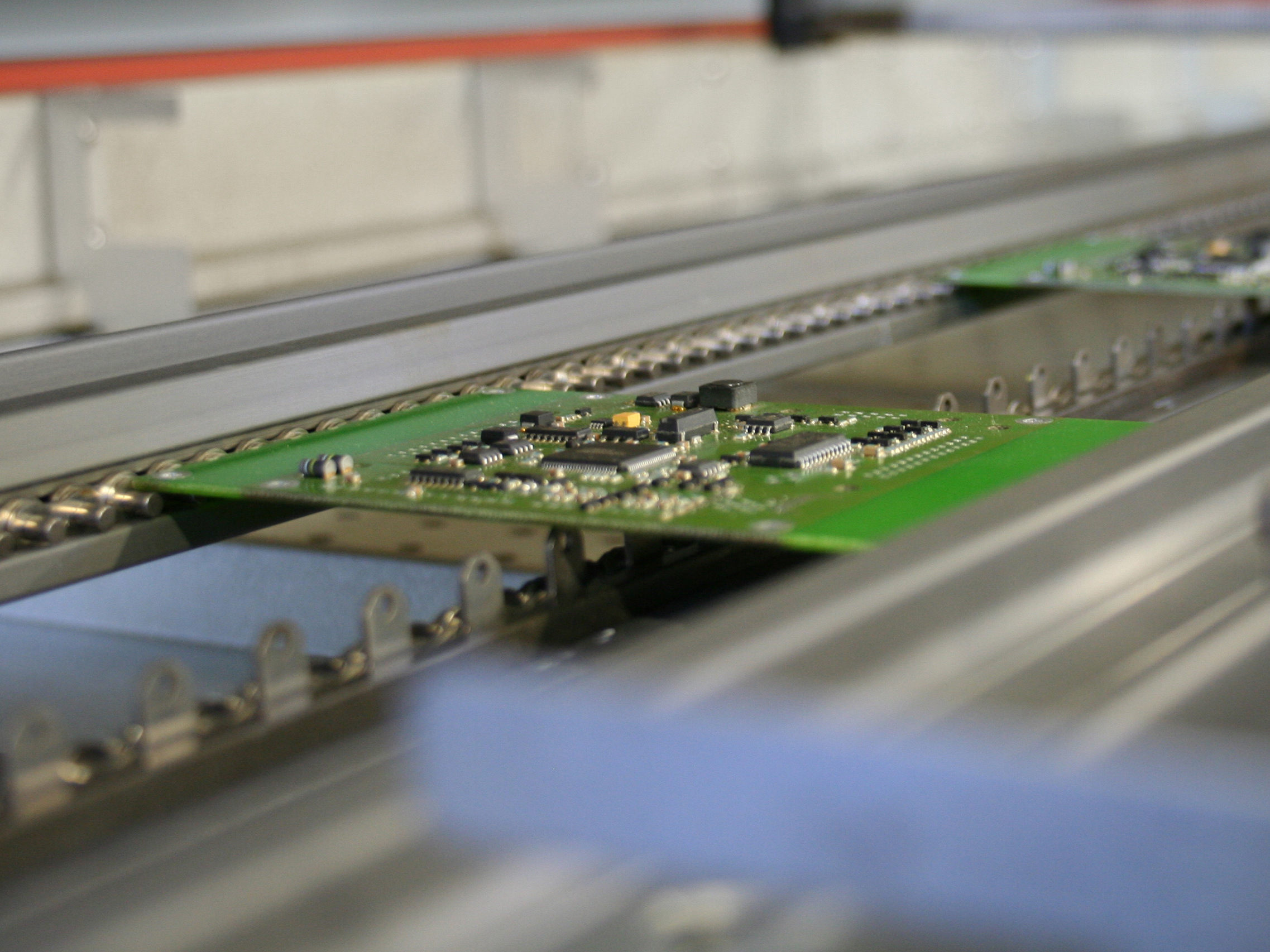
Reflow ovens operate using convection heating. This method circulates air throughout the chamber, ensuring even heat distribution around the circuit board. The process involves multiple zones within the oven. Each zone maintains a specific heat distribution. This setup allows for precise control of the soldering process. Even heat application is essential for effective soldering.
Temperature Distribution and Control
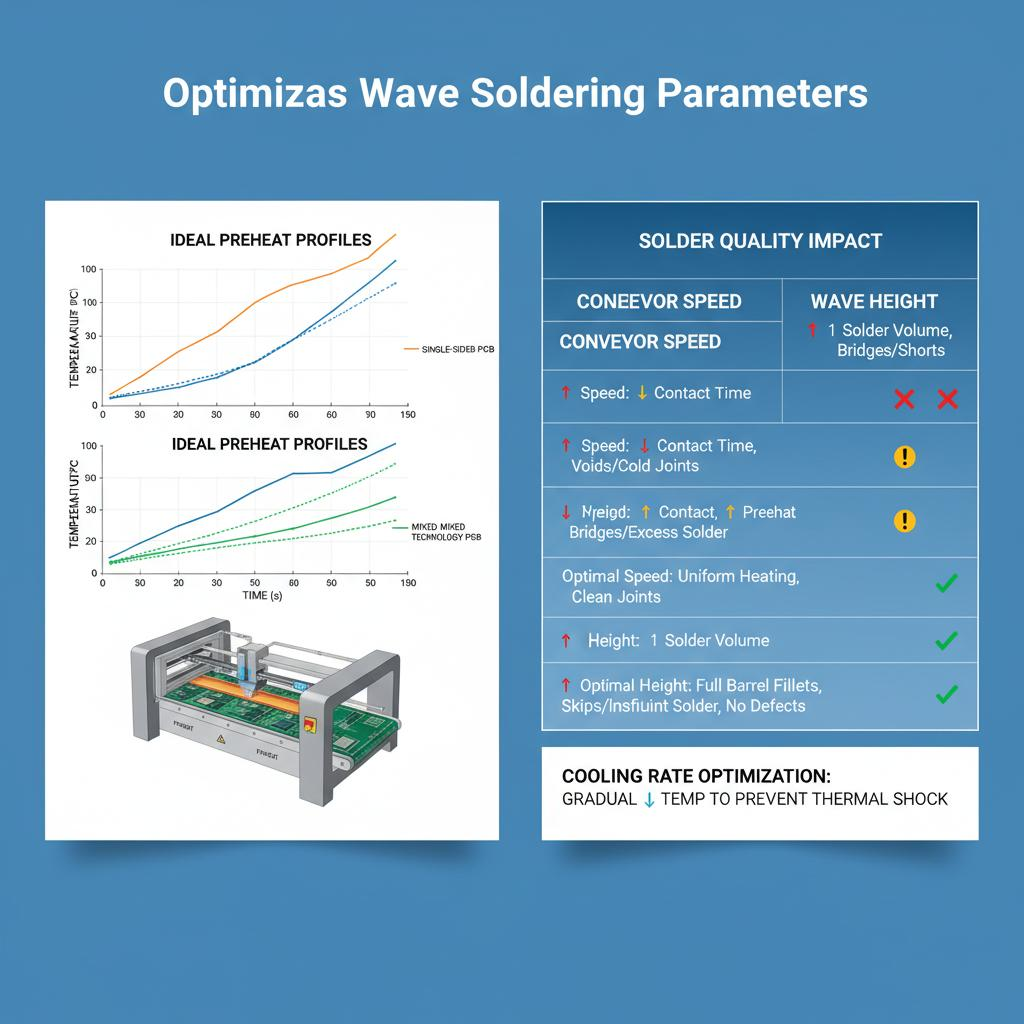
Temperature control is crucial in a reflow oven. Each component requires a unique reflow profile. Factors such as component type and circuit board material influence these profiles. The reflow process must achieve the correct temperature without damaging the component. Lead-free components require even greater precision due to their narrower temperature ranges. A correct profile ensures consistent and reliable solder joints.
Techniques for Reducing Oxidation
Using Inert Gases
Reflow ovens typically use inert gases to combat oxidation. Nitrogen is a common choice for this purpose. The inert gas replaces oxygen in the oven environment. The reduction in oxygen minimizes oxide formation on metal surfaces. Manufacturers use this technique to achieve higher-quality solder joints.
Flux Application and Its Function
Flux plays a crucial role in a reflow oven. The application of flux removes oxides from metal surfaces. This cleaning action improves solderability. Flux also protects the surface from further oxidation during heating. The combination of flux and a controlled atmosphere improves the reliability of electronic connections.
Lessons Learned and Best Practices
Key Takeaways from the Case Study
The case study highlights the importance of a controlled environment. A nitrogen atmosphere has been proven effective in reducing oxidation. Precise temperature control ensures consistent soldering results. Using advanced reflow ovens improves product quality. Manufacturers benefit from increased reliability of electronic devices.
Recommendations for Manufacturers
Manufacturers should invest in advanced reflow ovens. A nitrogen atmosphere is recommended. Precise temperature profiles are essential. Regular equipment maintenance ensures optimal performance. Operator training improves reflow oven efficiency. Manufacturers should prioritize addressing oxidation issues. A focus on quality leads to better electronic products.
Addressing oxidation issues in electronics manufacturing is crucial to ensuring the reliability of electronic components. Oxidation creates unsolderable oxides, impacting solder joint quality. Reflow ovens effectively address these issues by utilizing an optimized reflow profile and a nitrogen atmosphere. Nitrogen reduces oxidation and improves solderability. Manufacturers achieve superior solder joint quality through precise temperature control. Investing in advanced reflow ovens improves product performance. Adopting these technologies reflects a commitment to producing high-quality electronic devices.