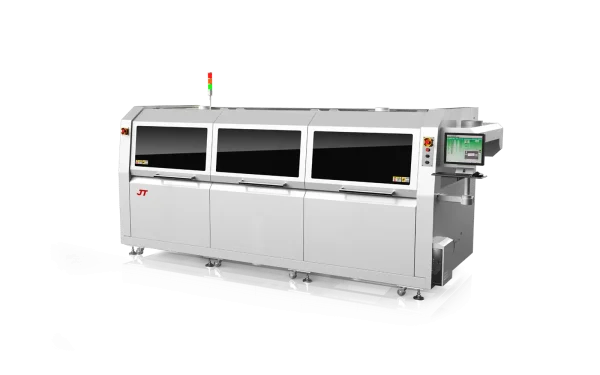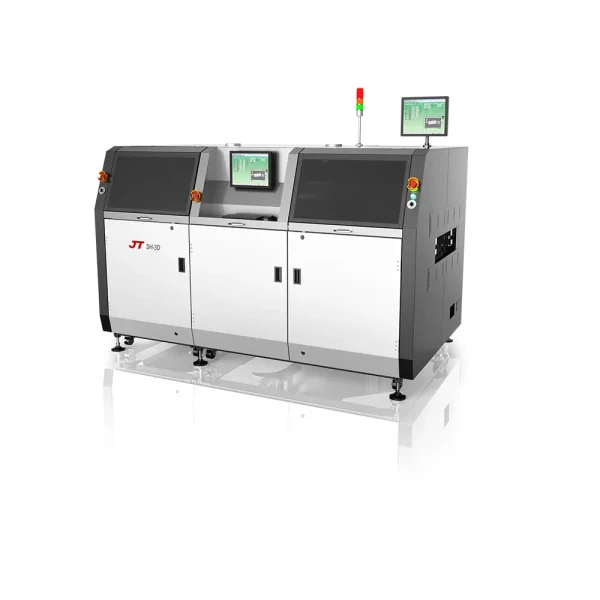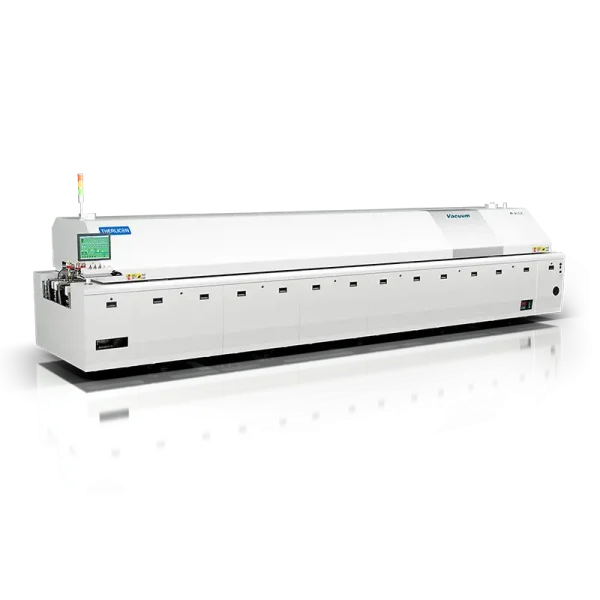

You rely on SMT curing ovens to quickly and evenly cure adhesives and solder paste on PCBs. These ovens use controlled heat or light to ensure each component is securely adhered to the circuit board. You benefit from precise temperature control, which improves product reliability and productivity. This process plays a critical role in electronics manufacturing, particularly prior to wave soldering, helping you achieve secure and consistent connections.
Key Points
- SMT curing ovens are essential for quickly and evenly curing adhesives and solder paste on PCBs, thereby improving product reliability.
- Infrared curing ovens utilize infrared radiation for rapid heating, making them ideal for preheating surfaces and ensuring secure connections.
- UV curing ovens provide instant curing with very low heat, making them ideal for sensitive components and specific adhesives that react to UV light.
- Choosing the right curing oven depends on your adhesive type and production needs; IR curing ovens are suitable for most adhesives, while UV curing ovens are ideal for adhesives that are sensitive to UV light.
- Proper curing improves bond strength and reduces defects, thereby enhancing product quality and ensuring the reliability of electronic assemblies.
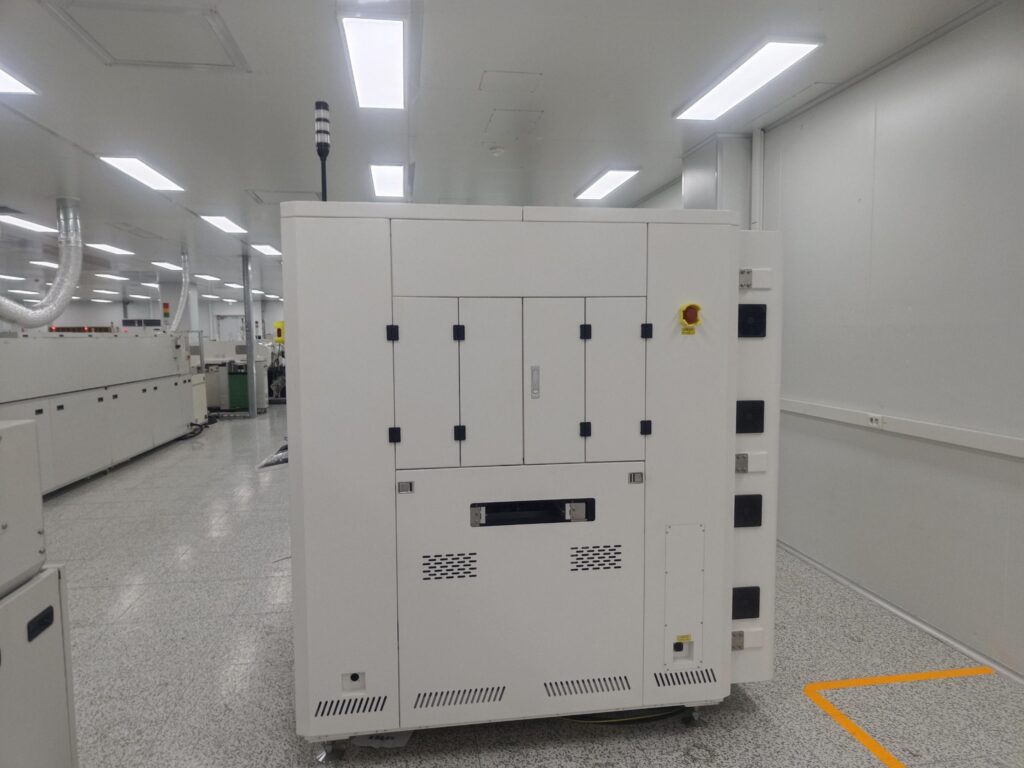
Types
IR Curing Ovens
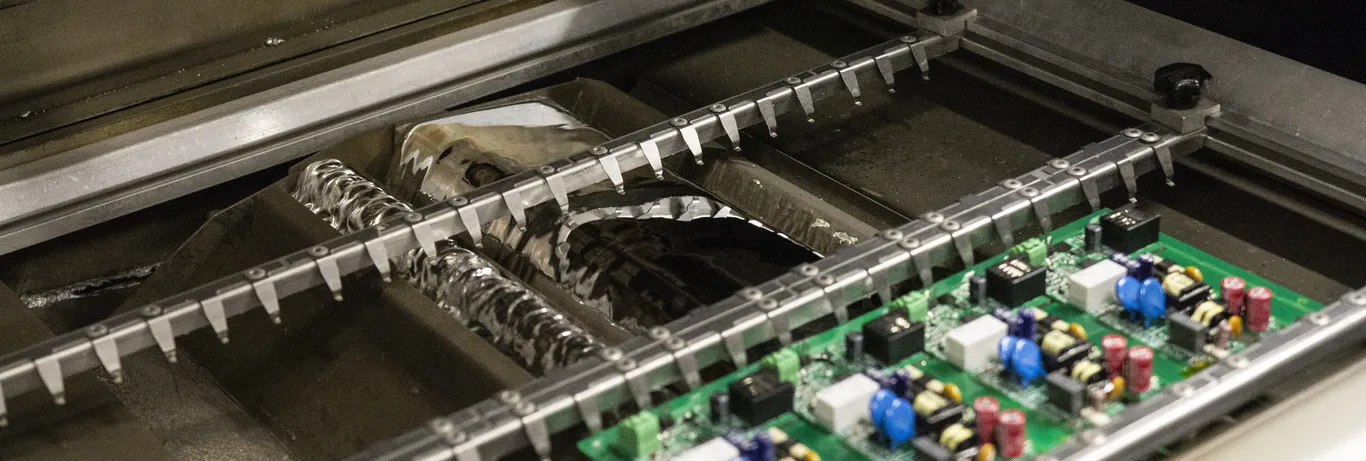
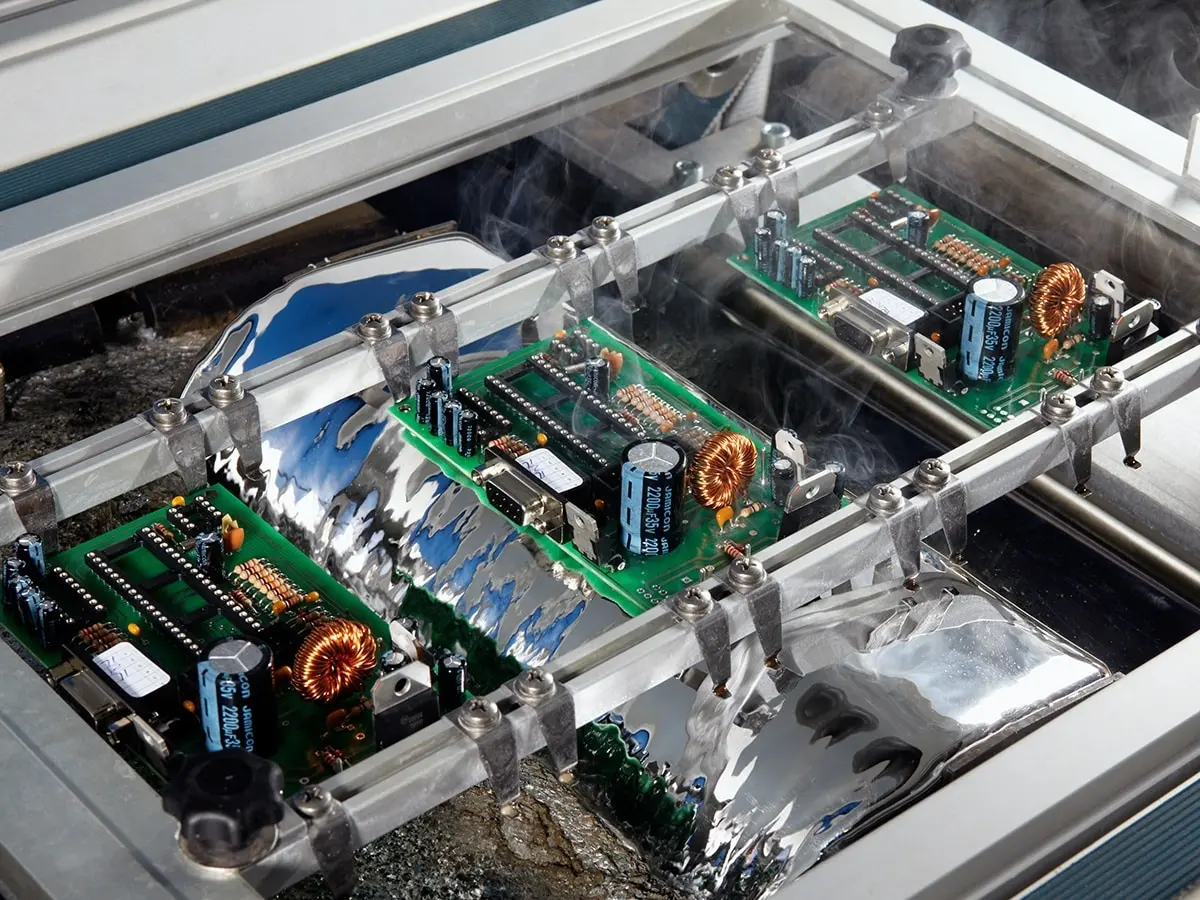
Infrared (IR) curing ovens are often used on SMT production lines because of their fast heating speed and high efficiency. These ovens use infrared lamps or tubes to transfer heat directly to the surface of printed circuit boards (PCBs). This method is ideal for curing glues, special solder joints, and even drying anti-corrosion coatings. IR curing ovens are used for the following:
- Preheating the surface helps adhesives like epoxy adhere better.
- Precisely heating solder paste to ensure a secure connection.
- Rapidly heating during SMD testing of chipsets and transistors.
- Quickly and evenly drying lacquer layers.
- Soldering complex copper tube heat sink assemblies.
IR curing ovens are popular for their speed and flexibility. You can adjust the temperature and heating zone to meet production needs.
UV Curing Ovens
Ultraviolet (UV) curing ovens are ideal when you need to cure specific adhesives and coatings quickly and energy-efficiently. UV curing ovens use high-intensity ultraviolet light to trigger a chemical reaction in specialized adhesives, causing them to harden almost instantly. This process is best suited for applications that require extremely low heat exposure, such as sensitive electronic components.
A UV curing oven will benefit you in the following situations:
- You need to cure adhesives without increasing the temperature of the PCB.
- You want to speed up production by achieving instant curing.
- You need to use materials that react to UV light, such as certain resins and coatings.
Working Principle
Infrared Curing Ovens
Infrared curing ovens apply heat directly to printed circuit boards. They operate by using infrared radiation to heat the surface of the printed circuit board and adhesive. This method is ideal for drying and curing because it effectively removes moisture and improves the physical and chemical properties of the coating.
The following are the main heat sources in an infrared curing oven:
- Finally radiated heat sinks and stainless steel heating tubes generate the required heat.
- Fan-assisted convection ventilation ensures even heat distribution.
- Shortwave infrared heat sources provide high-intensity heat for rapid curing.
Convection ventilation plays a key role in the operation of infrared curing ovens. Infrared energy quickly heats the surface, while convection ventilation ensures that every part of the circuit board receives sufficient heat. This ensures uniform curing, even for complex or large components.
UV Curing Ovens
UV curing ovens use a different operating principle. They expose the adhesive or coating to UV light, triggering a photochemical reaction. This reaction hardens the adhesive almost instantly. This process effectively reduces thermal stress on sensitive components and speeds up production, offering numerous benefits.
The UV light source in these ovens is typically a mercury lamp. These lamps emit light with a wavelength range of 200-400 nanometers, peaking at 365 nanometers, and can produce up to 6 kilowatts of power. The wavelength, curing time, and intensity can be customized to suit the material.
UV adhesives have very fast curing times. For example, acrylates and epoxy acrylates cure in 5 to 20 seconds at an intensity of 50 to 150 mW/cm². Urethane acrylates cure in 10 to 20 seconds at an intensity of 50 mW/cm². High-intensity cures can be completed in as little as 5 seconds.
Safety guidelines must be followed when operating a UV curing oven. Always wear protective glasses, a face shield, a lab coat, gloves, and closed-toe shoes. Ensure the workspace is well ventilated to remove any toxic fumes. Use a protective shield to protect yourself from UV rays and follow OSHA, ANSI, and IEC standards.
Step-by-Step Process
When using an SMT curing oven (whether infrared or UV), there’s a clear process to follow:
- Preheating: Gradually heat the board to a specific temperature. This step ensures even heating across the board.
- Hot Soaking: Hold the board at the preheat temperature for 60-120 seconds. This activates the chemicals in the adhesive or solder paste.
- Curing or Reflowing: In an infrared oven, the board is rapidly heated to cure the adhesive. In a UV oven, the adhesive is exposed to UV light for a few seconds to harden.
- Cooling: Rapidly cool the board to cure the adhesive or solder, improving the quality of the bond.
- Cleaning (optional): You can wash the board to remove any chemical residue and ensure cleanliness.
This step-by-step process ensures that your adhesive cures properly and that components are securely connected. By understanding how each oven type works, you can choose the best method for your production line and improve the reliability of your electronics.
Applications
In SMT Production Lines
SMT curing ovens are key components of automated production lines. These ovens are installed after the dispensing stage and before wave soldering. They cure adhesives to secure components in place during subsequent steps. Modern curing ovens often incorporate artificial intelligence (AI) technology, enabling precise control of temperature and curing profiles. Intelligent monitoring systems adjust the process in real time, ensuring consistent results every time.
You can monitor multiple process parameters to ensure smooth production line operation. These include zone power, conveyor speed, and temperature excursions. You can also track peak temperature, ramp rate, and hold time. By monitoring these factors, you can ensure every board is processed correctly.
Modern ovens’ automated features help reduce human error and increase yield. Smart technology allows for quick adjustments, improving uniformity and reducing defects. Hybrid curing systems provide the flexibility to process different materials without slowing production.
Impact on Quality
Proper curing is critical to the quality of electronic products. Using the correct working principles and controlling the process can improve the mechanical strength of components. Faster curing speeds and higher temperatures increase the shear strength of adhesives. Larger adhesive fillets can double the strength of underfill solder joints.
If the adhesive doesn’t cure properly, problems such as weak bonds, component displacement, and uneven adhesive application can occur. These issues can lead to defects and reduce reliability. Using a precisely controlled curing oven ensures a strong bond and precise component positioning.
Tip: Always monitor the curing profile and adjust settings as needed. This helps you maintain high quality and avoid costly rework.
By following best practices and using advanced, IoT-enabled curing ovens, you can improve product quality and reliability. Be sure to match the oven’s capabilities to your production needs.