
Nitrogen Systems in Reflow Ovens
Inert Gas Environment
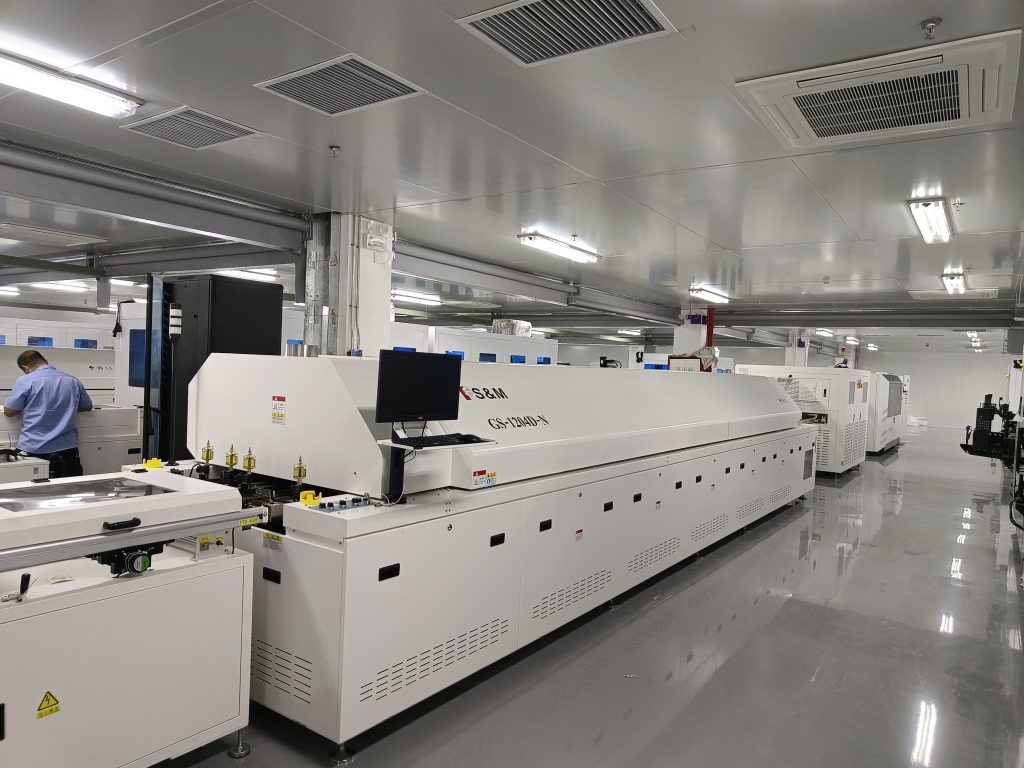
A nitrogen system creates a non-reactive environment within the reflow oven. This system works by injecting nitrogen gas, which does not react with metals or other materials, into the heating chamber. Using nitrogen prevents unwanted chemical reactions that could damage solder joints. The primary function of the nitrogen system is to maintain an inert environment within the oven. This means the atmosphere inside the oven does not promote oxidation, which can weaken joints and cause defects.
Tip: An inert gas environment results in cleaner, stronger solder joints, especially when working with sensitive electronics.
Using a nitrogen system in your process offers several benefits:
- Nitrogen creates a non-reactive environment within the reflow oven.
- It prevents oxidation and improves solder joint quality by reducing voids.
- The inert properties of nitrogen isolate oxygen, preventing it from reacting with metals.

Oxygen Displacement
Oxygen can cause oxidation during the soldering process, leading to poor connections and increased defects. A nitrogen system can help you address this by displacing oxygen from the furnace chamber. When nitrogen is introduced, it displaces most of the oxygen, reducing the oxygen concentration. Air contains approximately 20.9% oxygen, or 209,000 ppm (two hundred thousand parts per million). A nitrogen system can reduce the oxygen concentration, but it still mixes with the surrounding air. Furnace designs typically include welded enclosures and sealed doors to prevent oxygen from entering.
You can choose from different types of nitrogen generators for your furnace:
- Pressure Swing Adsorption (PSA) Nitrogen Generators
- Nitrogen Membrane Generators
These systems help you maintain a low-oxygen environment, which is critical for high-quality soldering. By reducing oxygen levels, you can improve solder wettability and minimize defects. This results in better results and fewer issues with the finished product.
Preventing Oxidation
Oxidation can ruin your soldering results. Using a nitrogen system in your reflow oven creates an oxygen-free environment, keeping solder and components away from oxygen. This step is crucial because oxygen reacts with metal at high temperatures, forming oxides that weaken the connection. Nitrogen, as an inert gas, does not react with metal. It protects your workpiece from oxygen attack, helping you achieve better soldering results.
Solder Joint Quality
You want strong, reliable solder joints for every component. Oxidation can make this difficult. Even a thin layer of oxide on the metal surface can prevent solder from properly adhering. You may notice poor solder flow or gaps. These issues can lead to weak solder joints and potentially even failure.
Note: Nitrogen prevents oxidation of the solder and PCB pads, improving wetting and reducing soldering defects.
Component Protection
Sensitive electronic components require extra care during the soldering process. Oxidation can damage leads and pads, reducing their efficiency and lifespan. A nitrogen system helps protect these components by maintaining an oxygen-free environment.
- Nitrogen in the reflow oven prevents oxidation and improves solder joint quality, which is crucial for protecting sensitive electronic components.
- Studies have shown that nitrogen reflow can reduce voiding by up to 50% compared to air reflow systems, resulting in more reliable solder joints.
- The inert atmosphere created by nitrogen enhances wetting, especially for lead-free soldering, which is more sensitive to oxidation.
You can also improve the formation of intermetallic compounds in the solder joint. Nitrogen prevents oxidation during the soldering process and helps the solder alloy bond better to the component leads and PCB pads. The result is high-quality, void-free solder joints with improved mechanical and electrical properties.
Tip: Using a nitrogen system means fewer defects, longer component life, and higher reliability of the finished product.
Solder Wetting and Reliability
Improved Wetting
You want solder to spread smoothly and bond tightly to every surface. A nitrogen system helps you achieve this by creating an inert atmosphere within the reflow oven. Using nitrogen minimizes oxidation. This keeps the solder paste, component leads, and PCB pads clean and ready for bonding. This allows the solder to flow and fuse more easily, resulting in stronger solder joints.
Nitrogen prevents the formation of an oxide film on solder particles. You’ll see better solder spreading and fusing, which means fewer defects like solder balls. The solder also outgasses more effectively during the reflow process. This process helps you avoid gaps and weak spots in your connections.
Tip: Cleaner surfaces and better wetting mean your components work more efficiently and last longer.
You’ll also notice that nitrogen supports fine-pitch and high-density designs. Uniform wetting reduces the risk of bridging, insufficient solder, or component displacement. As designs become smaller and more complex, your components will be more reliable.
Void Reduction
Voids in solder joints can cause thermal and electrical performance issues. Minimizing these voids is crucial. A nitrogen system helps achieve this by reducing oxidation on the solder paste and pads. Lower oxidation improves solder flow and helps the solder spread more evenly.
- Using a nitrogen system in the reflow oven can reduce solder voids, especially for non-BGA solder joints.
- The reduction in voids is attributed to minimizing oxidation on the solder paste or pads, which improves solder flow.
- For non-BGA solder joints, lower surface tension helps solder spread and reduces voids.
- However, for BGA solder joints, the effect can be the opposite, potentially increasing voiding.
Voiding is reduced in bottom-terminated components because nitrogen helps the solder paste coalesce more evenly. This reduces surface tension mismatch and maintains a secure solder joint. Components produced using nitrogen-assisted reflow exhibit higher reliability. Oxide-free solder joints are more resistant to thermal fatigue, and lower voiding helps dissipate heat.
Note: Lower voiding and consistent wetting mean better performance and a longer life for your products.
In conventional reflow processes, the ambient air contains approximately 21% oxygen. This oxygen reacts with the solder and causes oxidation. Introducing nitrogen reduces the oxygen content, significantly reducing oxidation. Your solder joints will be cleaner and more reliable.
Reduced Rework
You want your production line to run smoothly. A nitrogen system helps you achieve this by improving solder quality and minimizing oxidation. Using nitrogen in your reflow oven creates a cleaner environment for solder joints. This means fewer defects and less repair time. You’ll find your printed circuit board assemblies become more reliable. You won’t have to send boards back for rework as often. This saves you time and resources.
Tip: Fewer defects means less rework, which helps you meet deadlines and reduce costs.
You’ll also find your team spends less time troubleshooting soldering issues. You can focus on developing new products, not fixing old ones. Your customers will get better products, and your reputation for quality will improve.
Higher Yields
You want every board that leaves your factory to meet high standards. A nitrogen system supports this goal by reducing oxidation and void formation during the soldering process. As electronic assemblies become more complex and components become smaller, high-quality solder joints become increasingly important. Nitrogen can help you achieve long-lasting, reliable connections.
Manufacturers report that using nitrogen in their reflow ovens improves solder joint quality and reduces defects. You’ll see more boards pass inspection on the first try. Yields increase, and material waste decreases. This improvement is especially important in reliability-critical industries like aerospace, medical devices, and automotive electronics.
Note: High yields mean higher yields and lower scrap, which boosts your bottom line.
You’ll notice a more efficient production process. You’ll spend less time on repairs and more time on innovation. Even as your designs become more advanced, a nitrogen system helps you deliver consistent results.
A nitrogen system in your reflow oven offers several key advantages:
- You’ll see improved solder quality and fewer defects.
- Productivity increases due to reduced rework time.
- Post-soldering cleaning requirements are reduced.
- You’ll save costs by improving solder joint integrity.
- Precision electronics will have a longer service life.
Nitrogen prevents oxidation and promotes wetting, making it particularly useful for lead-free soldering. You’ll achieve higher first-pass yields and accelerate time to market. For small and medium-sized manufacturers, the cost may not always justify the investment. However, strong growth in electronics and new regulations will drive the wider adoption of nitrogen systems over the next five years.