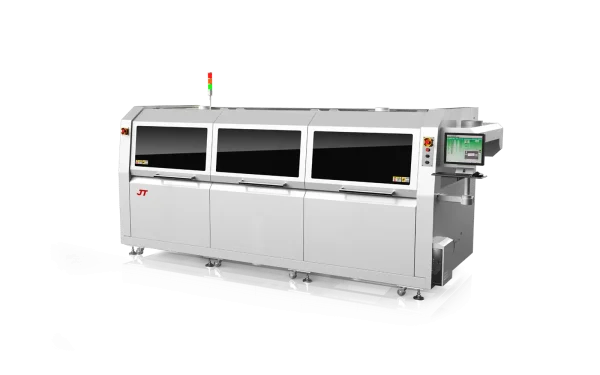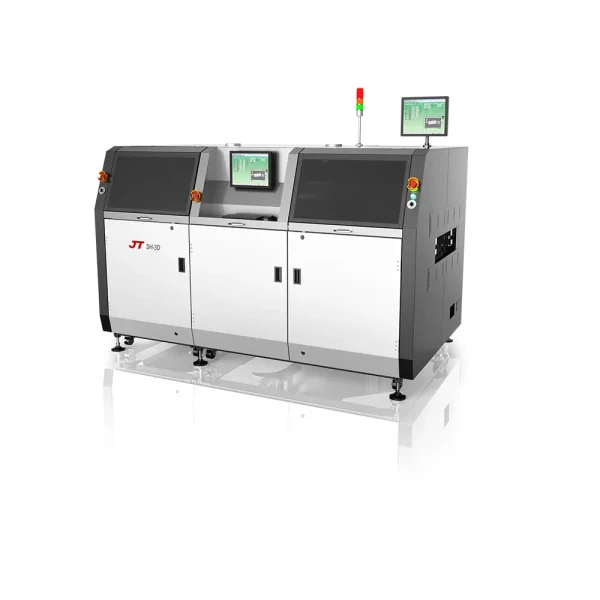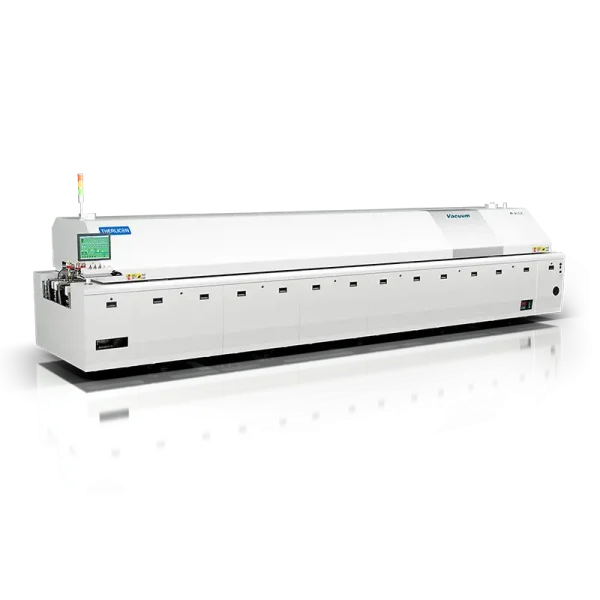

In surface mount technology (SMT) production processes, component miniaturization and high placement accuracy are crucial, making them susceptible to defects caused by factors such as equipment parameters, material quality, and process control. Understanding the causes and prevention techniques of common defects is key to ensuring product yield. The following are core defect types and corresponding solutions.

I. Solder Bridge: Unexpected Connection Between Pins
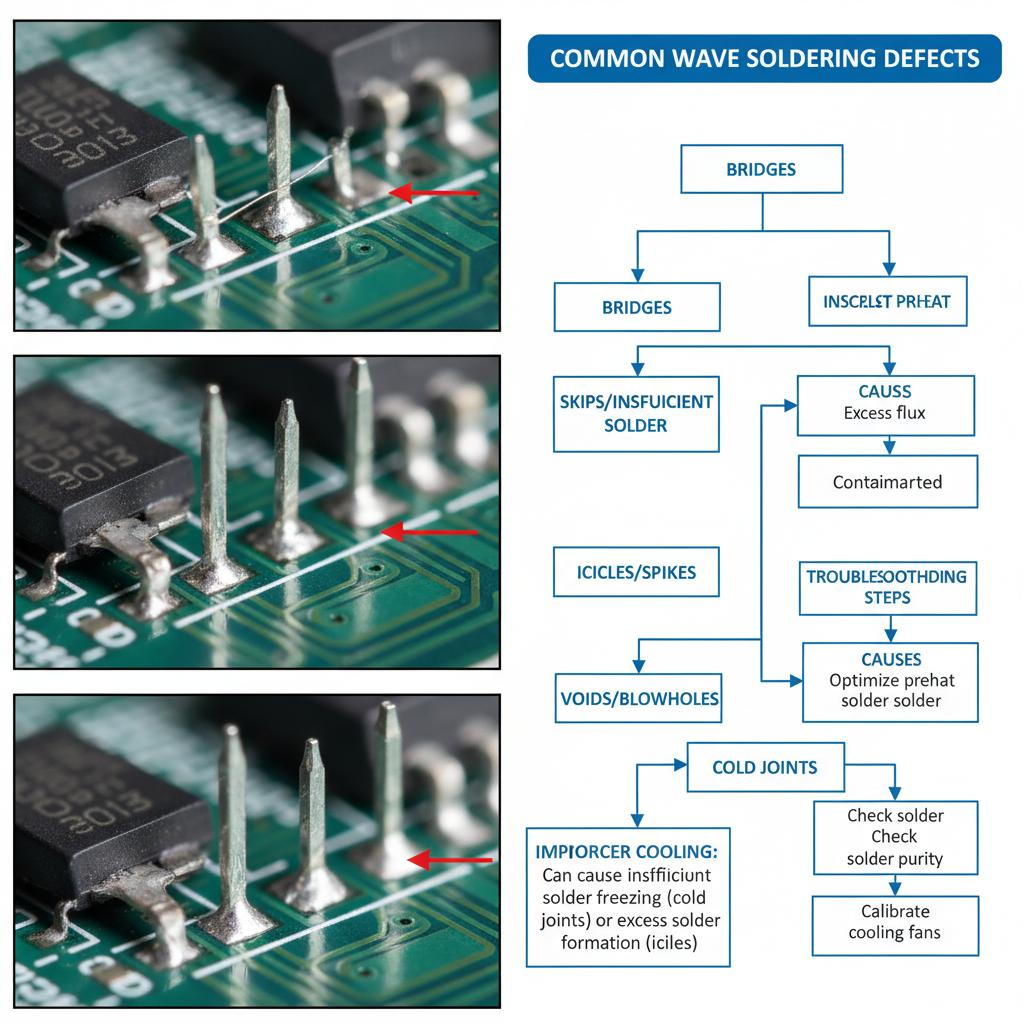
Bridging is a common defect where excess solder appears between adjacent solder joints, causing a short circuit. It often occurs with densely pinned components such as QFPs and BGAs. Causes mainly include excessive solder paste printing, excessively large stencil apertures, placement misalignment, and an unreasonable reflow temperature profile.
Prevention methods should focus on three aspects: Optimize stencil design by adjusting aperture size according to component pin spacing and using a stepped stencil to precisely control solder paste volume; strictly control placement accuracy by regularly calibrating the pick-and-place machine nozzles and positioning system to ensure precise alignment of component pins with the pads; and adjust the reflow temperature profile to avoid excessive solder melting and flow.
II. Cold Solder Joints: Seemingly Connected but Actually Failed
Cold solder joints manifest as a weak connection between the solder joint and the pin/pad, with minute gaps. After power is applied, poor contact, overheating, or even an open circuit can easily occur. The main causes are insufficient solder paste activity, oxidation of the pads or pins, and insufficient reflow temperature or time.
Prevention hinges on material pretreatment and process parameter optimization: Choose stable solder paste during procurement, strictly adhere to low-temperature storage requirements, and thoroughly warm and stir before use; clean the PCB board and components before soldering to remove oxide layers; calibrate the reflow oven using a temperature profiler to ensure sufficient wetting temperature and holding time for the solder joints.
III. Missing Solder Joints: The Hidden Danger of “Incomplete” Solder Joints
Missing solder joints refer to insufficient solder volume, failing to completely cover the pins, leading to decreased mechanical strength and electrical performance. Causes include solder paste printing omissions, stencil blockage, and excessive mounting pressure causing solder paste leakage.
Preventive measures should focus on printing process control: Regularly clean the stencil to prevent solder paste residue from clogging the openings; automatic stencil cleaning machines can be used to improve cleaning efficiency. Adjust printing machine parameters to ensure solder paste evenly covers the pads, eliminating missed or insufficient printing. Set appropriate placement pressure to ensure component placement while preventing excessive solder paste compression.
IV. Component Misalignment: Positional Deviation Causes Faults
Component misalignment occurs when the center of a component deviates from the center of its pad after placement, exceeding the allowable range. This can lead to bridging, cold solder joints, or abnormal electrical performance. It is mainly caused by placement machine positioning errors, inaccurate PCB board reference point identification, and unstable component feeding.
Prevention requires strengthening equipment calibration and feeding management: Regularly calibrate the placement machine’s vision positioning system and nozzle accuracy; set appropriate reference points during PCB board design to ensure accurate placement machine identification; check the feeder status and promptly replace aging nozzles and feeding components to prevent component feeding misalignment.
SMT defect prevention needs to be integrated throughout the entire “materials-equipment-process” process, and accurate detection methods are key to quality control. JT solder paste inspection equipment, with its high-precision visual recognition technology, can monitor the amount of solder paste printed, the printing position, and the stencil status in real time, providing early warnings of potential defect risks and offering accurate data support for the production process. This helps companies reduce defects at the source and ensures the stability of SMT production and product yield.