
I. What is an SMT Production Line?
An SMT production line, or Surface Mount Technology production line, is a complete production system that uses automated equipment to precisely mount electronic components onto the surface of a PCB board, completing the assembly of finished electronic products. It is widely used in the manufacturing of various electronic products such as mobile phones, home appliances, and automotive electronics. Its core advantage is improved assembly accuracy and production efficiency.

II. Key Processes of an SMT Production Line
1. PCB Board Pre-treatment
The PCB board is first cleaned and dried to remove surface impurities and moisture. Some boards require the application of flux to lay the foundation for subsequent component mounting and soldering, ensuring soldering stability.
2. Solder Paste Printing
Solder paste is evenly printed onto the pads of the PCB board using a stencil. Solder paste is the core medium for connecting components to the PCB board, and printing accuracy directly affects the subsequent soldering quality.
3. Component Mounting
A pick-and-place machine precisely picks up and mounts electronic components onto the corresponding positions on the PCB board with printed solder paste. The equipment uses a vision positioning system to ensure mounting accuracy and adapts to different component sizes. 4. Reflow Soldering
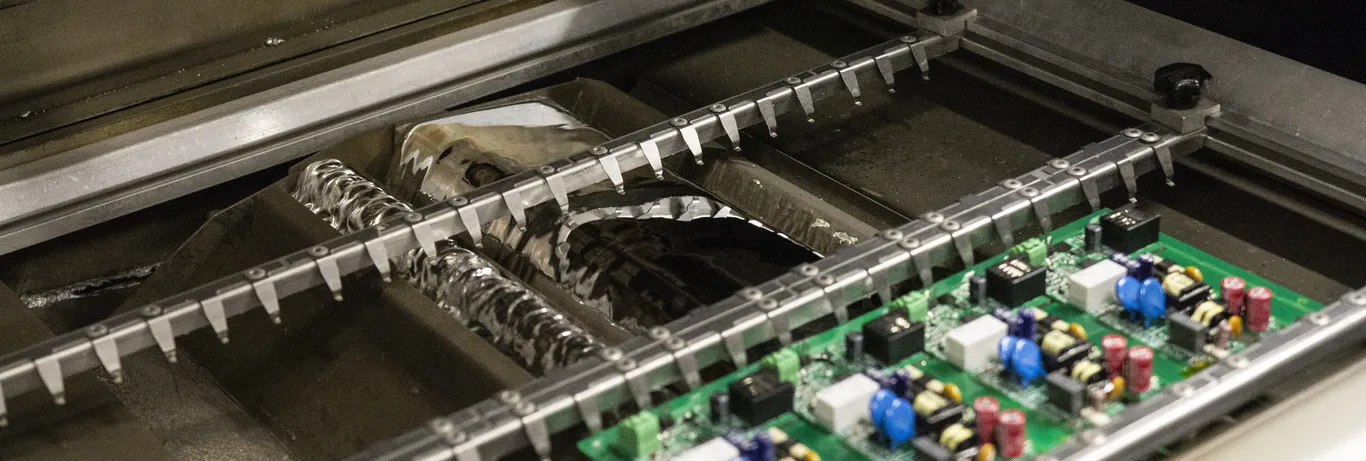
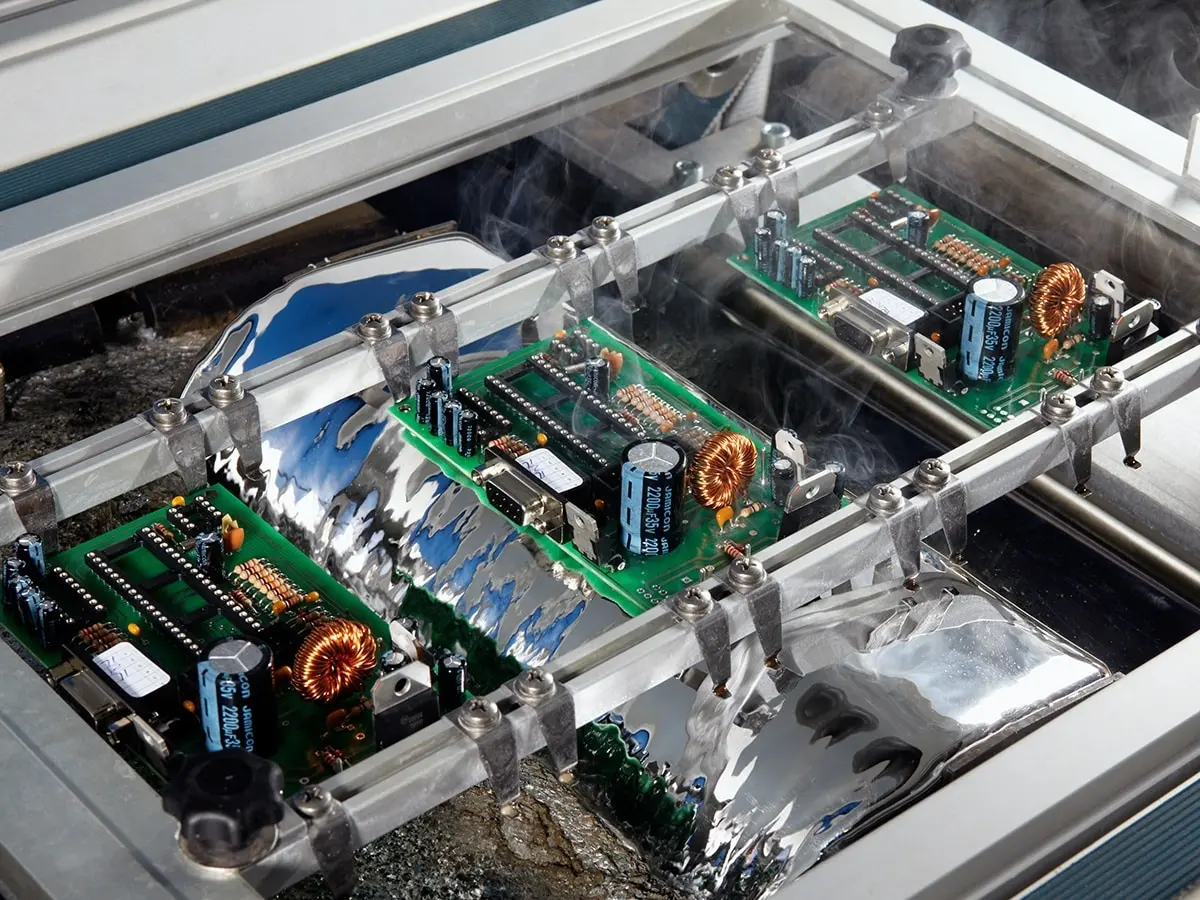
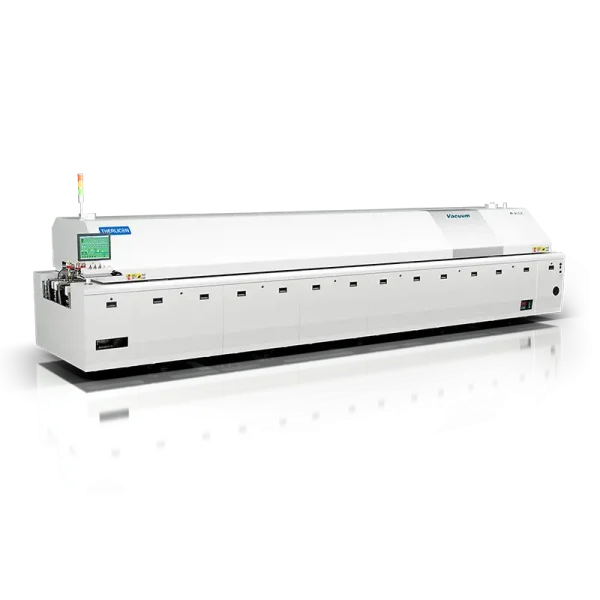
The PCB board with components mounted enters the reflow oven. Through a gradient heating, constant temperature soldering, and cooling process, the solder paste melts and solidifies, achieving a firm connection between the components and the PCB board.
5. Inspection and Rework
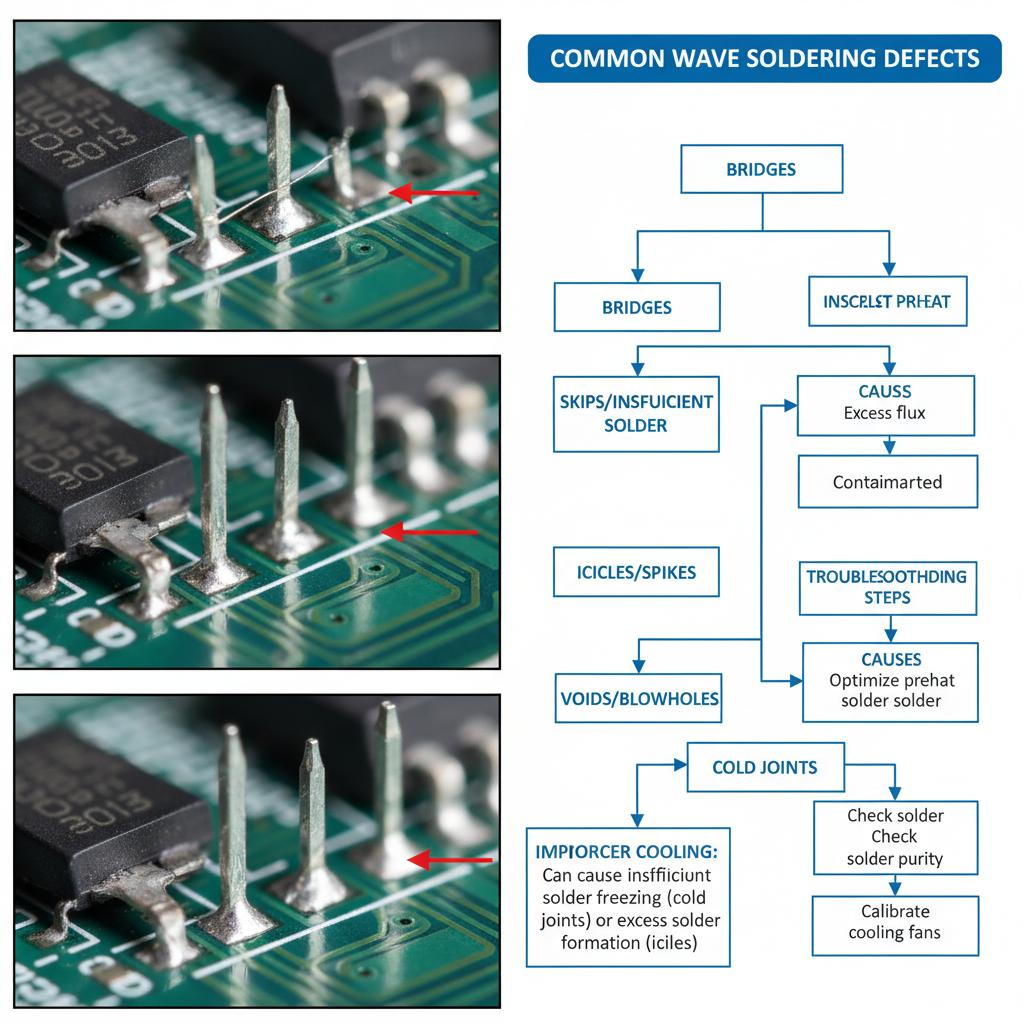
The soldered PCB boards undergo quality inspection to identify and address issues such as cold solder joints and missing solder joints. Defective products are promptly reworked to ensure the final product meets quality standards.
III. SMT Assembly Core Settings
1. Equipment Layout Setup
The printer, pick-and-place machine, reflow oven, and other equipment are rationally arranged according to the production flow. Material transport routes are planned to reduce material transfer time and improve production line efficiency.
2. Equipment Parameter Adjustment
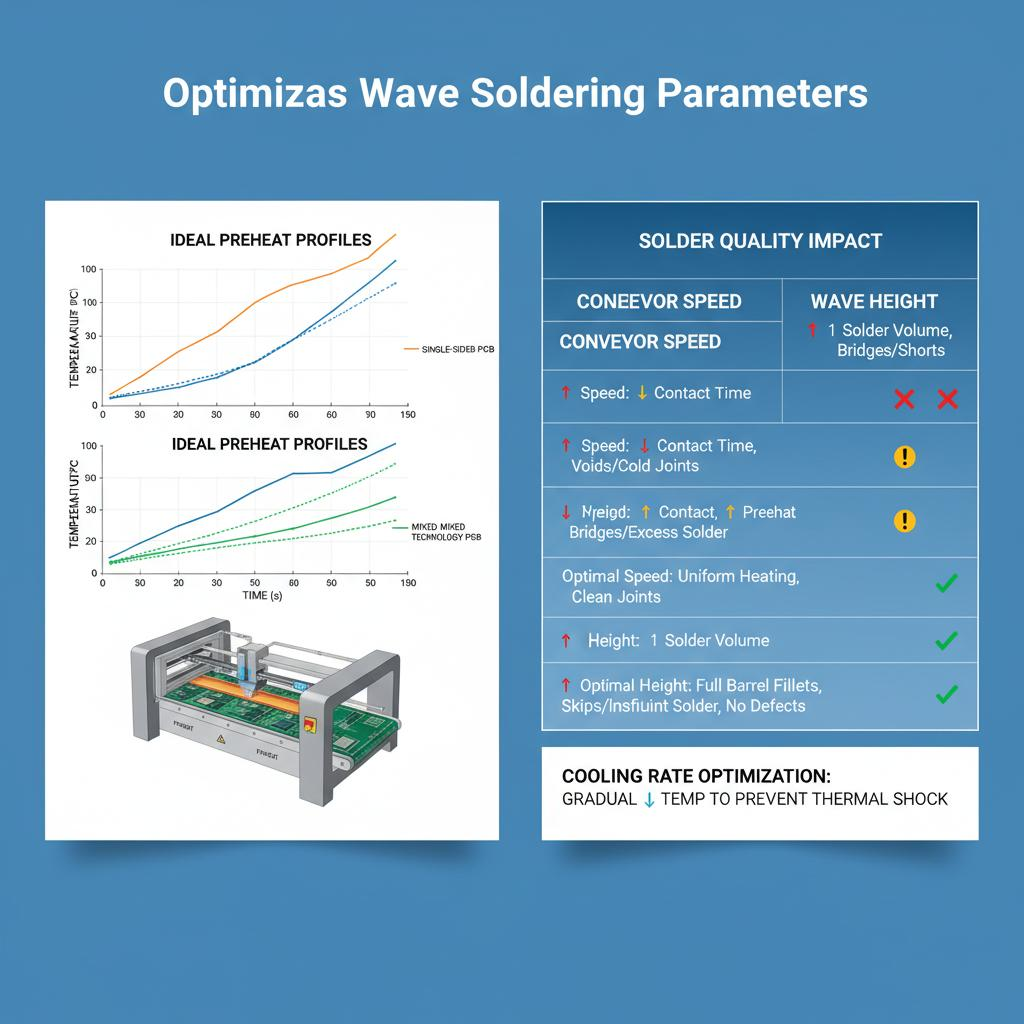
Equipment parameters are adjusted according to PCB board specifications and component types. For example, the pick-and-place machine nozzle type and reflow oven temperature profile are adjusted to ensure precise operation of each process.
3. Material Control Setup
A standardized material storage and distribution mechanism is established. Components, solder paste, and other materials are managed by category, and the expiration dates and distribution accuracy of materials are controlled to prevent material issues from affecting production.
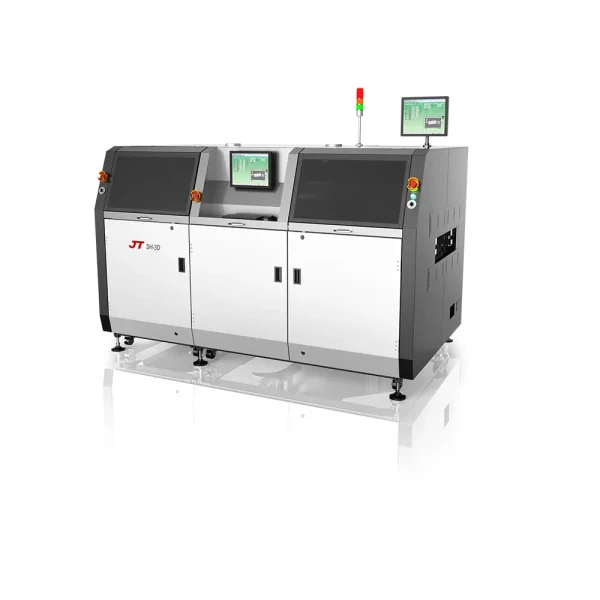
The core of an orderly SMT production line lies in standardized process control and precise assembly setup. Close cooperation among all stages is essential to ensure the quality and efficiency of electronic products. Precise solder paste inspection is one of the key aspects of quality control. JT Solder Paste Inspection, with its precise testing capabilities, can effectively identify various problems in the solder paste printing process, providing a reliable guarantee for the stable and efficient operation of the SMT production line.