
Surface Mount Technology (SMT) soldering stands as one of the core processes in modern electronics manufacturing, fundamentally transforming production paradigms from traditional Through-Hole Technology (THT). Since its widespread adoption in the 1980s, SMT soldering has become an indispensable technical aspect in electronics manufacturing, extensively applied across various fields from smartphones and computers to automotive electronics and medical devices.
1. Fundamental Concepts of SMT Soldering
1.1 What is SMT Soldering?
SMT soldering refers to the technical process of fixing Surface Mount Devices (SMDs) onto Printed Circuit Board (PCB) surfaces through soldering. Unlike Through-Hole Technology, SMT components do not have long leads passing through the board but are directly soldered onto surface pads.
1.2 Key Characteristics of SMT Soldering
-
High-Density Assembly: Compact components allowing installation on both PCB sides
-
High Automation: Suitable for large-scale automated production
-
Excellent High-Frequency Performance: Reduced lead inductance, improved circuit performance
-
Cost-Effective: Lower material costs and reduced assembly time
2. Detailed SMT Soldering Process Flow
2.1 Solder Paste Printing
Solder paste, a paste-like substance composed of fine solder particles, flux, and rheological agents, is precisely deposited on PCB pads through stencil printing. Stencil thickness, aperture size, and shape directly affect print quality.
2.2 Component Placement
High-speed pick-and-place machines use vision systems to identify PCB fiducial marks, accurately pick SMD components, and place them at designated PCB locations. Modern high-speed placers can mount hundreds of thousands of components per hour.
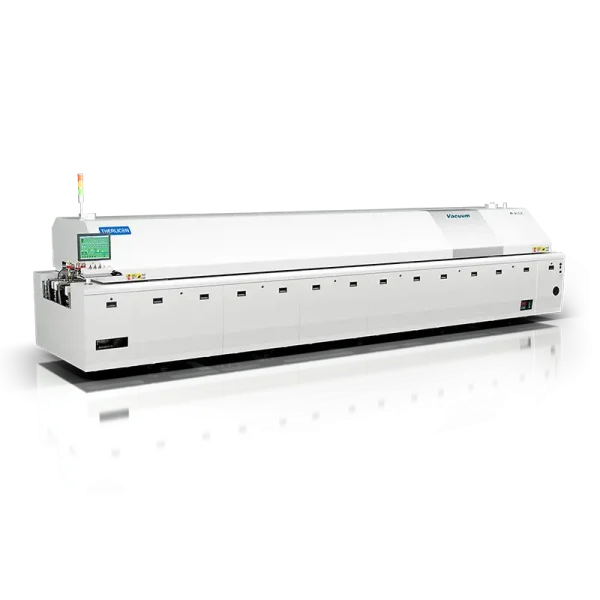
2.3 Reflow Soldering
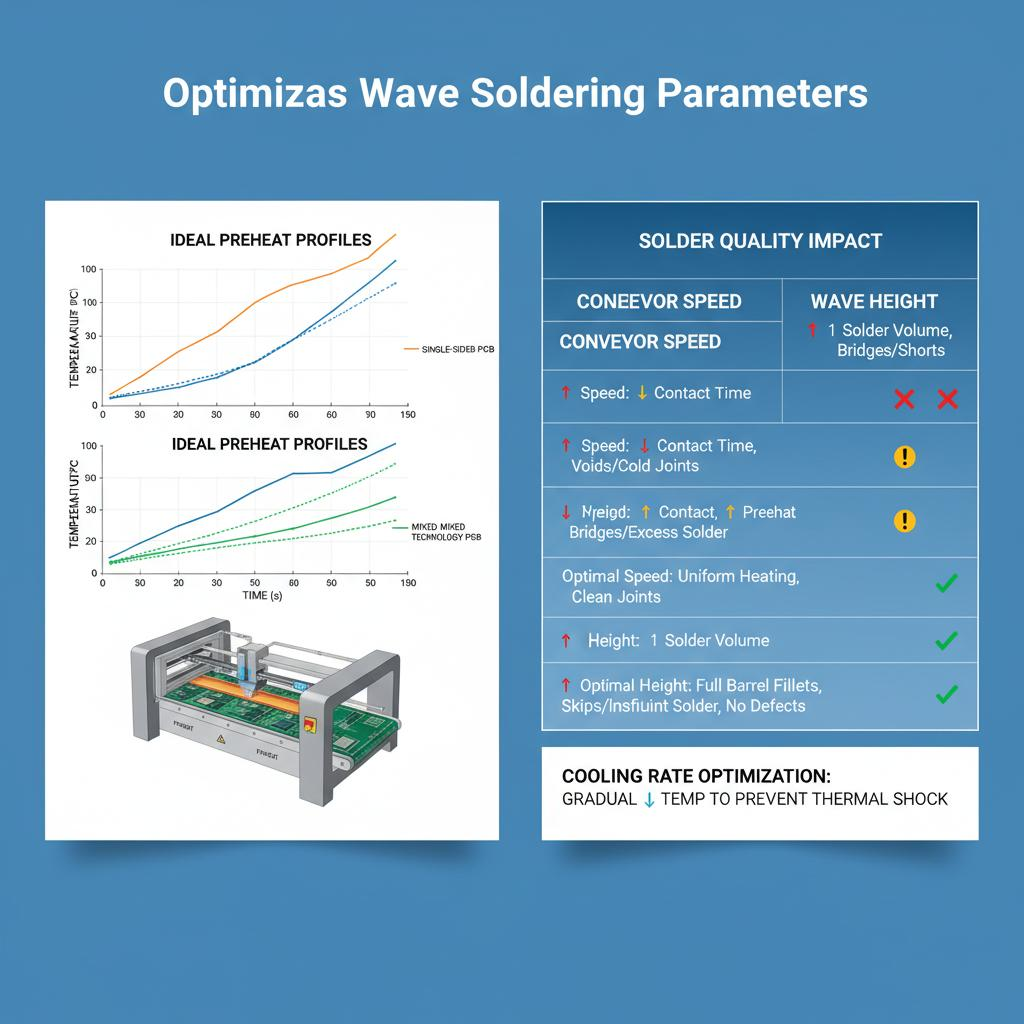
This is the core stage of SMT soldering, consisting of four zones:
-
Preheat Zone: Gradual temperature rise to volatilize solvents in solder paste
-
Soak Zone: Flux activation and oxide removal from pads and component leads
-
Reflow Zone: Peak temperature (typically 215-250°C) where solder melts forming metallurgical bonds
-
Cooling Zone: Controlled cooling to form reliable solder joints
2.4 Inspection and Cleaning
-
Automated Optical Inspection (AOI): Checks solder joint quality and component placement
-
X-Ray Inspection: Examines hidden joints (e.g., under BGAs)
-
Cleaning: Removes soldering residues (particularly critical for high-reliability products)
3. Key Materials in SMT Soldering
3.1 Solder Alloys
-
Tin-Lead Solder: Traditional material (e.g., Sn63/Pb37), melting point 183°C
-
Lead-Free Solder: Mainstream choice due to environmental regulations, e.g., SAC305 (Sn96.5/Ag3.0/Cu0.5), melting point 217-220°C
3.2 Flux
-
Function: Removes surface oxides, promotes solder wetting and flow
-
Types: Rosin (R), Organic Acid (OA), No-Clean
3.3 Solder Paste
Classified by particle size:
-
Type 3: Most common, particle size 25-45μm
-
Type 4: For fine-pitch components, 20-38μm
-
Type 5: For ultra-fine pitch, 10-25μm
4. SMT Soldering Equipment and Technologies
4.1 Main Equipment
-
Solder Paste Printer: Fully automated vision-aligned printer
-
Pick-and-Place Machine: High-speed/multi-function placers
-
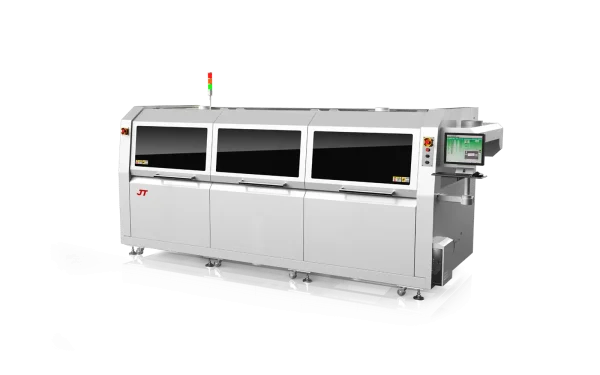
Reflow Oven: Forced convection, vapor phase, infrared
-
Inspection Equipment: AOI, X-Ray, SPI (Solder Paste Inspection)
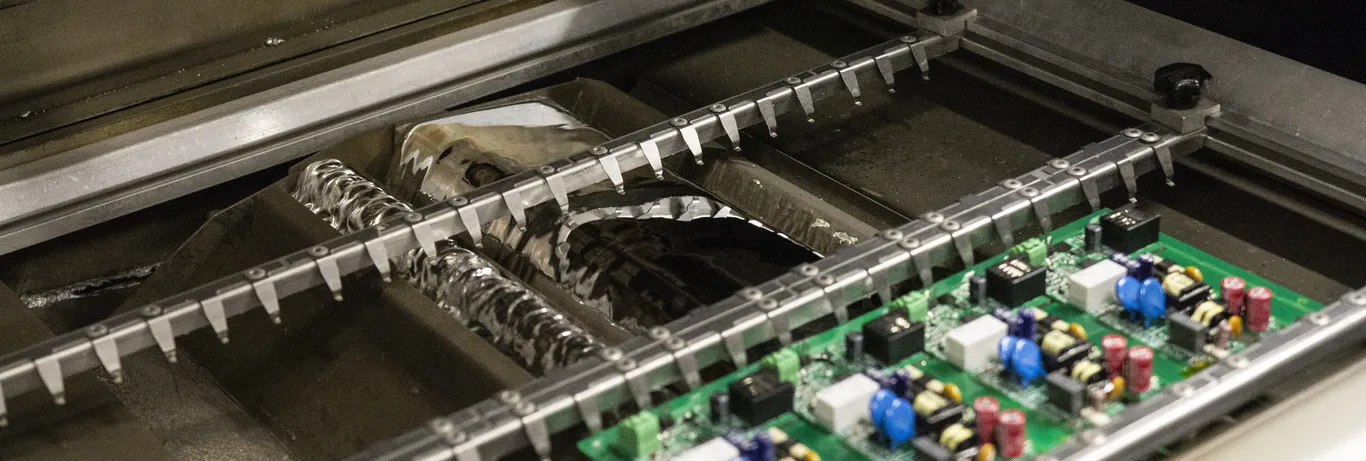
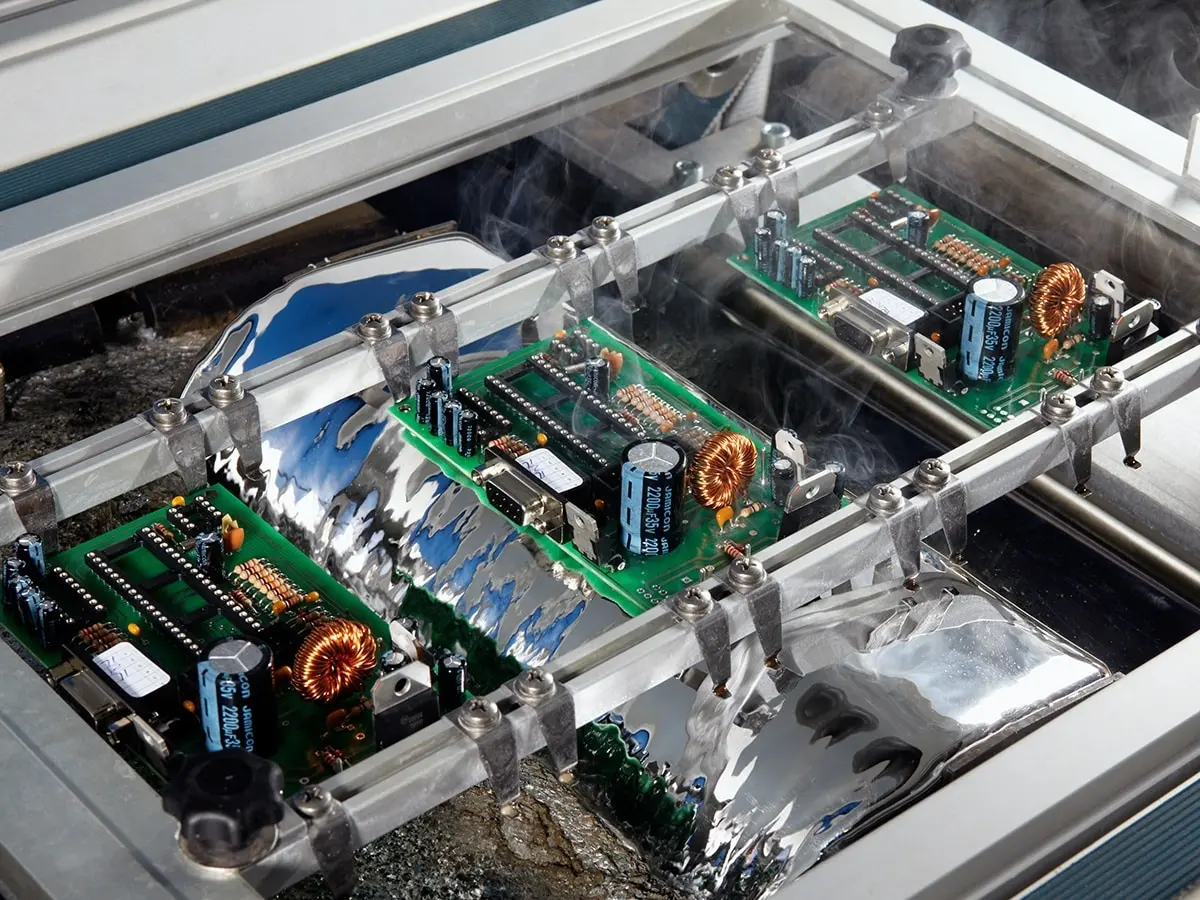
4.2 Advanced Soldering Technologies
-
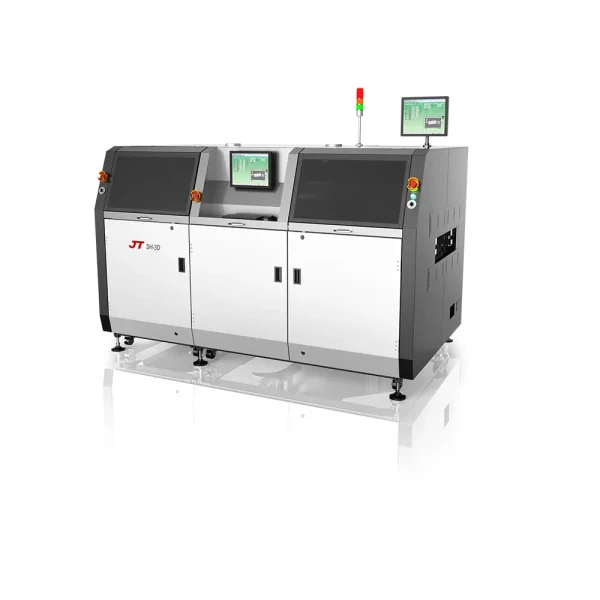
Selective Soldering: Soldering specific board areas
-
Laser Soldering: Localized precise heating with minimal thermal impact
-
Vapor Phase Soldering: Uniform heating suitable for complex assemblies
5. Common SMT Soldering Defects and Solutions
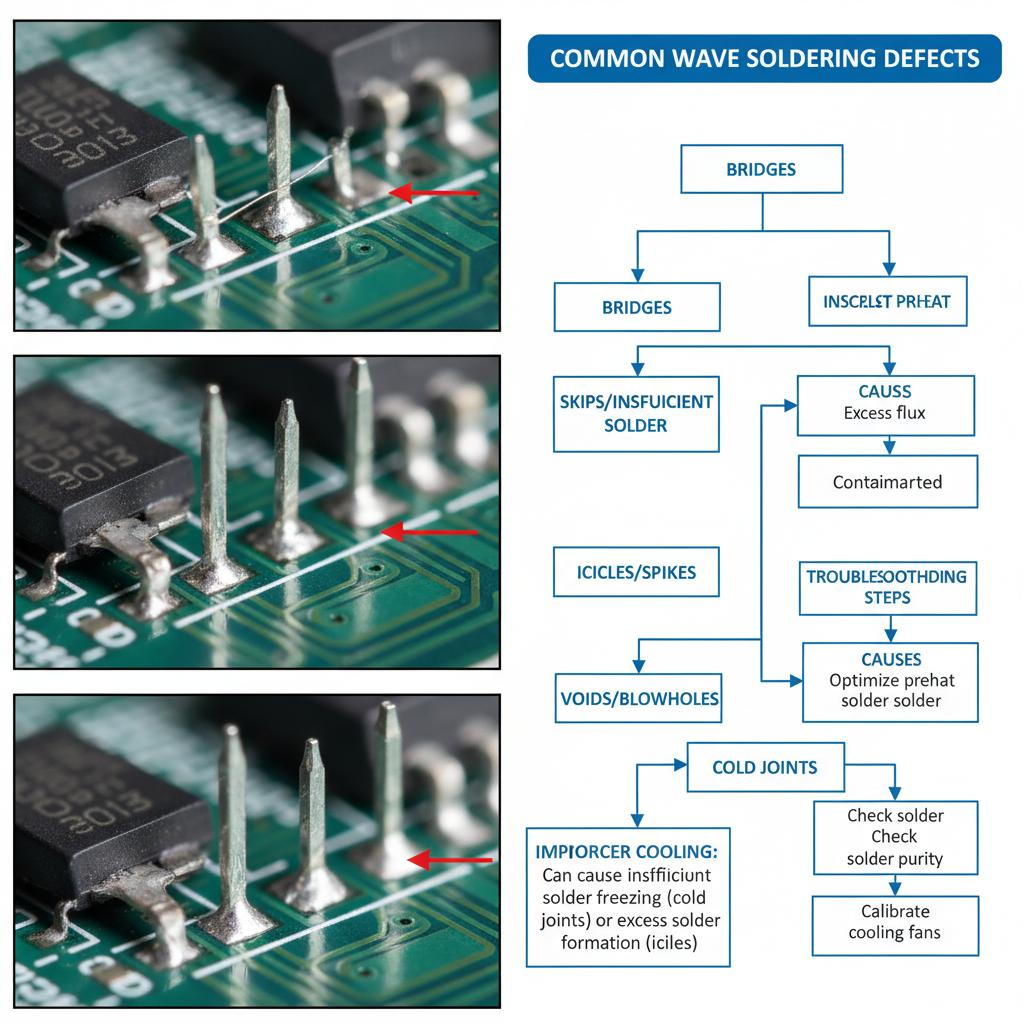
5.1 Bridging (Short Circuits)
-
Causes: Excessive solder paste, component misalignment, poor stencil design
-
Solutions: Optimize stencil design, adjust paste volume, improve placement accuracy
5.2 Tombstoning (Component Lifting)
-
Causes: Uneven thermal mass between pads, uneven paste deposition
-
Solutions: Optimize pad design, improve thermal distribution, adjust reflow profile
5.3 Cold Joints
-
Causes: Insufficient heat, surface contamination, solder oxidation
-
Solutions: Optimize temperature profile, ensure surface cleanliness, control humidity
5.4 Solder Balling
-
Causes: Paste moisture absorption, rapid heating, insufficient flux activity
-
Solutions: Proper paste storage, adjust preheat parameters, select appropriate paste
6. SMT Soldering Quality Assessment Standards
6.1 International Standards
-
IPC-A-610: Acceptability of Electronic Assemblies
-
IPC-J-STD-001: Requirements for Soldered Electrical and Electronic Assemblies
-
ISO 9001: Quality Management Systems
6.2 Solder Joint Quality Criteria
-
Visual Inspection: Smooth, shiny appearance with appropriate contact angle
-
Microstructure: Appropriate intermetallic compound thickness (typically 1-4μm)
-
Mechanical Strength: Tensile and shear strength testing
-
Electrical Performance: Conductivity and insulation testing
7. Development Trends in SMT Soldering
7.1 Miniaturization and High Density
-
Routine use of 01005 (0.4×0.2mm) and smaller components
-
Growing adoption of System-in-Package (SiP) and 3D packaging technologies
7.2 New Material Development
-
Low-temperature solders: Reduce thermal stress, suitable for flex circuits and heat-sensitive components
-
High-reliability solders: For harsh environments like automotive and aerospace
7.3 Intelligent and Digital Transformation
-
Industry 4.0 implementation in SMT lines
-
AI applications in defect detection and process optimization
-
Digital twin technology for process simulation and optimization
7.4 Green Manufacturing
-
Halogen-free material adoption
-
Energy consumption optimization
-
Waste management and recycling initiatives
8. Practical Considerations in SMT Soldering
8.1 Design Phase Considerations
-
Component layout and orientation optimization
-
Thermal management design
-
Test point accessibility
8.2 Process Window Control
-
Understanding and controlling key process parameters
-
Establishing Statistical Process Control (SPC) systems
-
Regular process capability assessments
8.3 Production Environment Control
-
Temperature and humidity control (typically 22±3°C, 40-60% RH)
-
Electrostatic Discharge (ESD) protection measures
-
Cleanliness management protocols
As a foundational technology in electronics manufacturing, SMT soldering continues evolving toward higher precision, efficiency, and environmental sustainability. With rapid advancements in 5G, IoT, artificial intelligence, and new energy vehicles, SMT soldering faces increasing demands. The future will bring more intelligent, flexible SMT solutions integrated with new materials and processes, continuing to drive innovation in electronics manufacturing.
For industry professionals, deep understanding of SMT principles, processes, and control points, combined with continuous learning of new technologies and standards, remains crucial for ensuring soldering quality and product reliability. Mastering this core technology comprehensively is essential for maintaining competitiveness in the rapidly evolving electronics manufacturing landscape.