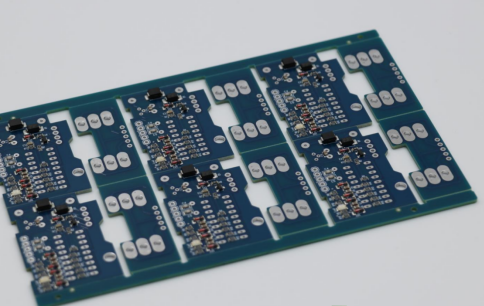
Wave Soldering Principles and Applications
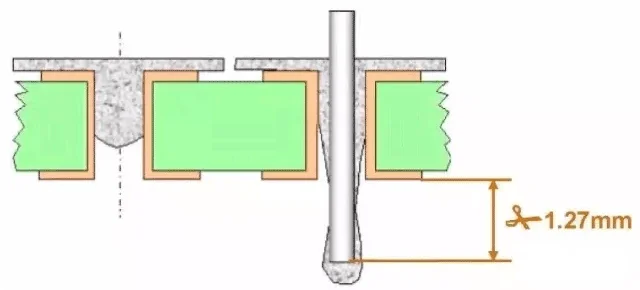
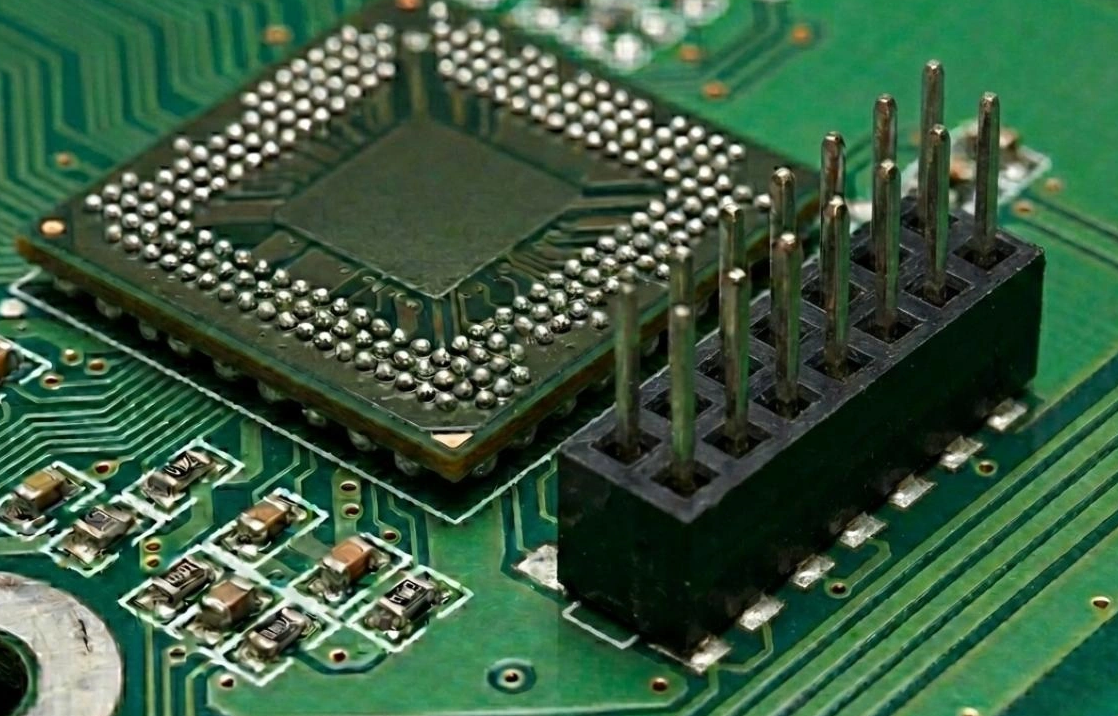
Wave soldering is a batch PCB soldering process primarily used for soldering through-hole (THD) devices. The wave soldering process includes four steps: flux application, pre-coating, wave soldering, and cooling.
1. Flux: The flux is mainly used to remove oxides from the circuit board, thereby reducing surface tension, enhancing thermal conductivity, and making the soldering process smoother.
2. Preheating: The PCB is preheated and the flux is activated through a hot channel.
3. Wave Soldering: As the temperature rises, the solder paste becomes liquid, generating waves that firmly bond the components to the circuit board.
4. Cooling: The wave soldering process follows a temperature profile. During the wave soldering stage, after the temperature reaches its peak, it gradually decreases in the so-called cooling zone.
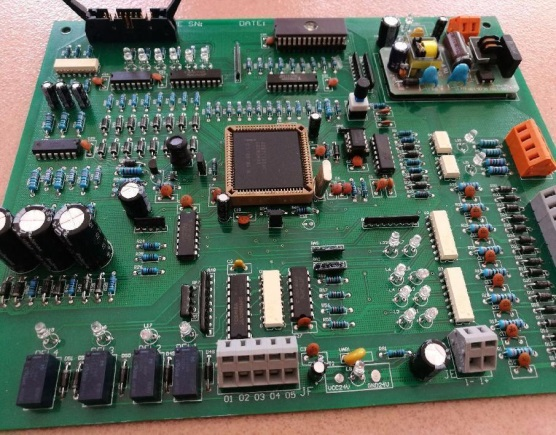
Advantages and Disadvantages of Wave Soldering:
Advantages:
High Soldering Speed: Due to its high soldering speed, wave soldering is suitable for soldering large-scale, high-density electronic components.
Stable Solder Quality: The solder joints are strong and reliable, suitable for applications requiring high solder quality, such as aerospace.
Suitable for high-reliability connections: Ideal for applications requiring high-reliability connections and electrical performance.
Disadvantages: Thermal stress effects: Thermal stress caused by soldering can affect sensitive components.
Challenges of soldering complex PCBs: Wave soldering may not be suitable for complex PCBs because it requires exposing the entire board to the beam of molten solder.
Reflow Soldering Principles and Applications
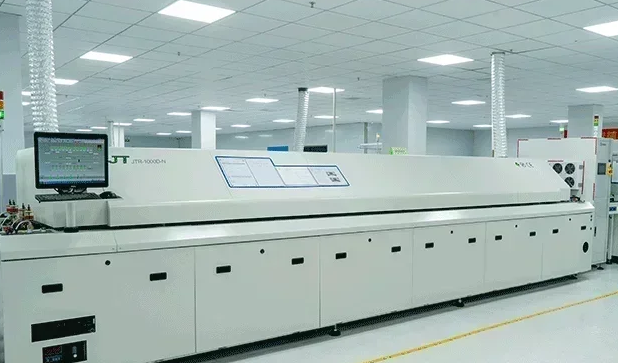
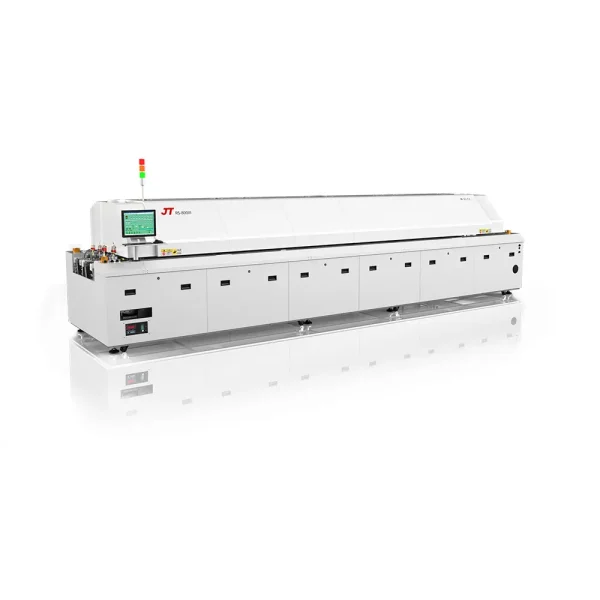
Reflow soldering is a common process for attaching electronic components to printed circuit boards (PCBs). The principle involves assembling the PCB and components with pre-coated solder paste, then using high-temperature hot air or a heated plate to melt the solder paste, forming solder joints and completing the soldering. Reflow soldering enables efficient mass production, is suitable for surface mount technology (SMT) processes, and is widely used in the manufacturing of various electronic products.
The process flow can be divided into two types: single-sided mounting and double-sided mounting.
Single-sided mounting includes pre-coating solder paste, mounting side A, reflow soldering, and power-on testing.
Double-sided mounting: Side A pre-coating solder paste → Surface mount technology (SMT) → Reflow soldering → Side B solder paste application → Reflow soldering → Power-on testing.
In double-sided mounting, different solder pastes are used on the top and bottom sides. The first layer uses solder paste with a higher reflow temperature. After the first layer is assembled and reflowed, the second layer uses solder paste with a lower reflow temperature. This technique or skill prevents the first layer from melting during the second layer soldering.
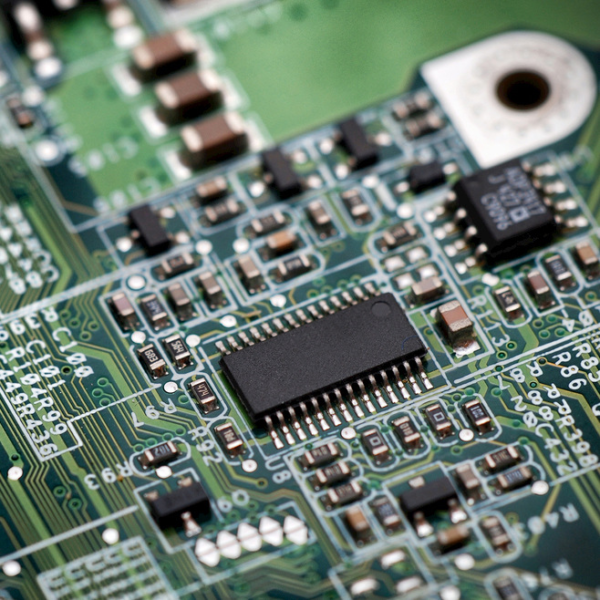
Advantages:
High soldering speed: Reflow soldering offers high production efficiency, making it suitable for mass production.
Stable soldering quality: Consistent soldering quality can be achieved through precise control of temperature profiles and soldering processes.
High adaptability: Applicable to various types of electronic assemblies, including small electronic devices, SMT assemblies, and precision component soldering.
High-density component soldering: This process can solder high-density components, thereby improving product reliability and performance.
Disadvantages:
High equipment cost: Requires specialized equipment and process control, resulting in high costs.
High temperature control requirements: Requires precise control of parameters such as temperature profiles and soldering atmosphere.
Heat sensitivity: Some components may be heat-sensitive, posing a risk of heat damage.
Comparison of Reflow Soldering and Wave Soldering
Applicability: Wave soldering is suitable for soldering large-area, high-density electronic components, such as power boards and motherboards. It is typically used in applications with extremely high requirements for connection reliability and electrical performance.
Reflow soldering is suitable for various types of electronic assembly, including small electronic devices, SMT assembly, and precision component soldering. Because the solder paste application method can accommodate various PCB designs and component layouts, reflow soldering enables more flexible production.
Soldering Temperature: Wave soldering typically requires higher soldering temperatures because it exposes the entire PCB board to a beam of molten solder. This can cause thermal stress to some sensitive electronic components.
Reflow soldering temperatures are typically lower because only the solder paste and solder joints need to be heated to their melting point. This helps reduce thermal damage to components.
Control and Precision: Wave soldering is generally easier to control because soldering parameters such as solder temperature and wave speed can be adjusted more precisely.
Reflow Soldering: Reflow soldering is more complex to control because it requires consideration of heating and cooling rates, as well as the thermal sensitivity of different components. This requires more sophisticated equipment and control systems.
In summary, reflow soldering and wave soldering are two commonly used soldering techniques in industrial electronics manufacturing, each with its unique advantages and application areas. In practical applications, selecting the appropriate soldering method based on specific requirements and component characteristics can improve production efficiency and soldering quality.