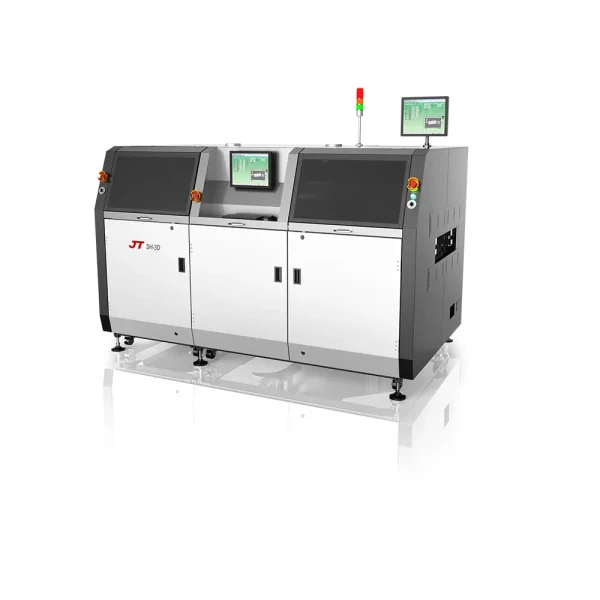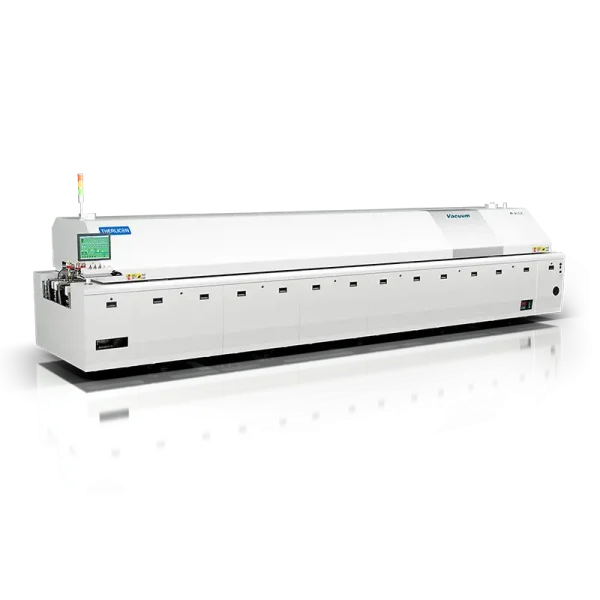

In the SMT manufacturing industry, the reflow process is crucial. Solder paste failure to return to normal temperature is a common problem, causing significant production challenges and impacting product quality. Today, we’ll delve into the common causes and practical solutions for insufficient solder paste melting.
After SMT processing, if all or most solder joints exhibit insufficient solder paste melting, it’s likely due to a low reflow temperature or a short reflow time, preventing the solder paste from fully melting within the desired thermal environment.
The solution is to precisely adjust the temperature profile. Generally, setting the peak temperature 30°C to 40°C above the solder melting temperature and ensuring a reflow time of 30 to 60 seconds provides sufficient heat for the solder paste to fully melt and ensure solder joint quality.
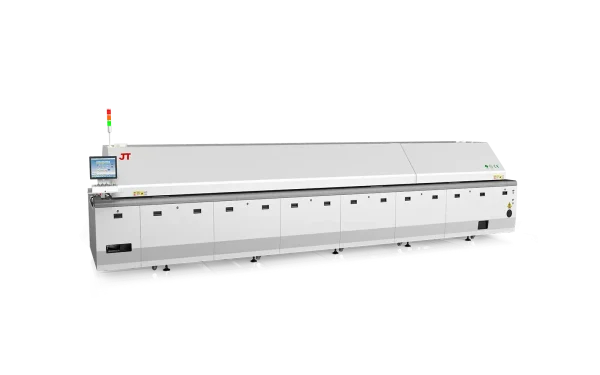
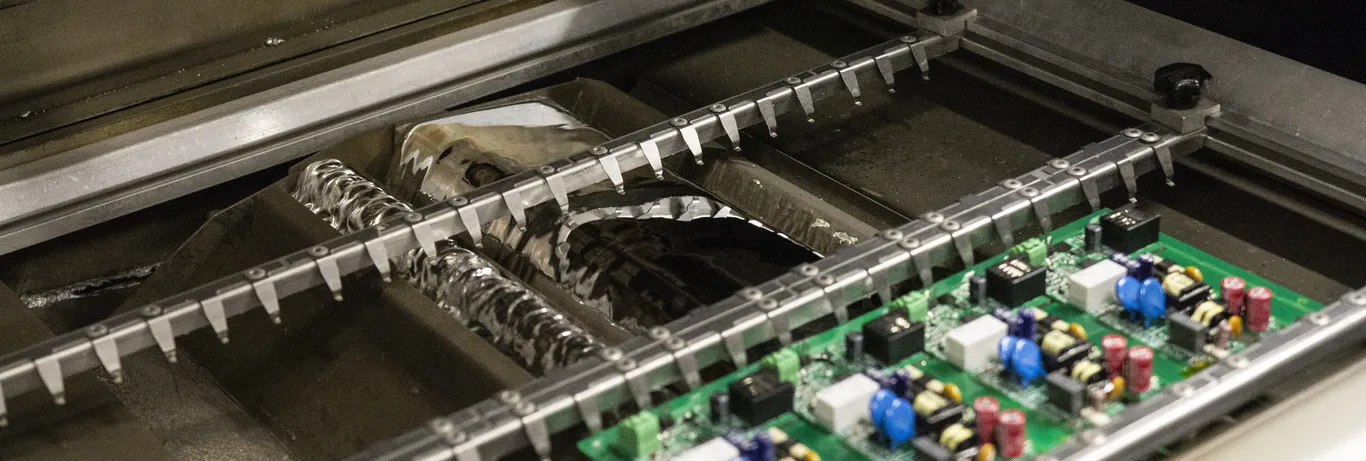
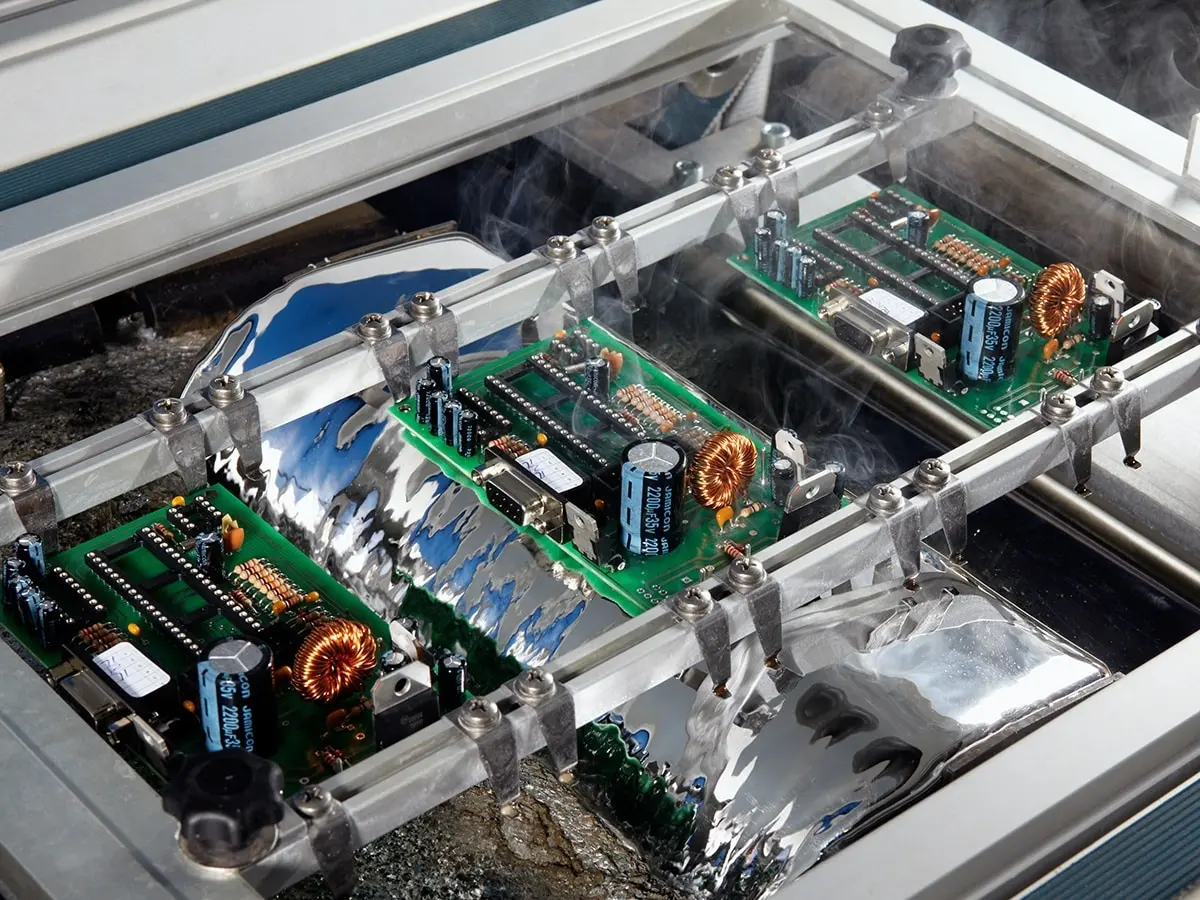
When soldering large PCBAs, if the solder on both sides is not fully melted, it’s likely due to uneven temperature distribution within the reflow oven. This is more common in reflow ovens with narrow chambers and poor thermal insulation.
To address this issue, we can moderately increase the peak temperature or extend the reflow time to provide more adequate conditions for solder paste melting. Furthermore, during the SMT process, it’s best to place the PCBA in the center of the soldering furnace for reflow soldering to minimize the impact of uneven temperatures on soldering, ensuring uniform solder melting and improving solder quality.
During batch SMT processing, if insufficient solder paste melting consistently occurs in specific areas, such as around large solder joints, around large components, or around components with high thermal mass on the backside, this is likely due to excessive heat absorption in these areas, hindering heat conduction and thus affecting proper solder melting.
To address this, during the product design phase, we should try to place large components on the same side, or adopt a staggered arrangement, to optimize the heat transfer path. Furthermore, we can appropriately increase the peak temperature or extend the reflow time to ensure sufficient solder paste melting in these specific areas, thereby ensuring solder quality throughout the entire PCBA.
Solder paste quality is also a critical factor. If the metal powder used in SMT processing contains a high oxygen content, its performance will inevitably be affected. Furthermore, using solder paste directly from the refrigerator without allowing it to warm to room temperature can cause condensation and incorporation, as the paste is below room temperature. Furthermore, using recycled or expired solder paste can also lead to frequent problems with insufficient solder melting.
Therefore, SMT fabricators must strictly control solder paste quality and resolutely eliminate the use of inferior solder paste. Furthermore, they should establish a comprehensive solder paste management system, standardizing the storage, handling, and application processes to ensure that each batch of solder paste is in optimal condition for production. This ensures reflow soldering quality from the source, improves overall product quality and production efficiency, and lays a solid foundation for the company’s stable development.