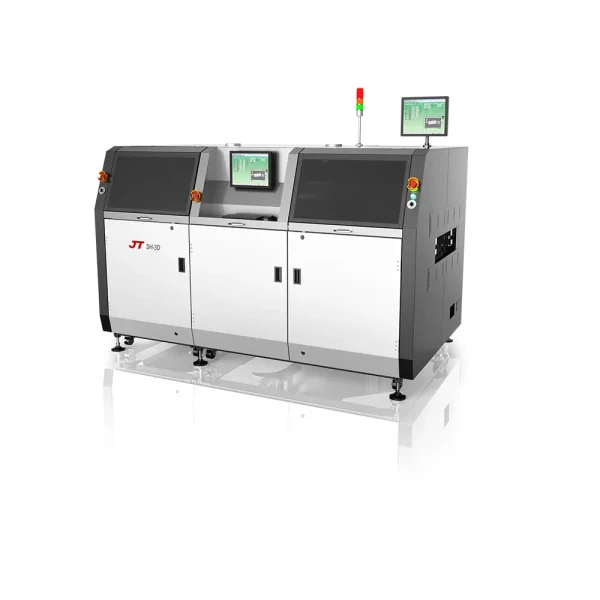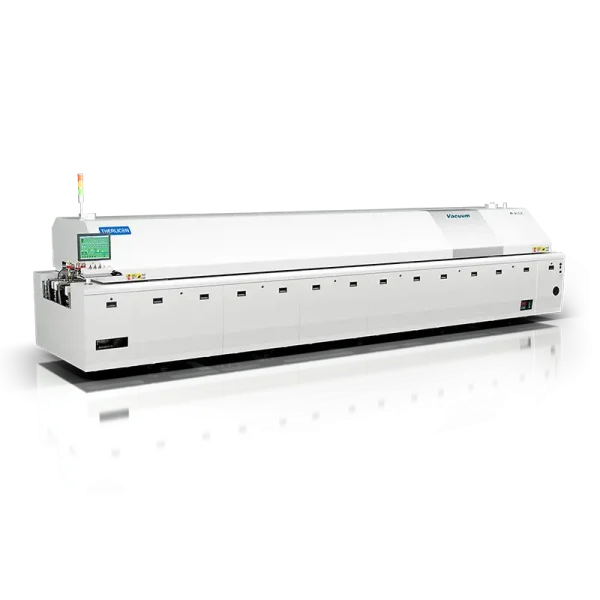

In the electronics manufacturing industry, PCB assembly quality directly affects the performance and lifespan of end products. Solder paste, as the core connecting medium between components and the PCB substrate, has its quality and coating condition as key factors influencing soldering results. Solder paste inspection, through full-process, high-precision quality control, avoids soldering defects at the source, becoming a core means of improving PCB assembly quality. Its specific functions are as follows:
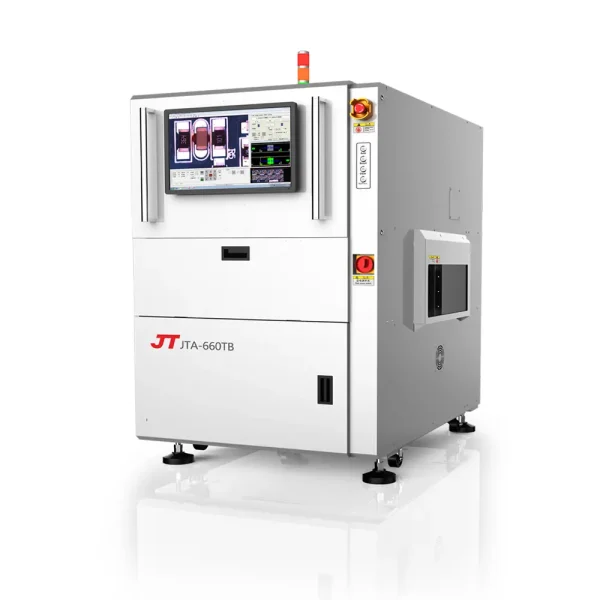
1. Controlling Coating Precision and Reducing Soldering Defects
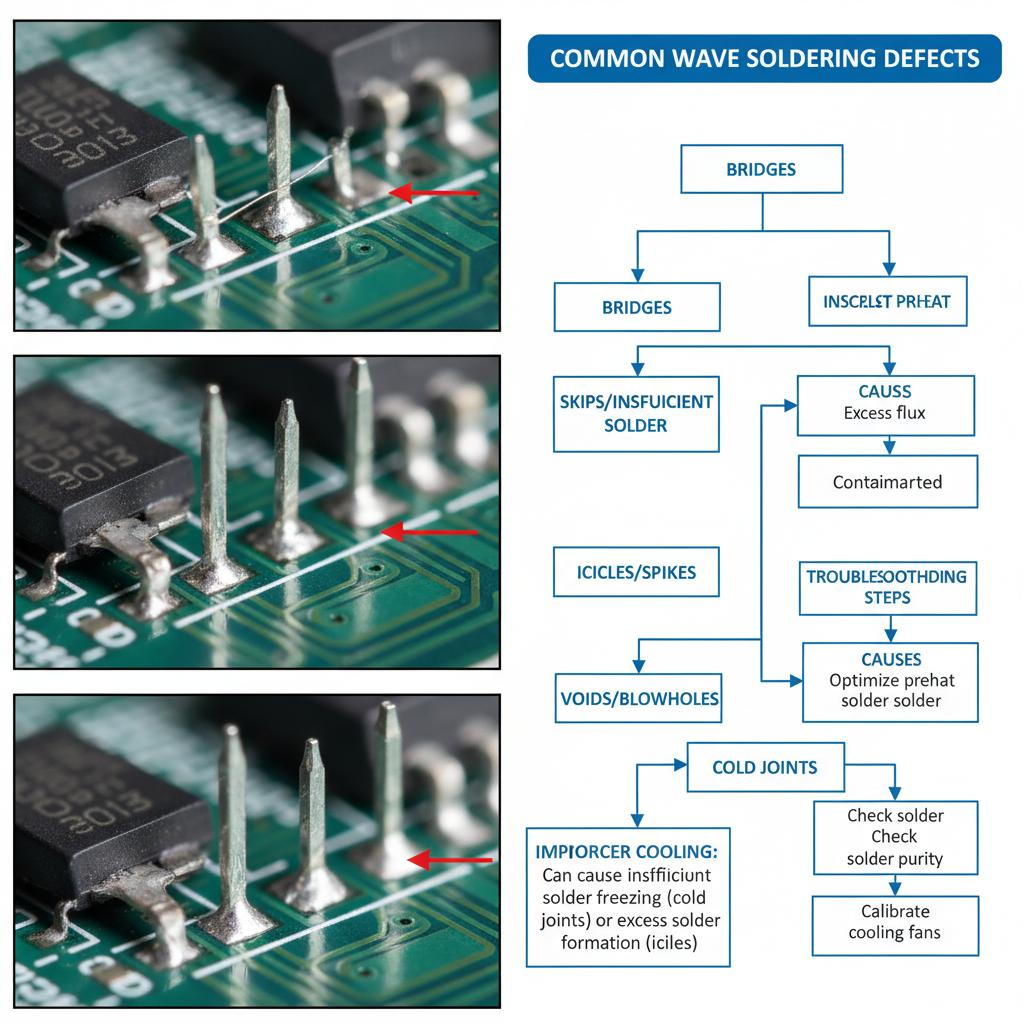
Whether the thickness, area, and offset of the solder paste coating meet the standards directly determines the quality of the solder joint formation. Traditional manual inspection struggles to detect micron-level deviations, while professional solder paste inspection technology can accurately identify problems such as insufficient solder, excessive solder, incomplete printing, and bridging. Through real-time feedback data, parameters such as stencil aperture and printing pressure can be adjusted promptly, raising the coating pass rate to a high standard and reducing common defects such as incomplete soldering and short circuits at the source, thus strengthening the first line of defense for assembly quality.
2. Identifying Potential Risks and Reducing Rework Costs
The viscosity and thixotropy of solder paste change with storage environment and usage time. Directly applying it to production can easily lead to problems such as solder paste collapse and poor wetting. Solder paste inspection verifies solder paste quality through pre-competition sampling, preventing substandard materials from entering the production line. Periodic inspections during production allow for real-time monitoring of solder paste status changes, providing early warnings of batch defect risks, significantly reducing subsequent rework and repair costs, and improving production efficiency.
3. Optimizing Process Parameters for Closed-Loop Management
Solder paste inspection is not an isolated checkpoint, but rather a crucial data support for process optimization. Analyzing inspection data reveals optimization potential for key process factors such as stencil tension and printing speed. For example, to address solder paste misalignment, stencil parameters can be adjusted through data traceability, forming a closed-loop management system of “inspection-analysis-optimization-re-inspection,” continuously improving process stability and driving assembly quality upgrades.
4. Adapting to High-Density Requirements and Ensuring Product Reliability
With the miniaturization and high-density development of electronic devices, precision components such as 01005 packages and BGAs are widely used, demanding higher precision in solder paste coating. Advanced solder paste inspection technology can accurately capture the solder paste status in minute areas, ensuring the reliability of precision component soldering. Simultaneously, the inspection data is fully traceable, facilitating subsequent quality checks and ensuring the long-term stable operation of end products.
Summary
Solder paste inspection comprehensively improves the stability and reliability of PCB assembly by precisely controlling coating quality, identifying potential risks, optimizing process parameters, and adapting to high-density assembly requirements. For electronics manufacturing companies seeking efficient quality control, JT solder paste inspection is an excellent choice. Leveraging its high-precision inspection technology and intelligent data analysis capabilities, it achieves end-to-end quality monitoring of solder paste, providing professional support for PCB assembly processes, helping companies create high-quality products, and enhancing their core market competitiveness.