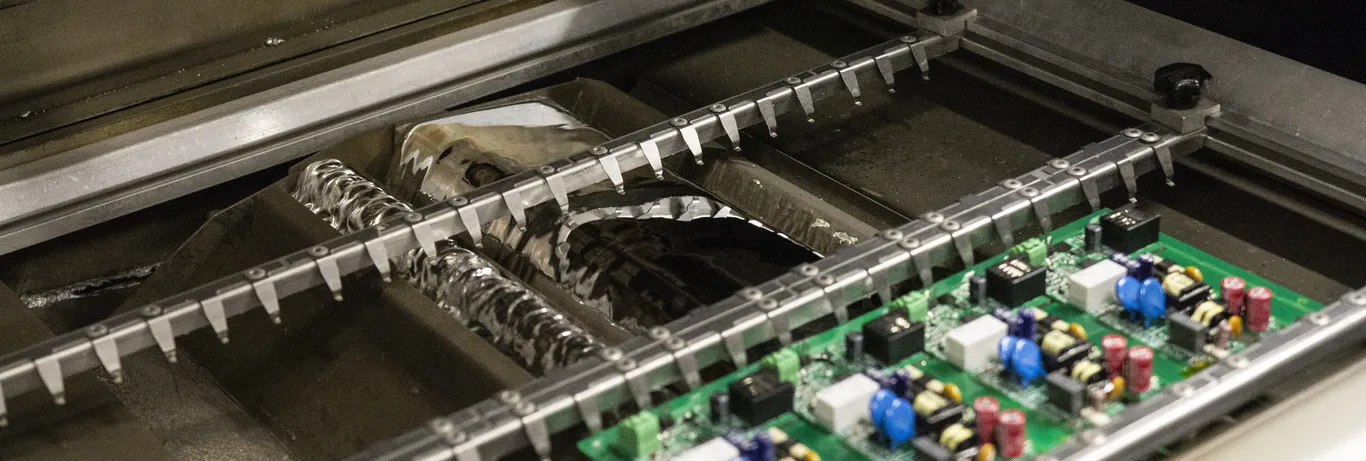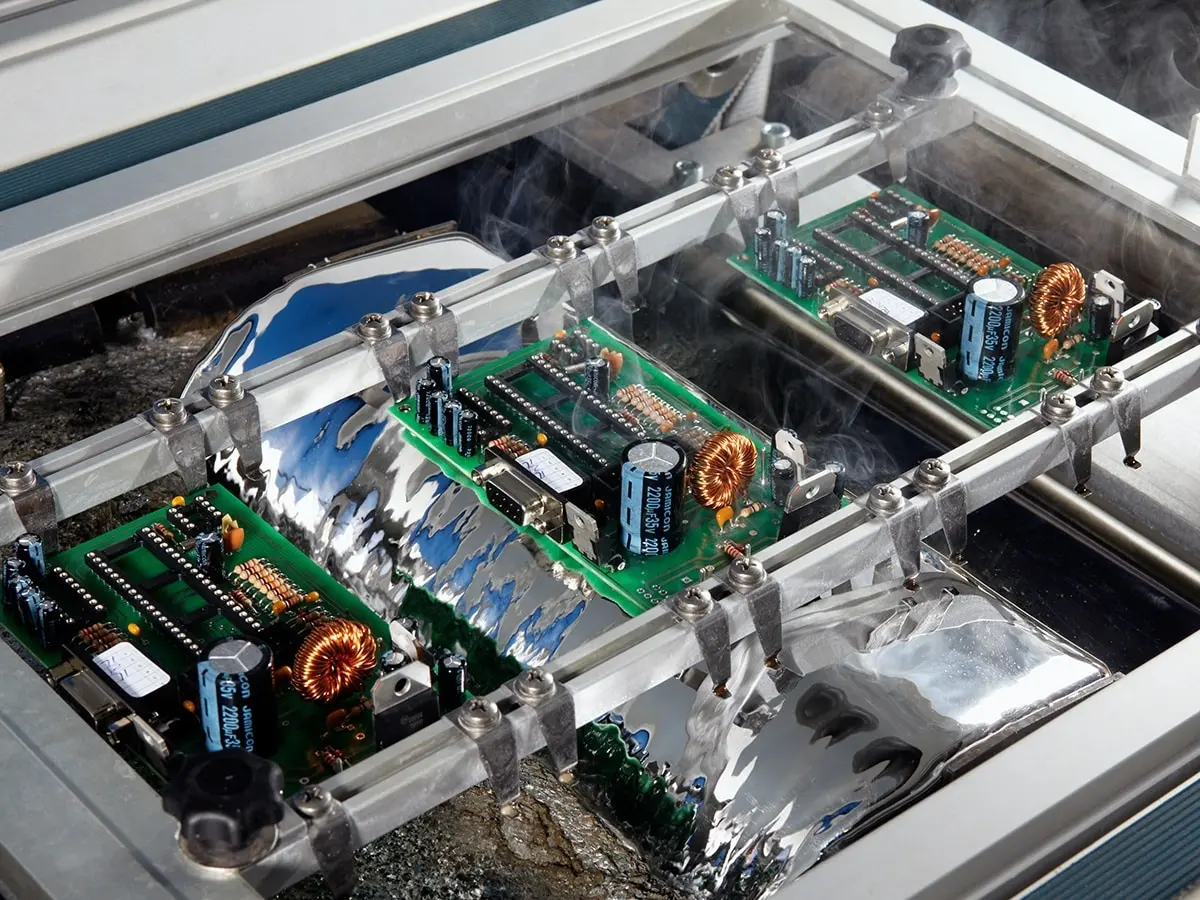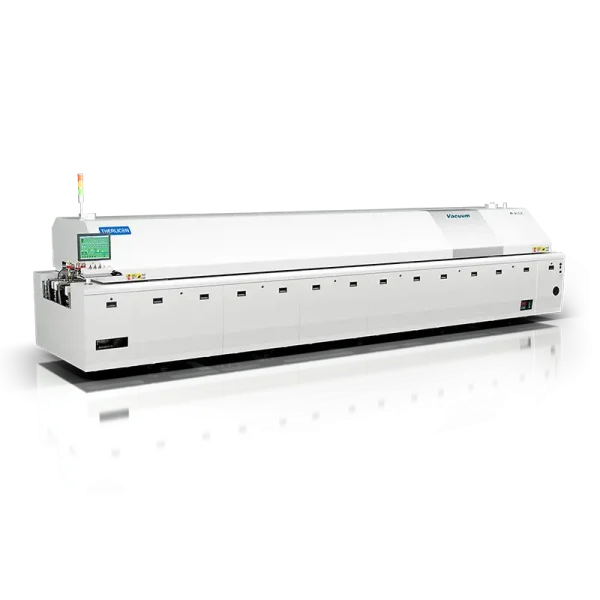

In surface mount technology (SMT) for electronic manufacturing, reflow soldering is a core process ensuring a stable connection between components and circuit boards. Lead-based and lead-free reflow soldering, with their differentiated characteristics, adapt to different production needs, driving the industry forward in cost control and environmental upgrades.
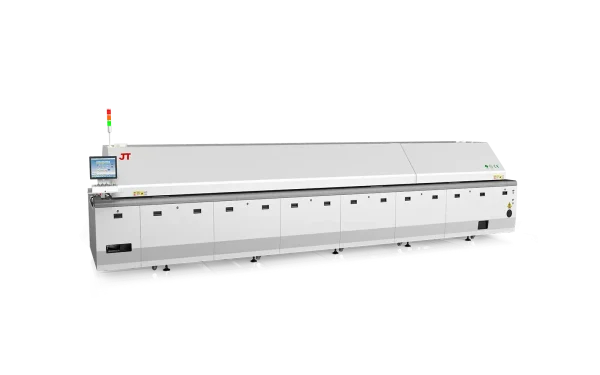
Lead-based Reflow Soldering: A Mature and Stable Cost-Effective Option
Lead-based reflow soldering uses tin-lead alloy solder paste as its core material. With a melting point of only 183℃, the peak soldering temperature can be controlled between 220℃ and 230℃ to complete the soldering process. The temperature profile is gentle, requiring less heat resistance from equipment and components; ordinary equipment can meet production needs.
Its significant advantages lie in its controllable cost, affordable solder, low processing energy consumption, high soldering efficiency, bright and flexible solder joints, excellent vibration resistance, and the ability to remove old solder at low temperatures during maintenance, making it suitable for scenarios requiring frequent maintenance. Currently, lead-free reflow soldering still holds an important position in low-end consumer electronics, traditional industrial control equipment, and some older military systems, especially suitable for cost-sensitive production needs with less stringent environmental compliance requirements.
Lead-Free Reflow Soldering: The Mainstream Direction Driven by Environmental Protection
Driven by environmental regulations such as the EU RoHS, lead-free reflow soldering is gradually becoming the industry mainstream. It uses environmentally friendly solder pastes such as tin-silver-copper, eliminating lead pollution at the source and meeting the compliance standards of high-end electronics and export products.
Lead-free solder paste has a melting point above 217℃, requiring a peak soldering temperature of 245℃-260℃. Although high temperatures can increase the risk of PCB deformation and the solder wettability is poor, necessitating the use of highly active flux, equipment upgrades and process optimizations can effectively ensure soldering quality. Its superior temperature resistance makes it suitable for soldering high-precision components in smartphones, new energy equipment, etc., helping the electronics manufacturing industry achieve green transformation while enhancing product market competitiveness.
Process Adaptability and Core Equipment Value
The two processes are not absolutely interchangeable; companies need to choose flexibly based on product positioning, environmental requirements, and cost budgets. Whether it’s the low-temperature, high-efficiency requirements of leaded soldering or the high-temperature, precise control standards of lead-free soldering, the core reliance lies in the temperature control accuracy and process adaptability of reflow soldering equipment.
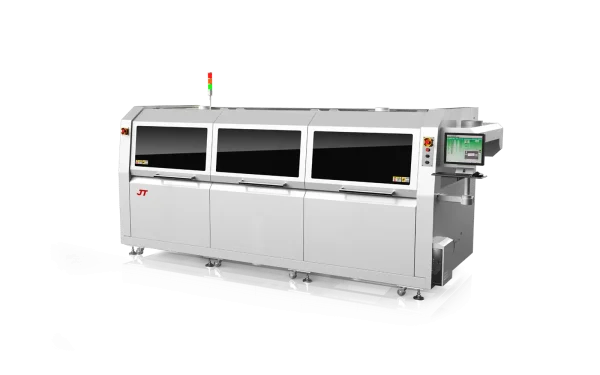
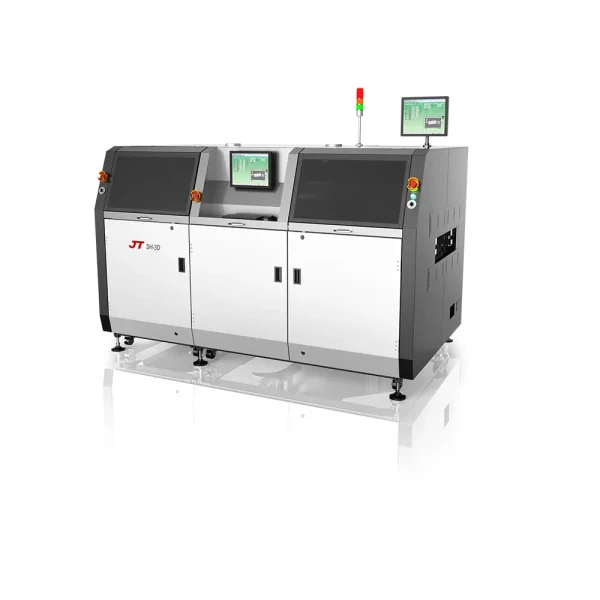
JT Reflow Soldering has deep expertise in soldering equipment R&D, possessing a precise temperature zone control system and comprehensive flux management functions. It can flexibly match the temperature profiles of different solders, balancing stable mass production of leaded processes with environmental compliance of lead-free processes. This effectively reduces component damage from high-temperature soldering, ensures solder joint reliability, and provides enterprises with comprehensive, high-quality soldering solutions, helping the electronics manufacturing industry achieve steady development while balancing efficiency and environmental protection.