
Wave soldering is essential in electronics manufacturing, ensuring efficient and reliable connections. With the industry’s growth projected to reach $336.2 million by 2030, finding the right partner is crucial. Solutions that improve precision and efficiency are highly beneficial. PCB area selective sprayers offer such innovations, allowing you to customize the spray area to meet specific needs. This approach not only optimizes production but also adheres to environmentally friendly practices, meeting modern demands for sustainability and accuracy.

Understanding Wave Soldering Challenges
Common Wave Soldering Problems
Solder Bridging
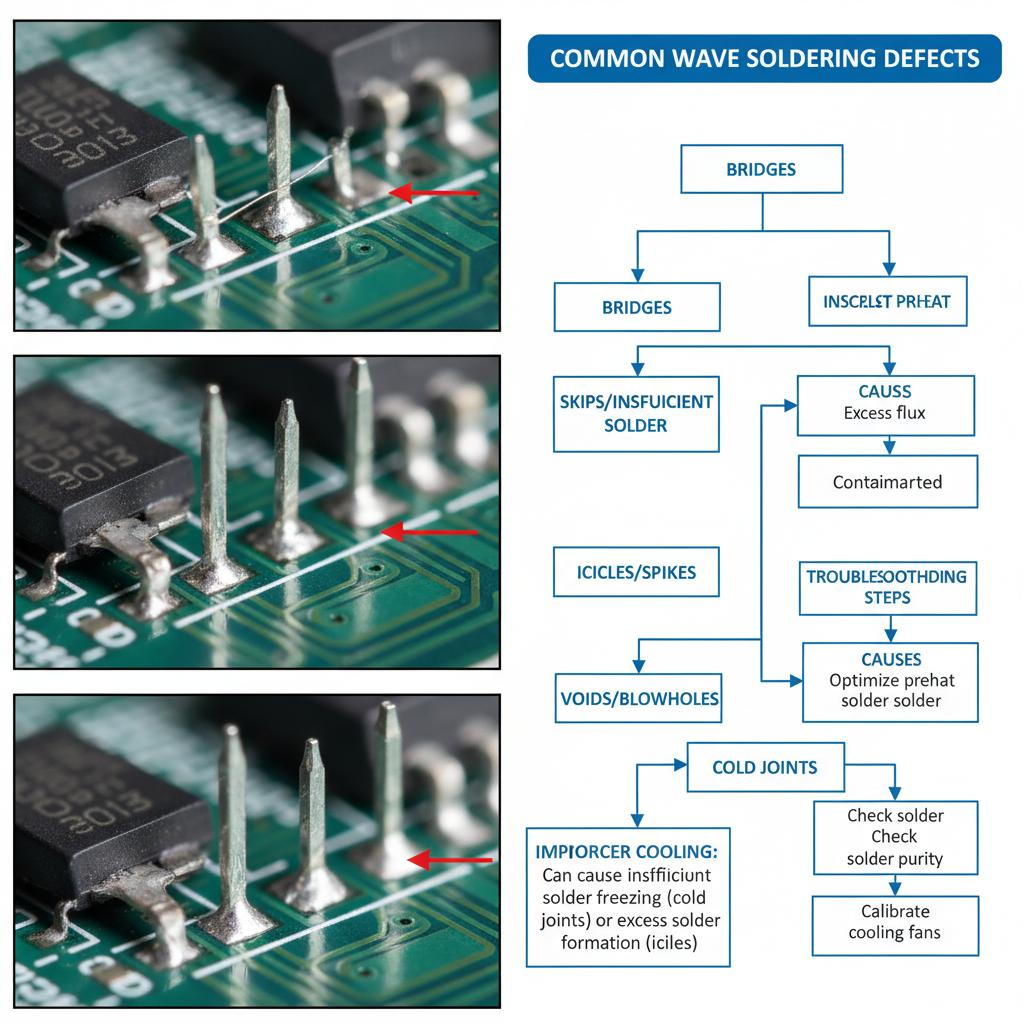
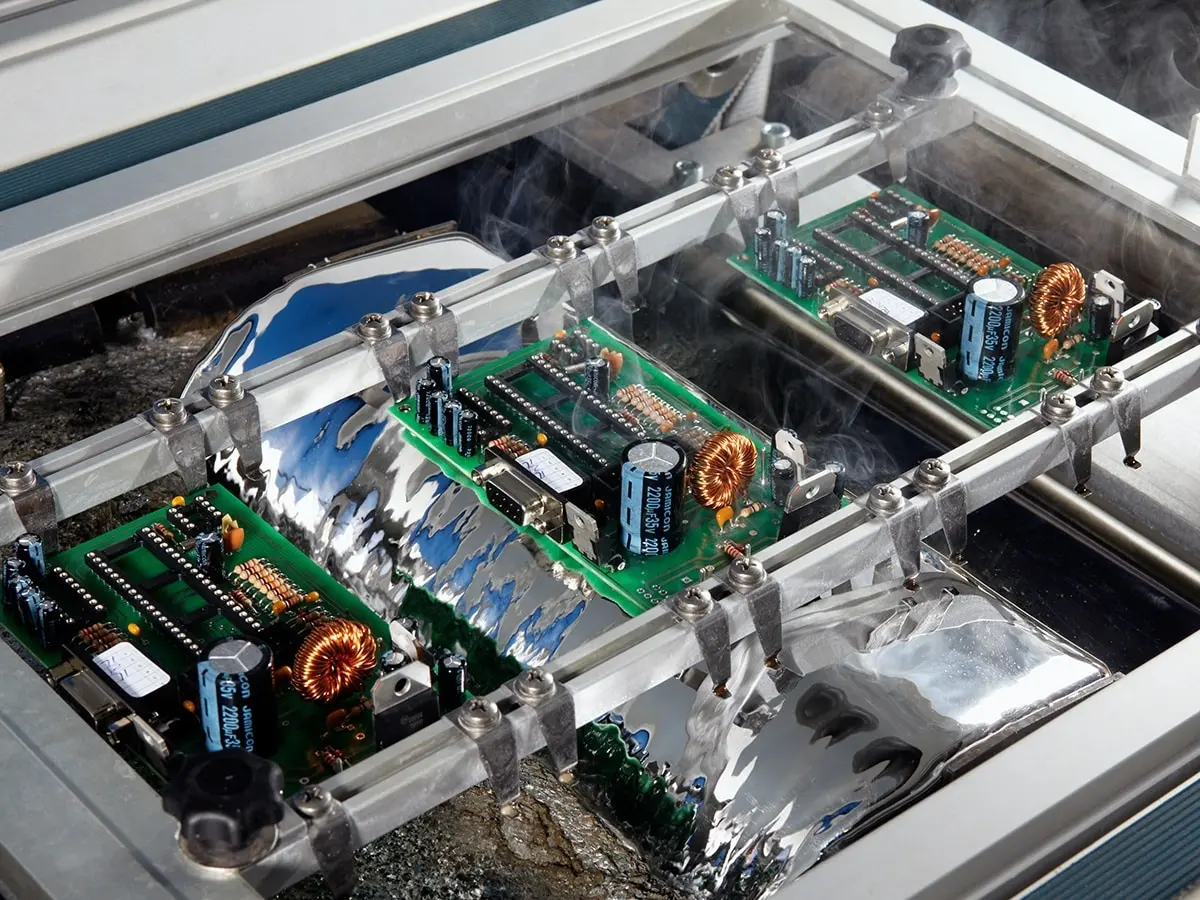
Solder bridging is a common problem in wave soldering. This defect occurs when excess solder forms an unintended connection between components. It can cause a short circuit, impacting the functionality of electronic devices. To prevent this, focus on precisely controlling the height and speed of the solder wave.
Component Misalignment
Component misalignment is another challenge. It occurs when components move during the soldering process, resulting in poor connections. Ensuring proper alignment requires careful setup and monitoring of the conveyor system. You can reduce this problem by using fixtures that hold components in place.
Environmental Issues
Waste Management
Wave soldering generates waste, including excess solder and flux residue. Proper waste management is essential to maintaining a clean production environment. Implement a recycling program and use environmentally friendly materials to minimize environmental impact.
Energy Consumption
Energy consumption is a significant issue in wave soldering. The process requires significant electricity, impacting both costs and the environmental footprint. By optimizing machine settings and using energy-efficient equipment, you can reduce energy use and improve sustainability.
Choosing the Right Equipment
Choosing the right wave soldering equipment can significantly impact your production efficiency and product quality. You need to consider various factors, including the equipment’s functionality and integration capabilities.

PCB Area Selective Sprayer
Features and Benefits
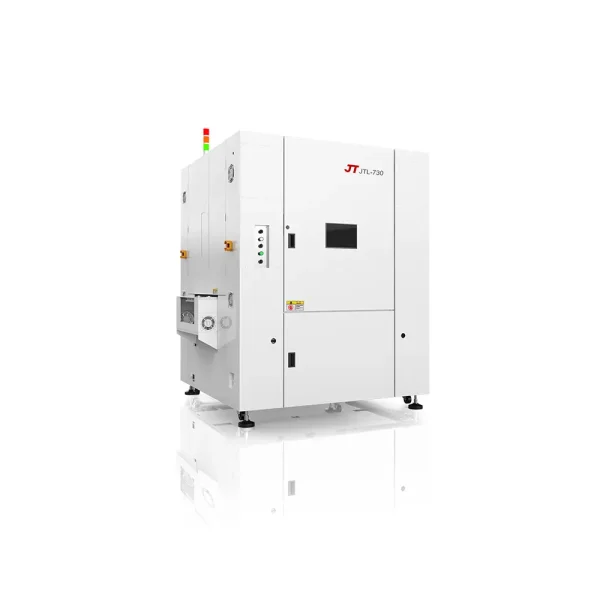
The PCB Area Selective Sprayer is a versatile tool in the wave soldering process. This sprayer allows precise control of the spray area, ensuring only the necessary sections of the PCB receive flux. This precision reduces waste and improves the quality of the soldering process. The sprayer’s open design, coupled with a protective spray booth, ensures safety and efficiency. Its drip-proof exhaust hood effectively controls fumes, maintaining a clean working environment. The sprayer’s adaptability, with manual or motorized width adjustment options, makes it suitable for a variety of PCB sizes, up to 450 mm.
Integration into Existing Systems
Integrating the PCB Area Selective Sprayer into existing systems is simple. Its industrial computer and PLC control system provides precise operation and monitoring, ensuring seamless integration. The sprayer’s compatibility with various PCB sizes and its efficient power consumption make it an ideal addition to any production line. By adopting this sprayer, you can increase production capacity while maintaining energy efficiency.
Advanced Soldering Machine
Features to Look For
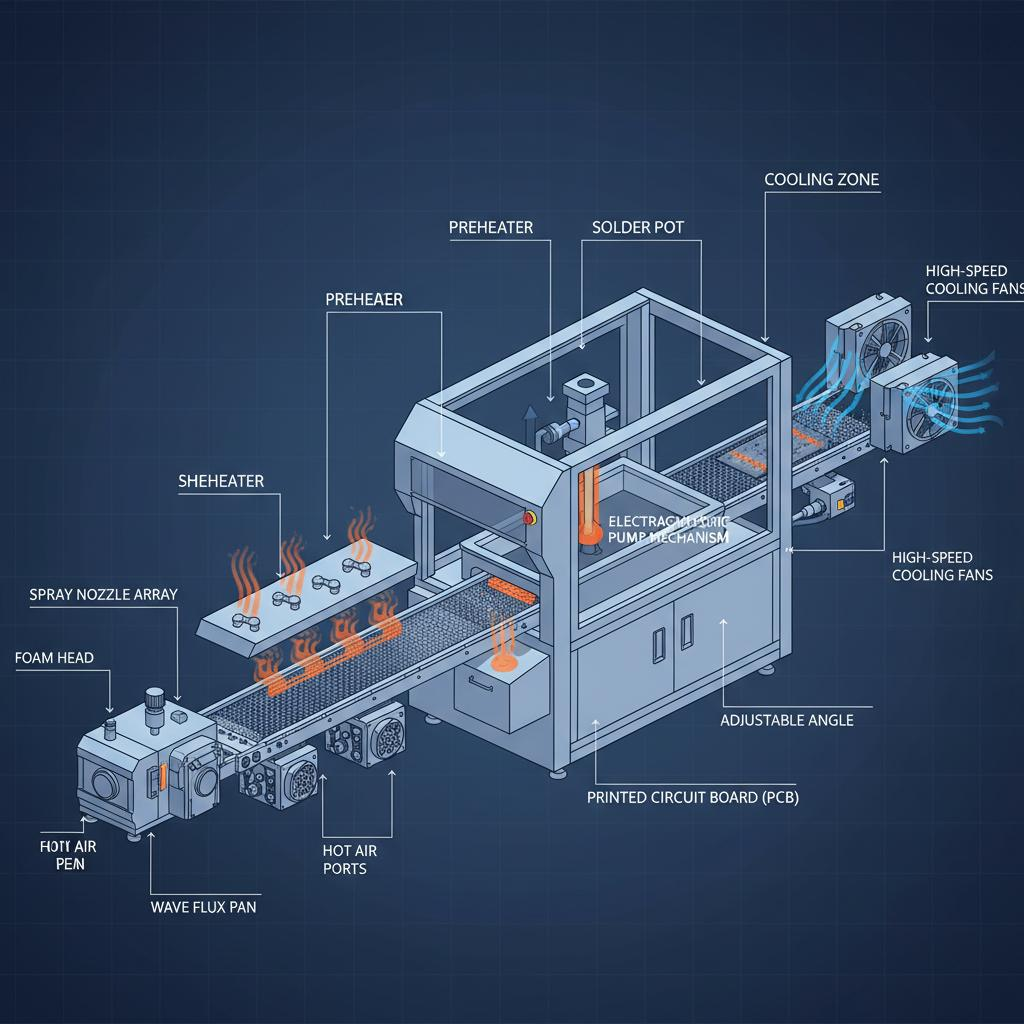
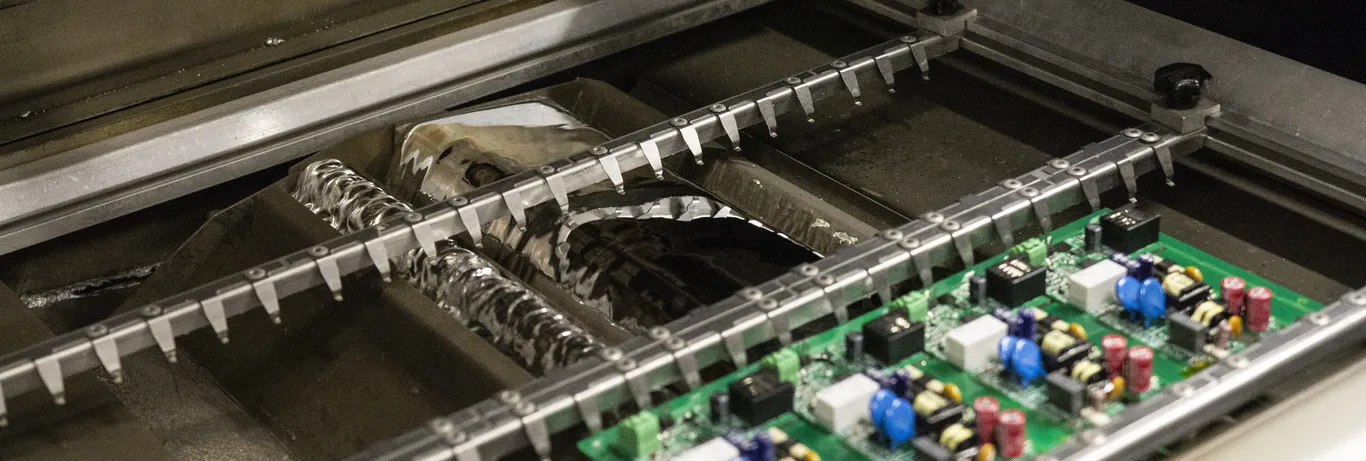
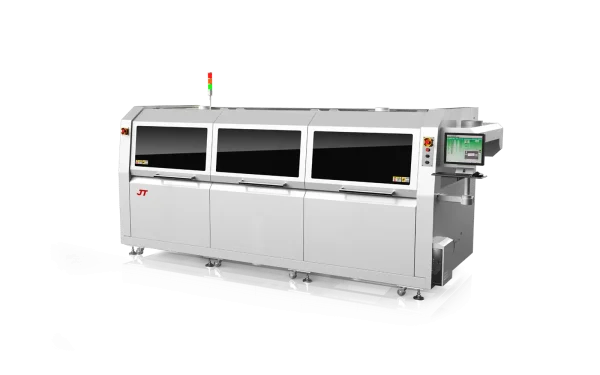
When choosing an advanced soldering machine, you should focus on key features that enhance performance. Look for machines with an automatic flux spraying system and motorized width adjustment, such as the Wave Soldering Machine Model 32.400. This model offers a titanium finger conveyor with automatic cleaning, ensuring consistent quality. Its high-precision preheater with independently controlled zones increases conveyor speed, making it ideal for high-volume production.
Cost and Efficiency
When selecting a soldering machine, balancing cost and efficiency is crucial. While advanced machines may have higher upfront costs, their efficiency and automated features can provide long-term savings. For example, the iTECH SP-C350LF Semi-Automatic Dip Soldering Machine combines multiple functions, such as flux spraying and preheating, into a single unit. This integrated approach reduces the need for additional equipment, saving space and money. By investing in efficient machinery, you can improve production processes and reduce operating costs.
Optimizing the Soldering Process
Process Parameters
Temperature Control
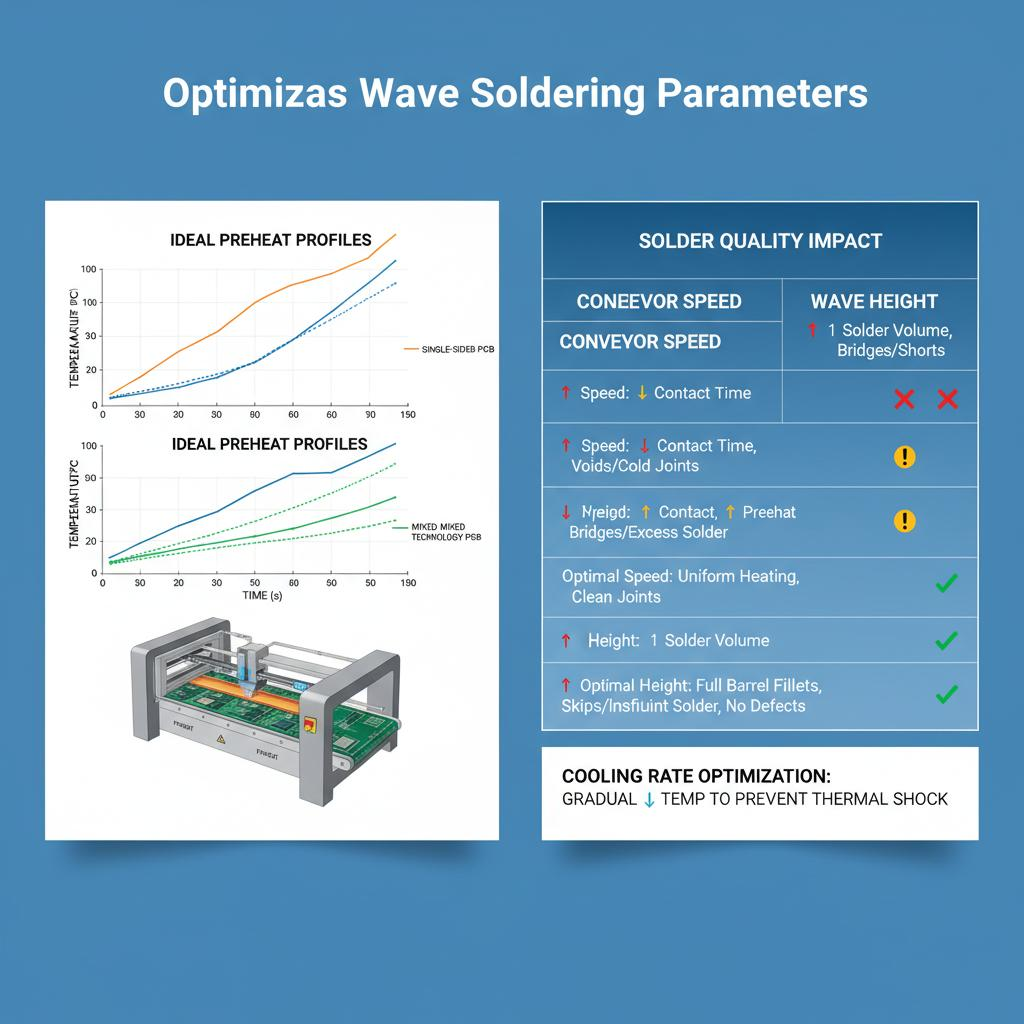
During the wave soldering process, temperature must be carefully managed. Wave soldering temperatures typically range between 250°C and 270°C. Proper control ensures high-quality solder joints and minimizes defects. Adjusting the temperature to suit specific materials and components helps maintain the integrity of electronic assemblies.
Conveyor Speed
Conveyor speed plays a crucial role in the soldering process. You need to set the speed to match the complexity and size of the PCB. Lower speeds increase soldering time, reducing defects like bridging. Conversely, faster speeds increase throughput, but may require precise adjustments to avoid misalignment.
Quality Control Measures
Inspection Techniques
Implementing effective inspection techniques is crucial. Visual inspection helps identify surface defects, while automated optical inspection (AOI) systems provide detailed analysis. Use these methods to ensure that every solder joint meets quality standards. Regular inspections prevent costly rework and improve product reliability.
Testing Protocols
Testing protocols verify the functionality of soldered components. You should perform electrical tests to check for continuity and resistance. Functional testing ensures that the final product functions as expected. By establishing a robust testing protocol, you can identify potential problems early and maintain high quality standards throughout the production line.
Future Trends in Wave Soldering
Technological Innovations
Automation
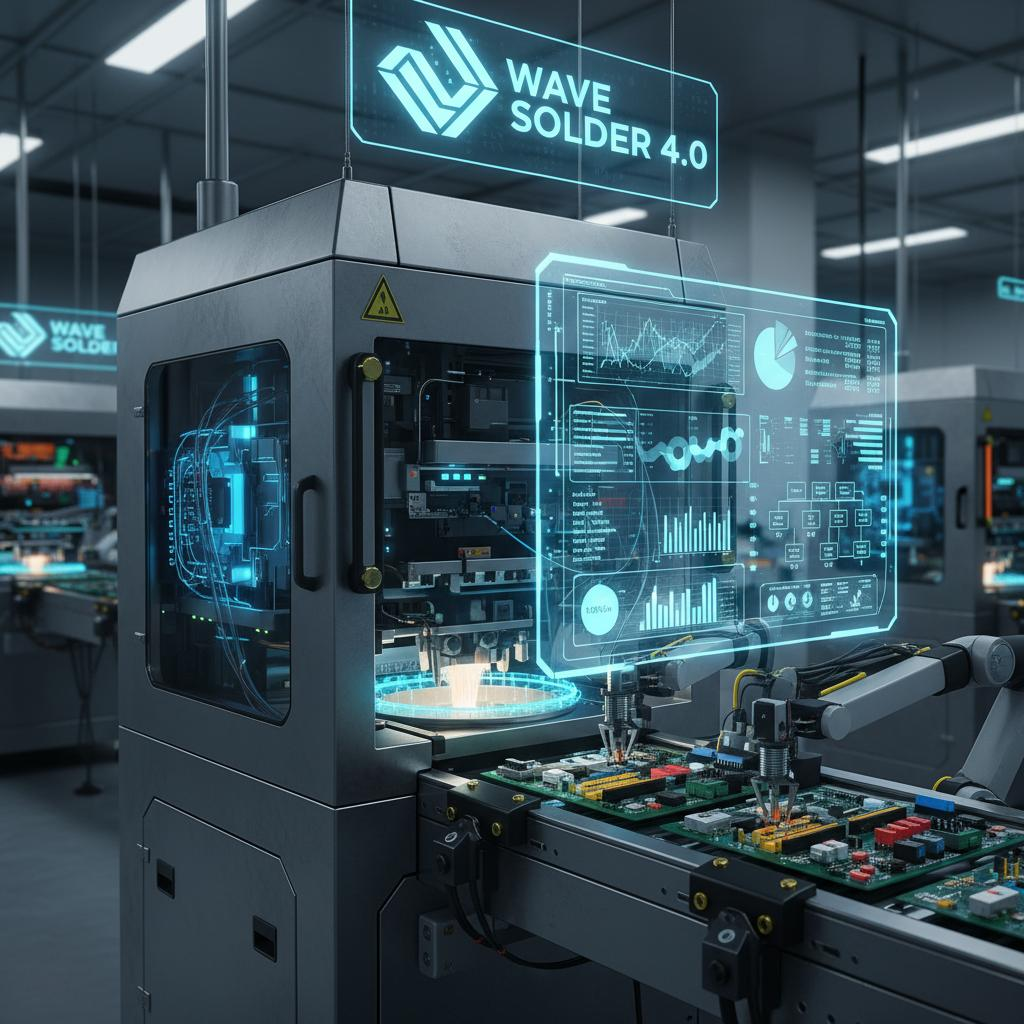
Automation is transforming wave soldering. You can see this in the demand for automated wave soldering equipment. This technology offers high speed and accuracy. It meets high-volume demands while remaining cost-effective. Automated systems reduce human error and ensure consistent quality across the production line. As part of Industry 4.0, automation is combined with smart manufacturing. This trend improves efficiency and productivity in electronics manufacturing.
Artificial Intelligence Integration
Artificial intelligence integration is another exciting trend. You can use AI to optimize the soldering process. It analyzes data to improve accuracy and reduce defects. AI systems learn from past operations and adjust parameters for better results. This technology helps you maintain high standards. It also enables real-time decision-making. By adopting AI, you can stay competitive in a rapidly evolving industry.
Sustainable Practices
Eco-Friendly Materials
Sustainability is crucial in modern manufacturing. You should consider eco-friendly materials in your wave soldering process. These materials reduce environmental impact and align with global sustainability goals. Using lead-free solder is one example. It minimizes toxic waste. Eco-friendly practices enhance your brand image and appeal to eco-conscious consumers. By choosing sustainable options, you contribute to a healthier planet.
Energy-Efficient Solutions
Energy efficiency is crucial for reducing costs and your environmental footprint. You can achieve this by optimizing machine settings. Energy-efficient equipment consumes less electricity, which reduces operating expenses. Implementing energy-saving measures benefits your bottom line and supports global efforts to combat climate change. By focusing on energy efficiency, you can improve the sustainability of your production processes.
In summary, you have explored key solutions and strategies to enhance your wave soldering process. By selecting the right equipment, such as a PCB area selective sprayer, you can optimize precision and efficiency. Addressing common challenges such as solder bridging and component misalignment ensures high-quality results. Implementing best practices in training and skills development fosters a skilled workforce, driving innovation and technological advancement. Embrace these strategies to remain competitive and achieve sustainable growth in the manufacturing industry. Your commitment to continuous improvement will lead to smarter decisions and more efficient production lines.