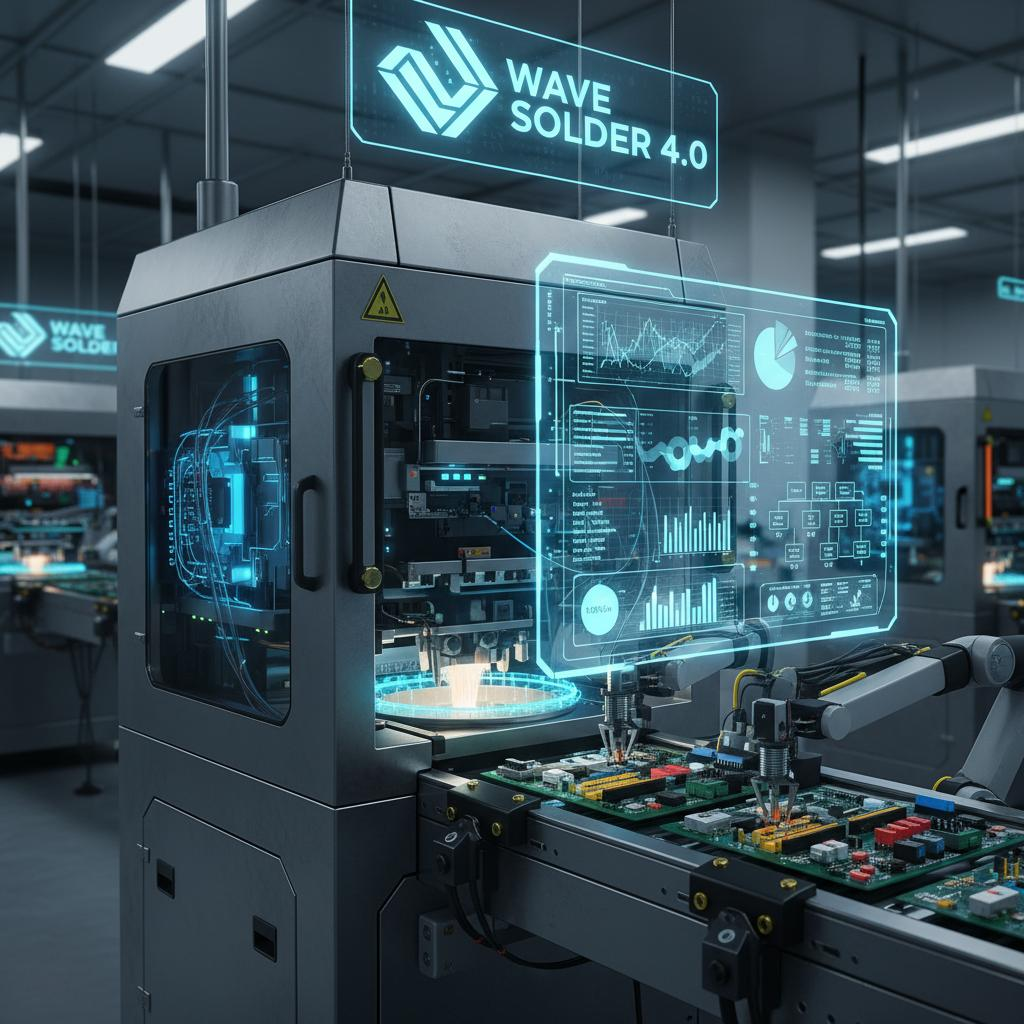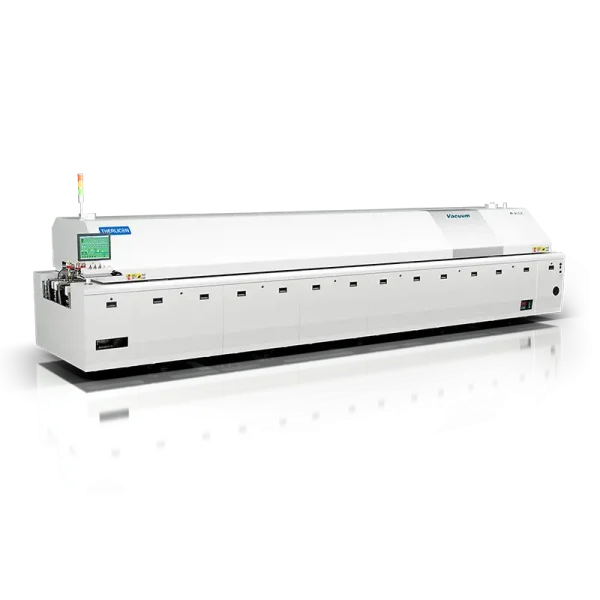

Selective wave soldering is essential in modern electronics manufacturing. This technology enables precise soldering of components on printed circuit boards, improving efficiency and quality. The global market for selective wave soldering machines is experiencing significant growth. Industries such as automotive, aerospace, and telecommunications are driving this demand. North America dominates the market, accounting for over 41% of global revenue. Innovative methods of selective wave soldering provide a cost-effective solution that meets the high-performance requirements of modern electronic components.

Understanding Selective Wave Soldering
Basic Principles
Definition and Purpose
Selective wave soldering represents a specialized technique in the electronics manufacturing industry. This method focuses on soldering specific components on a printed circuit board (PCB) without affecting other areas. The primary purpose of selective wave soldering is to improve the precision and efficiency of electronic device assembly. Manufacturers use this technique to ensure high-quality connections for through-hole components. Selective wave soldering also minimizes thermal stress on sensitive components, making it ideal for complex assemblies.
Comparison with Traditional Wave Soldering
Selective wave soldering differs significantly from traditional wave soldering. Traditional wave soldering requires immersing the entire PCB in a wave of molten solder. This process can result in excessive amounts of solder being applied and potentially damage heat-sensitive components. In contrast, selective wave soldering uses a smaller nozzle to apply solder only where it’s needed. This targeted approach reduces waste and conserves resources. Selective wave soldering requires fewer consumables and less maintenance downtime. Manufacturers prefer selective wave soldering for its cost-effectiveness and precision when assembling complex circuit boards.
Equipment and Setup
Key Components of a Selective Wave Soldering Machine
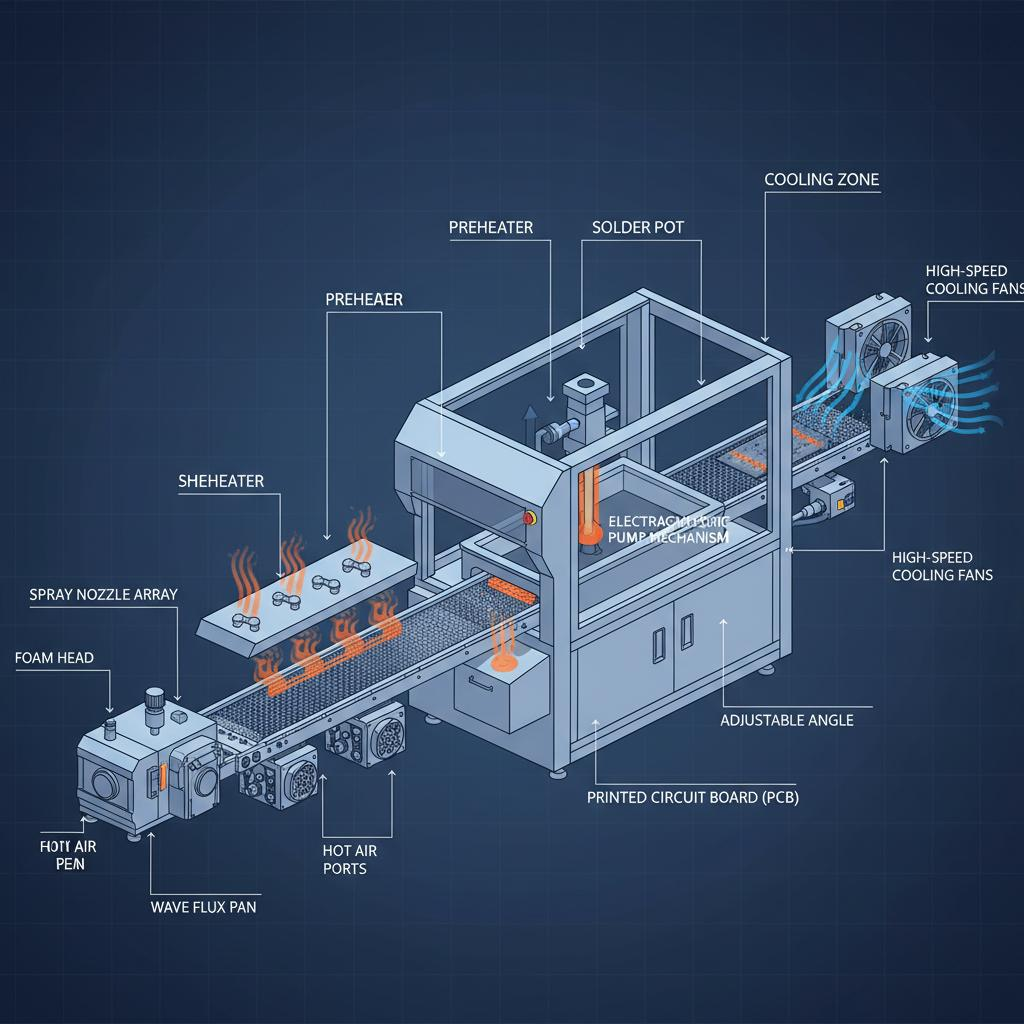
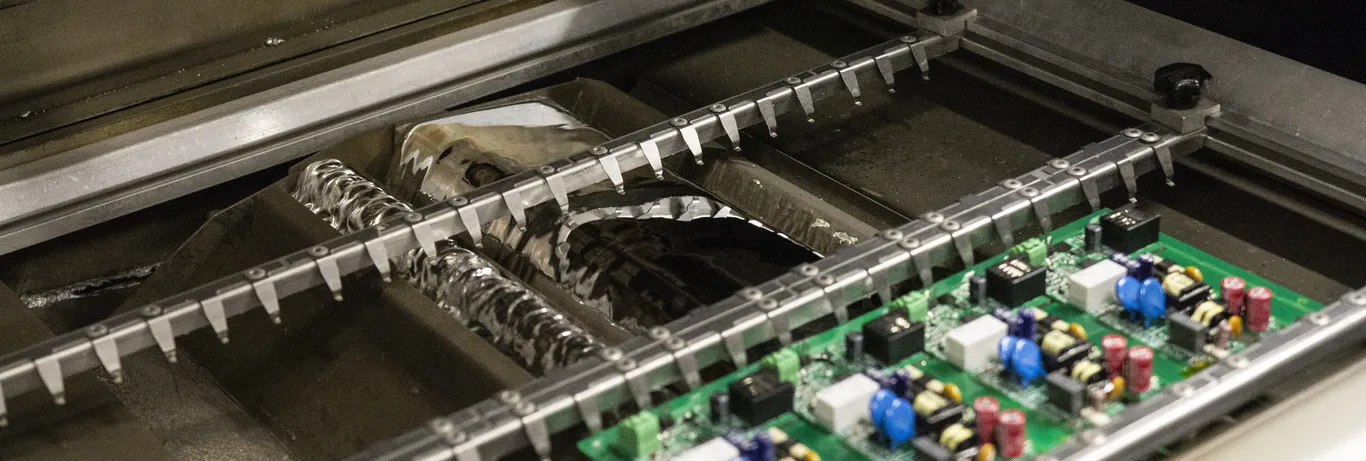
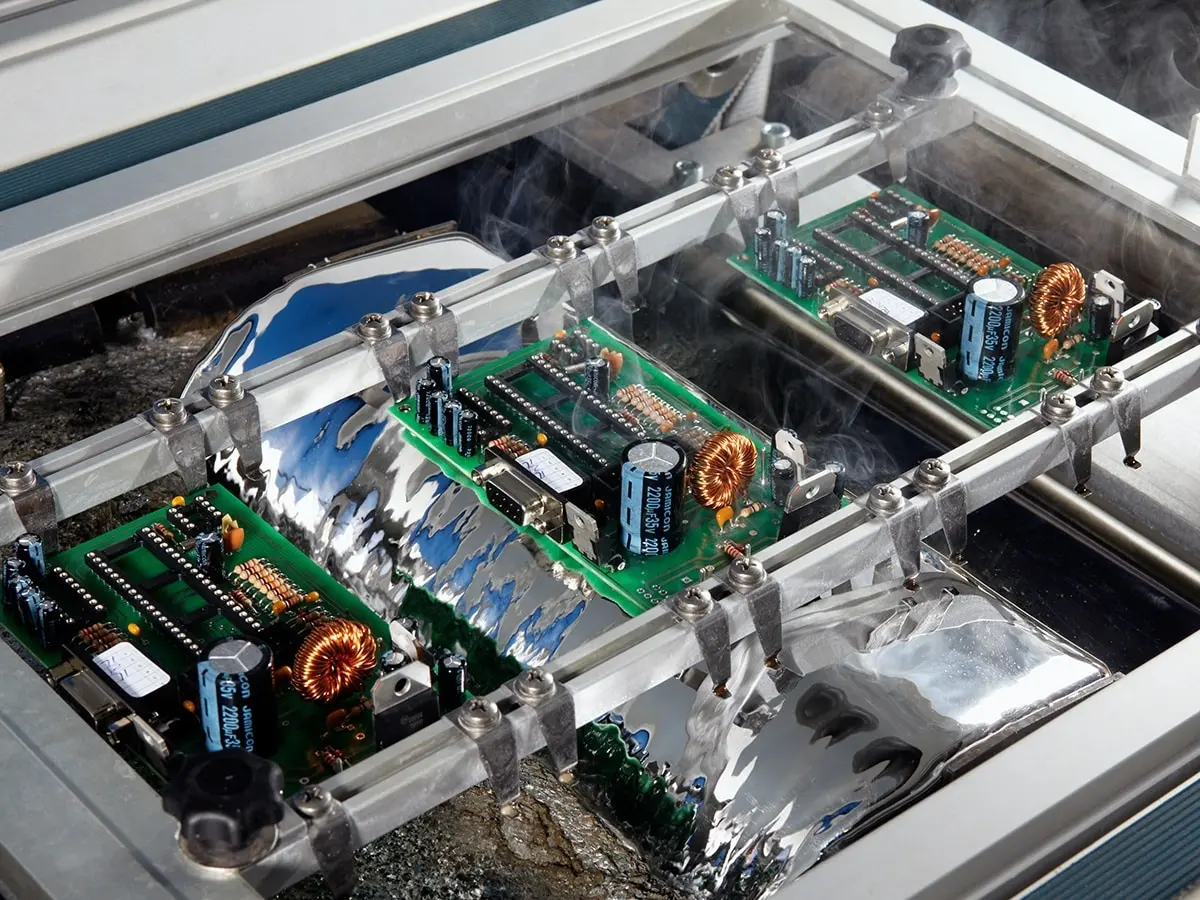
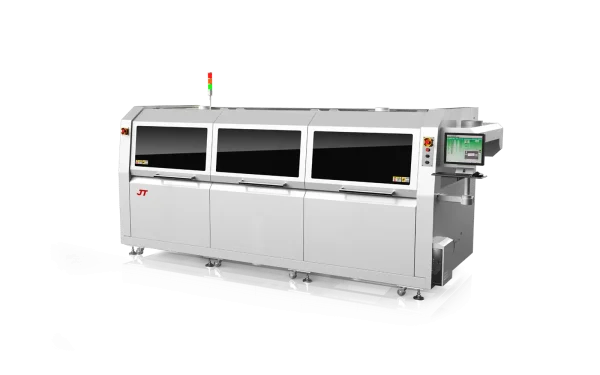
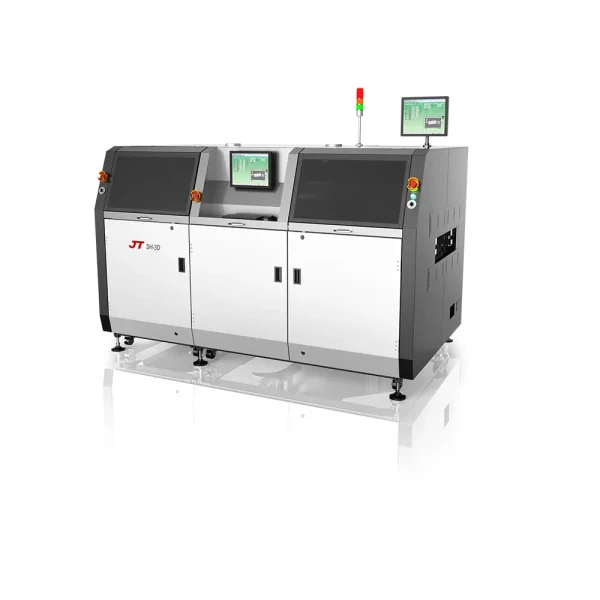
A selective wave soldering machine consists of several key components. The system includes a solder pot to hold the molten solder. A pump generates the solder wave, allowing for precise application. The nozzle plays a crucial role in directing the solder to specific areas on the PCB. The machine also features a flux applicator to prepare the board surface for soldering. A preheat zone ensures optimal temperature conditions for effective soldering. Each component works together to achieve accurate and efficient soldering results.
Setup Process and Considerations
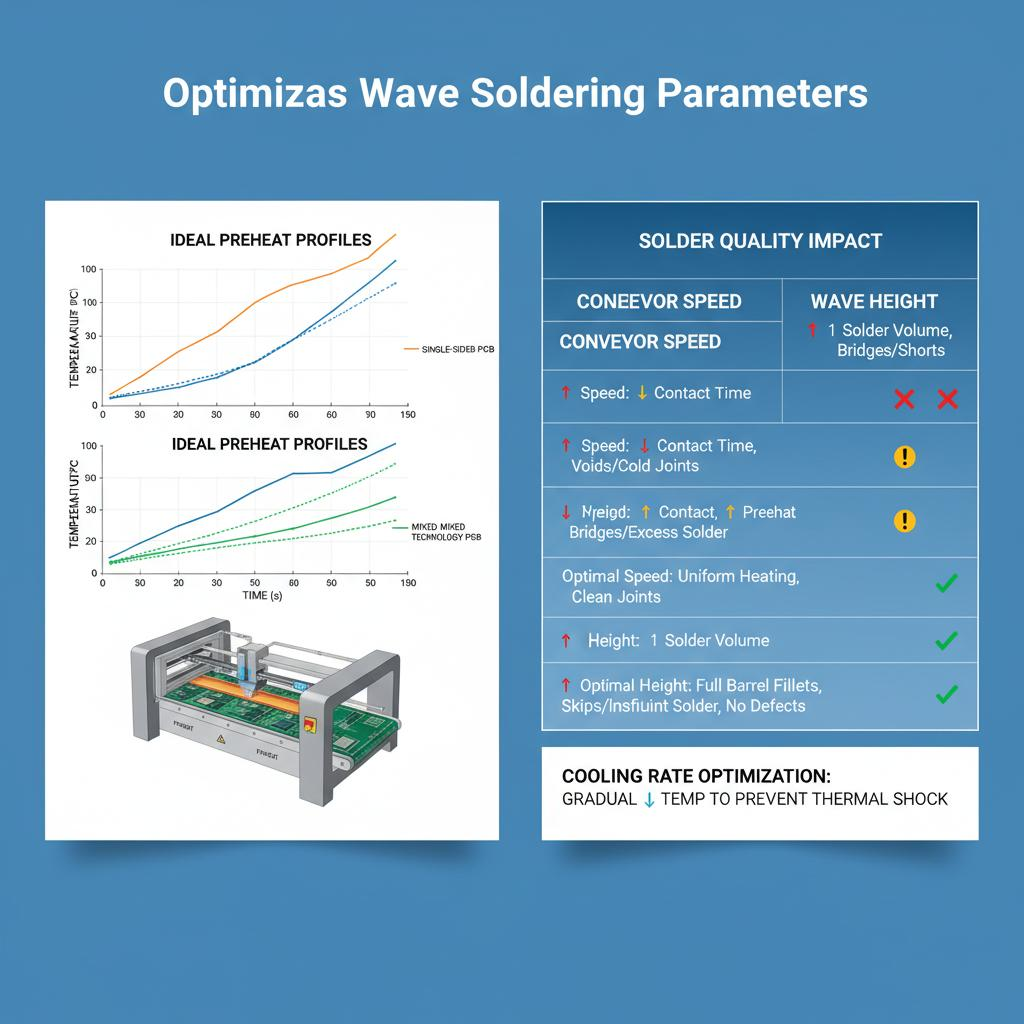
Setting up a selective wave soldering machine requires careful planning. The operator must configure the machine to meet the specific requirements of the PCB design. Selecting the appropriate nozzle is crucial to achieving the desired soldering precision. The setup process involves adjusting parameters such as temperature and solder wave height. Operators must consider the clearance between components to avoid solder bridging. Regular maintenance ensures consistent performance and extends the life of the machine. Attention to detail during setup improves the overall quality and reliability of the soldering process.
Advanced Technologies for Selective Wave Soldering
Process Optimization
Temperature Control and Management
Temperature control plays a crucial role in selective wave soldering. Precise temperature settings ensure optimal solder flow and adhesion. Manufacturers use advanced sensors to monitor temperature throughout the process. Consistent heating prevents heat damage to sensitive components. Proper temperature management improves solder joint reliability.
Flux Application Techniques
Flux application techniques significantly impact solder joint quality. Highly active fluxes reduce voids and improve mechanical properties. The Journal of Materials Science highlights the benefits of using highly active fluxes. Effective flux application reduces porosity and enhances optical and thermal properties. Selective wave soldering processes benefit from these improvements, ensuring strong connections.
Precision and Accuracy
Nozzle Design and Selection
Nozzle design determines the precision of selective wave soldering application. Manufacturers select nozzles based on specific PCB requirements. Smaller nozzles allow for targeted solder application, minimizing excess solder. Proper nozzle selection improves solder placement accuracy. This precision is crucial for complex electronic assemblies.
Soldering Parameters and Adjustments
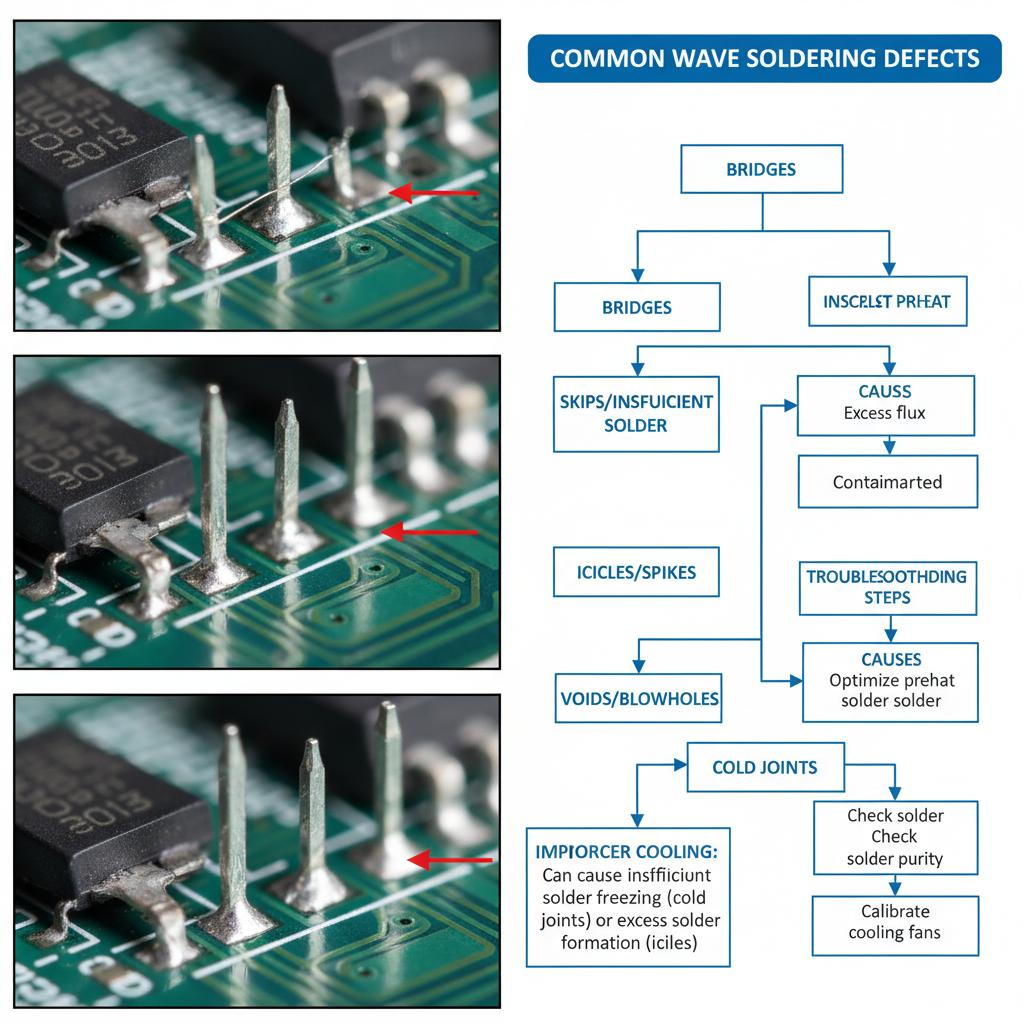
Soldering parameters require careful adjustment for optimal results. Operators set parameters such as wave height and speed to match the PCB design. Adjustments ensure proper solder coverage and prevent bridging. Consistent parameter settings improve the efficiency of the selective wave soldering process. Reliable solder joints result from meticulous parameter management.
Applications and Benefits
Industry Applications
Automotive Electronics
Automotive electronics require high reliability and precision. Selective wave soldering provides the precision required for complex automotive systems. This method ensures secure connections for critical components. Automakers rely on selective wave soldering to ensure safety and performance. This technology minimizes thermal stress on sensitive components.
Consumer Electronics
Consumer electronics benefit from the precision of selective wave soldering. This method supports the industry trend toward miniaturization. Manufacturers can efficiently solder densely packed components. Selective wave soldering improves product durability and functionality. This technology meets the high-performance expectations of modern consumers.
Advantages of Advanced Methods
Improved Reliability and Quality
Advanced selective wave soldering methods improve reliability. Precise solder application reduces defects in electronic assemblies. Manufacturers achieve consistent quality through targeted soldering techniques. This process minimizes the risk of component damage. High-quality solder joints result in longer-lasting products.
Cost-Effectiveness and Efficiency
Selective wave soldering offers manufacturers a cost-effective solution. This method reduces material waste through precise solder application. Manufacturers lower production costs through efficient processes. Advanced technology optimizes resource utilization. This method improves overall manufacturing efficiency.
Advanced selective wave soldering methods are crucial in modern electronics manufacturing. These technologies enhance precision and efficiency, ensuring high-quality results. Industry professionals should adopt these methods to achieve superior manufacturing results. The integration of advanced features such as nitrogen inerting and dual solder pots improves the soldering process, allowing manufacturers to increase yields and reduce maintenance requirements. Exploring these advancements can provide valuable insights into sustainable practices. Continuous learning and adaptation will drive progress in this field.