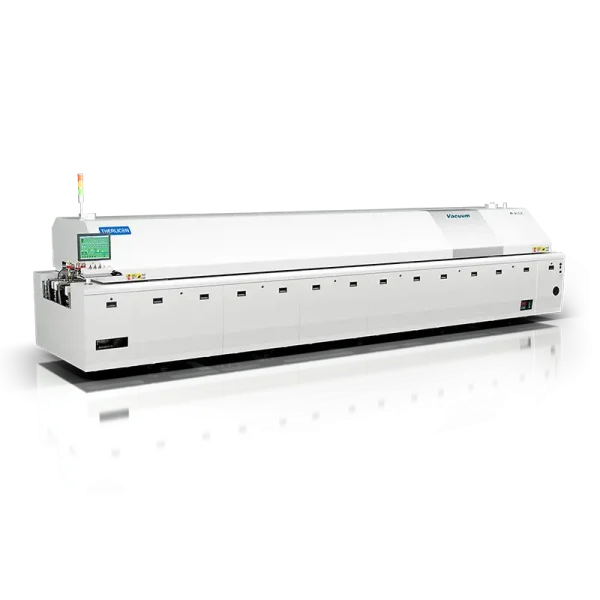

Soldering is a crucial part of the printed circuit board (PCB) design process. Soldering is the only reliable way to ensure circuitry is securely attached to the circuit board. Without soldering, there is no printed circuit board. However, not all soldering methods are the same; distinguishing between wave soldering and reflow soldering is essential.
There are two main types of PCB soldering: wave soldering and reflow soldering. What are the differences between these two methods? How do you determine which soldering method should be used in which situation?
What is wave soldering?
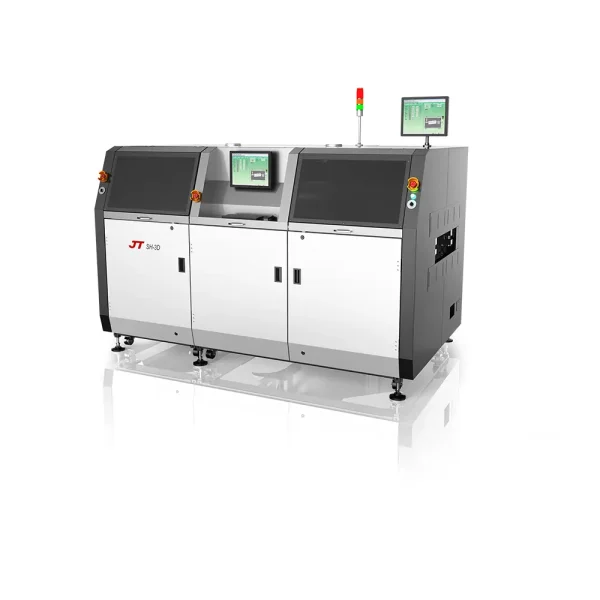
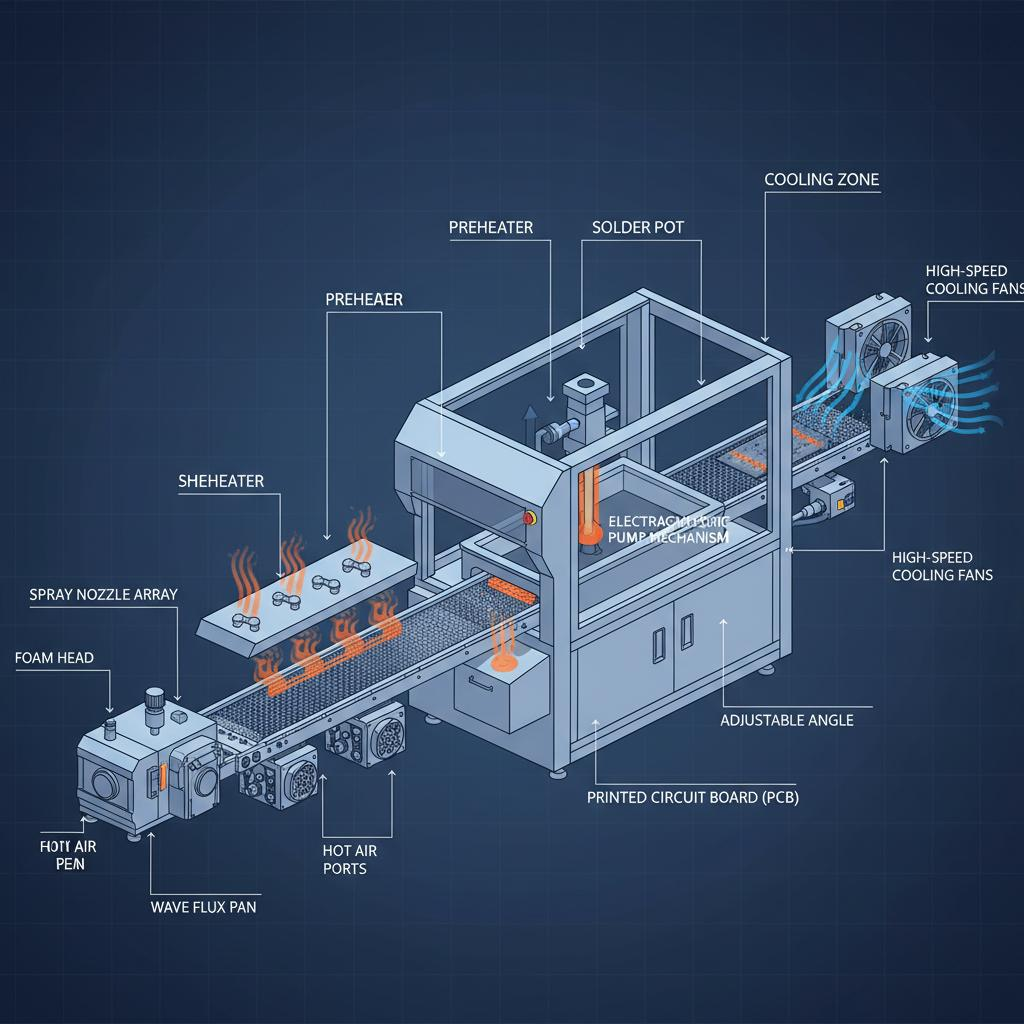
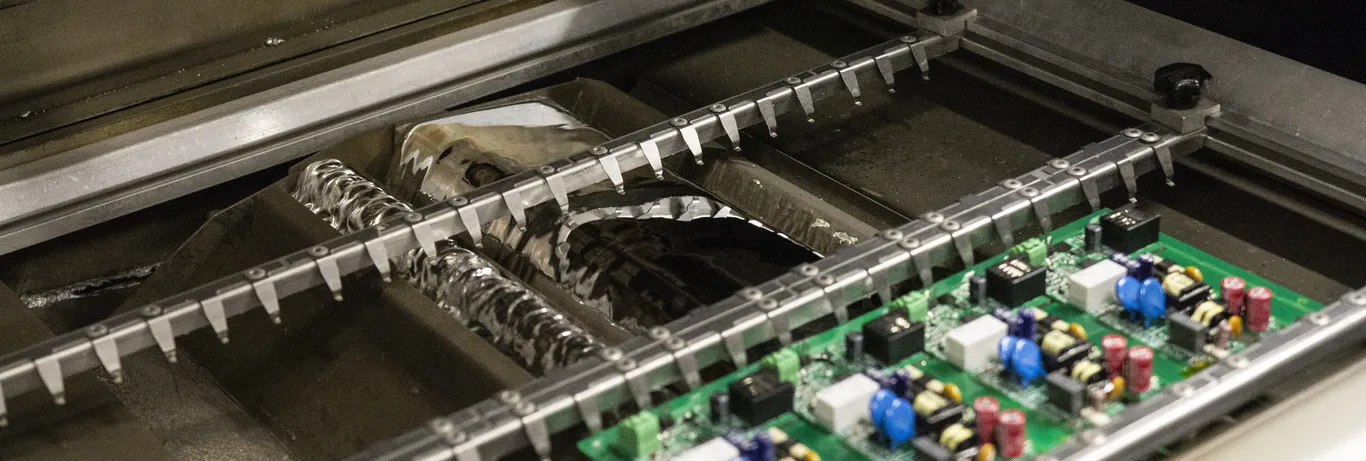
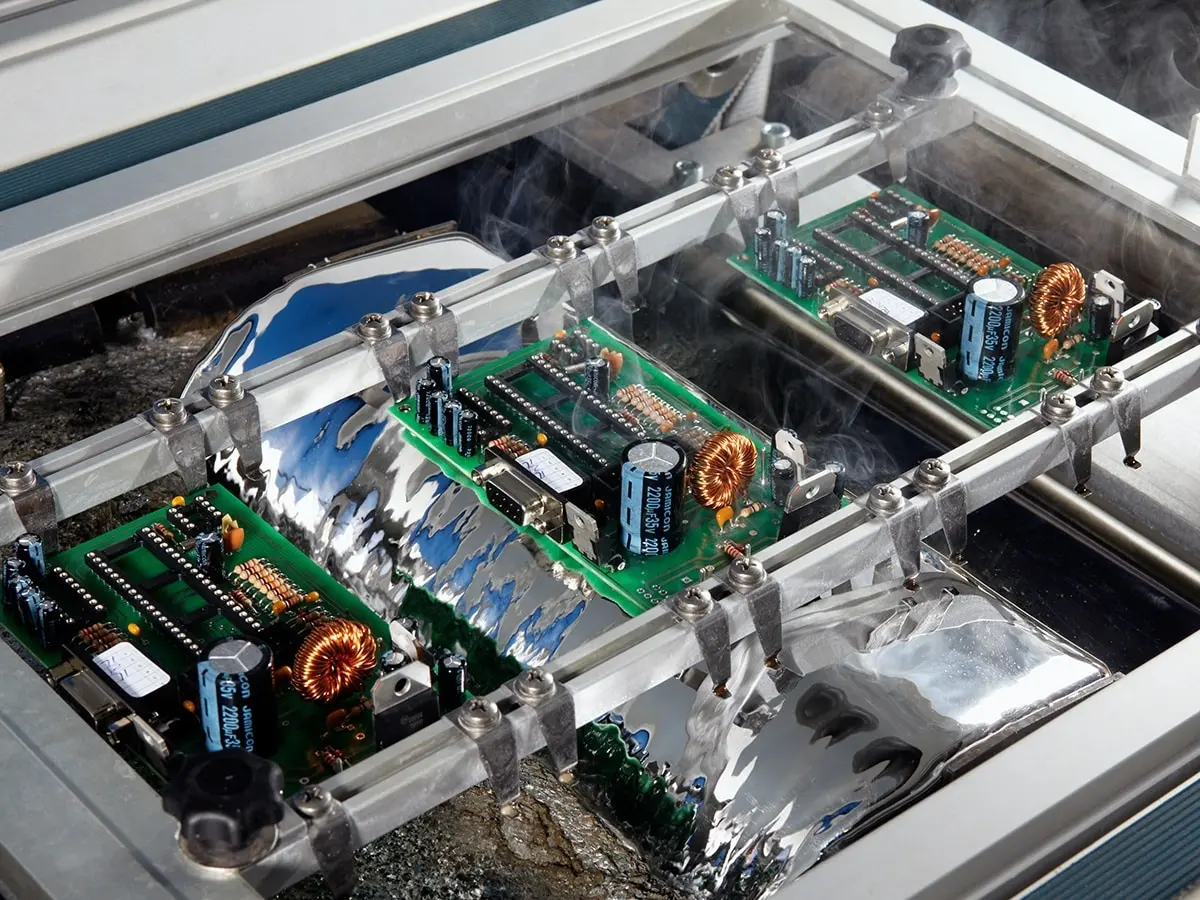
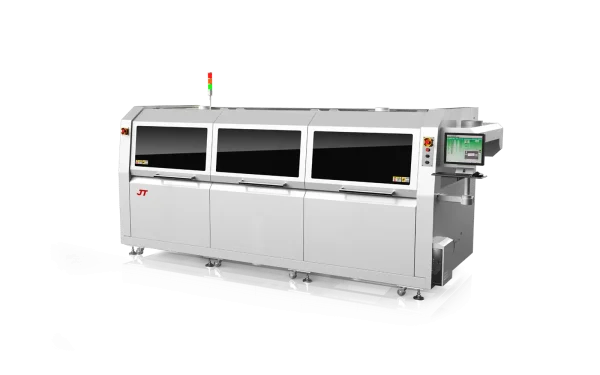
Wave soldering is a batch soldering process that can produce a large number of circuit boards in a very short time. It works by feeding each circuit board sequentially over pads filled with molten solder. Pumps within the pads generate a “wave” of solder that impacts the circuit board, soldering components onto it. Afterward, the circuit board is cooled and secured by water spray or hot air.
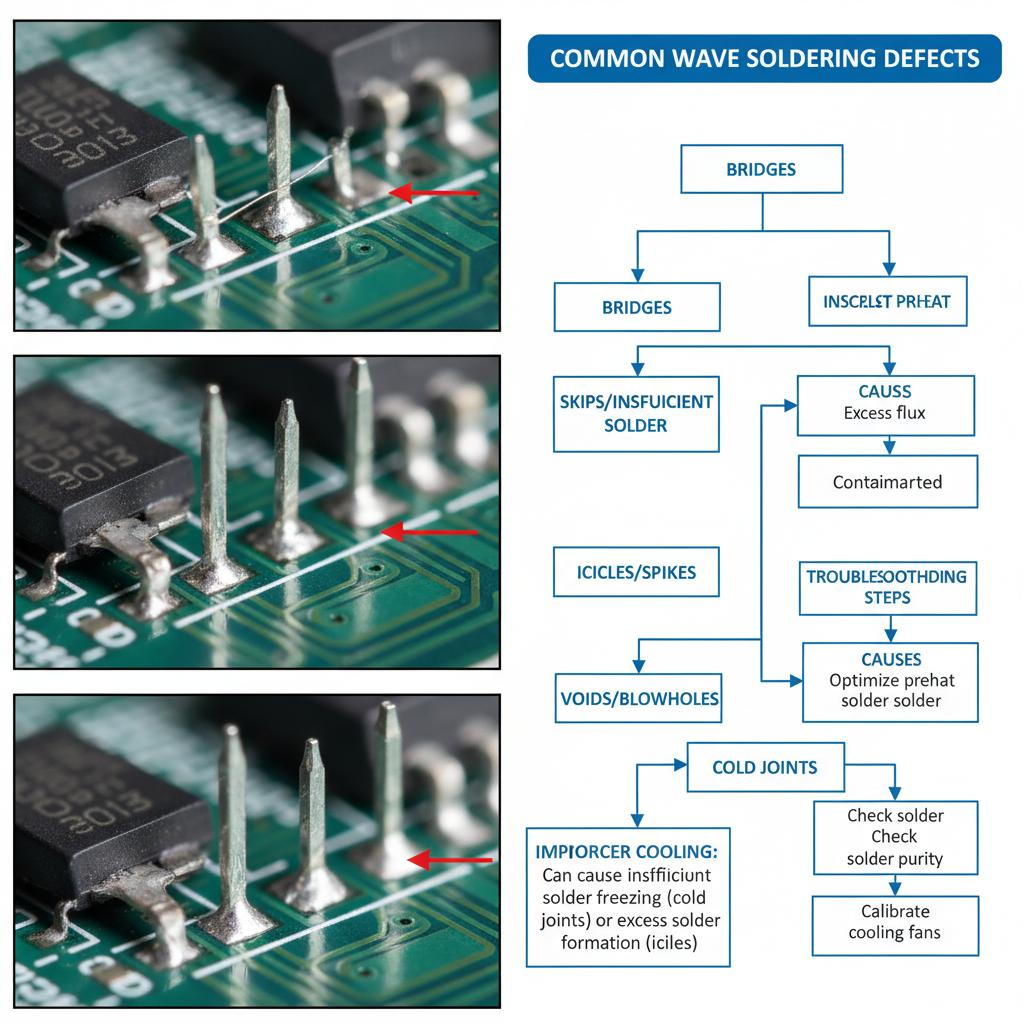
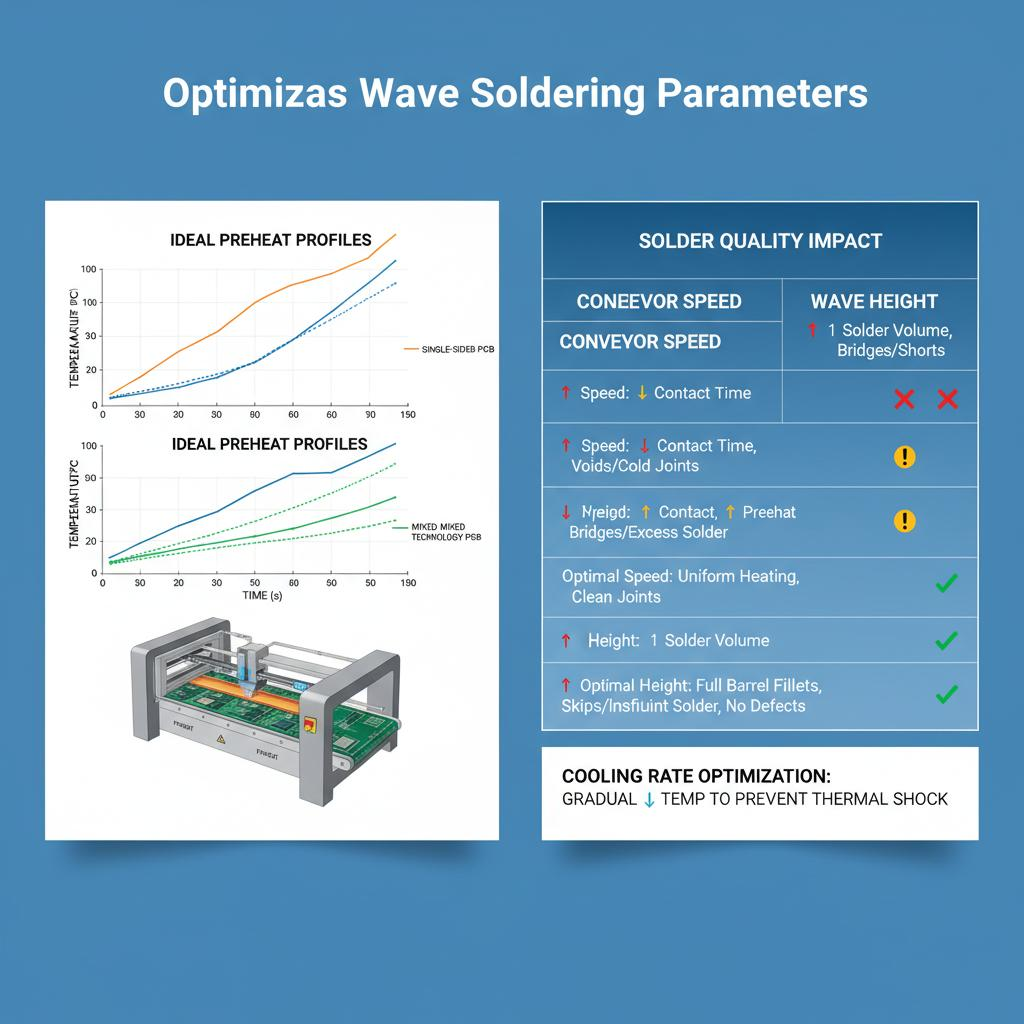
During wave soldering, proper temperature is crucial. Improper temperature control can cause mechanical stress on the circuit board, leading to cracks and decreased conductivity. Insufficient preheating can cause cavities, reducing the circuit board’s strength and conductivity. Inappropriate soldering temperature can result in insufficient solder thickness, making the circuit board more susceptible to stress.
What is Reflow Soldering?
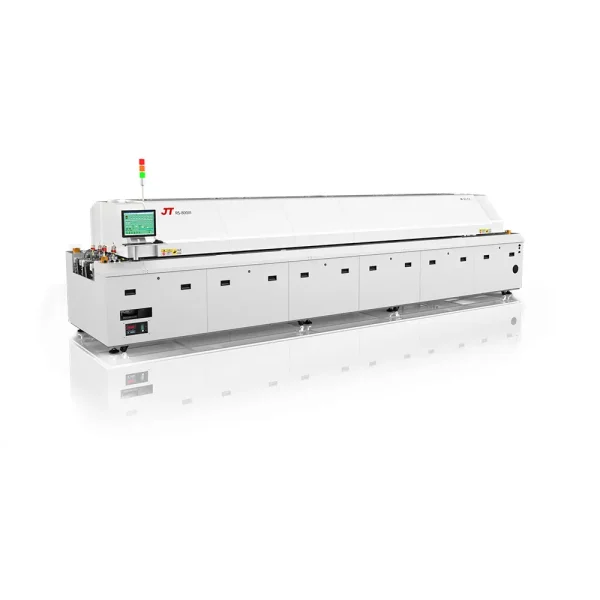
Reflow soldering differs slightly from wave soldering, but it’s the most common method for soldering surface-mount components onto circuit boards. Wave soldering is more commonly used for soldering through-hole components. While reflow soldering can also be used for through-hole components, it’s rarely used due to the greater cost-effectiveness of wave soldering.
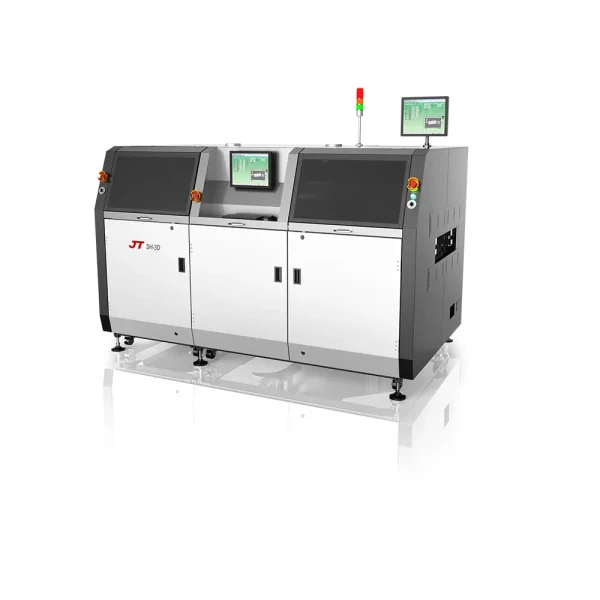
In reflow soldering, solder paste is made using solder powder and flux, and then this paste is used to attach components to pads. The entire assembly is then placed in a reflow oven or under an infrared lamp to heat the solder, melting it and connecting the solder joints. Individual solder joints can also be soldered using a hot air gun if necessary.
Wave Soldering vs. Reflow Soldering
So, how do you determine which soldering method to use and when? This can depend on various factors, such as pad shape, soldering time, component orientation, PCB type, and so on. In some ways, wave soldering is more complex. Issues such as PCB temperature and dwell time in the wave soldering bath need careful monitoring. An unfavorable wave soldering environment can easily lead to PCB defects.
When manufacturing printed circuit boards using reflow soldering, you don’t need to worry about environmental controls as much as you would with wave soldering. However, even so, wave soldering is generally faster and cheaper than reflow soldering. In many cases, wave soldering is the only viable method for soldering circuit boards. Reflow soldering is typically used for small-scale production where rapid, low-cost mass production processes are not required.
Remember that in some situations, you can use both reflow soldering and wave soldering simultaneously. For example, you can reflow solder one side of a component and then wave solder the other side. Furthermore, you can always solder PCB components manually, but manual soldering is generally not the best option if you have access to mechanical soldering equipment. Manual soldering is simply an alternative to reflow soldering, but reflow soldering still offers significantly superior performance.