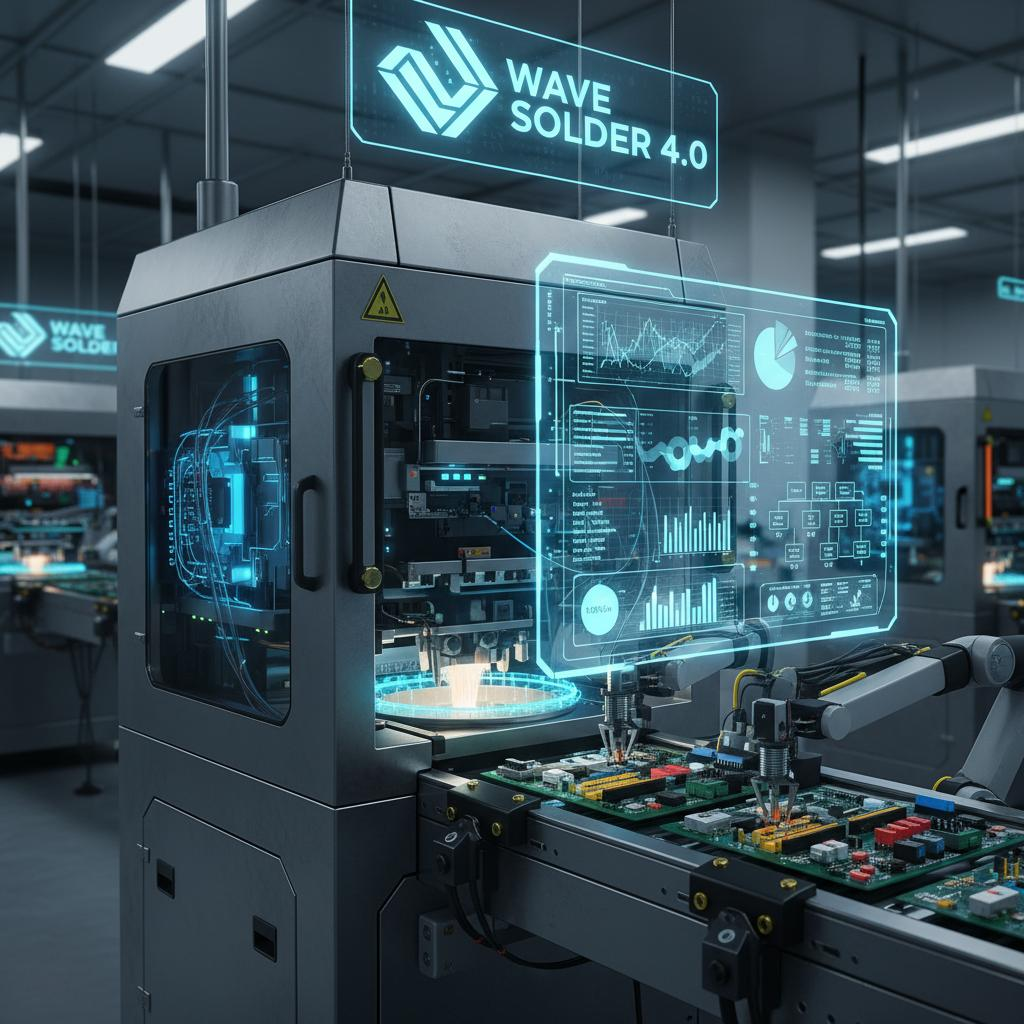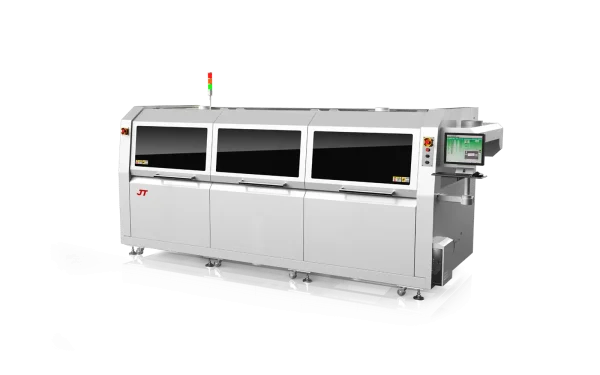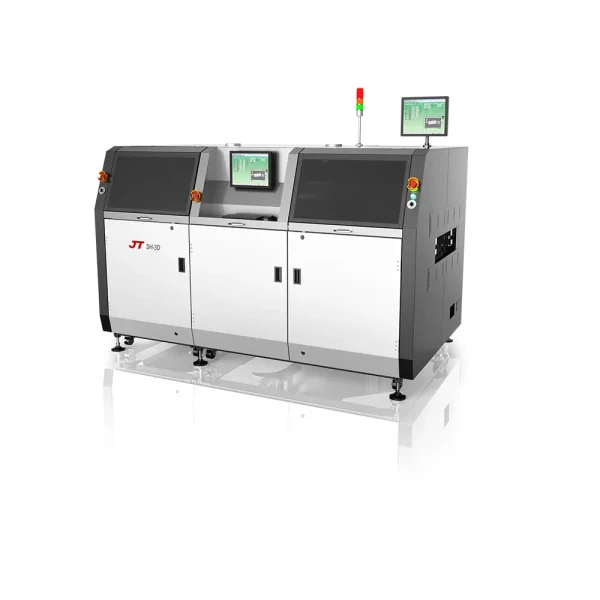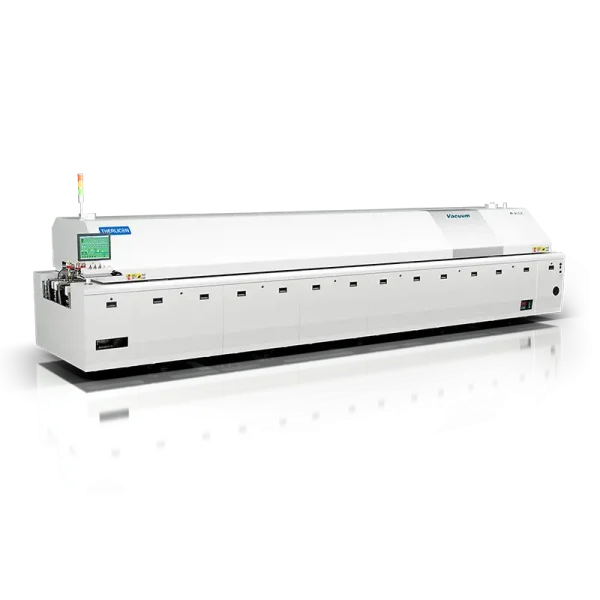

Wave soldering ovens have been a cornerstone of electronics manufacturing for decades. These machines are specifically designed to solder through-hole components onto printed circuit boards (PCBs) in high volumes. While surface-mount technology has gained popularity, wave soldering remains irreplaceable for many applications due to its unique set of advantages and characteristics. From unmatched efficiency to exceptional reliability, wave soldering ovens continue to play a vital role in producing everything from consumer electronics to industrial control systems.

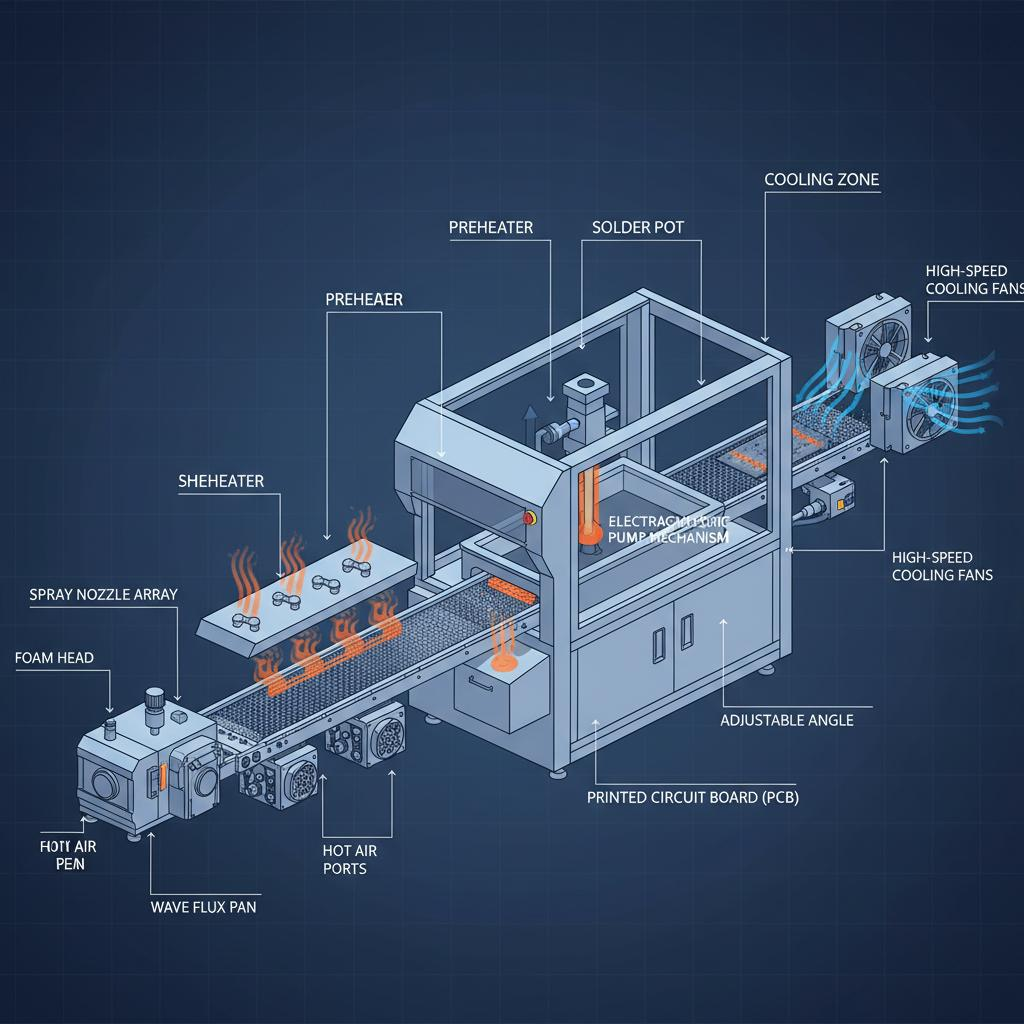
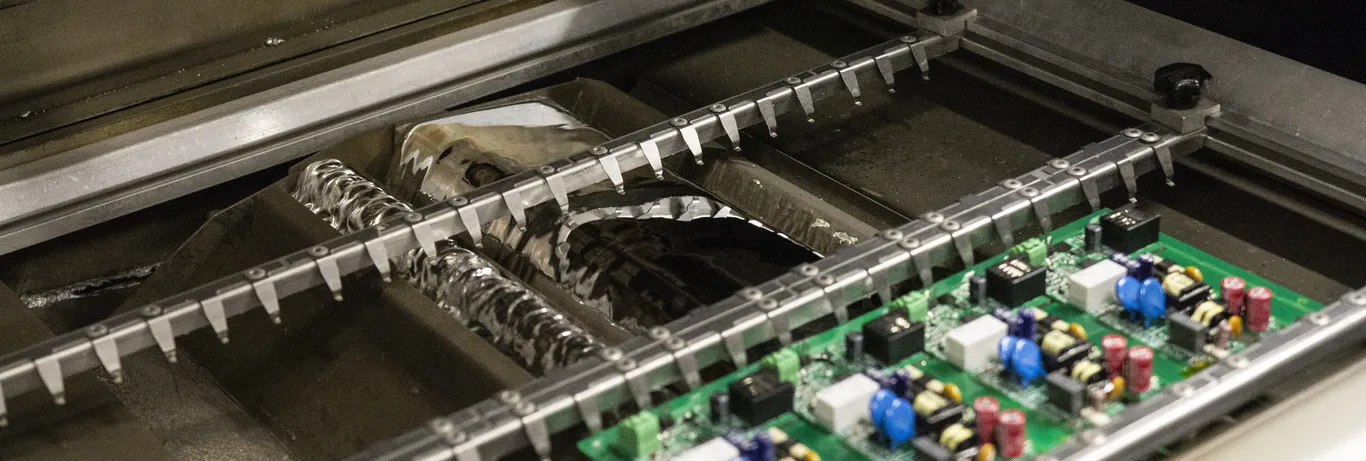
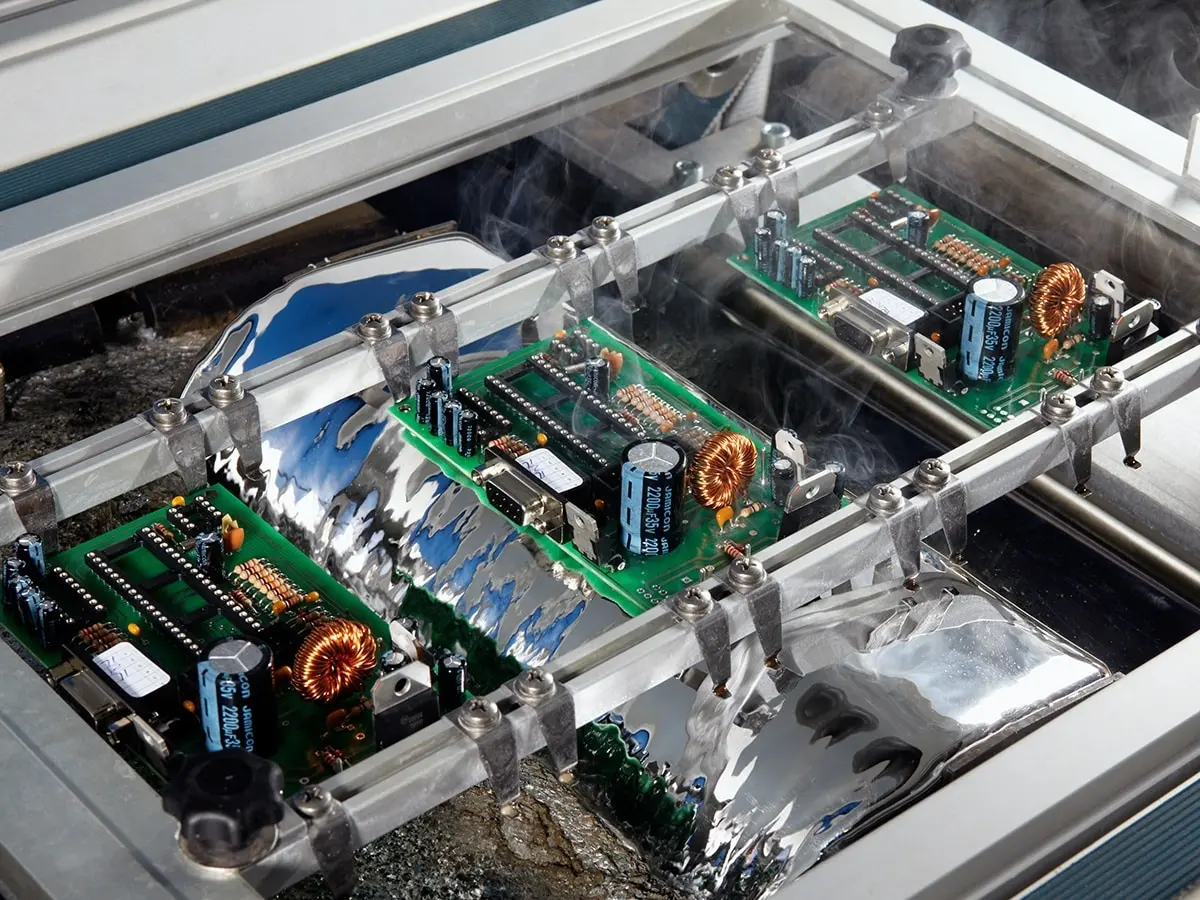
One of the most prominent advantages of a wave soldering oven is its extraordinary productivity. A single machine can solder hundreds or even thousands of solder joints in under a minute. The process is continuous: PCBs enter on a conveyor belt, receive flux, pass through preheating zones, glide over a molten solder wave, and exit cooled and finished. This automated workflow eliminates the need for manual soldering of each individual joint, reducing labor costs dramatically while increasing throughput. For manufacturers producing large quantities of boards with many through-hole components, wave soldering is often the only economically viable option.
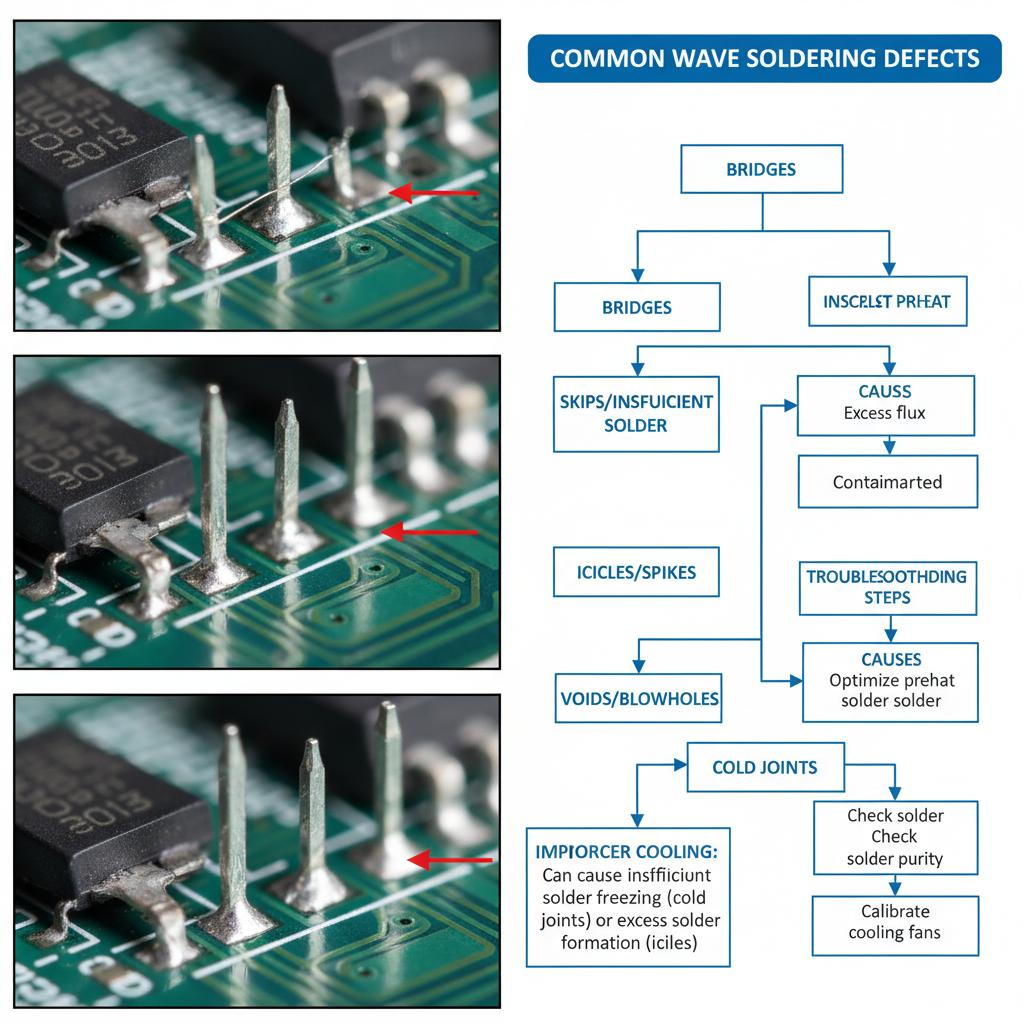
Another key characteristic is the exceptional consistency and reliability of the solder joints produced. Unlike manual soldering, where results vary with operator skill and fatigue, a properly calibrated wave soldering oven delivers identical results board after board. The molten solder wave maintains a precise temperature and uniform contact time, creating joints with optimal fillet shape, wetting angle, and void minimization. This repeatability is critical for applications requiring long-term reliability, such as automotive electronics, medical devices, and aerospace systems, where a single cold solder joint could lead to field failure.
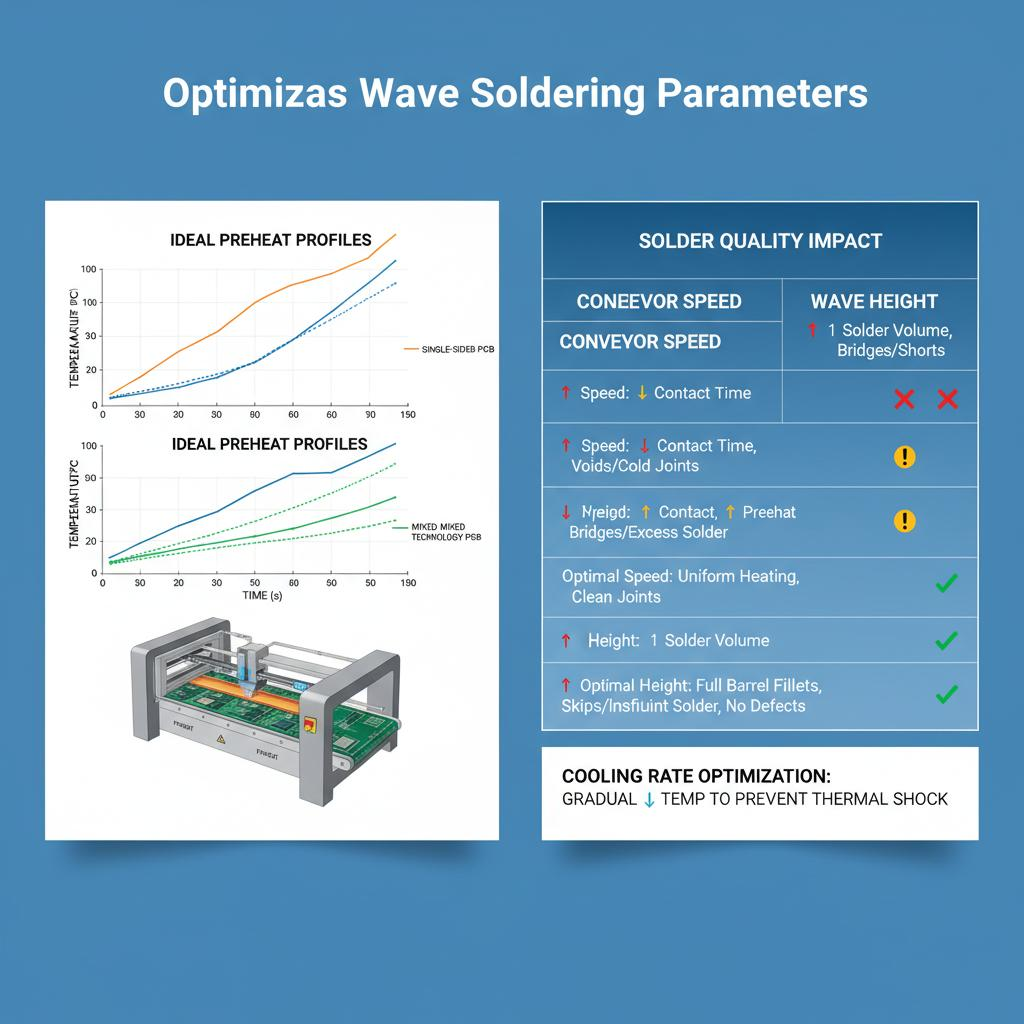
The ability to handle a wide variety of board sizes and component types is another significant characteristic. Wave soldering ovens can accommodate PCBs ranging from small adapter boards to large backplanes over 24 inches wide. They can simultaneously solder resistors, capacitors, connectors, transformers, and even large heat-generating components that surface-mount technology cannot easily handle. Adjustable conveyor speeds, multiple preheating zones, and customizable solder wave heights allow the same machine to process boards of different thicknesses, copper weights, and thermal masses without extensive retooling.
Cost-effectiveness is a major advantage, particularly for mixed-technology boards. While surface-mount components are typically reflow-soldered first, through-hole components can be added and secured in a single pass through the wave soldering oven. This avoids the need for separate selective soldering operations or expensive handwork. Additionally, the solder used in wave soldering can last for extended periods. Many modern ovens feature nitrogen blanketing systems that reduce dross formation by up to 80%, minimizing material waste and cleaning downtime.
Modern wave soldering ovens also offer advanced process control characteristics. Closed-loop flux application systems ensure consistent coverage without overspray. Infrared or forced-convection preheaters gradually raise board temperature to reduce thermal shock. Dual-wave configurations — first a turbulent wave for penetrating tight spaces, then a smooth laminar wave for removing excess solder — further improve joint quality. Real-time monitoring of solder temperature, conveyor speed, and wave height allows operators to maintain strict process parameters within industry standards such as IPC-A-610.
Finally, wave soldering ovens provide superior wetting and hole-filling for through-hole joints. The dynamic action of the flowing solder actively displaces flux residues and trapped gases, ensuring that the solder penetrates completely through plated through-holes. This produces strong mechanical bonds and excellent electrical conductivity that are difficult to achieve with alternative methods.
In conclusion, the advantages and characteristics of wave soldering ovens — high productivity, consistent joint quality, component versatility, cost-effectiveness, advanced process controls, and superior through-hole filling — make them an enduring asset in electronics assembly. While surface-mount technology continues to evolve, wave soldering remains the preferred solution for through-hole components, hybrid boards, and applications where reliability cannot be compromised.