
For OEMs and commercial users, how do you solder through-hole PCBs? Manual soldering is not feasible due to quality and efficiency requirements. There are two main through-hole PCB assembly technologies: selective soldering and wave soldering.
Part 1: What is Selective Soldering?
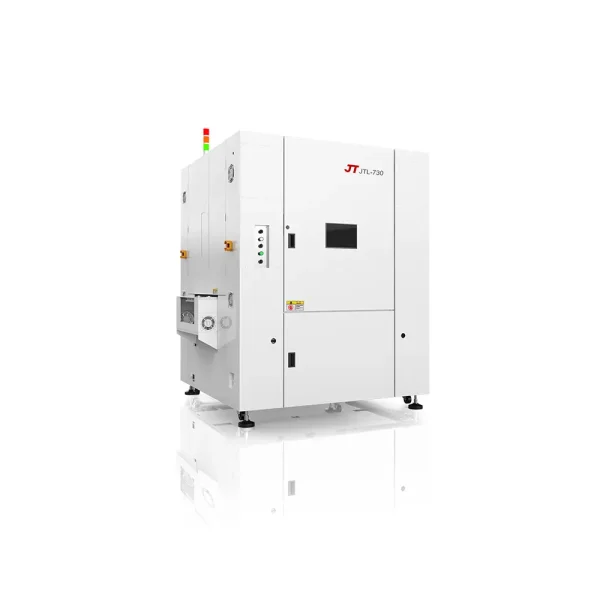
Selective soldering, also known as selective wave soldering, is a through-hole PCB assembly technology used in high-end applications.
Typically, selective soldering is suitable for through-hole PCBs used in medical, military, and automotive fields, where high reliability and lifespan are critical.
Selective soldering evolved from wave soldering, also including preheating and soldering stages, and occurs after SMT assembly. However, unlike wave soldering, selective soldering does not require fixtures.
In a flux spraying system, flux is precisely sprayed only onto the PCB solder joints that need to be soldered. The spraying location and amount depend on the program set by the CAM engineer. This reduces flux usage and prevents flux contamination of other areas.
In the preheating module, the entire PCB assembly is heated uniformly. Solder flux is activated during preheating, and the electronic components on the PCBA are also preheated, thus preventing damage to heat-sensitive components due to soldering temperatures.
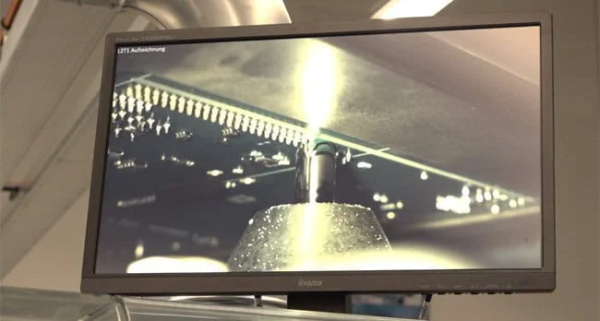
In the soldering module, solder is ejected from nozzles, soldering component leads to the PTH via walls. Each nozzle solders only one joint at a time. Nitrogen protection is provided next to the nozzles to prevent solder dross formation.
When should selective soldering be used on through-hole PCBs?
Selective soldering is suitable for small- to medium-scale, high-value-added PCBA production, especially in situations with heat-sensitive components. Soldering temperatures can reach 260°C, where wave soldering fixtures cannot protect heat-sensitive components. In this case, selective soldering is the ideal solution.
Another situation is when through-hole connections require customized soldering specifications. Since different through-hole components and connection points may have different lead pitches and heat capacities, their soldering requirements also differ. Selective soldering allows PCBA manufacturers to customize solder flow rate, soldering time, and wave height based on through-hole connections and PCB thickness.
What are the advantages and disadvantages of selective soldering?
Advantages: Customizable soldering specifications for each through-hole connection; zero soldering defects; minimal thermal shock to the PCBA; less flux residue on the PCBA; cleaner PCBA; flux savings; no need for fixtures; reduced nitrogen usage; low machine maintenance costs.
Disadvantages: Low through-hole soldering efficiency; only suitable for small to medium-scale production; high soldering costs due to expensive equipment.
Part Two: What is Wave Soldering?
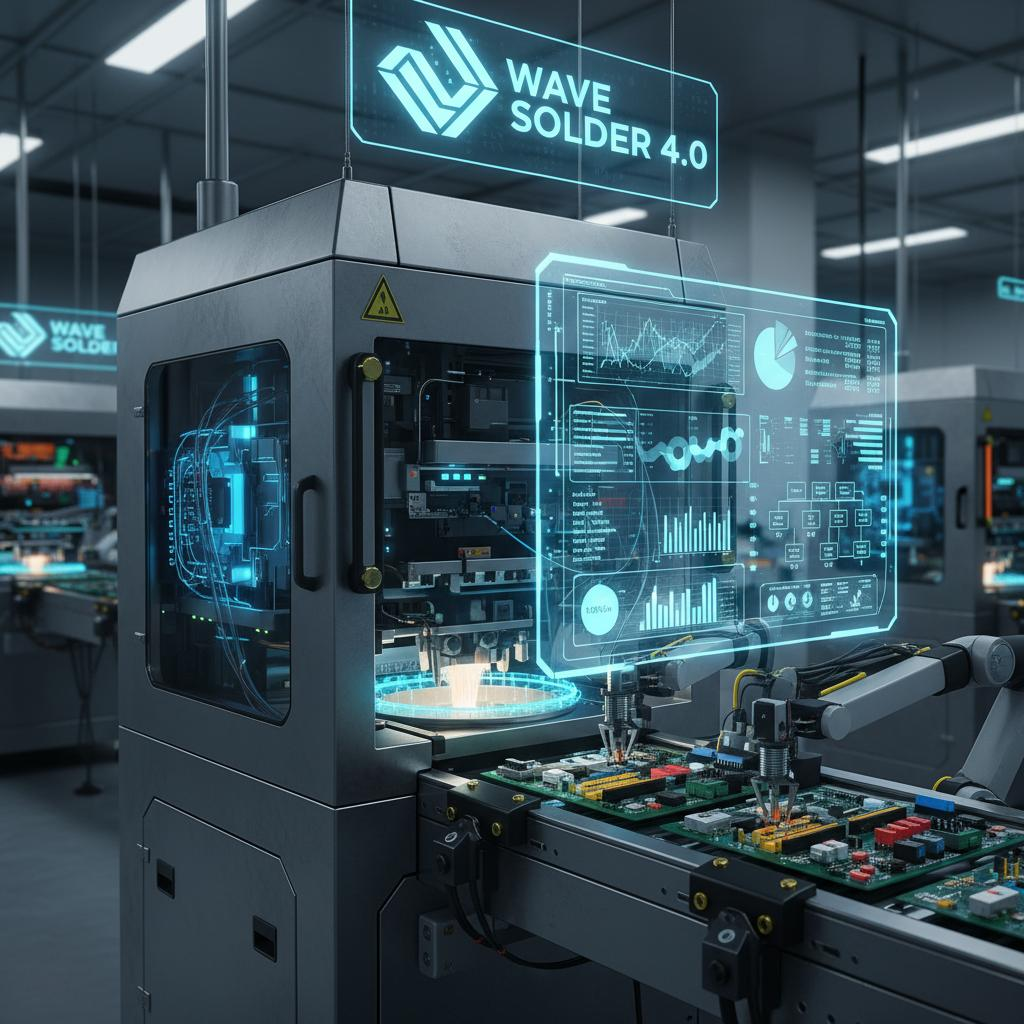
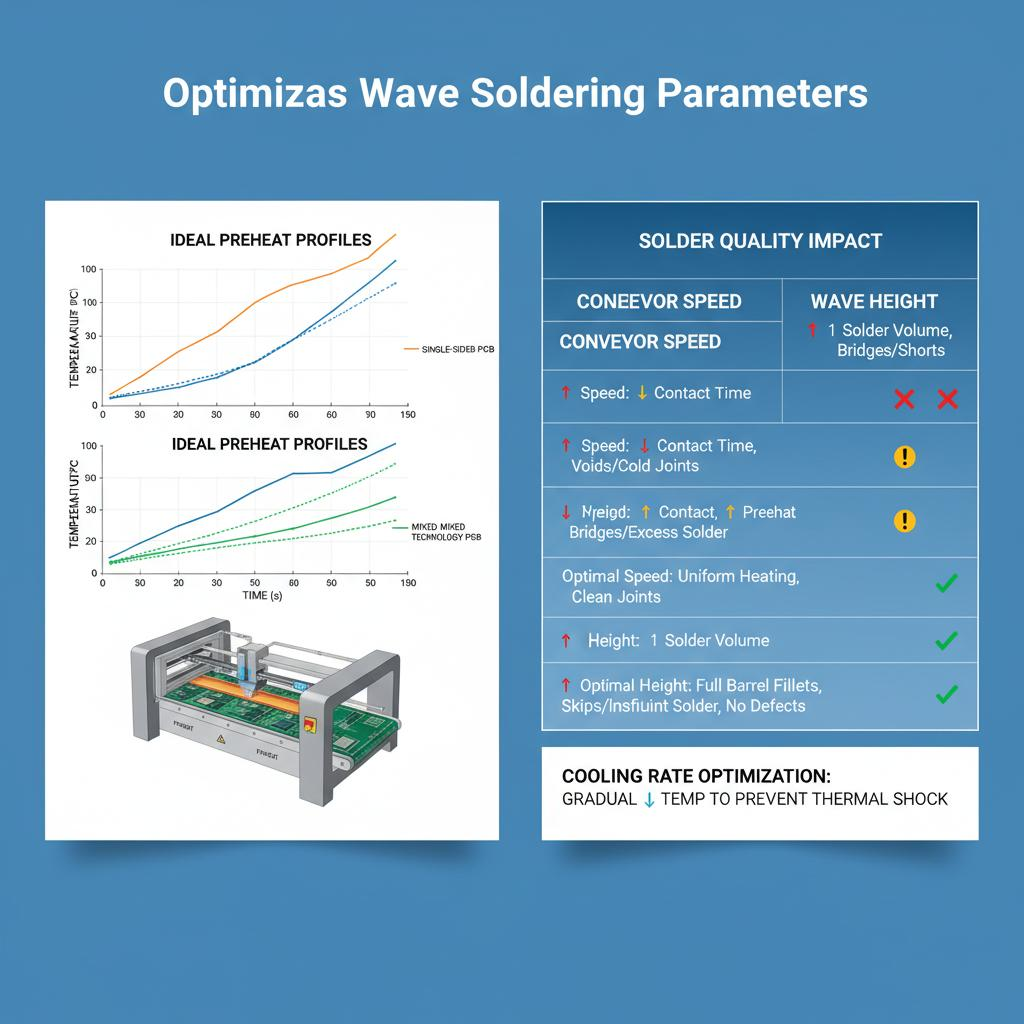
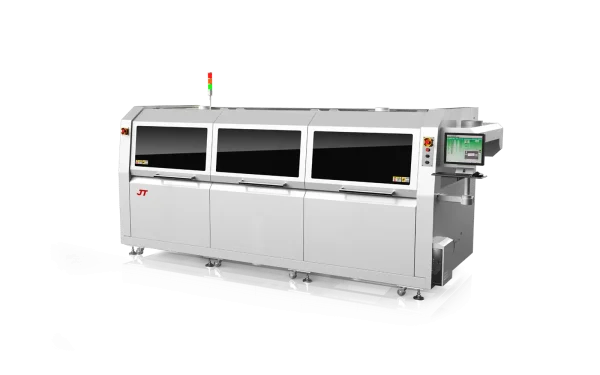
Wave soldering is the most commonly used through-hole soldering technology, suitable for assembling larger PTH PCBs. Because it requires technicians to mount the PCBA onto fixtures, it is a semi-automatic soldering process.
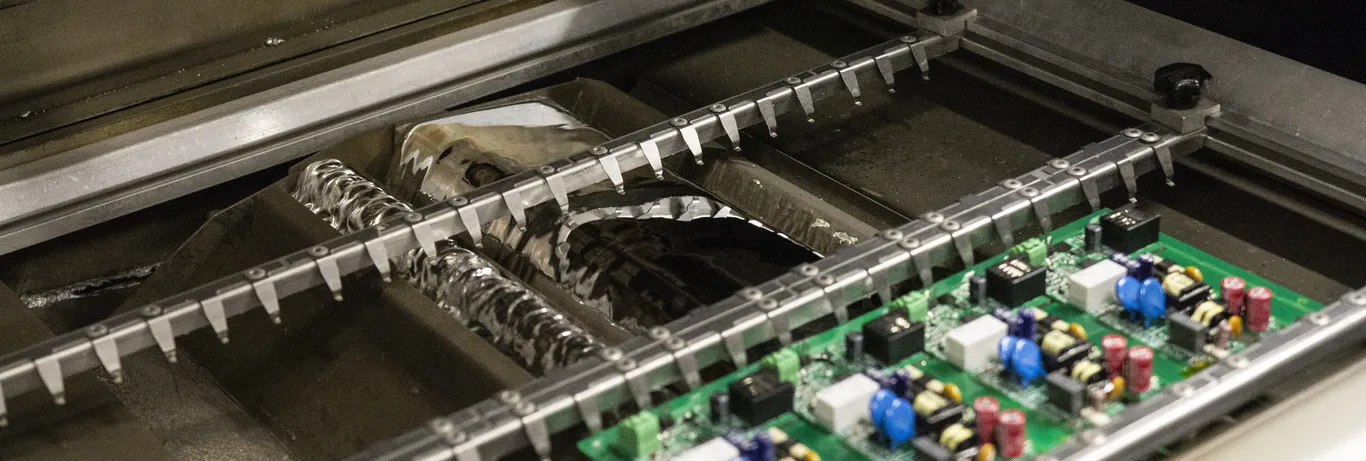
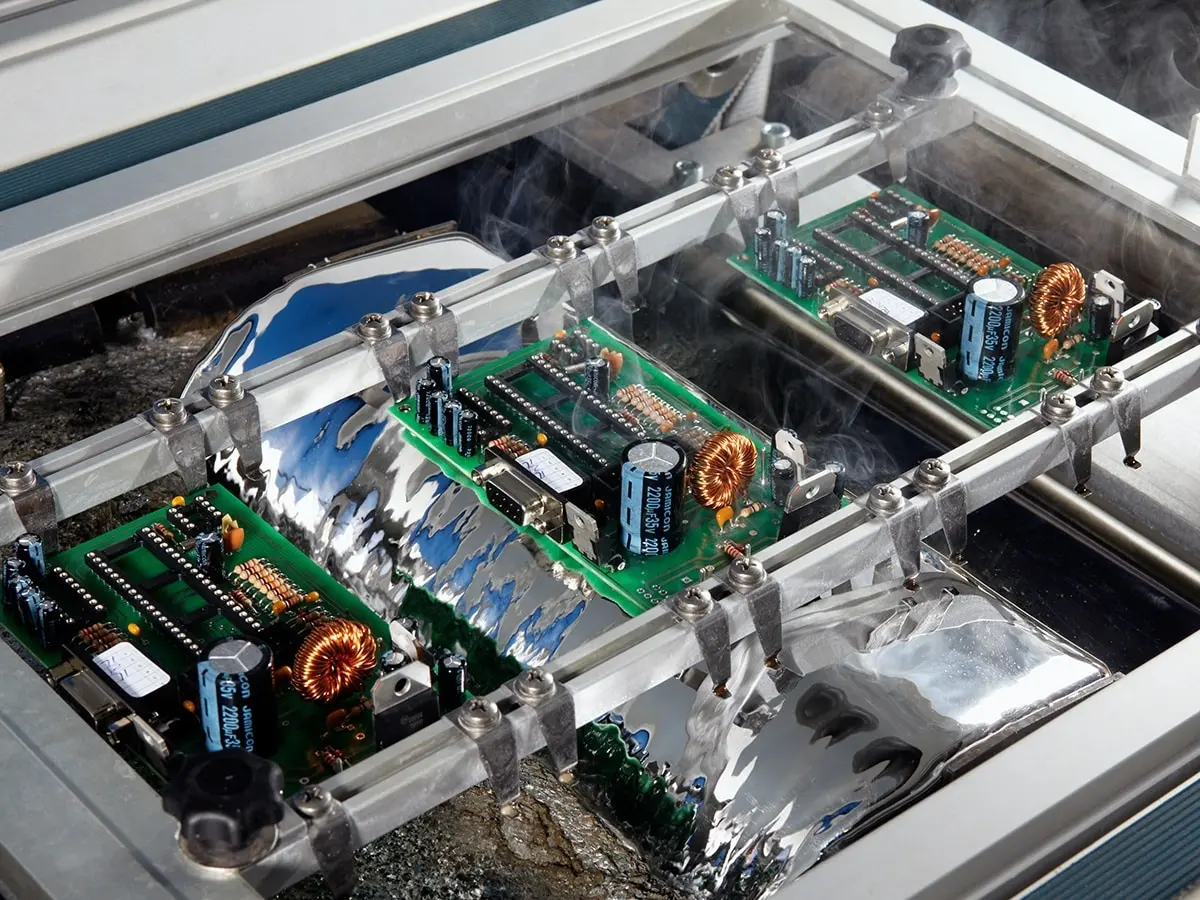
Wave soldering requires the use of fixtures. These fixtures are custom-designed for the PCBAs that need soldering; they cover areas that do not require wave soldering. When the PCBA is placed in the fixture, only the through-hole solder joints are exposed.
Unlike selective soldering, wave soldering is a one-time process, soldering all through-hole solder joints in a single operation. While highly efficient, wave soldering forces PCBA manufacturers to make trade-offs between varying through-hole solder joint requirements.
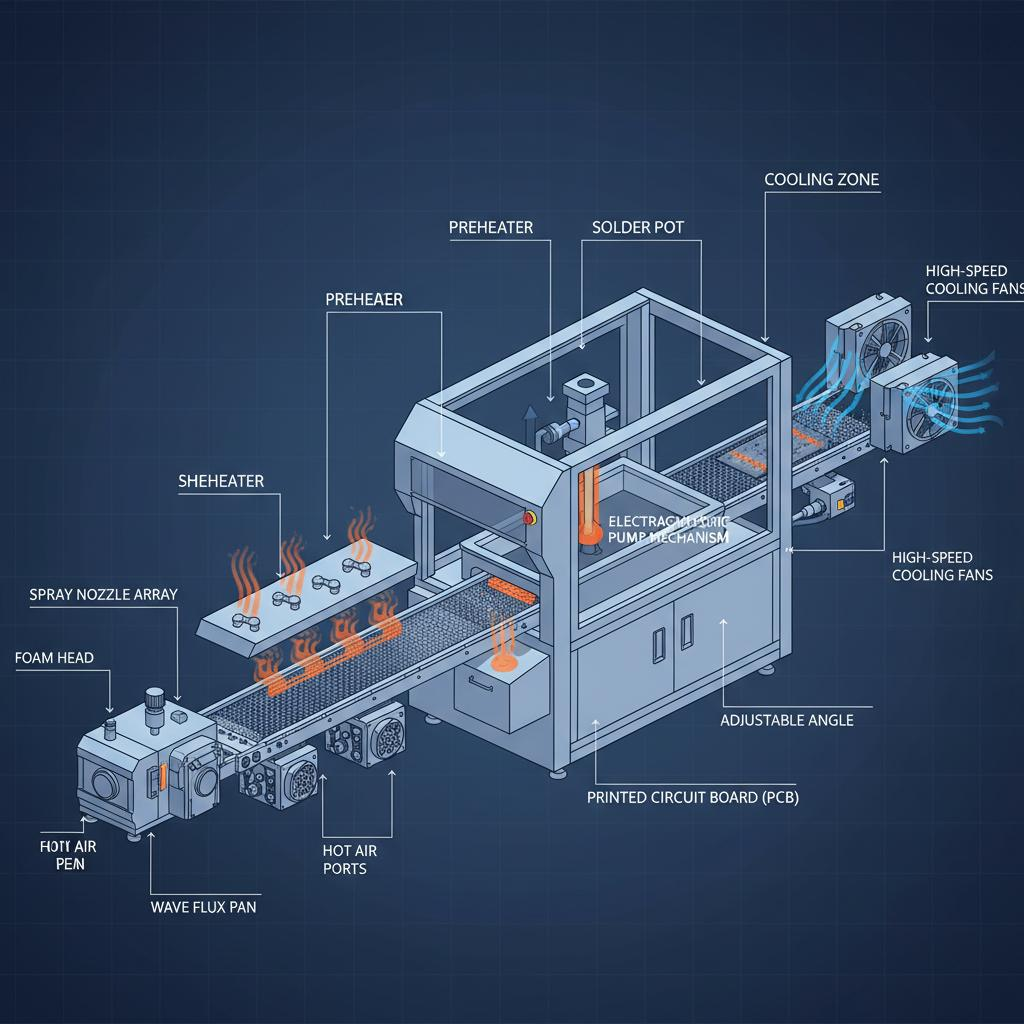
Wave soldering consists of two stages: preheating and soldering. Flux is sprayed onto all through-hole solder joints. In the preheating stage, the entire PCB is heated to activate the flux and preheat the board and components. In the soldering stage, the PCBA, placed in a fixture, is immersed in a stream of solder to solder the through-hole component leads and hole walls.
After wave soldering, a conveyor belt removes the PCBA, still in its fixture, from the wave soldering oven. Technicians remove the PCBA, remove flux residue, and typically perform a visual inspection and touch-up soldering by hand. This is because the fixture may obstruct soldering in certain areas.
When to Use Wave Soldering?
Wave soldering is suitable for mass production of PCBAs for general applications where high quality requirements are not critical.
As a one-stop PCBA manufacturer, we offer lead-free wave soldering.
What are the advantages and disadvantages of wave soldering?
Advantages: High cost-effectiveness, high efficiency.
Disadvantages: Requires fixtures, significant thermal shock, requires manual soldering to add solder, requires large amounts of flux and nitrogen, high machine maintenance costs.
Part Three: Selective Soldering vs. Wave Soldering
Selective Soldering: High soldering reliability; no fixtures required; solder flow is ejected from the nozzle each time soldering; high soldering cost; suitable for small and medium-sized production.
Wave Soldering: Moderate soldering reliability; requires fixtures; the PCBA is placed in the fixture and immersed in the solder flow, soldering all through-hole connectors at once; low soldering cost; large production scale.
Conclusion: Selective soldering enables automated through-hole soldering for each solder point. Wave soldering is a traditional through-hole soldering method that can solder all through-hole points at once. Each through-hole soldering method has its own advantages and disadvantages; you need to choose the appropriate soldering method based on the PCBA’s soldering requirements and budget.