


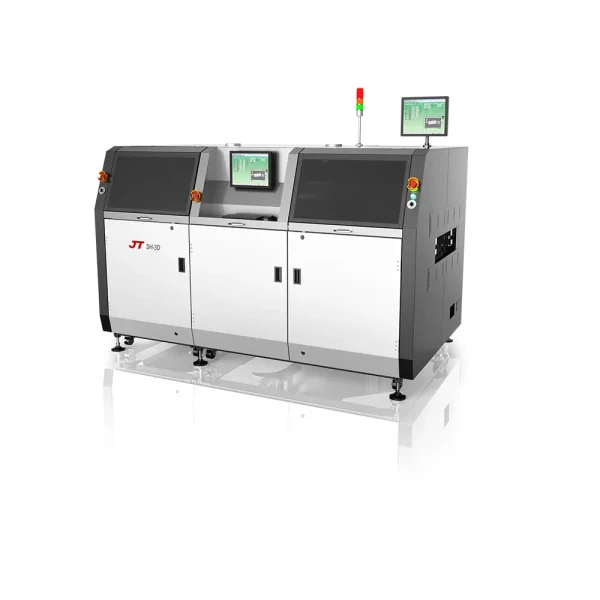
In the wave soldering process of PCB assembly, solder beads remaining on the PCB, while not the most serious defect, are a major source of instability and potential quality issues. Solder beads are formed...
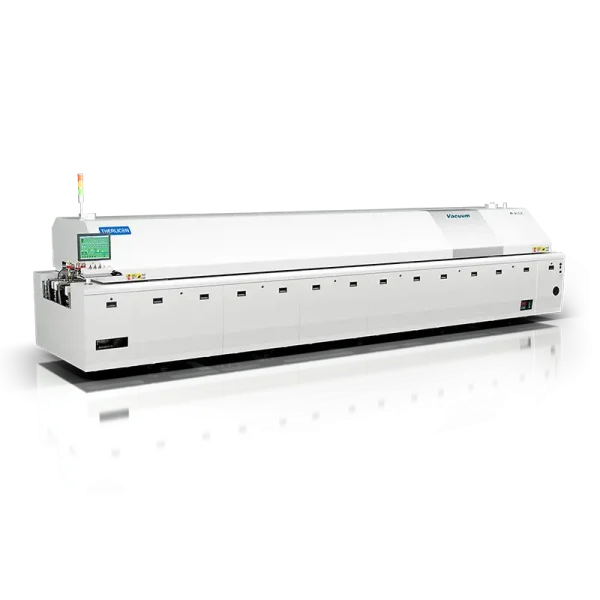
Traditionally, reflow soldering is regarded as the core process for surface mount devices (SMDs), while through-hole components rely on wave soldering or manual welding. However, with the upgrading of...

Reflow soldering is a core process in SMT electronic assembly, which determines the welding quality and reliability of PCB boards. Air reflow soldering and nitrogen reflow soldering are the two mainstream...
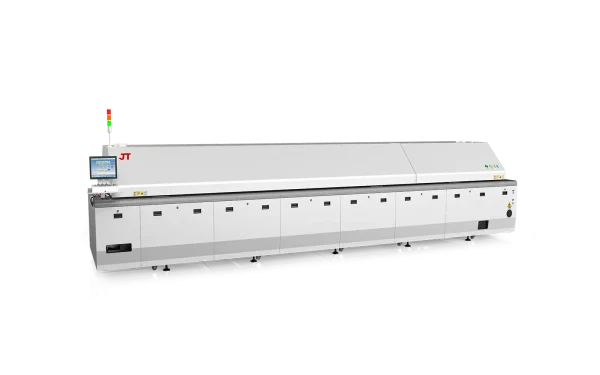
Modern SMT production relies heavily on fully automated reflow soldering systems to ensure consistent welding quality and high efficiency. Despite precise mechanical operation and intelligent program control,...
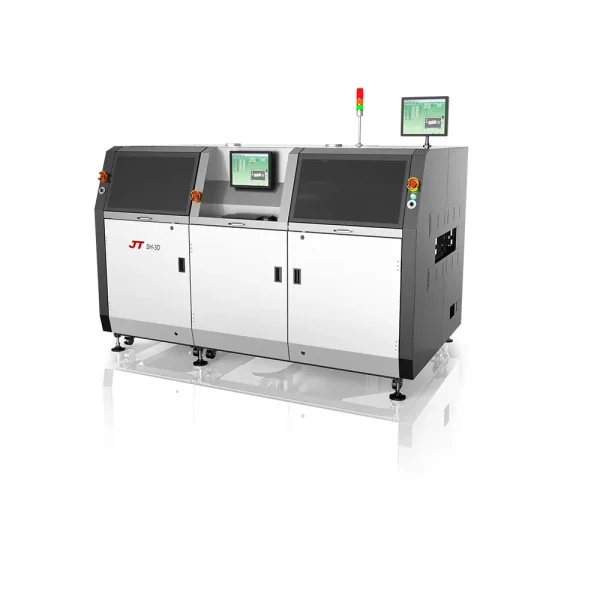
Reflow soldering is a core process in SMT PCB manufacturing, which directly determines the electrical performance and service life of circuit boards. Even with advanced automated soldering equipment, minor...
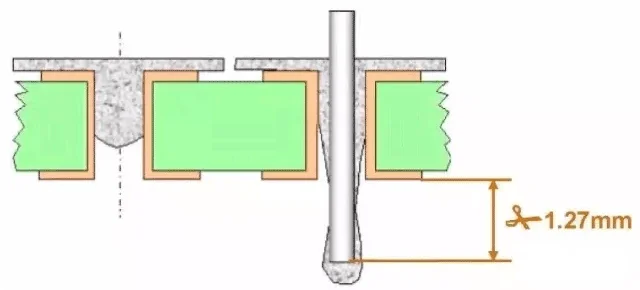
Through-hole (PTH) components are usually soldered to the PCB by wave soldering. However, here’s an alternative option – through-hole reflow soldering available for PCB assembly with PTH components.
Overview...
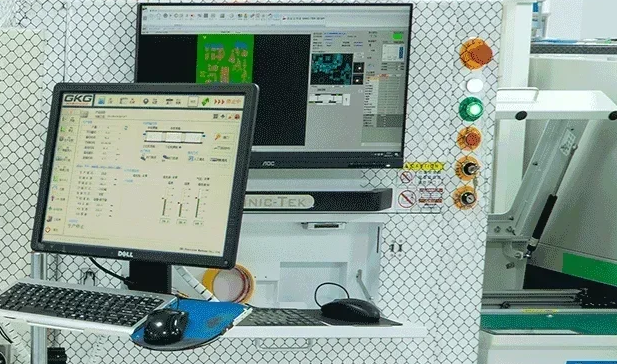
The terms SMT and SMD are often confused by beginners. However, they have distinct meanings:
SMT (Surface Mount Technology): SMT refers to the entire method of mounting components onto a PCB surface. It...
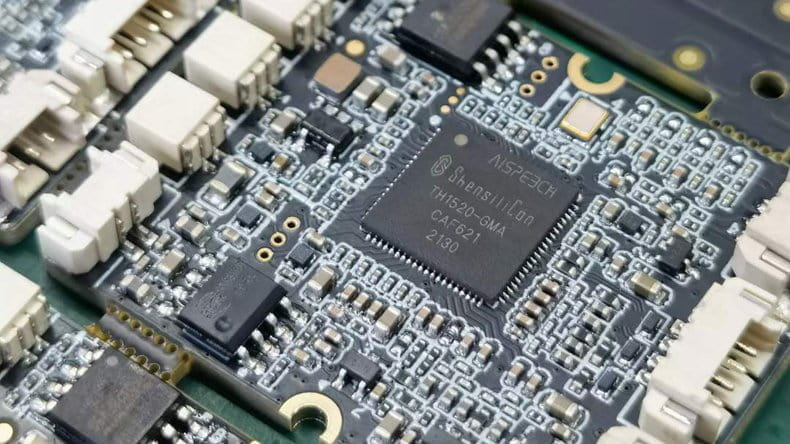
The components used in SMT are called surface mount devices (SMDs). They are compact with leads or contacts specifically for surface mounting. Key SMD types include:
SMD resistors: These passive components...
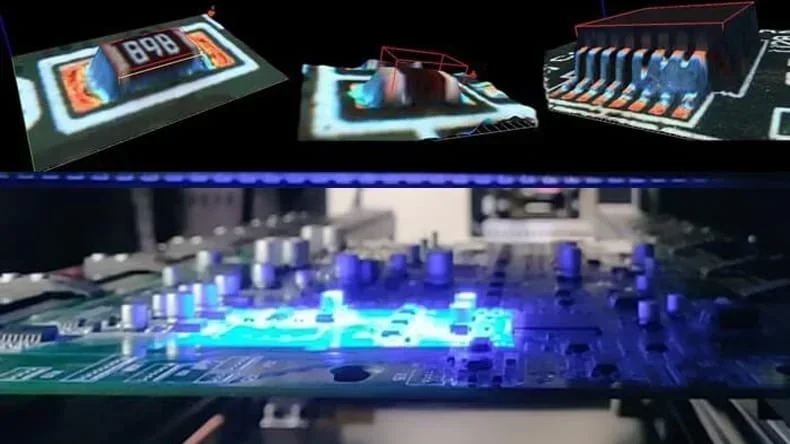
SMT assembly process is fully automated and precise. We ensure efficient and high-quality PCB production. The steps of the SMT surface mount technology process are below.
Loading bare PCBs
The process...