



The reflow soldering process in PCB manufacturing works by printing solder paste, placing components, and then passing the board through a controlled multi-stage heating cycle (preheat, soak, peak reflow,...
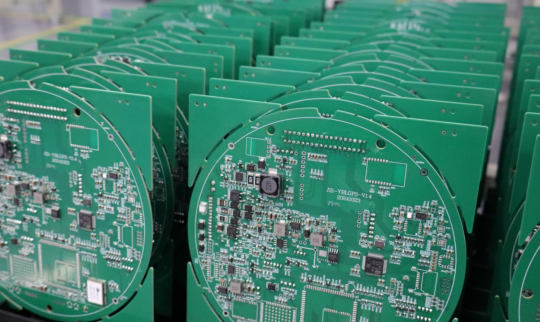
Reflow soldering in SMT PCB manufacturing is a controlled heating process that melts solder paste to permanently form electrical and mechanical connections between surface-mounted components and a PCB,...
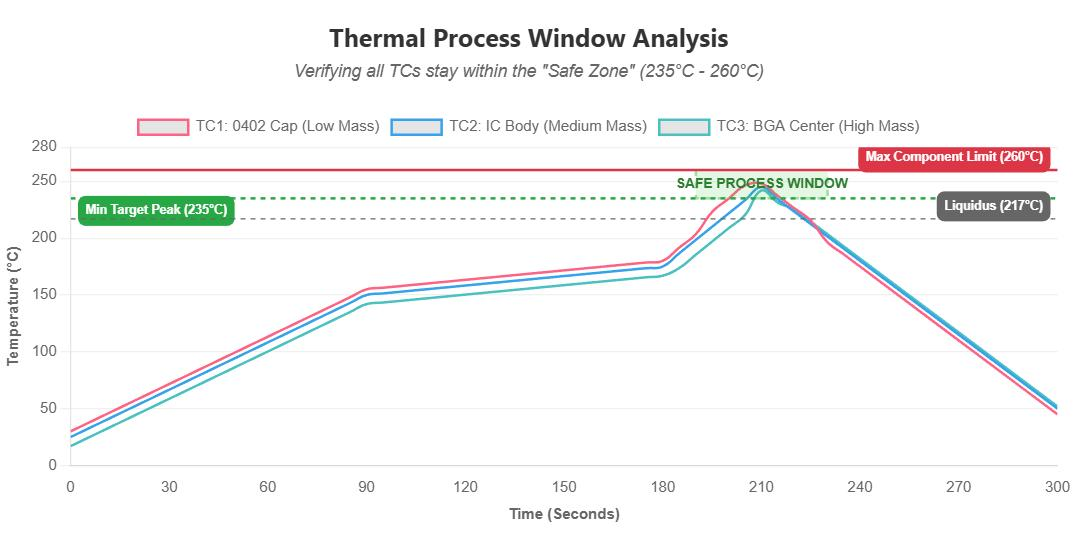
Reflow soldering quality is highly dependent on precise thermal control throughout the entire heating process. Thermal analysis refers to the professional detection, evaluation, and optimization of the...
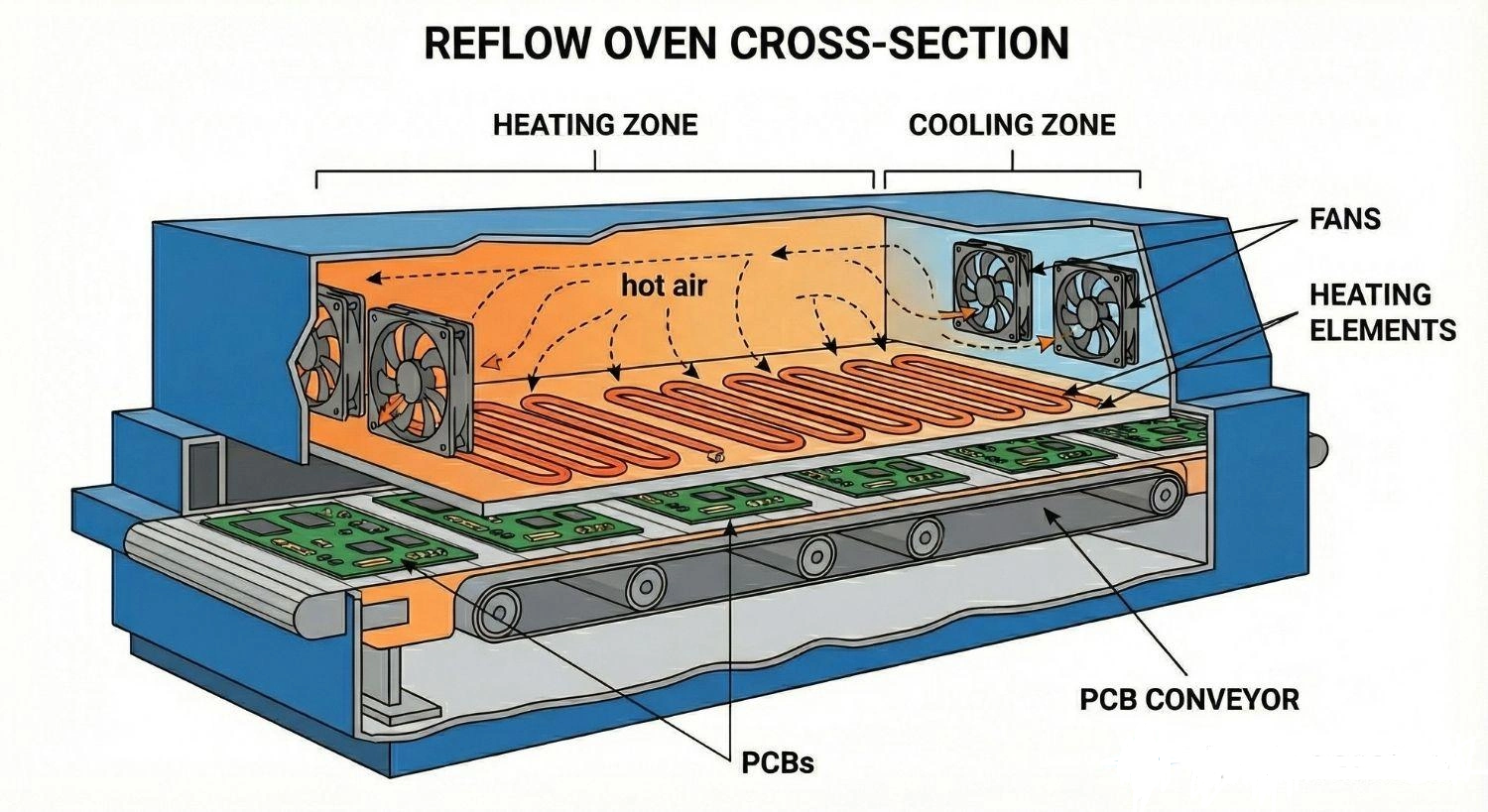
Reflow oven is one of the most critical equipment in SMT assembly lines, directly influencing solder joint quality, production efficiency and product stability. Selecting a proper reflow oven according...
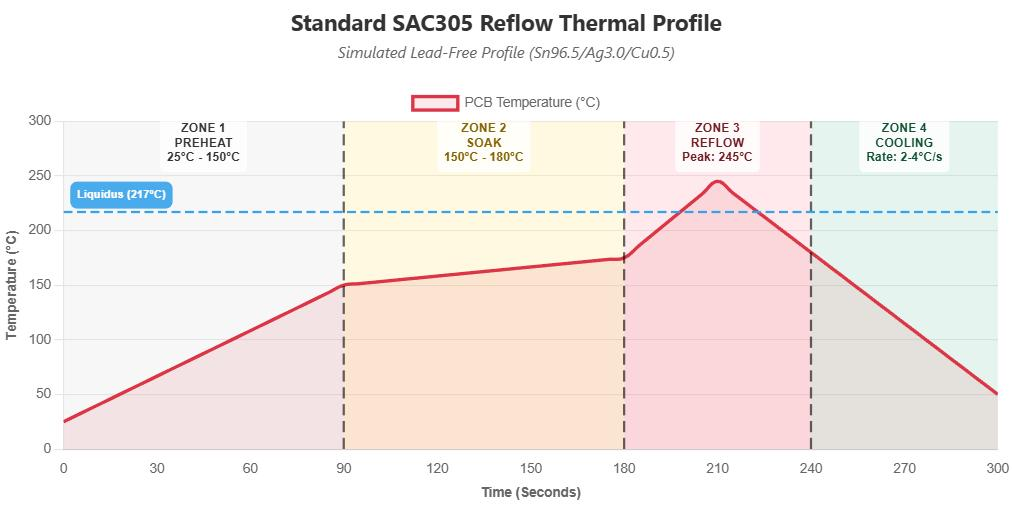
Reflow soldering is the core thermal process in surface mount technology (SMT) manufacturing. Its production quality largely depends on precise temperature control throughout the oven tunnel. A standard...
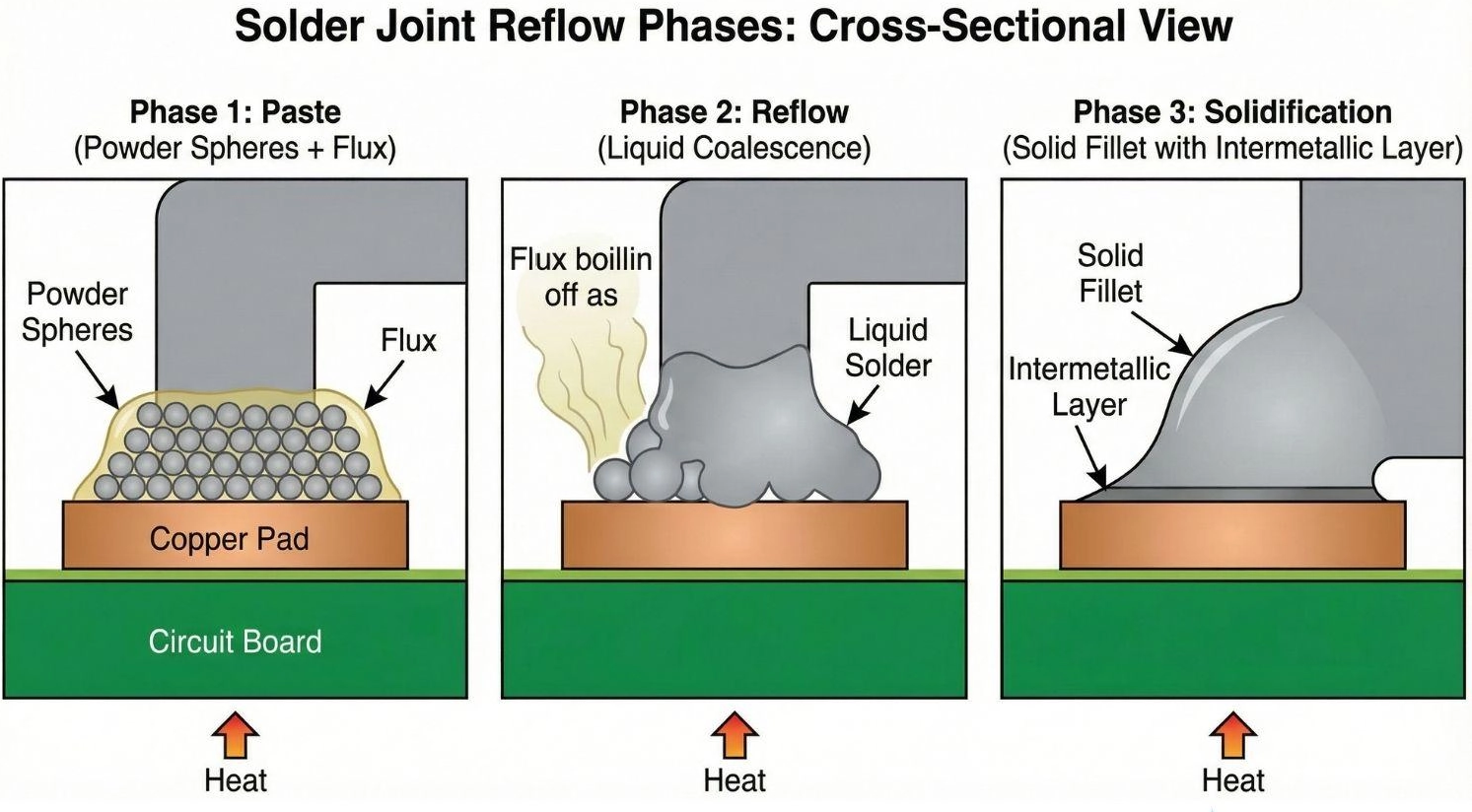
Reflow soldering serves as the core welding process in SMT assembly, and solder alloy composition directly determines the soldering temperature profile, joint reliability, wettability and production applicability....
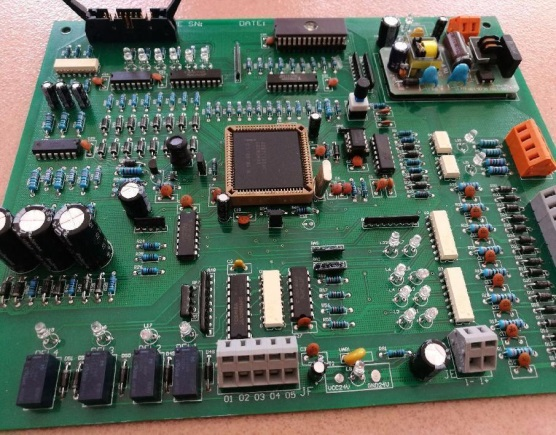
Wave Soldering Principles and Applications
Wave soldering is a batch PCB soldering process primarily used for soldering through-hole (THD) devices. The wave soldering process includes four steps: flux...

As contemporary electronics embraces light weight, high speed and increasing efficiency, each link of manufacturing thereafter conforms to such philosophy, which is open to Printed Circuit Board Assembly...
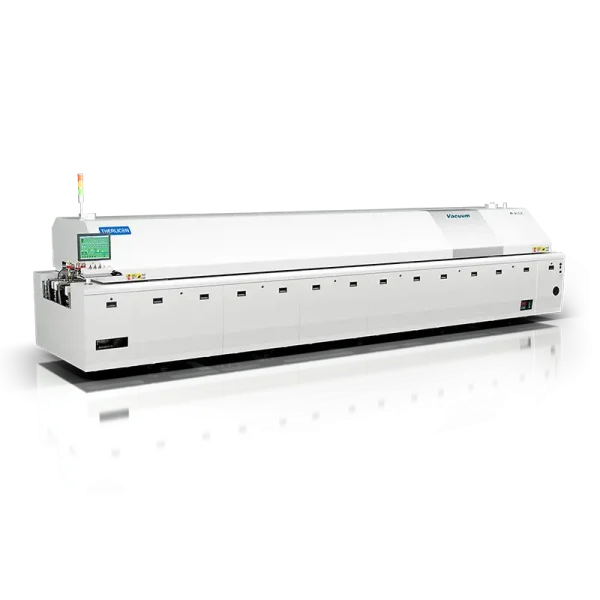
• Definition
Reflow soldering permanently glues components that are first temporarily stuck to their pads on circuit boards through solder paste that will be melted through hot air or other thermal radiation...